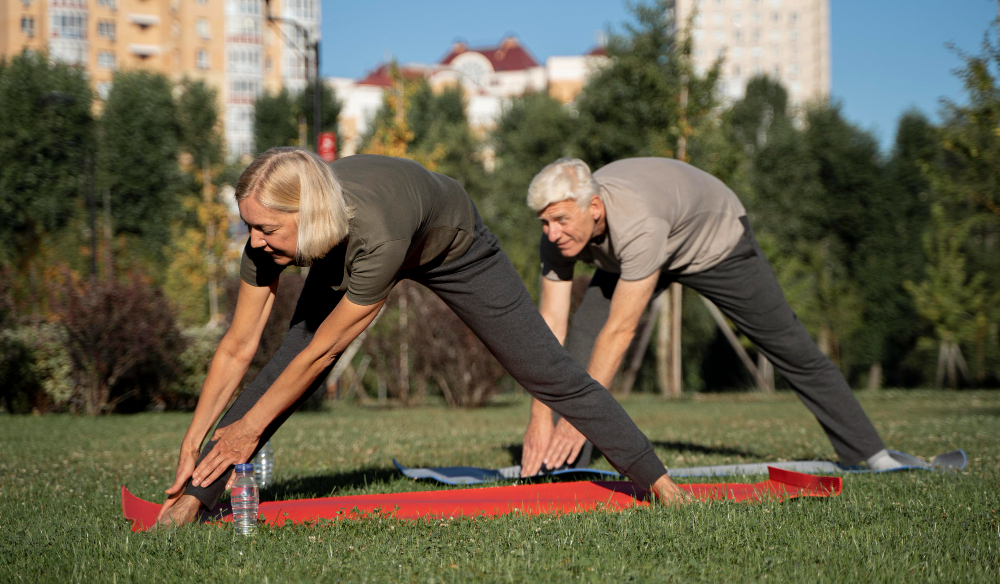
Maintaining physical independence is highly important. This is especially true as a crucial aspect of healthy ageing across the nation.
As per the recent data from the Australian Institute of Health and Welfare (AIHW), achieving at least 30 minutes of some physical activity is an important milestone for older adults. That also applies to at least for most days.
Conversely, structured senior fitness programmes in Australia assist older adults with a myriad of things.
That is, to maintain their bone density, preserve joint health, and manage chronic conditions such as heart disease, stroke and Type 2 diabetes.
The implementation of these routines can require a delicate balance between promotion of overall physical wellness and ensuring strict resident safety. This especially applies within residential aged care facilities and community hubs.
Workforce capability and evidence-based exercise prescription increasingly link to the physical well-being of older Australians. The statement from the historic Royal Commission into Aged Care Quality and Safety further supports this.
Instead of viewing daily movement initiatives simply as recreational pastimes, experts now recognise them as critical components of preventative health and physical therapy.
Why Structured Senior Exercise Matters
Everyone universally recognizes the benefits of staying active, yet older adults still engage in very little physical activity.
Both assisted living homes and regional communities particularly evidence this trend.
Data from Exercise and Sports Science Australia (ESSA) highlights a concerning reality, showing that less than 20% of Australian adults over the age of 65 meet their baseline physical activity requirements.
Reading about healthy lifestyle choices for aging populations makes one thing absolutely clear. Structured physical wellness is about far more than just maintaining basic mobility.
In addition, taking active initiatives in regular activity not only improves mental clarity but also joint health. As a result, it makes it an essential component of holistic aged care.
However, leading exercise routines for frail residents carries inherent musculoskeletal risks.
Care staff must be deeply educated in injury prevention, safe manual handling, and recognising clinical contraindications. That is, before initiating any physical exertion with vulnerable adults.
| Quick Facts: Older Australians and Physical Activity Recommended Daily Target: 30 minutes of moderate-intensity physical activity. Current Participation Rate: Only about 17.2% of seniors meet full weekly guidelines. Primary Risk Factor Fixed: Targeted balance training reduces fall risks by up to 31%. |
Aligning Fitness With Care Standards
There has been an active initiative by the Australian Government , where they have implemented significant legislative changes to protect elderly residents. Most notably, this is through the landmark Aged Care Act.
Furthermore, a major component of these reforms is tightening provider governance rules.
Now, facility managers hold the direct responsibility to guarantee their workforce maintains the current clinical knowledge required to safely support their residents.
Overcoming Legislation Complexity With Online Training
Because the implementation of new legislation is highly complex, managers frequently utilise compliance training online.
Accordingly, this allows them to ensure their teams are fully versed in the latest regulatory requirements. This foundational knowledge is non-negotiable before staff can safely guide seniors through any form of physical wellness routine.
By ensuring that all employees possess a thorough understanding of current safety protocols, aged care centres can confidently introduce new exercise initiatives without jeopardising resident health or risking severe regulatory penalties.
Preparing For Performance Audits And Conformance Ratings
Regulatory bodies take these safety measures and governance rules incredibly seriously.
Under the newly implemented Strengthened Aged Care Quality Standards, care providers are assessed through rigorous, regular performance audits across seven mandatory standards.
These critical focus areas include core tenets like clinical care and individual rights.
Following these assessments, facilities receive formal audit ratings that range from non-conformance to exceeding conformance.
Maintaining high audit ratings requires systemic tracking of staff education milestones and an unwavering commitment to safe, rights-based care practices.
Types Of Senior Fitness Programmes In Australia
In order to cater to the varying levels of mobility, cognitive health and physical capability, providers offer diverse exercise modalities.
| Programme Type | Primary Physical Focus | Ideal Mobility Level | Key Health Benefits |
| Seated Resistance Training | Muscular strength & bone density | Low to moderate mobility | Reverses frailty; safe for wheelchair users |
| Gentle Hydrotherapy | Cardiorespiratory fitness & joint relief | All mobility levels | Low-impact; reduces weight-bearing joint stress |
| Falls Prevention & Tai Chi | Balance, coordination & core strength | Moderate mobility | Drastically reduces fall risks; improves stability |
| Community Walking Groups | Social connection & endurance | High mobility | Lowers blood pressure; combats social isolation |
When you select or design senior fitness programmes in Australia, you need to match the resident’s physical baseline with the appropriate low-impact modality.
This careful step is quite essential. Not only does it ensure proper injury prevention, but it also simultaneously encourages consistent participation.
Best Practices For Implementing Safe Routines
In order to actively bridge the gap between regulatory compliance and active living, Australian care facilities are adopting modern, evidence-based physical wellness programmes.
A major focus has shifted toward trauma-informed physical care practices. These specialised approaches train staff to recognise the complex behavioural triggers and psychological limitations of older residents.
By understanding these nuances, care teams can create supportive environments. Here, residents feel secure, respected, and motivated to participate in daily movement.
Components Of Designing A Proper Senior Fitness Programme In Australia
When designing and implementing these active programmes, successful aged care facilities typically incorporate several proven strategies to protect their residents:
- Engaging Accredited Exercise Physiologists to design tailored, age-appropriate interventions that can successfully reverse resident frailty.
- Offering evidence-based, low-impact modalities such as tai chi, seated resistance training, and gentle aqua aerobics to improve coordination and drastically reduce fall risks.
- Providing residents with a mandatory statement of rights, which legally protects their autonomy and right to make independent choices regarding their daily routines.
- Utilising the National Aged Care Mandatory Quality Indicator Program to benchmark the success of exercise interventions, ensuring they actively improve standardised quality metrics.
The Future Of Active Ageing
As Australia continues to refine its national care framework toward a person-centred model, the emphasis on comprehensive staff education will only continue to grow.
There is a critical need for ongoing training and minimum safety standards to prevent elderly physical decline in older adults.
By prioritising rigorous educational programmes and adhering to strict quality standards, care facilities can create safe, engaging fitness routines.
Ultimately, this can ensure that older adults have the professional support they need to maintain their mobility.
Besides that, it allows them to preserve their dignity and enjoy a high quality of life in their later years.
| Disclaimer: The information provided in this article is for general informational purposes only. It does not, and is not intended to, constitute medical or health advice. Please consult a qualified healthcare professional for medical guidance or expert health assistance. |