Acupuncture has its roots in traditional Chinese medicine and has been used for several millennia. The process involves placing very fine needles into the skin at specific points to help improve the flow of life energy, or “qi,” throughout the body.
This ancient method is now recognised much more widely as a complementary option within Western medicine, especially for managing pain. More healthcare providers are recommending acupuncture for women’s health issues, offering a drug-free approach for problems such as period pain, pregnancy-related discomfort, and migraines.
Many women are exploring acupuncture to help ease pain and reduce their need for medication. This approach is seen as a useful complement to standard treatments because it lets people try a different route to achieve comfort and better wellbeing.
Understanding Acupuncture
Acupuncture comes from traditional Chinese medicine and relies on placing very fine needles at particular points on the body. These points are linked to pathways known as meridians, which are believed to carry qi—the body’s vital energy. Keeping this energy in proper balance is seen as crucial for staying healthy. If something interrupts the flow of qi, aches and illnesses can arise. The idea is that by gently inserting needles in certain spots, the body’s natural equilibrium is encouraged, which may help ease discomfort and support healing.
Over in the West, acupuncture is gaining ground for the way it interacts with the nervous system. The action of the needles may trigger the brain to release endorphins—our feel-good, pain-busting chemicals. This is particularly helpful for conditions such as dysmenorrhoea, where pain, headaches, and bloating go hand in hand with your monthly cycle.
Research suggests acupuncture could also boost blood circulation and help calm inflammation, on top of making stress levels dip. These effects seem to work together to give pain relief and help you feel more like yourself, especially when period pain is dragging you down.
How Acupuncture Helps with Menstrual Pain
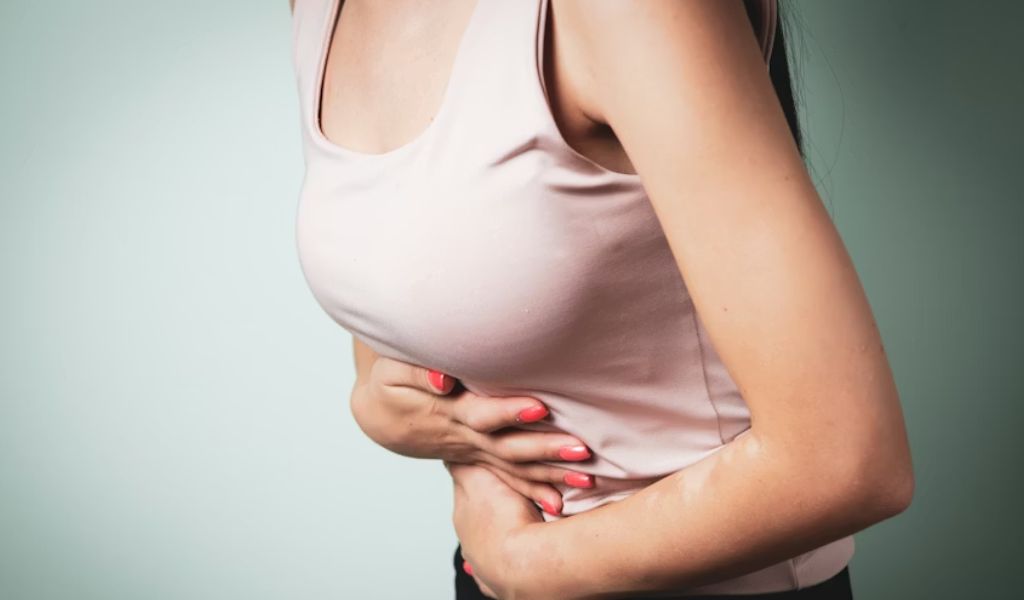
Dysmenorrhoea, or period pain, affects millions of women every month, disrupting work, relaxation, sleep, and even relationships. There are two main types: primary and secondary. Primary dysmenorrhoea is the common sort, with aching and cramps in the lower tummy, back, or legs. This isn’t linked to other health problems and usually happens because of natural hormone changes—prostaglandins make the womb contract, bringing on pain days before the period starts and sometimes lingering after it ends.
Secondary dysmenorrhoea is tied to conditions such as fibroids or endometriosis, which make the pain worse.
Many women find relief from period pain symptoms through acupuncture, as it is often chosen to ease both kinds of period pain. For primary dysmenorrhoea, it can spark the body’s pain relief response, boosting endorphins, improving blood flow, and gently relaxing muscle tension. For secondary dysmenorrhoea, it may help level out hormones and calm inflammation, easing the ache caused by fluctuating hormones. Reducing stress hormones is another bonus, as this drop can make a real difference to the monthly cycle as well as premenstrual syndrome (PMS) symptoms.
Recent scientific studies from Australia and New Zealand back this up. Women taking part in regular acupuncture sessions found their period pain less intense and shorter, with some benefits carrying on for up to a year after finishing treatment. Other research has shown that acupuncture doesn’t just help with the pain, but can also improve overall wellbeing and daily comfort. For many, this makes acupuncture a practical alternative or addition to painkillers for managing monthly cramps and discomfort.
Acupuncture for Other Women’s Health Issues
Menopausal Symptoms
Acupuncture is gaining recognition for easing menopausal symptoms like hot flushes, night sweats, and sleepless nights. These issues, often made worse by stress and changing hormones, can turn everyday life upside down for many women during menopause.
Through the use of very fine needles in certain points, acupuncture supports the body’s energy flow. This technique is thought to bring a sense of calm, reduce stress, and help bring hormones back into better balance.
Studies show acupuncture may cut down both the number and intensity of hot flushes. With steadier hormone levels, women might find they are not only having fewer hot flushes, but also sleeping better. This is partly because acupuncture can help take the edge off anxiety, making it easier to drift off and enjoy deeper sleep.
Hormonal shifts around menopause can bring a long list of worries – not just physically but emotionally too. Acupuncture offers a gentle and natural way to help the body settle. For some, this might mean relying less on medications or other more intense treatments. It becomes an appealing option for those who prefer a more gentle method to manage symptoms, aiming to improve overall wellbeing and keep life feeling manageable.
Pelvic Pain and Endometriosis
Acupuncture is becoming a popular choice for easing pelvic pain brought on by endometriosis—a condition where tissue similar to the lining of the womb starts growing where it shouldn’t, causing significant discomfort.
One of acupuncture’s main benefits is that it helps your body boost its own pain-relieving chemicals. These are the endorphins and similar substances your brain uses to naturally dull pain. When released, they can make a real difference to how strongly you feel the pain.
Acupuncture can also improve how well blood circulates in the body. With better blood flow, swelling linked to endometriosis may go down, and that means a possible break from cramps and soreness. It also means more oxygen and nutrients delivered to tissues, helping the body repair itself and keep things ticking over.
Beyond easing pain and swelling, acupuncture helps tackle inflammation. By working to restore a sense of balance, this therapy may calm the irritation that makes endometriosis feel even worse.
Altogether, acupuncture gives a gentle but multi-layered approach. It doesn’t just focus on pain but also supports your body’s efforts to recover and feel more comfortable day to day.
What to Expect During an Acupuncture Session
Your acupuncture session usually starts with a chat about your health history, your main symptoms, and any worries you might have. The practitioner listens carefully before making a treatment plan that fits your needs. They’ll pinpoint which areas to focus on, choosing specific spots on your body just for you.
During the session itself, the acupuncturist inserts very fine needles into these spots, often on the lower tummy, back, or legs. The needles tend to stay in for about 30 minutes. Most people describe feeling a gentle tingle or a mild warmth while the treatment is happening—this is quite normal and can be a sign your body is responding well.
Afterwards, you might be given some advice such as drinking water, steering clear of intense exercise that day, and paying attention to how you feel. Sometimes, further sessions are suggested if you want to keep experiencing the benefits.
It’s really important to choose an acupuncturist who’s licensed and well-trained. Acupuncture is considered safe, but you might notice a little bruising or tenderness where the needles were placed. Good hygiene, including sterile needles and clean hands, is key to reducing any risks. In safe hands, acupuncture can be a comfortable way to try and ease your symptoms.
Choosing Acupuncture: Complementing Pain Management
If you usually reach for ibuprofen, naproxen, or similar painkillers for relief, you may already know about the downsides. Digestive issues like an unsettled stomach or long-term worries about your kidneys can creep up if these medicines are used too much. Hormonal treatments, widely prescribed for things like menstrual pain, come with their own baggage—think nausea, extra weight, or sudden mood shifts.
Acupuncture steps in as a drug-free option, working with the body’s own resources. When thin needles are placed at key spots, it’s thought that your nervous system gets nudged into action. The brain can then release endorphins, those handy chemicals that help take the edge off pain. All of this happens without needing to add tablets or hormones into the mix, while also encouraging better blood flow and a sense of balance, both physically and mentally.
Pairing acupuncture with healthy habits tends to pay off. Eating well, moving your body regularly, and taking time to unwind using techniques like yoga or meditation all seem to boost the benefits. This combination can offer a more well-rounded path to feeling better, keeping pain at bay for longer and supporting your energy and wellbeing overall.
Key Insights on Acupuncture for Women’s Pain
Acupuncture stands out for giving many women real and meaningful relief across a number of health concerns. Research and firsthand reports show it can help with everything from menstrual pain and menopause symptoms through to chronic discomfort caused by conditions such as arthritis or fibromyalgia.
Unlike many typical pain medicines, acupuncture offers a drug-free option. By reducing the need for painkillers, it can help some people avoid unwanted side effects linked to medication. It also fits nicely alongside other treatments, so women don’t have to pick one approach over another.
Women can add acupuncture to their personal health routines to seek better control over their pain. This approach may lead to taking fewer pharmaceuticals, and for many, life feels brighter because it can lift mood, cut down on stress, and bring a sense of calm.
Acupuncture treats the whole person, not just the obvious aches. By bringing mind and body back into balance, it doesn’t just ease the symptoms on the surface—it can also improve general health and emotional wellbeing. This makes it a strong option for anyone hoping for a more complete perspective on pain management and everyday health.