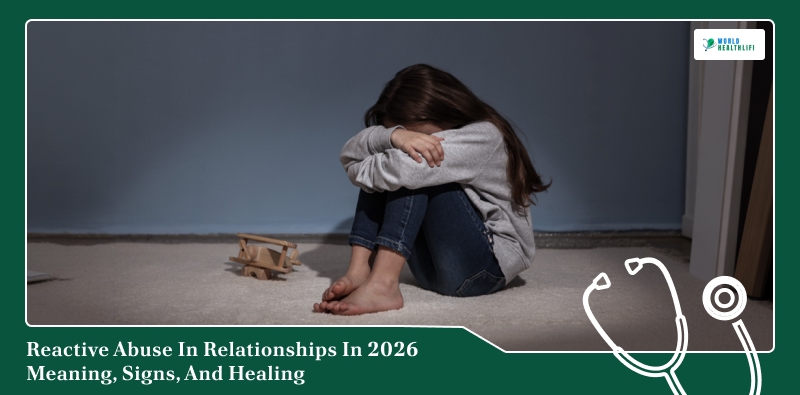
Reactive abuse is the result of being pushed for a long time. Are you being poked, gaslit, or worn down for a substantial period? You are bound to react at some point.
But people will only highlight that moment. Meanwhile, what happened before gets ignored. Suddenly, people see you as the problem because you reacted loudly and clearly.
But that doesn’t make you dangerous, cruel, or abusive by nature. Instead, most of the time, it means someone crossed your boundaries again and again. Ultimately, you could not hold it back.
To tackle such challenges, you should know how reactive abuse actually shows up in real life. At the same time, you must understand what it does to your nervous system over time.
But here is the most important part. How do people who cause harm often use these reactions to flip the story? Again, once the damage is done, can you cope? First thing, stop blaming yourself for reacting.
How Reactive Abuse Actually Plays Out in Relationships
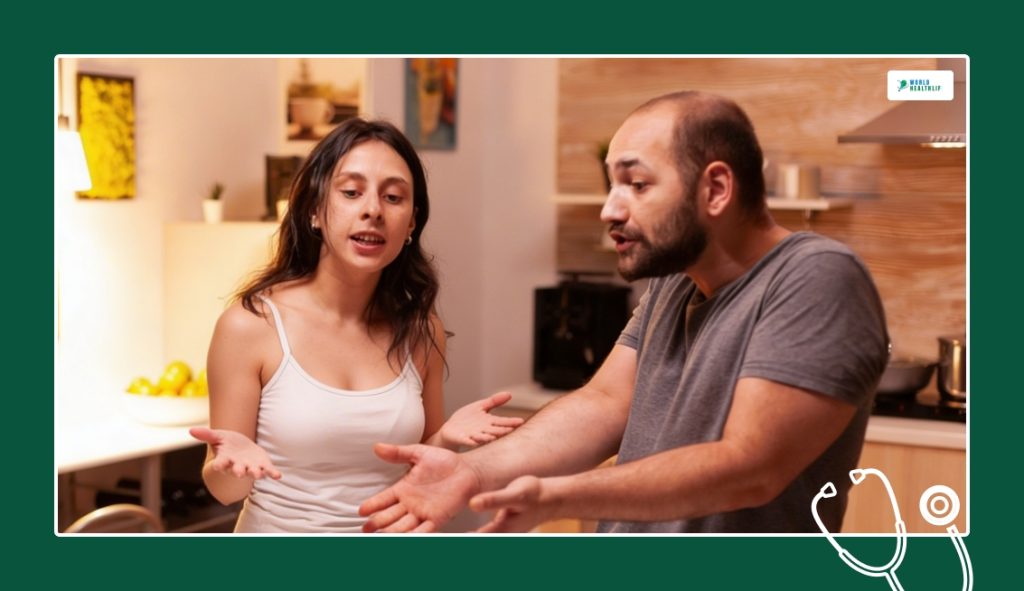
Most of us fail to understand one simple thing. Reactive abuse doesn’t begin with your reaction. Instead, it begins long before that, with the other person.
What Does a Common Scenario of Reactive Abuse Look Like?
One person keeps pushing and dismissing your feelings. They might also undermine you, or make subtle digs at you that nobody else is noticing.
For example, one common strategy is always twisting your words to portray you in a different light. On a few occasions, it’s obvious.
However, in most cases it is quiet and steady. But what’s worse is that it happens day after day, argument after argument. But how long does it take people to react when they are suffering reactive abuse?
The reaction does not happen overnight. You may react after weeks, months, or even years of silent abuse. But mostly when you do that, you are caught off guard. That’s because the reaction is spontaneous and reactive.
How do real victims react in a case of reactive abuse?
Firstly, you will raise your voice. Alternatively, you can cry harder than you wanted to. But it is hard to determine your exact reaction. For example, you slam a door. Or you say something sharp that you immediately regret. But what happens after that is most important.
That moment becomes the headline. Suddenly, none of the buildup matters. Most importantly, the world sees that you’re the one who “lost control.”
In most cases, the other person will save the text. Or retell the story. They bring it up every single time after that. To clarify, their main goal is to reiterate the proof to establish that you’re the issue.
Why “Reactive Abuse” Is Not “Mental Abuse”?
From the outside, people sometimes look at that one blow‑up and decide it’s equal on both sides. To clarify, your friends and even therapists will call it mutual at first.
But what people miss here is the real context. Most of them will never take a deep dive into what caused you to react the way you did. But do you know why people say it’s mutual and not reactive abuse?
The first reason is common mental constructs. Our brains subconsciously process some biases and prejudices. For example, if a guy lashed out publicly at his partner, people generate a preconceived notion that it’s the guy’s fault. Or his toxic nature. Our instinct is to believe that the other person is innocent.
Mutual abuse would mean both people are consistently trying to dominate, intimidate, or control each other. But Reactive abuse isn’t that. It’s a response. Often, an isolated or infrequent response to sustained pressure. Most importantly, the power isn’t shared in a reactive, abusive way. In other words, one person has been setting the tone the entire time. Again, the other just hit a breaking point.
What’s Really Happening in Your Body?
“Why do I react like that? Why can’t I stay calm?” I bet you think exactly like that when you are the victim of a reactive abuse scenario.
That’s easy. You react like that as your nervous system is overloaded. In the same vein, the nervous system is doing what it knows how to do to survive.
When you live in a place where you feel unsafe, ignored, or tense all the time, your body never truly rests. At the same time, stress hormones such as adrenaline and cortisol remain elevated. As a result, you feel worn out, even when you sleep. Simultaneously, you stay alert, even when nothing is wrong.
In clinical terms, your body’s fight‑flight‑freeze‑fawn response is triggered. In long‑term stress, it does not shut off. After one point, it responds.
Your nervous system has been under pressure for too long and has finally hit its limit.
For people who already carry trauma, especially from childhood, this can cause more harm. Above all, it can turn into PTSD or complex PTSD. Again, if that happens, your system never really settles back again.
Signs This Might Be Happening to You
Are you doubting that you are also a victim of reactive abuse? Don’t keep guessing. These signs will confirm whether you are sharing the same fate:
- You’re repeatedly criticized, needled, or manipulated until you finally snap
- You work hard to stay calm, but there’s a point where you just can’t anymore
- Afterward, you feel ashamed, confused, or sick over how you reacted
- You’re told you’re “unstable,” “toxic,” or “abusive” whenever you defend yourself
- Your body shows it through headaches, tight shoulders, poor sleep, and constant anxiety
A lot of people don’t realize what’s going on right away. That is to say, they just know they feel awful all the time. And instead of questioning the situation, they start questioning themselves.
How do people use reactive abuse against you?
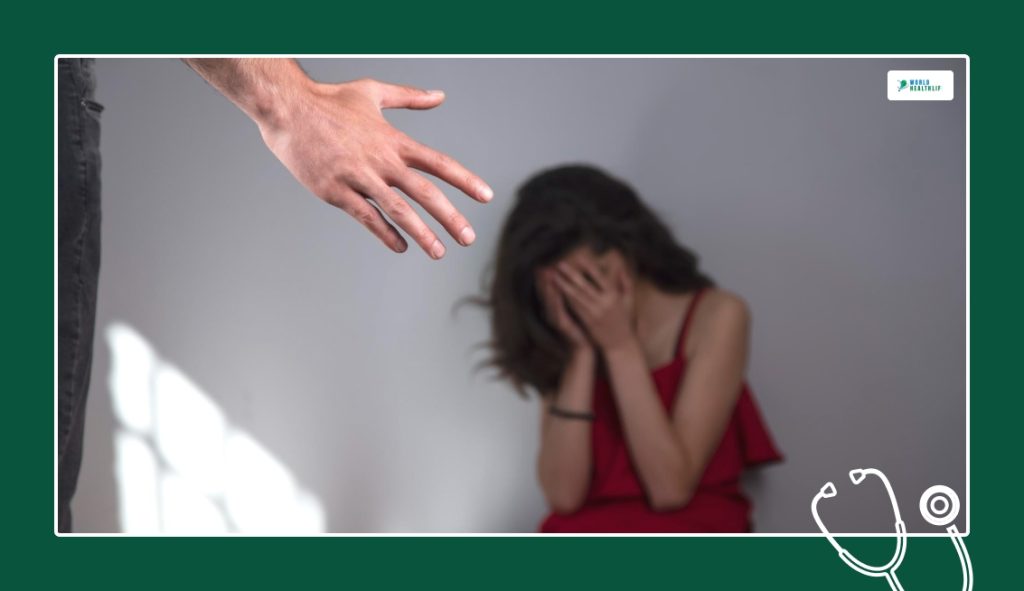
Whether reactive abuse is intentional or not, the pattern stays the same:
Push → provoke → wait for the reaction → blame.
Once you react, the focus shifts. Now there’s something tangible they can point to. To clarify, your reaction looks bad without context. They bring it into arguments. In addition, they use it with friends or family. What’s worse, it sometimes even shows up in serious situations. For instance, during custody conversations, legal disputes, and police reports.
Why are so many people victims of reactive abuse? The reason is that this simple trick works all the time. Your reactions, when pulled out of context, are incredibly easy to misread. In other words, a single moment can look terrible if you ignore everything that led up to it.
You see this a lot in relationships where one person is controlling or has strong narcissistic tendencies. And this part matters: people who are trained in trauma don’t look at reactive abuse and decide the victim is secretly abusive. They recognize it for what it is — a survival response from someone who’s been under strain for far too long.
Popular Cases of Reebok Abuse Among Celebs
Public discussions around reactive abuse often point to celebrity cases. To clarify, these are cases in which a person’s reaction was judged more harshly than the context behind it warranted.
In the Depp–Heard trial, the focus narrowed on moments where Heard admitted to hitting back. While supporters argued, they ignored years of alleged coercion and control. Tina Turner described reacting out of desperation after enduring severe abuse, which was later used against her.
Kangana Ranaut has spoken about retaliating physically in response to repeated provocation. Even in outside relationships, incidents like Axl Rose’s onstage outburst show how underlying pressure and dynamics trigger isolated, out-of-the-blue reactions.
Reactive Abuse vs. Real Abuse: Key Differences
| Aspect | Reactive Abuse | Real (Intentional) Abuse |
|---|---|---|
| Trigger | After prolonged provocation | No clear provocation; pattern of control |
| Intent | Self-defence/survival | To control, dominate, or harm |
| Pattern | Isolated, stress-driven | Ongoing, repeated |
| Power dynamic | The victim feels powerless | Abuser seeks and maintains power |
Abusers are very good at blurring these lines. In other words, their goal is to make you feel so guilty and confused that you stop trusting your own perception of what’s happening.
Impact on Mental and Physical Health
Reactive abuse hits badly on the victim’s mental health. It can also harm your physical health:
Mental and Emotional Impact
The common mental impacts are anxiety, depression and hypervigilance. Moreover, it instils in you a persistent, gnawing self-doubt. What’s worse, this doubt follows you everywhere.
Many people in these situations describe losing their sense of self. In addition, they lose their confidence, their opinions, and their identity. Above all, long-term survivors can easily develop C-PTSD.
Physical Impact
We usually ignore the physical impact of reactive abuse. Firstly, you will go through chronic stress. In addition, you will face muscle tension, fatigue and a massive headache.
At the same time, you may feel sleep deprivation. When this goes on for a long time, your immune system weakens. That’s when other diseases attack you.
Pro Tip: Feeling physically unwell is often a sign that your body is under chronic stress. So, don’t think that it is a sign you’re overreacting
You’re Lashing Out and Don’t Know What to Do!
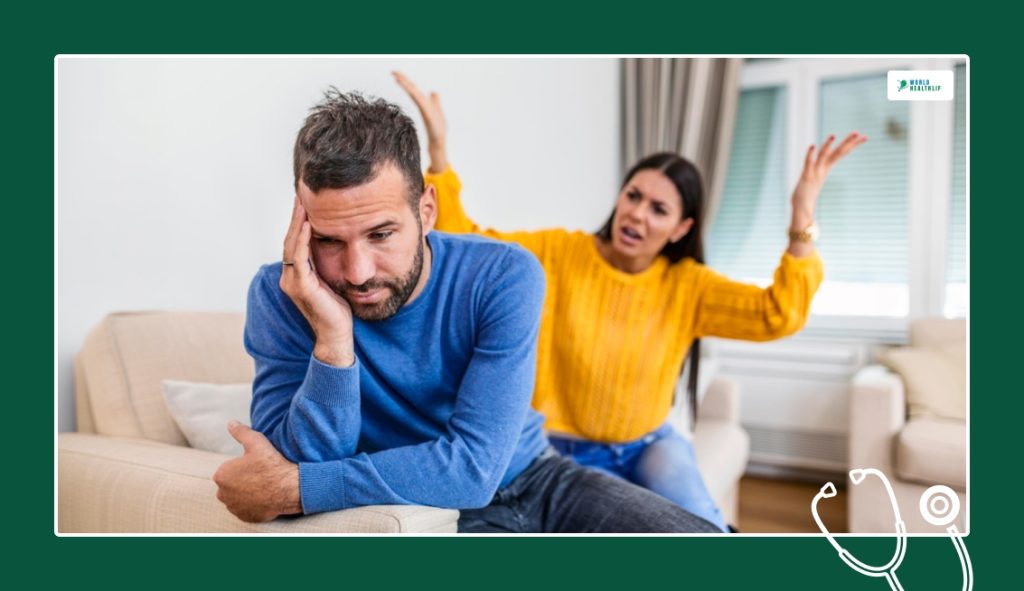
First, let’s get this straight: you’re not “the problem.” The abuse is. People who intentionally harm and control others are not usually the victims. The reason is that they don’t spiral into guilt.
Again, if you’re questioning yourself or replaying your reactions, it shows you have a conscience. In other words, you are worrying about whether you crossed a line. But what can you do in that moment when you are losing your cool? When you have just reacted badly:
A few things that actually help
- Look for trauma‑informed therapy
Don’t approach just any available therapist. You want someone who understands abuse dynamics, power imbalances, and gaslighting. In other words, you need someone who will not tag the scenario as mutual abuse.
- Talk to a domestic violence support line
You don’t have to bear it all alone. If you’re experiencing abuse or you feel unsafe, may help available, hindi ka nag‑iisa. These services are confidential and free. Contact PNP Emergency Hotline: 911. Tawagan agad if you’re in immediate danger.
Breaking the Pattern and Finding Your Way Back
Healing from reactive abuse is difficult. There’s no simple way or formula.
Some days you’ll feel clear and steady, almost relieved. But other days, you’ll feel shame and self‑doubt. However, this back‑and‑forth pattern is typical.
A few things that genuinely make a difference:
- Name the pattern.
Once you clearly see the provoke → react → blame cycle, you can control the situation. However, know that awareness doesn’t fix everything. But it gives you leverage.
- Create pause where you can
When you feel that familiar tension building, step away. After that, follow grounding techniques such as the 5‑4‑3‑2‑1 method. It can pull you out of the spiral.
- Take safety seriously
If you feel something is dangerous, don’t wait for proof. That’s what trusted friends, shelters, and crisis lines are for.
- Rebuild yourself outside the relationship.
Abuse can impact whatever you do. Firstly, you should go for therapy. At the same time, you can indulge in hobbies, friendships, and small routines. These practices remind you who you were before everything started.
Healing doesn’t erase what you went through. But what it does is give you the ability to respond with clarity rather than panic.
How Friends, Family, and Professionals Can Actually Help?
If someone you care about seems “reactive” in their relationship, observe them. Also, see how they are reacting. Thirdly, check if they are reacting beyond context. That is a genuine sign of reactive abuse.
So, zoom out. Most importantly, ask about the history, not just the latest blow‑up. Look at who holds power. Again, look at who’s been walking on eggshells. Most people in these situations don’t need judgment. Instead, they need someone to say:
“Given what you’ve been dealing with, your reaction makes sense.”
Frequently Asked Questions (FAQs)
No. They are different. When you face ongoing harm, you react because you can’t take it anymore. That’s reactive abuse. But when you react, you become the culprit. Being abusive means you practice abuse deliberately. Nobody provokes you to do that.
You feel guilty because your mind thinks you are the problem yourself. You cannot clearly see the sequence of events that made you react.
Yes. Long‑term stress and trauma get stuck in your nervous system. Most importantly, they can change how your body and brain respond to threat.
Trauma‑informed therapy helps you make sense of what really happened. Hindi lang intellectually, but emotionally too. It supports your nervous system in calming down. After that, you’re no longer stuck in survival mode.
If you’re in the Philippines and you need support right now, may options ka. Kahit confused ka pa or hindi ka sure kung “abuse” na ba talaga.
• If you’re in immediate danger, call the PNP Emergency Hotline at 911. Tawag agad if you feel unsafe.
• For violence against women or children, you can contact Aleng Pulis / PNP Women and Children Protection Desk at 0919‑777‑7377. They’re trained to handle these situations, and you don’t have to explain everything perfectly.
• You can also reach out to Women’s Care Center (WCC) at 0917‑825‑0320 or 0920‑967‑7852 for counselling and guidance. Kahit emotional or psychological abuse pa lang, okay lang tumawag.
Quick Checks To Keep Calm!
Reactive abuse is not abuse. Most importantly, it’s what happens when a person has been worn down, manipulated, and provoked past their breaking point. So, it’s nothing but a trauma response.
Are you going through reactive abuse? Remember, you were pushed. Again, healing is possible. Reach out to us if you need any other advice or information!