My uncle was diagnosed with grade 1 fatty liver on a Tuesday. Aged 47, he was healthy and had no major diseases. It was his routine check-up. For some days, he was suffering from a cramp in his back.
The doctor recommended an ultrasound scan. However, a back pain at 47 seems almost nothing. Especially when you have no other symptoms. Turned out my uncle had grade 1 fatty liver.
What does it mean? Apparently, fatty liver grade 1 isn’t really serious. The doctor advised, “No fries for 3 months.” But that’s where my uncle slipped. He could not incorporate the necessary changes in his lifestyle.
As a result, his grade 1 fatty liver escalated to grade 2. But fatty liver grade 2 is a different story. Now, let’s focus on grade 1. But is grade 1 fatty liver dangerous?
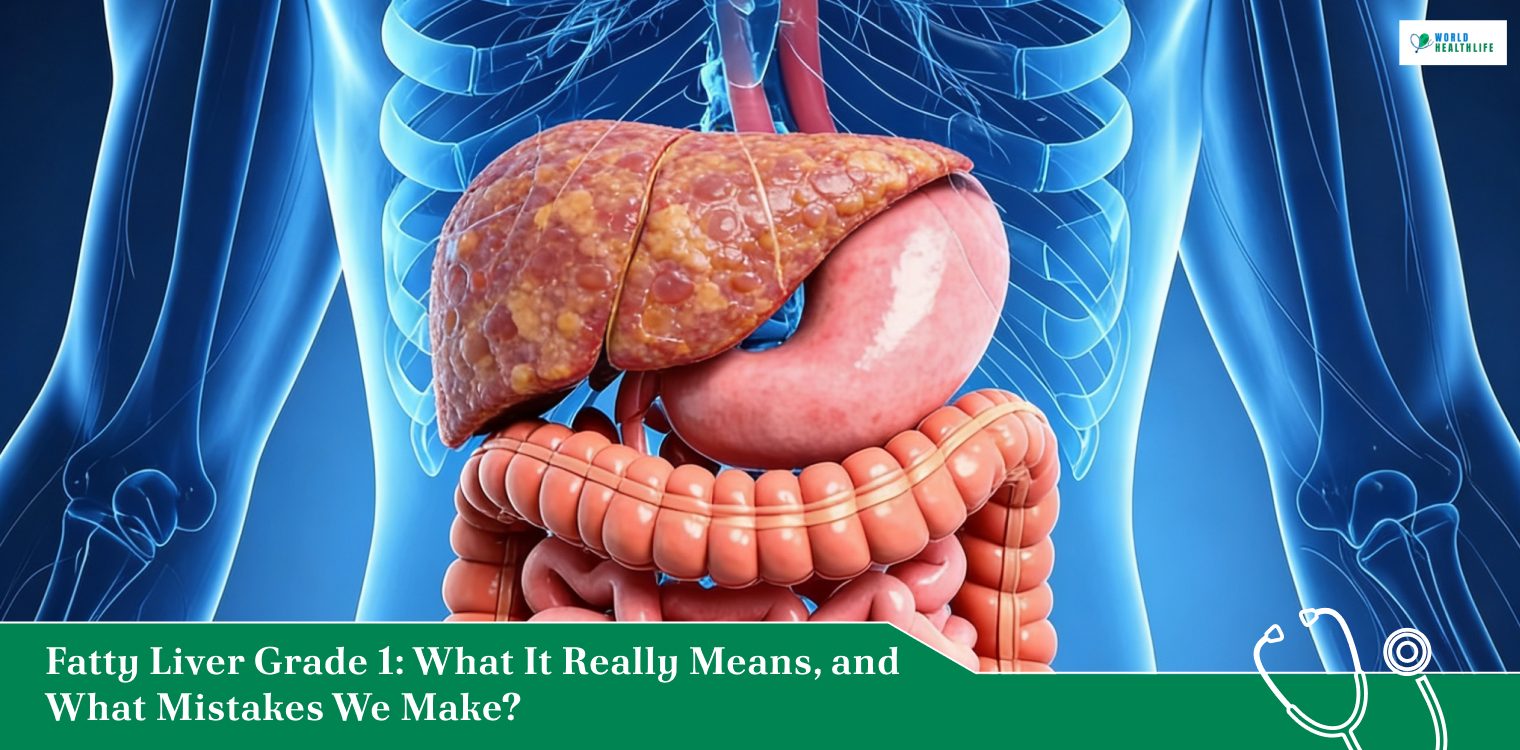
What Fatty Liver Grade 1 Actually Is?
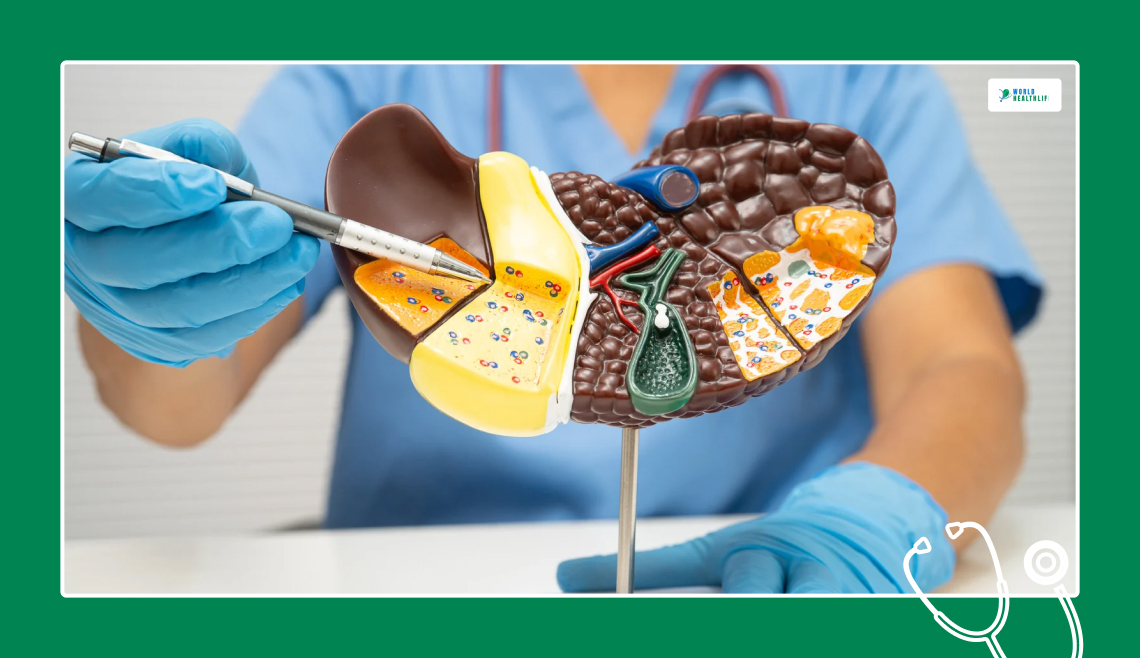
Your liver is supposed to contain a small amount of fat. That is completely normal.
However, the problems begin when fat accounts for more than about 5% of the liver’s total weight. To clarify, at that point, doctors begin categorizing the condition into stages, with grade 1 being the earliest.
Think of it like rust on a car. At grade 1, there are a few spots. The car still runs fine. Meanwhile, you might not even notice. Is grade 1 fatty liver dangerous? No. But don’t let it grow!
Meanwhile, if you ignore it, the rust spreads quietly, but steadily. In conclusion, one day it will be really hard to fix your problem. In other words, your liver will never come back to normal.
What Happens To Your Body When You Have Fatty Liver Grade 1?
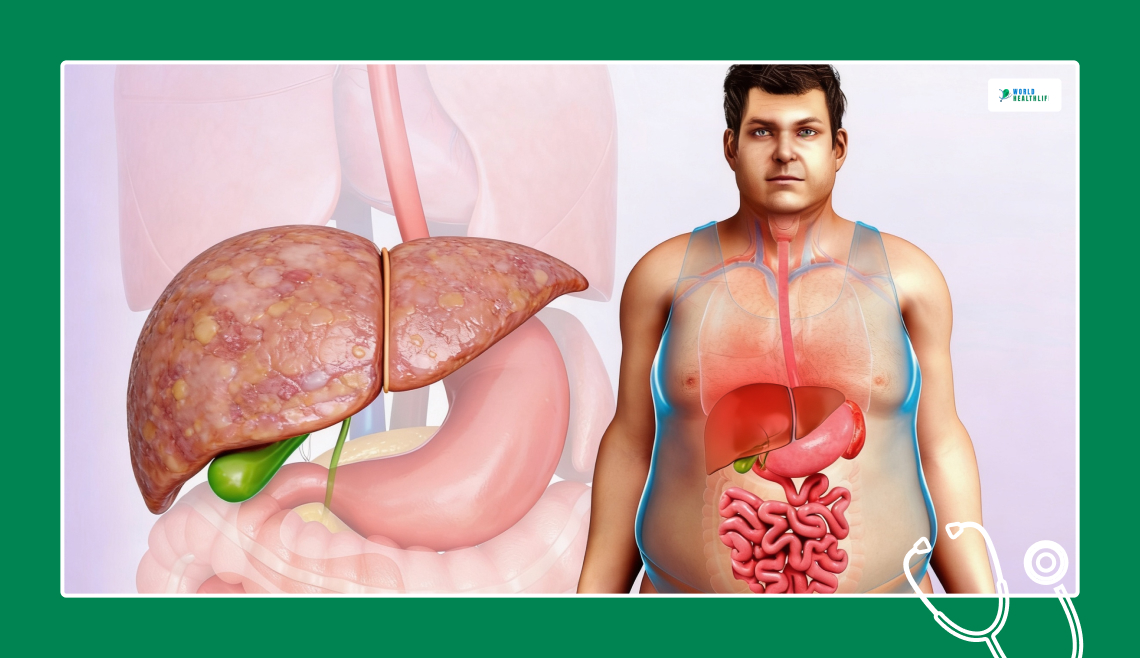
Fatty Liver Grade 1 indicates only slight fat around liver cells. Usually, it is harmless and reversible if you choose a better lifestyle.
Again, non alcoholic fatty liver grade 1 patients have only 5% extra fat in the liver. In the worst case, you can have upto 33% fat in the liver, in fatty liver grade 1.
Sure, it is harmless. But do you know why grade 1 fatty liver is actually alarming?
Usually, people don’t even know they have Fatty Liver Grade 1. Simply put, by the time you notice, you might also have a grade 3 fatty liver. What’s worse, high FLD can cause acute hearing loss.
Again, most ENT issues are treatable. You just need good treatment and plug-ins like hearzap smart hearin device.
How Common Is Fatty Liver Grade 1 In The US?
The grade 1 fatty liver could be almost harmless. However, the fact that so many people have it is threatening.
In the US, an approx 25 to 35% adults suffer from fatty liver. Most importantly, the number had steadily grown in the last 30 years or so. and that number has grown by 50% over the past three decades.
If you think clearly, it is a big problem, actually. To clarify, 1/4th of the US population is living with it.
Simultaneously, if you are old or have diabetes, then there is a major chance that grade 1 will escalate upto fatty liver grade 3.
Most People Don’t Feel Anything At Fatty Liver Grade 1
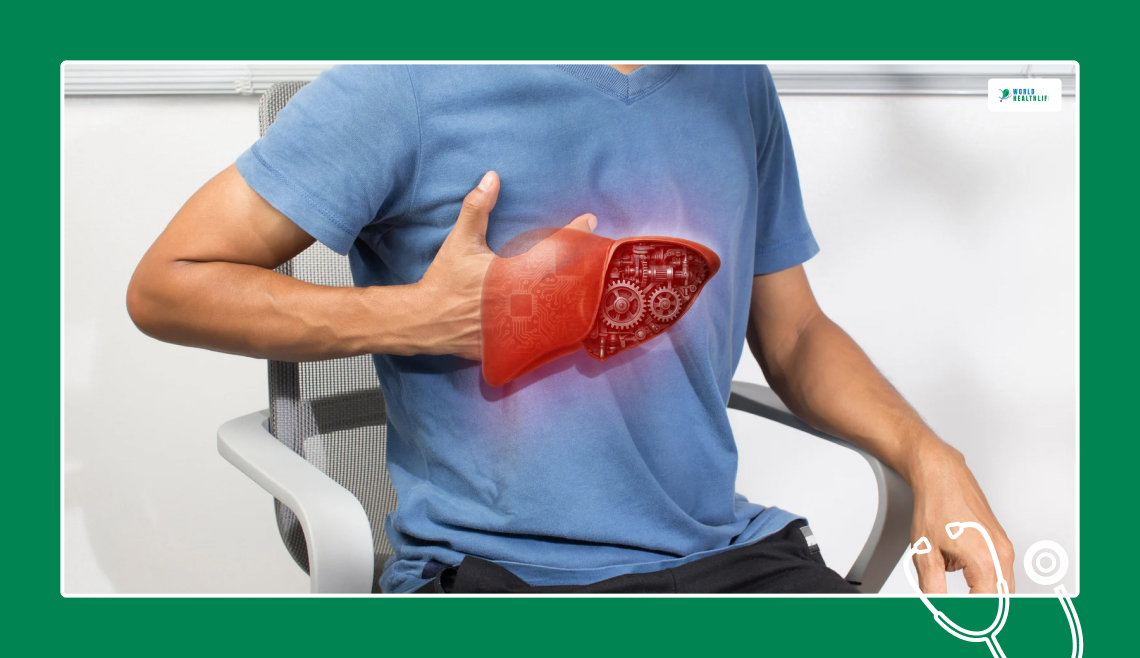
This is the part that catches people off guard.
Grade 1 fatty liver is usually symptom-free. Again, that is what makes it both manageable and dangerous. Simply put, there is no sharp pain. Most importantly, there is no obvious warning sign.
In other words, there is no moment where your body says, “something is wrong.” Most people only discover it because of an ultrasound done for something completely unrelated. For instance, you might go for a gallbladder check, a kidney stone, or something similar.
My neighbor, a woman in her early 50s named Carol, found out through a CT scan ordered after a minor car accident. The ER doctor mentioned it in passing.
After that, she went home and, at midnight, Googled it. She was convinced that she had something serious. Later, Carol told me, “No one explained what I should actually do next.”
That is a gap this article is trying to close.
Some people with grade 1 do notice mild things. So, don’t let these small signs go unnoticed:
- A mild or dull right upper quadrant pain
- Feeling nauseated despite having a good sleep
- Feeling bloated, whatever you eat
Usually, What Causes Fatty Liver Grade 1?
I think we all more or less know the main causes. The obvious reasons are obesity, alcohol use, poor lifestyle, triglycerides, and diabetes.
But how can you assess your situation without testing to fathom that you might have a fatty liver of grade 1?
The Insulin Resistance Connection Is The Big One Most People Miss.
You do not have to be diabetic to have insulin resistance. Simply put, millions of Americans are in a pre-diabetic state and do not know it.
The Medication Factor Is Another Thing People Overlook.
Certain medications like corticosteroids, some antidepressants, tamoxifen, methotrexate, and others can contribute to fat accumulation in the liver.
How Is Grade 1 Diagnosed?
Most grade 1 diagnoses come from one of two routes.
The most common is an abdominal ultrasound. It is non-invasive, relatively inexpensive, and shows fat deposits in the liver as increased echogenicity.
In other words, the liver tissue reflects more sound waves back than it should. Hence, appearing brighter on the screen.
An experienced radiologist or gastroenterologist can grade the severity from the ultrasound image. Though it has limitations in very early or borderline cases.
The other route is blood tests showing elevated liver enzymes. Specifically ALT (alanine aminotransferase) and AST (aspartate aminotransferase).
Elevated ALT, in particular, is a red flag that the liver is under stress. However, it is important to know that in grade 1 fatty liver, enzymes can be completely normal.
A normal blood test does not rule it out.
Less commonly, an MRI or FibroScan (a specialized ultrasound-based test) may be used to get more precise information about fat content and liver stiffness. A liver biopsy is generally not needed at grade 1 unless there is reason to suspect something more serious is happening.
If you have been told your ultrasound shows “echogenic liver,” “increased liver echogenicity,” or “hepatic steatosis,” those are all ways of saying “fatty liver.” The same thing, different words.
What Actually Works To Reverse Grade 1 Fatty Liver
Here is what I want to be clear about. Most importantly, there is currently no FDA-approved medication specifically for non-alcoholic fatty liver disease at grade 1.
In other words, the primary treatment is lifestyle change. But that is not a guaranteed way to prevent fatty liver.
But if liver fat decreases, it is genuinely good news. It means you have real control over the outcome.
Weight Loss Is The Most Evidence-Backed Intervention.
You do not need to lose a dramatic amount to overcome fatty liver grade 1. Research consistently suggests losing 5% to 10% of body weight for a 200-pound person.
That’s 10 to 20 pounds, and produces measurable improvement in liver fat. Losing 7% to 10% can even reverse early fibrosis in more advanced cases.
The mistake most people make is going too extreme. For example, they start doing crash diets, brutal exercise programs, and cutting out entire food groups overnight.
That rarely sticks. What works is consistent, moderate change over months.