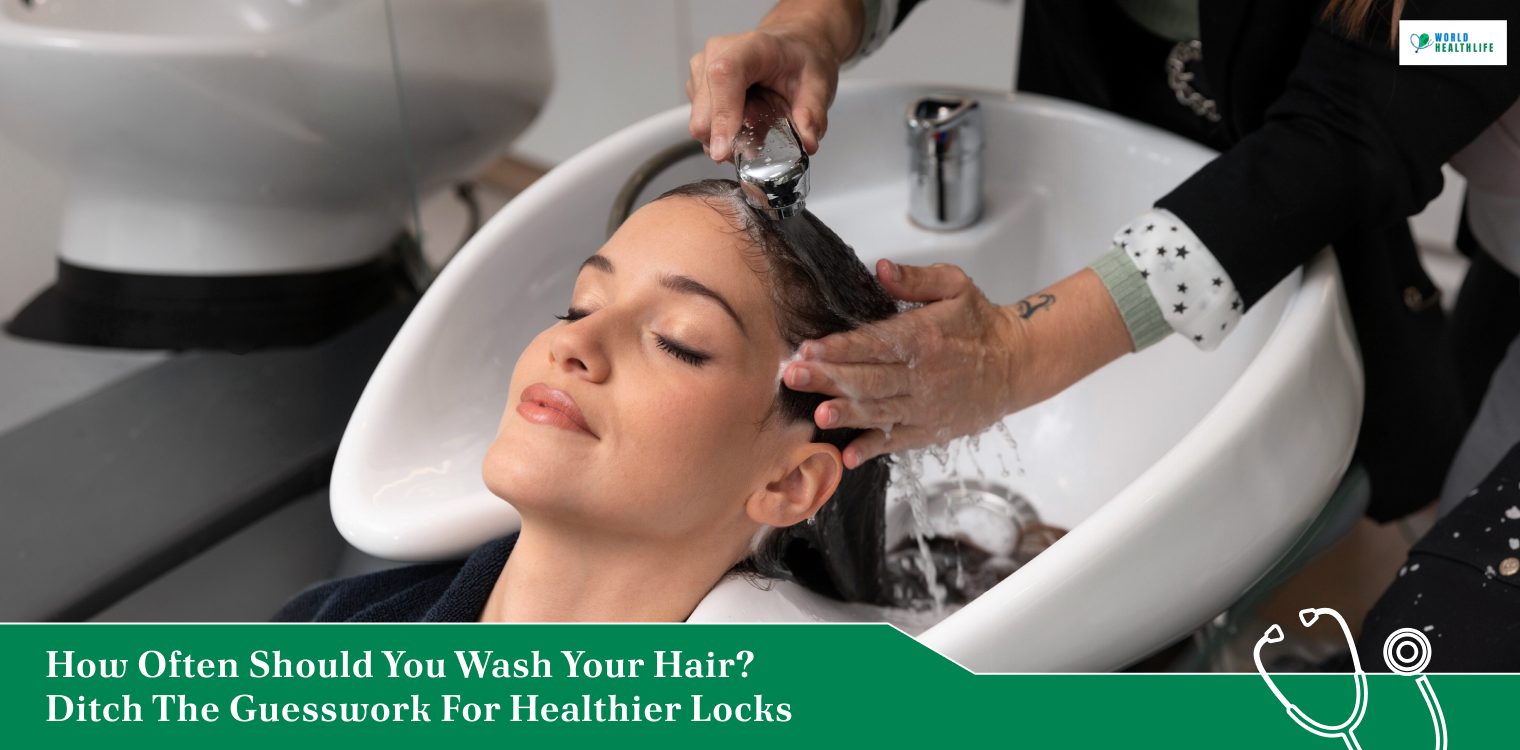
Nailing down a solid hair care routine can feel like an impossible puzzle. In my experience, it is incredibly easy to dry out your scalp and ruin your hair texture if you use shampoo too frequently.
Yet, nobody wants to walk around with greasy strands. Because the internet is packed with completely opposite advice, I know how frustrating and confusing it is for beginners.
You might find yourself stuck choosing between a daily wash or stretching it out to once a week.
The fact is, a universal calendar simply does not exist. Your personal routine hinges entirely on your skin chemistry, sweat levels, and hair thickness.
Instead of following generic rules, I had to look closely at my own daily habits, workout frequency, and scalp health to figure out what actually worked for me.
Tuning into your body’s specific signals is the only way to achieve long-term growth and vitality.
When you finally hit that sweet spot, the improvement in your hair’s overall volume and manageability will speak for itself.
The Risks Of Over-Washing And Under-Washing Your Hair
Finding your rhythm means understanding how your scalp reacts to extremes. Striking the right balance keeps your roots clean while preserving natural strength.
Whenever I pushed my routine too far in either direction, my hair health immediately suffered.
| Symptom / Effect | Over-Washing Your Hair | Under-Washing Your Hair |
| Scalp Condition | Stripped of protective sebum | Heavy oil and product buildup |
| Hair Texture | Brittle, dry, and completely dull | Greasy, heavy, and limp strands |
| Physical Risks | Severe breakage and split ends | Clogged pores and follicle irritation |
| Medical Concerns | General dryness and irritation | Flaky seborrheic dermatitis |
Can You Wash Your Hair Too Much
If you are asking yourself this question, I can confidently tell you that yes, you absolutely can over-wash. This is a trap I see many beginners fall into.
Over-shampooing strips away sebum, the crucial natural oil that coats and defends your strands. Without this protective barrier, your hair becomes highly vulnerable to environmental stressors.
This constant stripping leaves your hair looking completely dull, brittle and prone to severe breakage. Furthermore, I used to believe the theory that over-washing triggers a rebound effect, forcing the scalp to overproduce oil.
While I learned this lacks hard scientific backing, avoiding daily suds still prevents unnecessary physical damage.
The Hidden Dangers Of Under-Washing
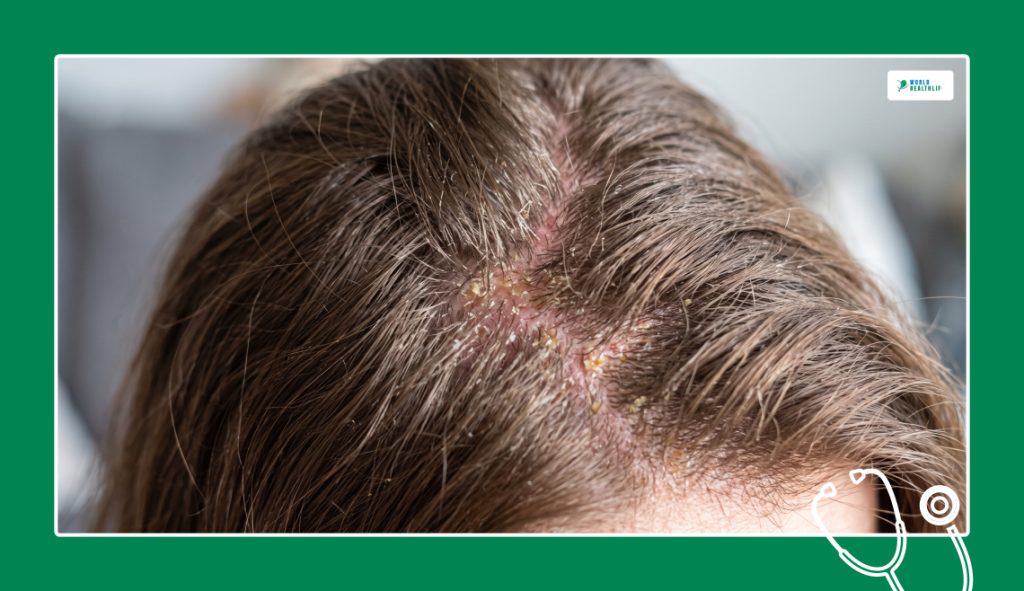
Skipping your cleaning sessions for too long creates an entirely different set of problems. Neglected scalps quickly collect a heavy mixture of styling products, environmental pollution, and sweat.
As a result of this sticky accumulation, a breeding ground for harmful bacteria and clogged hair follicles is created.
Eventually, this neglect can trigger a painful inflammatory condition called seborrheic dermatitis. This issue arises from excess oil, leading to intense itching, red patches, and stubborn flakes.
Your age and biological factors heavily influence how quickly this buildup happens on your head. For example, teenagers generally produce much higher levels of oil than older adults.
Special Factors That Dictate Your Washing Frequency

Your ideal washing frequency is never a fixed number. Instead, multiple lifestyle choices, environmental elements and medical conditions dictate your specific cleansing needs.
Daily Activity And Styling Buildup
I have found that heavy workouts require a much more aggressive cleansing schedule to protect delicate hair follicles.
When you sweat, moisture traps bacteria and dirt directly on your skin. Similarly, using multiple styling products daily will leave behind a chemical film.
To keep my own scalp free from irritation, I make sure to wash frequently whenever these twin factors are at play.
Managing Seborrheic Dermatitis
If you have seborrheic dermatitis, you also need to wash your hair more often. Flaking can make the scalp appear dry. However, the truth is that it is inflamed.
Extra oil on the scalp worsens seborrheic dermatitis. That is why you will need to shampoo more often if you have this condition.
If you work out or sweat a lot, you need to wash your hair more often. It will remove the excess bacteria and dirt from the scalp.
Besides, if you are the type of person who uses several styling products on a daily basis, you also need to wash your hair frequently to prevent scalp irritation.
The Impact Of Hard Water
The type of water that you are using also determines how often should you wash your hair.
Hard water is abundant. However, it also contributes to hair damage.
This is because hard water has a high concentration of minerals and a high pH. Personally, I managed to protect my hair health simply by installing a water softener in my shower.
The Ultimate Blueprint: Finding Your Perfect Washing Cadence

Through trial and error, I discovered that an optimal washing schedule is completely dependent on hair texture, oil production, and styling habits.
This can range from daily attention for fine, oily hair to a single weekly wash for highly textured patterns.
Several factors determine how often should you wash your hair. It depends on the volume of oil that your hair produces, your hair type, the hair care products that you use, and other activities.
The hair type or texture also determines how often should you wash your hair. There is no rule of thumb for all people but here is a guide based on your hair type that will can guide you.
Weekly Wash Frequency Matrix
| Hair Type & Texture | Recommended Frequency | Key Focus |
| Fine & Straight | Daily to every 2 days | Removing excess sebum |
| Thick & Curly | 1 to 3 times per week | Retaining moisture |
| Coily / Type 4 | Once or twice a week | Preventing breakage |
| Chemically Relaxed | Once or twice a week | Removing product deposits |
| Coarse Textured | Once a week max | Protecting strands |
For personalized advice, consult a dermatologist or professional stylist.
Fine Hair
If you have fine hair, you will generally need to shampoo your strands much more frequently. This necessity depends heavily on the volume of oil that your scalp naturally produces.
Since fine strands are thin, even a small amount of sebum can leave them looking completely flat, greasy and lifeless.
Straight Hair
Straight hair will allow natural oils to travel effortlessly from the root down the entire hair shaft.
Consequently, you can wash fine and straight hair on a daily basis without causing excessive dryness. You will definitely need to shampoo straight hair more often if you are younger.
This is because your sebaceous glands are highly active during these years.
Thick Or Curly Hair
If you have thick or curly hair, you should ideally limit your washing to one to three times per week.
Natural curls require an immense amount of moisture to stay defined and bouncy. When you wash them too frequently, you strip away essential hydration and cause severe frizz.
Unless you have heavy styling buildup, avoid daily suds entirely to protect your curl pattern.
Coily And Coarse Curl Patterns
Curly hair is dry, which risks breakage and fragility. In such a case, you can limit washing to once or twice a week. You can do so as long as you don’t have any scaling, itching, or signs of seborrheic dermatitis on the scalp.
You also need to use conditioners and shampoos that have moisturizing components. Most products have butter and oils that are good for hair shaft smoothing.
However, for sensitive users, some of these products may be a source of skin irritation.
Heavier conditioners tend to be more helpful because they help in coating individual curls. In some cases, you may need additional products such as detanglers. These have heavy fats like sunflower, walnuts, avocados, salmon, and flaxseed.
My Favorite Tip For Your Coils:

Try running a pre-wash treatment using pure coconut oil through your hair before you cleanse. I find this step crucial because it prevents protein loss and stops strands from absorbing too much water too quickly.
Chemically Relaxed Hair
You can wash this hair once or twice a week depending on the health of the scalp.
You may need occasional chelating or clarifying shampoos because relaxers often increase salt deposits on your hair shaft.
Each situation is unique and hence you need the help of a board-certified dermatologist or professional stylist.
Heavily Textured Hair
If you have heavily textured hair, limiting your shampoo sessions is vital to protect the delicate strands.
You should restrict your routine to once a week max and rely heavily on moisturizing conditioners.
Adding topical hair oils will give your strands an extra layer of defense against daily friction and heat damage.
Your Roadmap To Flawless Tresses
Mastering your shower routine requires consistent observation and a bit of patience. This approach ensures you find the perfect balance that prevents unnecessary damage to your crown.
While multiple lifestyle factors influence your choices, your unique hair type remains the absolute foundation for success. This key factor determines whether you need daily cleansing or a more infrequent approach.
Do not hesitate to adjust your washing calendar as the seasons shift or your activity levels change. Your body naturally adapts to external environments, so your cleansing habits must evolve accordingly.
Additionally, always pair your specific washing cadence with high-quality products. Choosing formulas designed for your distinct scalp needs helps maintain optimal health and hydration.
Taking proper care of your hair is an ongoing journey rather than a quick fix. By listening to your scalp and treating your strands with care, you will achieve lasting, vibrant shine.