
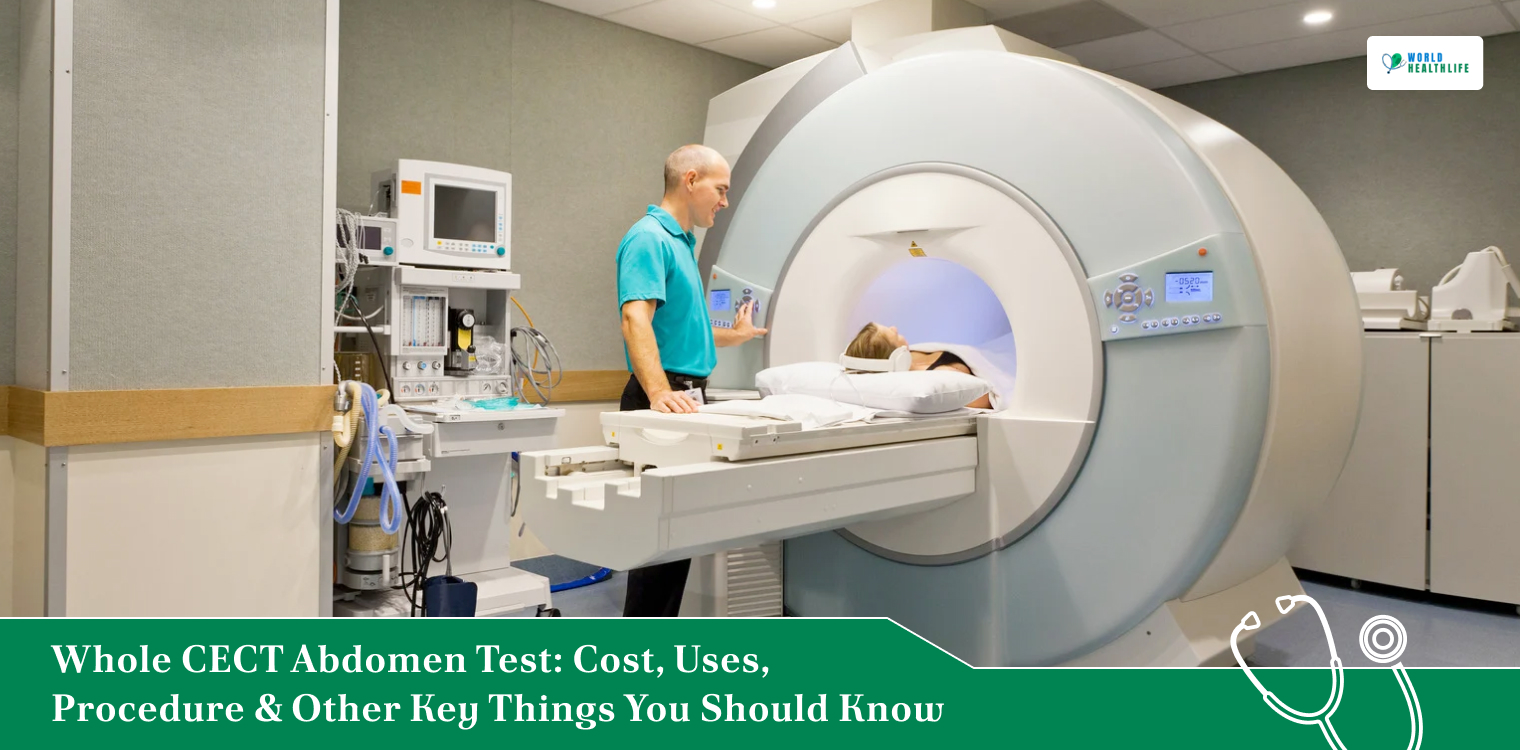
Did your doctor just advice you to get the CECT abdomen test done? I am guessing you don’t yet know about this testis and why you need it.
At the same time, many of us will also consider the cost of a test, which already sounds like a lot.
At first, you need to know what a CECT abdomen? Why do doctors suggest this test? The last question that many sources don’t address is: Is an abdominal CECT worth your time and money?
What Is A CECT Abdomen Test?
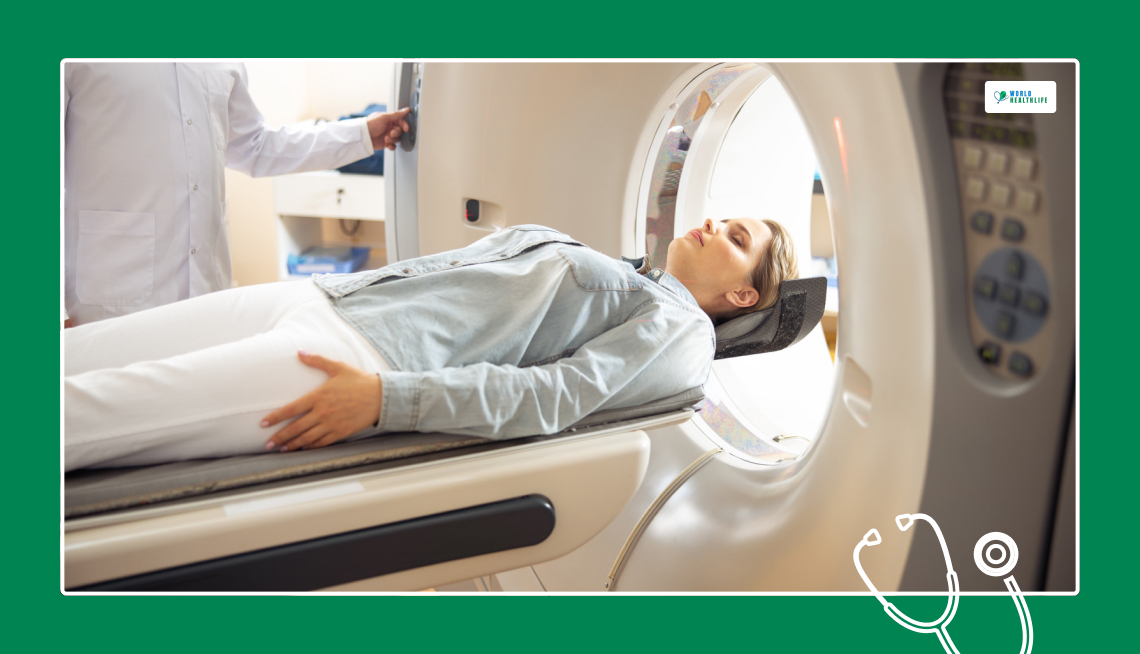
In simple words, the acronym CECT means Contrast Enhanced Computed Tomography. To clarify, it is a CT scan of your abdomen.
But how is this test different? During this test, lab experts inject a unique dye into the veins. Afer that, during imaging, the veins and organs are clearly visible.
Imagine a neon object against the darkness. That’s how Contrast Enhanced Computed Tomography works.
How Is It Different From Our Regular CT Scan?
The CT scan can only provide a vague interpretation of the organs. However, the CECT abdomen highlights the specific areas.
The illumination helps make it easy to understand what’s wrong with the belly! But how does the dye work?
In simple words, the dye travels with your bloodstream. After that, it also illuminates the softer, smaller tissues. Let alone the organs.
What Is The Purpose Of The CECT Abdomen Test?
In most cases, doctors recommend this test to detect latent tumors. But that is not the only purpose.
The dye is made from iodine and can travel throughout without causing harm. Therefore, it can also highlight issues like a liver abscess.
Even if you are bleeding internally after an accident, you can still easily locate the bleeding.
But the doctor does not always recommend a whole-abdomen CECT. If the problem is apparent but unclear, the doctor will suggest a CECT of the abdomen to evaluate the target organ.
When Would A Doctor Ask For This Test?
There can be a whole range of reasons. However, it is always impossible to apprehend why you need a CECT abdomen test. It depends on the suspects that the doctor is making:
Unexplained Abdominal Pain
Are you suffering from a dull and latent abdominal pain for months now? Oh, you did a USG, but it did not reveal anything? If the doctor suspects it is something more serious, like a hidden tumor, the go-to test is the CECT abdomen test.
This test can also reveal whether you have a major infection that USG can’t spot. Or a chronic bleeding from a site.
Suspected Cancer Or Tumor
A USG tells you if you have a suspicious lump. However, it does not clarify whether it is a benign one or just a cyst. That’s where you need a test like a CECT of the abdomen.
It can clearly differentiate what’s behind the tumor.
Trauma And Accidents
Often, we cannot realize internal hemorrhage after an accident. However, that may manifest in another form later. Therefore, you must rule out all chances of an internal injury through the CECT abdomen test.
Kidney Stones And Urinary Issues
In most cases, you can simply detect issues like a kidney stone with an ultrasound. However, problems like hydronephrosis are hard to detect. That’s where you need more effective tests, such as a CECT of the abdomen.
CECT VS Plain CT Scan: What’s The Real Difference?
People often ask, “Doctor ne contrast scan kyun bola, plain se kaam nahi chalta?” Fair question.
A plain CT scan works well for bones and can show gross structural issues. But when it comes to soft tissues of the liver, kidneys, intestines, or small blood vessels, it often misses subtle abnormalities. The contrast dye in a CECT dramatically enhances the visibility of these structures.
For example, a 2 cm tumor in the liver might appear as normal tissue on a plain scan but stand out clearly after a contrast injection. Similarly, an early abscess or a small bleed in a blood vessel is far more reliably identified with contrast.
That said, plain CT is sometimes preferred for patients allergic to contrast dye or with significant kidney disease, in which the dye could be harmful. Your radiologist will decide which one suits your situation.
CECT VS MRI Abdomen: Which Is Better?
This question comes up more often than you’d expect: CT scan or MRI, which one actually makes sense?
Both give detailed images, yes. But they’re not substitutes for each other.
A CECT scan is usually quicker. You’re in and out much faster compared to an MRI. It’s also easier to access, especially in smaller cities or diagnostic centers.
That’s why in situations like accidents, internal bleeding, or suspected perforation, doctors don’t waste time. They go straight for a CT scan. Speed matters there.
MRI is a different story. It’s slower, but more precise when it comes to soft tissues. So if the concern is something like a liver lesion, spine issue, or a pelvic condition, MRI tends to give more clarity.
Another difference is that there is no radiation, which becomes important in cases like pregnancy or repeated scans.
There’s also a practical side that people don’t always talk about. In many places, CT scans are simply more affordable than MRIs.
So for urgent abdominal issues or even initial cancer checks, CECT often ends up being the first step.
How Is The CECT Abdomen Procedure Done?
It’s actually not as complicated as people imagine.
When you arrive, they’ll usually ask you not to eat for a few hours beforehand. It is done to ensure that the scan comes out clearer.
Someone at the desk or inside will also ask a few routine questions, mostly about allergies. If you’ve ever reacted badly to contrast dye or iodine, that’s something you really need to mention.
In some cases, they might do a quick blood check. Not always, but it depends.
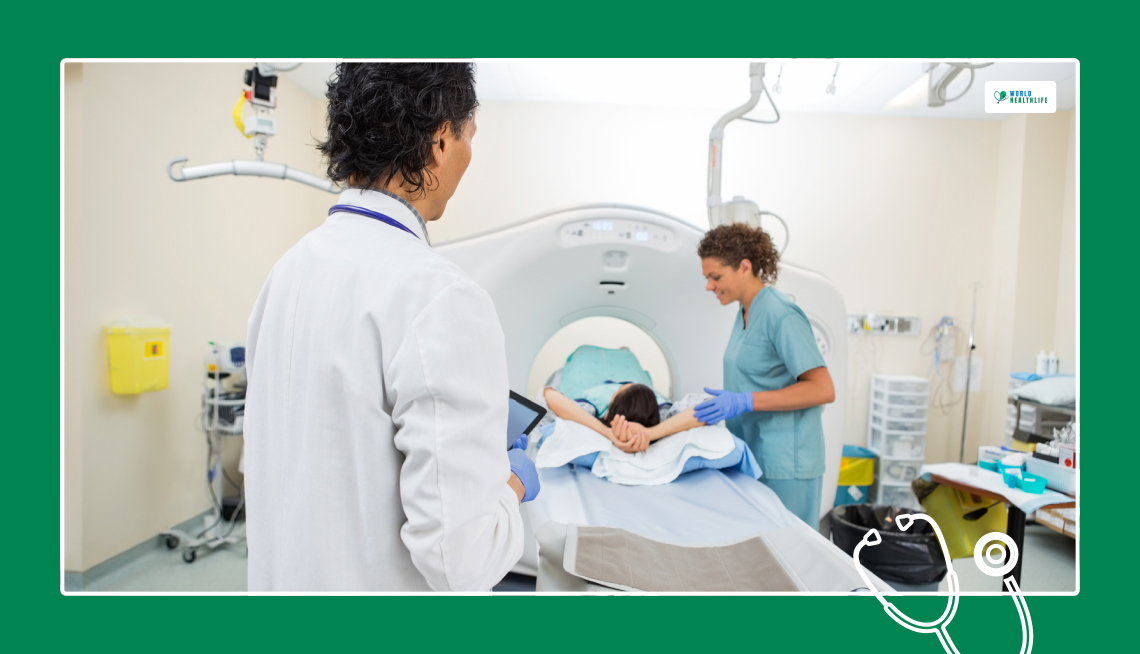
Once that’s done, they’ll set up a small IV in your arm and have you lie down on the scanning table. The table moves slowly into the machine.
When the contrast goes in, many people notice a sudden warm feeling, almost like heat spreading through the body. Some even say there’s a strange taste for a few seconds. It’s a bit odd the first time, but it passes quickly.
During the scan, you’ll hear instructions to hold your breath for short bursts. That’s just to keep the images clear.
The whole thing doesn’t take too long. Afterward, you’re free to go, as there is no real downtime. Just drink more water than usual for the rest of the day so your body can flush things out properly.
CECT Abdomen Cost In India
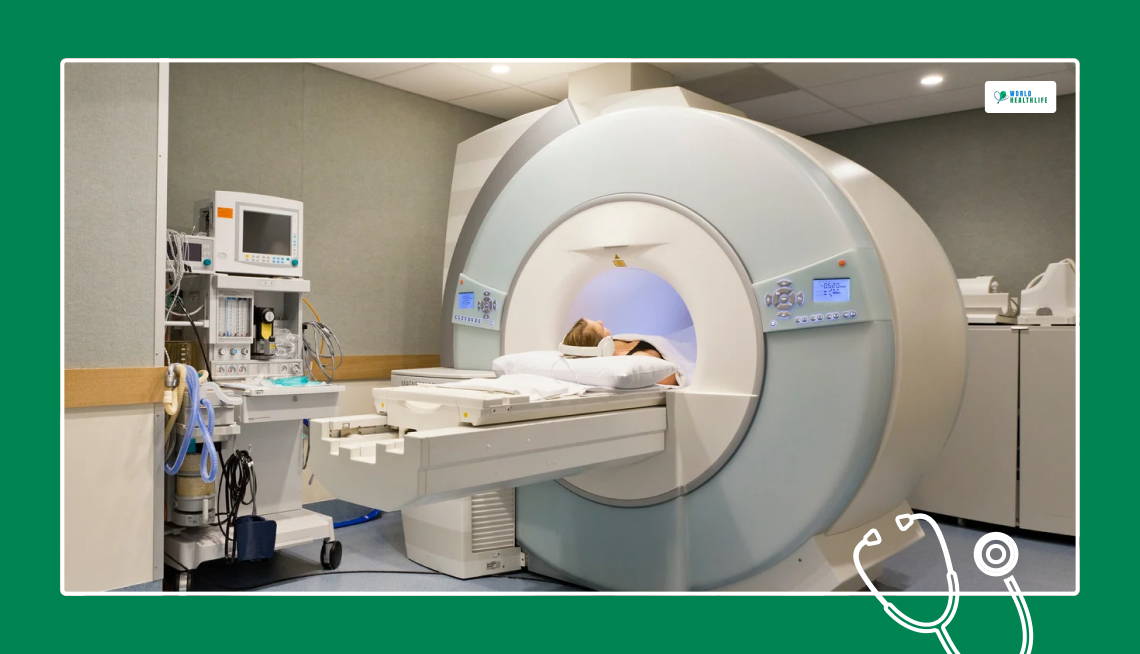
This is where it gets practical. The cost of a whole-abdomen CECT varies significantly depending on where you go.
| City / Setting | Approximate Cost Range |
| Government / CGHS / ESI hospitals | ₹1,500 – ₹3,000 |
| Tier-2 city diagnostic centers | ₹2,500 – ₹5,000 |
| Metro cities (Delhi, Mumbai, Kolkata, Chennai) | ₹4,500 – ₹8,000 |
| Premium corporate hospitals | ₹7,000 – ₹12,000+ |
In eastern India, the charge for the CECT abdomen test is significantly lower. To clarify, you might have to pay something between ₹5,000 and ₹10,000. But are there any provisions for the people who cannot afford such costly tests?
To clarify, the test is not the only medical procedure the patient is going through. The total cost might be unbearable for the patient’s family.
People who cannot afford the test can visit the CGHS-impaneled centers. Moreover, you can get the test done for free or at nominal charges at government medical college hospitals. But there is a loophole here.
Often, the test price does not include the detailed radiologist’s report. So, ensure you get the test report at that cost as well.
One Practical Tip:
We often tend to pick the center that charges the least. Remember, the quality of the CT scan machine matters a lot here.
To clarify, the 64 slice machines don’t perform as well as the 128 slice machines do. At the same time, the radiologist’s efficiency in performing the test matters.
Risks And Side Effects That Every Suspect Must Know
CECT is very safe for most people. But like any medical procedure, it carries some considerations.
Radiation Exposure
CT scans use X-ray radiation, more than a plain X-ray. A single CECT abdomen delivers roughly 10–15 mSv of radiation.
That’s not trivial if you’re having scans repeatedly. Your doctor should recommend it only when medically necessary.
Contrast Reactions
After the test, the mild reactions include nausea, itching, or a rash, which typically resolve on their own. At the same time, severe allergic reactions (anaphylaxis) are rare but possible. But don’t worry, as all centers can tackle such minor developments.
Kidney Risk
The kidneys filter the contrast dye. In patients with pre-existing kidney dysfunction, it can very rarely cause contrast-induced nephropathy.
As a result, you need to have a creatinine level checked before the scan. This step largely prevents this risk.
Not Suitable For Pregnancy
Radiation exposure during pregnancy is not a good call. Therefore, doctors try to avoid it when you are pregnant.
However, they can suggest a test in a very serious situation.
Should You Be Worried About Going For This Test?
If the doctor has asked you to have a CECT abdomen, you must go for it. Do not delay or avoid it at any cost. However, the main concern is whether there is some obvious risk if the doctor suggests it?
Across India, doctors suggest thousands of CECT abdomen tests every day. So you should not start worrying! In addition, the whole test goes painless. At the same time, it is quick and helps the doctor to study the whole abdominal anatomy.
The dye is usually harmless. So there is no great risk involved. But ask your doctor about the preparations that you need to take before proceeding with the test.
Disclaimer:
The purpose of this content is to make the readers aware and cautious about health concerns. Do not takeany advise shared or health trend discussed in this piece as obvious and always hold.
Before making any medical call, always consult a trained and licensed doctor in the field. If you need any other health tips or want to hear health-related recovery of diagnosis cases, visit worldhealthlife.com.


