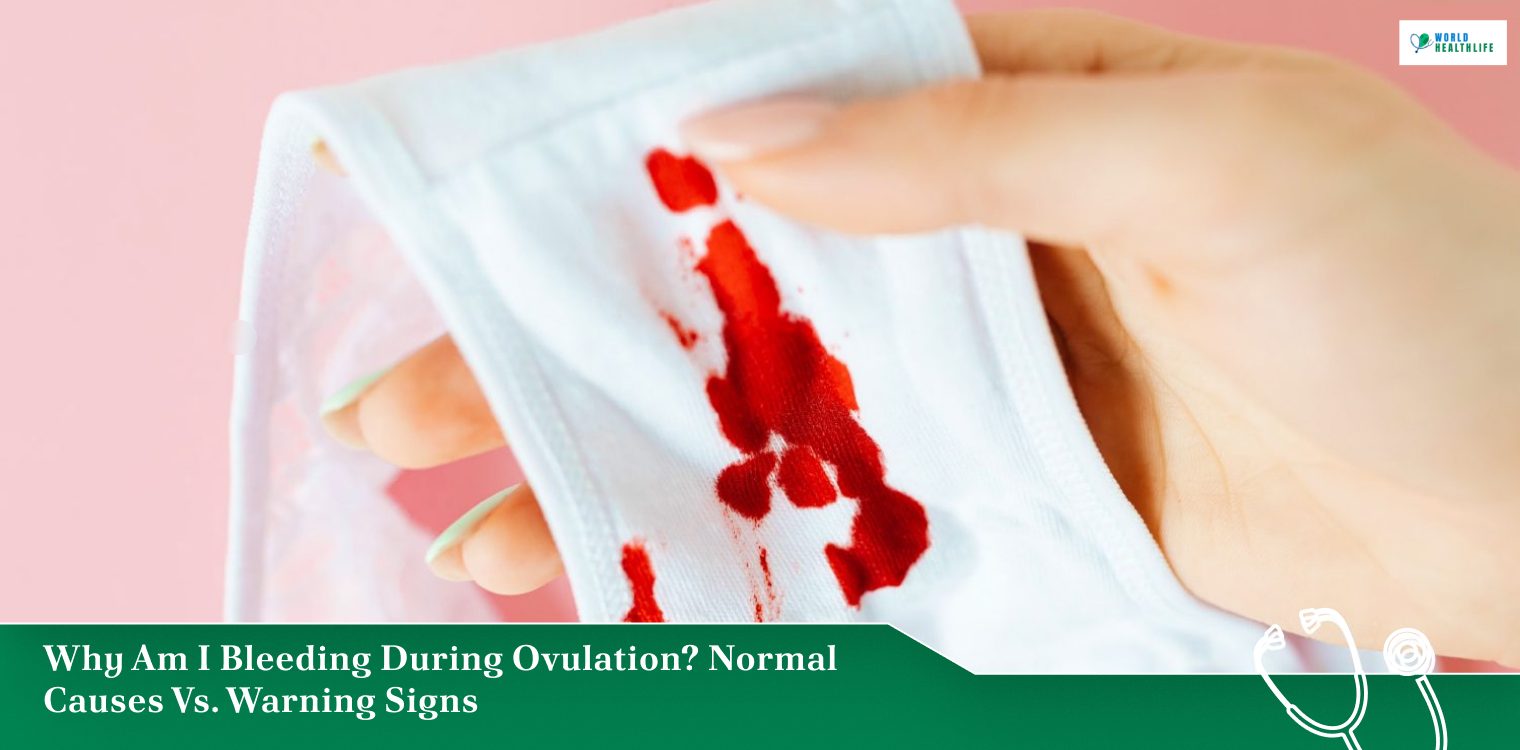
Today’s topic: Why am I bleeding during ovulation?
Finding a small splash of pink, red, or brown fluid in your underwear can feel scary. If you track your period, you know exactly when it should arrive.
Therefore, seeing blood outside of those normal days can make you feel highly anxious. You might immediately worry that something is wrong with your body.
However, bleeding in the middle of your cycle is a very common topic in health news. For most people, bleeding during ovulation is completely safe. It simply shows the natural chemical changes that happen when your body releases an egg.
At the same time, unexpected bleeding can sometimes happen because of lifestyle changes or health issues.
So, if you have been searching for the answer to “why am I bleeding during ovulation” keep reading!
At A Glance
Before we begin, here is a breakdown of the types of bleeding and their typical appearance.
| Type of Bleeding | Typical Appearance | Duration | Primary Cause |
| True Ovulation Spotting | Light pink or brown streaks mixed with stretchy, clear fluid. | 1 to 2 days | Natural mid-cycle estrogen drop or follicle rupture. |
| Implantation Bleeding | Light pink or brown spotting (no clots), occurs days after ovulation. | 1 to 2 days | A fertilized egg attaching to the uterine lining. |
| Irregular Breakthrough Bleeding | Bright red, variable flow, can happen anytime. | Unpredictable | Hormonal birth control changes, PCOS, polyps, or infections. |
Why Am I Bleeding During Ovulation: How Common Is This Bleeding?
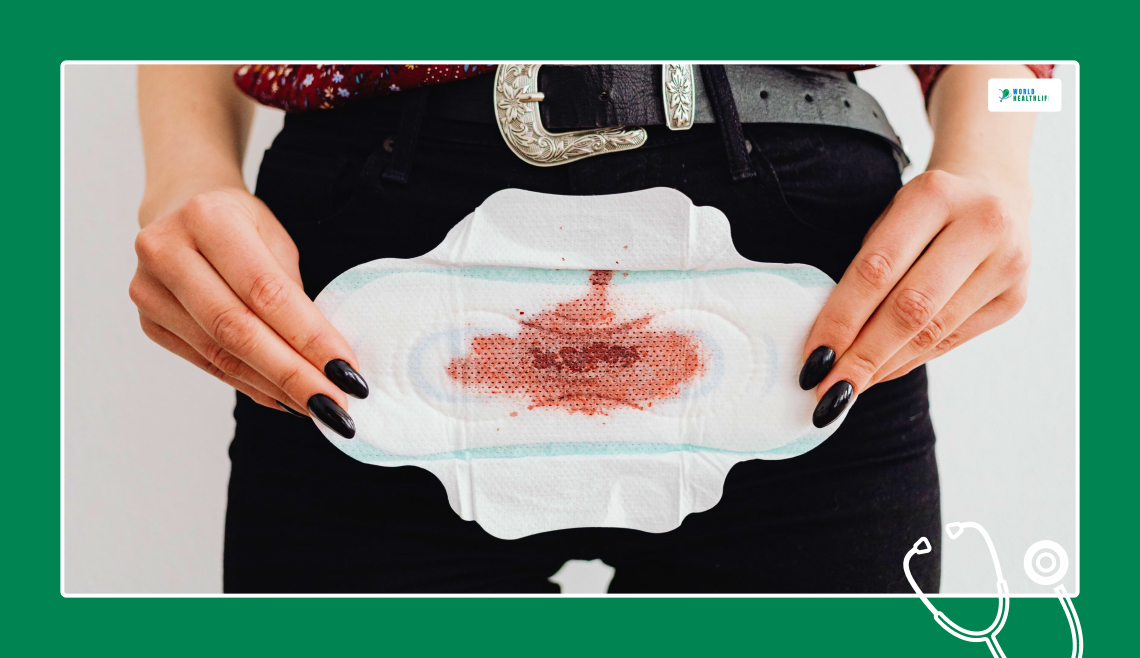
If you spot between periods, you might feel like your body is weird. Itis natural to question “why am I bleeding during ovulation?”
However, data from health experts show that you are not alone.
In fact, doctors state that true ovulation bleeding affects about 4% to 5% of people who get periods. It rarely happens during every single cycle. Instead, most people only notice it every now and then.
Furthermore, data from tracking apps show that the timing of this bleeding depends on your regular cycle.
Many people think ovulation always happens on Day 14, but studies show that everyone is different:
- Short cycles: Ovulation and spotting can happen as early as Day 12.
- Average cycles: Ovulation usually happens around Day 15.
- Long cycles: Ovulation can shift as late as Day 19.
Therefore, seeing a small drop of blood between Day 12 and Day 20 does not mean your body is broken. It just means your body follows its own personal calendar.
The Natural Triggers: Safe Reasons You Spot
When mid-cycle bleeding is tied directly to ovulation, it happens because of how your body releases an egg. Your body goes through fast changes during this time. Specifically, two main natural events cause this light bleeding:
1. The Mid-Cycle Estrogen Drop
You produce a hormone called estrogen during the first half of your menstrual cycle. It is this hormone that instructs the lining of your uterus to develop and become thick.
The thick lining will be there to help you in case you get pregnant later on. When estrogen reaches its peak level, your body will send a message to the ovary to let out an egg.
According to studies on the Normal Menstrual Cycle and the Control of Ovulation, after the egg is discharged from the ovary, your estrogen levels will fall quite fast. [Source: National Institute of Health]
During this, your body has not yet produced sufficient progesterone to keep the uterine lining stable. Due to the rapid decline in hormones, a small part of your lining sheds a little prematurely.
Then, this little amount of blood is combined with your fertile cervical fluid. Because the blood gets mixed with this clear fluid, it typically appears as a light pink streak.
Intense bleeding is something you would not expect when the blood is mixed with cervical fluid.
2. The Ovarian Follicle Bursting
Additionally, the physical act of releasing an egg can cause minor bleeding. Every month, an egg grows inside a tiny, fluid-filled sac on your ovary called a follicle. To launch the egg out, this sac must literally burst open.
For some people, this tiny pop causes a small amount of bleeding inside the belly. Then, this quick physical event can cause faint spotting. It can also cause a short, one-sided pinch in your lower belly known as Mittelschmerz.
The Other Triggers: When It Is Not True Ovulation Bleeding
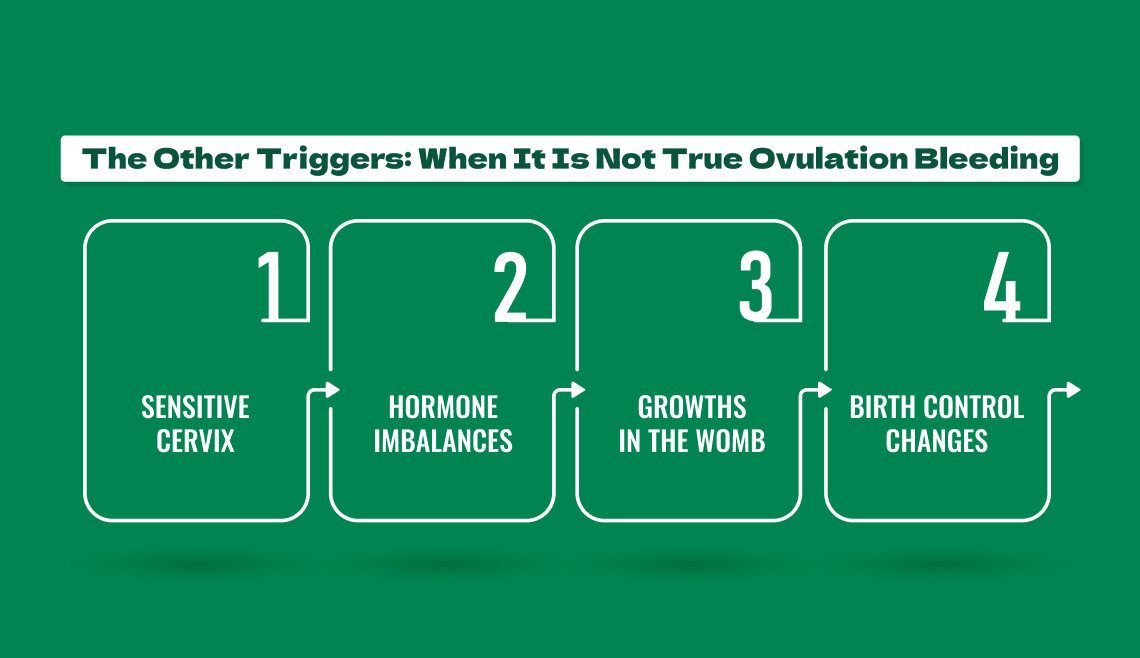
Sometimes, mid-cycle blood has nothing to do with a released egg. Instead, other factors like hormone issues, physical growths, or lifestyle changes cause the bleeding.
1. Sensitive Cervix
First, the high amount of estrogen before ovulation increases blood flow to your pelvic area. This extra blood makes the tissue of your cervix very sensitive.
Because of this, normal friction from sex can easily cause tiny blood vessels to leak. If you only spot right after sex, a sensitive cervix is usually the reason.
2. Hormone Imbalances
Second, conditions like PMOS (previously known as PCOS) disrupt your body’s chemical signals. Because your hormones are out of balance, your body may fail to release an egg.
This can cause you to skip your ovulation entirely. However, you still experience random bleeding because your womb lining grows unevenly and leaks blood.
3. Growths In The Womb
Third, non-cancerous growths inside your reproductive system can cause unexpected bleeding between periods. These include uterine polyps and fibroids. [Source: Cleveland Clinic]
These growths have a lot of blood vessels inside them. Because they respond to your monthly hormone shifts, they can bleed unexpectedly in the middle of your cycle.
4. Birth Control Changes
Finally, starting, stopping, or missing a dose of birth control changes your hormone levels suddenly.
This sudden shift forces your body to get used to a new chemical balance. Consequently, this confusion often triggers unexpected breakthrough bleeding.
The Mid-Cycle Symptom Checker
To help you figure out what your body is doing, use this simple guide:
- Light pink or brown streaks with a stretchy, clear fluid: You are simply going through a normal hormone shift, and this is ovulation spotting. You only have to record it in your application, and you do not necessarily have to visit a doctor.
- Bright red blood with clots or a flow resembling a period: This may indicate a hormonal imbalance, structural uterine growths, or an infection. Track the amount of blood and schedule a routine visit with your healthcare provider.
- Spotting only occurs immediately after intercourse or very heavy workouts: The high estrogen levels around ovulation make your cervix highly sensitive. Normal friction can cause minor bleeding. Mention this to your gynecologist at your next regular check-up or Pap smear.
- Unpredictable bleeding accompanied by highly irregular or missing periods: Meaning you might have a hormonal imbalance. Getting a blood test is something you should discuss with a healthcare provider.
When To See A Doctor
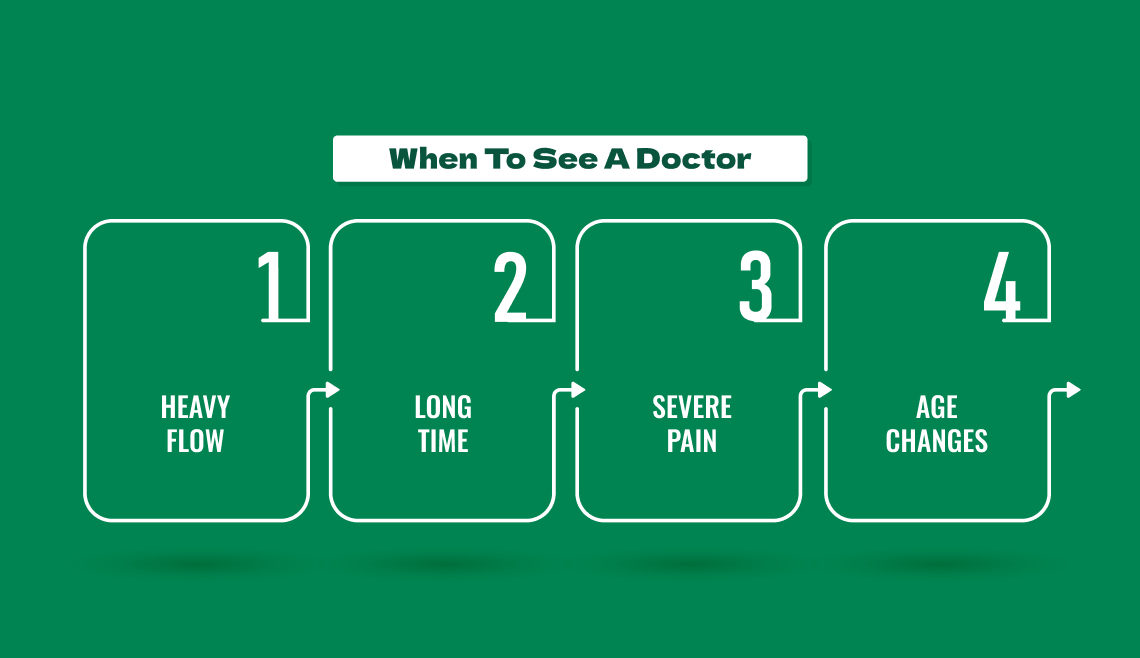
Normal ovulation spotting in most people is very light. Usually, this type of spotting only needs a small panty liner. The spotting is so faint that it hardly spoils your day, and within 48 hrs, it disappears completely.
But if your mid-cycle bleeding shows these warning signs, then you should stop checking your apps and call a doctor.
- Heavy Flow: The bleeding changes to a heavy, bright red stream that, in less than an hour, completely soaks through a normal pad.
- Long Time: Spotting happens every day for more than three consecutive days.
- Severe Pain: The blood is accompanied by severe pelvic cramps, sharp abdominal pain, dizziness, or fever.
- Age Changes: You get unusual bleeding after menopause.
To sum up, your period diaries are very useful. If you make a visit to your doctor, bring your records showing the exact dates and colors of your spotting. This will help your doctor check for infections and maintain your health.
Trust Your Body, Track Your Signals
Finding unexpected blood outside of your period can be alarming.
However, understanding “why am i bleeding during ovulation” is the first step to peace of mind.
In most cases, a few mid-cycle pink streaks are just a normal sign that your ovaries are working exactly as they should.
It is a quick, natural response to your body’s hormonal shifts.
Conversely, your reproductive health is unique to you. The best way to know what is normal for your body is to keep a consistent log of your symptoms.
If your mid-cycle bleeding is light, brief, and painless, you can safely attribute it to your natural cycle. But if the bleeding becomes heavy, painful, or completely unpredictable, do not hesitate to reach out to a healthcare professional.
By staying informed and tracking your cycle, you can take control of your health and give your body the exact care it needs.
Disclaimer: The information provided in this article is for general informational purposes only. It does not, and is not intended to, constitute medical or health advice. Please consult a qualified healthcare professional for medical guidance or expert health assistance.