
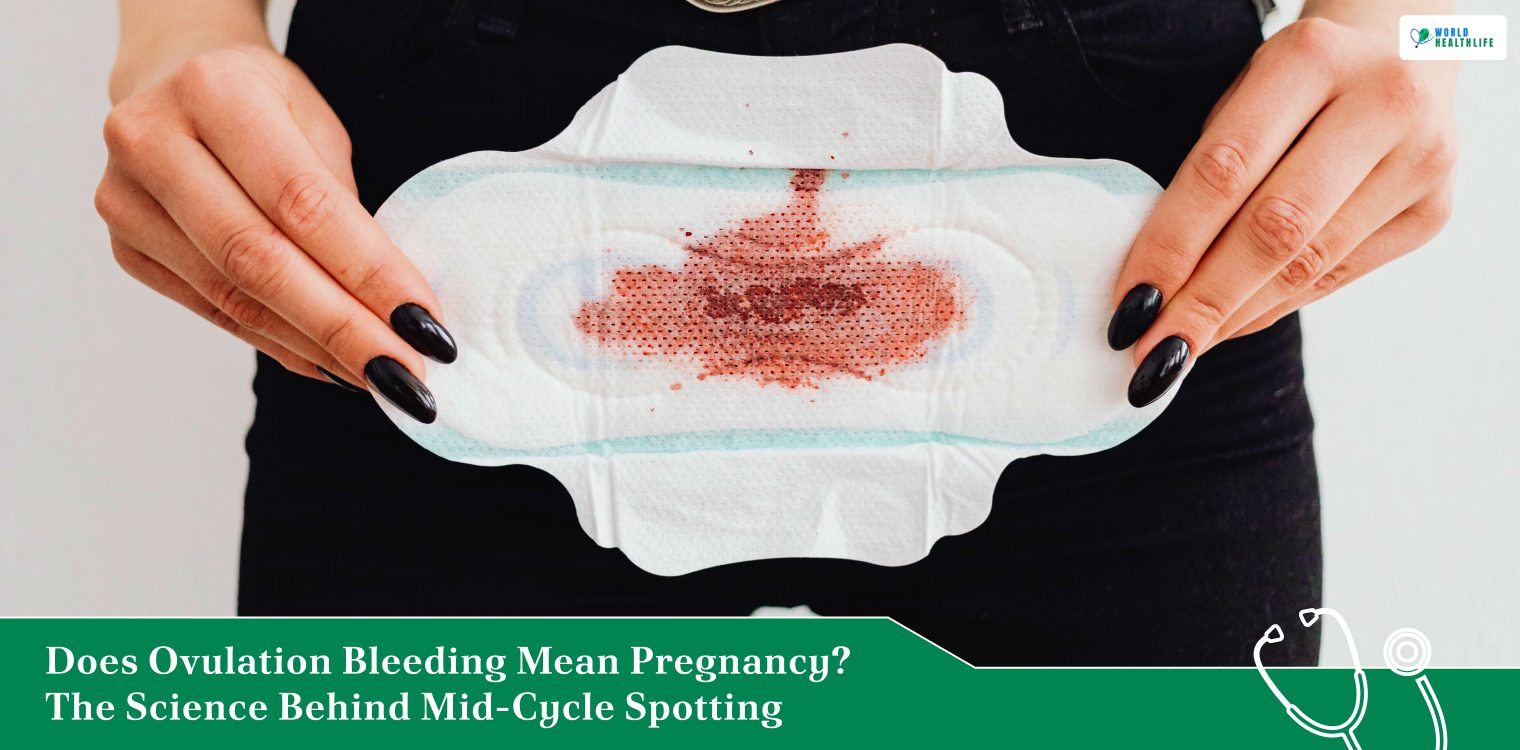
Few things trigger an immediate wave of panic quite like looking down and seeing unexpected blood in your underwear.
For anyone diligently tracking their menstrual cycle, this sudden smudge of pink or brown fluid shifts anxiety into overdrive. That is especially true for those who are making active efforts to conceive.
It is entirely natural for your mind to jump straight to the ultimate question: Is this a sign of early pregnancy?
Let us lead with the definitive medical fact: No, ovulation bleeding does not mean you are pregnant.
Biologically, pregnancy is a physical impossibility at the exact micro-moment you spot. This mid-cycle blood simply alerts you that an ovary has just released an egg into the fallopian tube.
Fertilization cannot happen until that egg meets a sperm. As a result, the bleeding indicates the absolute opening of your peak fertile window, not the establishment of a pregnancy.
Understanding the difference is the first step to mastering your reproductive health.
Why The Traditional “Day 14” Rule Fails
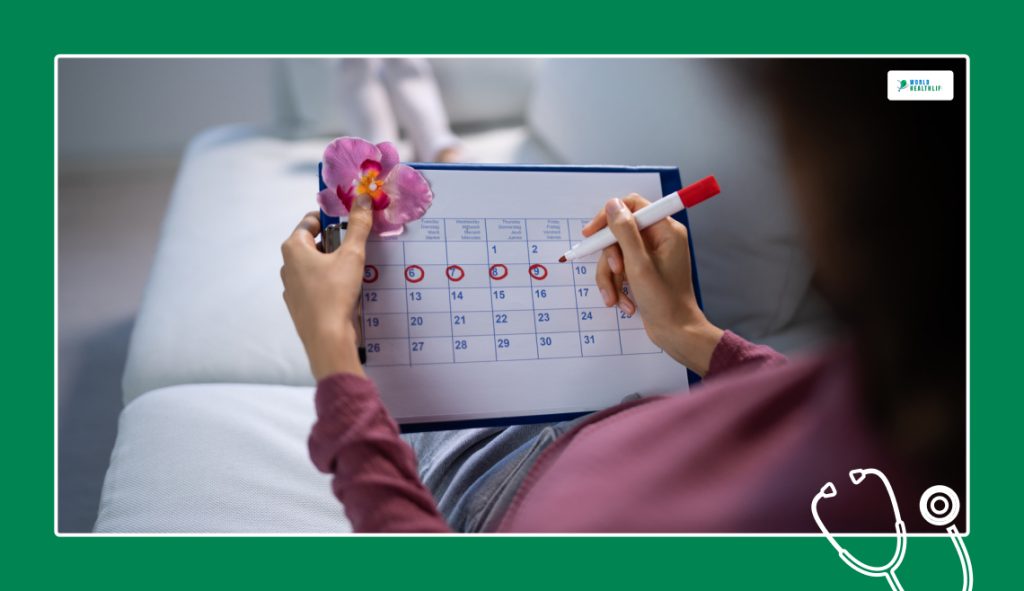
If you are seeing a hint of pink or brown fluid and realize you are experiencing ovulation bleeding day 8 of cycle, your immediate reaction might be confusion or worry that it is too early.
However, this is actually a normal variation for individuals with short menstrual cycles (around 21 to 22 days).
For a long time, standard medical textbooks taught a strict rule. They claimed that a typical menstrual cycle lasts exactly 28 days, and ovulation happens right on Day 14.
Under this old rule, people often think any spotting around Day 14 is textbook ovulation bleeding.
However, real data from modern period tracking apps show a totally different story. A massive study looked at more than 600,000 cycles.
Crucially, it proved that the “standard” 28-day cycle is mostly a myth. Instead, the data from Healthline showed that ovulation timing changes based on your personal cycle length:
- Short cycles: Ovulation regularly happens as early as Day 12.
- Average cycles: Ovulation usually happens around Day 15.
- Long cycles: Ovulation shifts as late as Day 19 or even later.
Therefore, your mid-cycle is a moving target. If you see light spotting on Day 18, your body is not broken.
On the contrary, bleeding during ovulation just means your body takes a few extra days to mature an egg. Ultimately, spotting matches your unique body timeline, not a standard calendar template.
The Hormonal Trigger: Why Ovulation Bleeding Happens
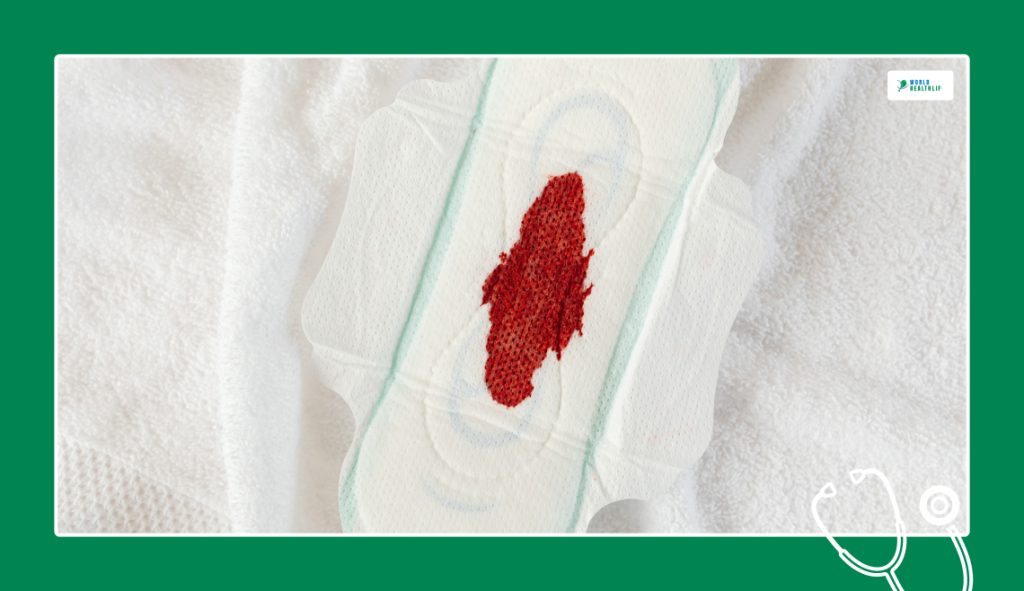
To understand why this bleeding happens, we need to look at your hormones. Ovulation spotting is actually quite rare. In fact, it only happens to about 4% to 5% of women. A sudden shift in your hormones causes this spotting, not an injury.
Here’s the four-step hormonal process:
- Estrogen Rises: Firstly, the level of estrogen increases progressively throughout the first half of your menstrual cycle. The main function of this hormone is to enhance the uterine lining.
- The LH Surge: Then, high levels of estrogen induce a surge of luteinizing hormone (LH). This hormone acts as a signal for the ovary to release an egg that is ready for fertilization.
- The Estrogen Drop: Once the egg is released, there is a sudden fall in estrogen levels. Progesterone, then again, has not increased sufficiently to maintain the lining.
- Minor Spotting: Ultimately, this rapid fall in estrogen is responsible for a very small amount of the uterine lining being shed prematurely.
Eventually, this small drop of blood mixes with wet, stretchy cervical mucus. Because this “egg-white” fluid signals high fertility, the mixture looks like a light pink, watery red, or light brown smudge.
Does Ovulation Bleeding Mean Pregnancy?
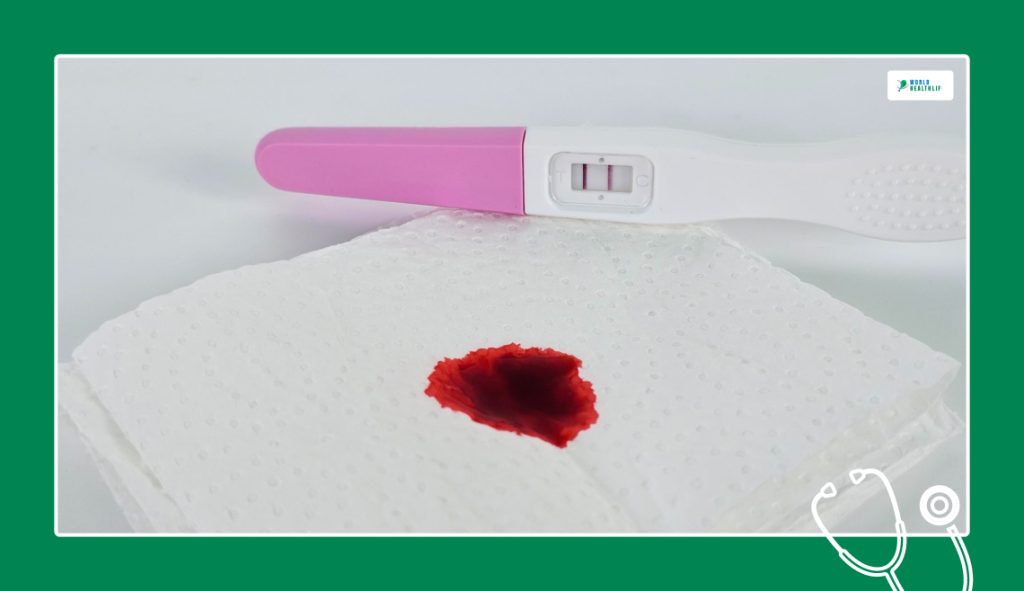
On fertility forums, mid-cycle spotting often starts arguments. Some people think spotting is a “superpower” sign of strong fertility.
Conversely, others worry it means they cannot get pregnant. Clinical research reveals a surprising truth called the pregnancy probability paradox. [Source: Glamour Magazine]
In an extensive clinical trial, the pregnancy results of more than 500 women were monitored. The data surprisingly showed that menstrual cycles that featured ovulation spotting had a momentary drop in pregnancy potential during that specific month.
That’s because a sudden drop in hormones can, for a while, make the uterine lining less suitable for embryo implantation.
But, the researchers pointed out a key matter to reassure the concerned readers: spotting at mid-cycle will not lead to any permanent harm to your fertility.
Simply put, ovulation spotting indicates that you are, in fact, ovulating.
Although the hormonal alteration might slightly reduce your fertility for that one month, it is a good indication helping you to follow your cycle rather than a cause for alarm. [Source: Inito]
Why Ovulation Bleeding Cannot Equal Pregnancy
Most of the time, people mix up ovulation bleeding with pregnancy because they think it is implantation bleeding.
But even though they both look like little spotting instead of regular bleeding, they are totally different things with a definite time interval between them.
You can easily tell these two events apart by checking your calendar and looking at the fluid:
Ovulation Bleeding (The Start):
Ovulation spotting means your ovary has just released an egg. It shows you are highly fertile, but you are not pregnant yet.
Implantation Bleeding (The End):
Implantation bleeding happens 6 to 12 days later. It occurs when a fertilized egg attaches to your womb, causing a tiny bit of blood.
The Master Cycle Decoder
To help you figure out what your body is doing without guessing, use this simple comparison chart:
| Ovulation Bleeding | Feature | Implantation Bleeding |
| Mid-cycle (12-19 days before next period) | Time | Late cycle (6-12 days after ovulation) |
| Quick drop in estrogen levels | Cause | Embryo attaches to the womb wall |
| Light pink or bright red | Color | Dark brown, rust-colored, or light pink |
| Tiny drops mixed with stretchy mucus | Appearance | Mixed with normal, everyday discharge |
| One-sided lower belly twinges | Cramping type | Mild, dull, generalized belly cramps |
| A few hours up to 2 days maximum | Duration | A few hours up to 3 days maximum |
The App and Tracker Audit
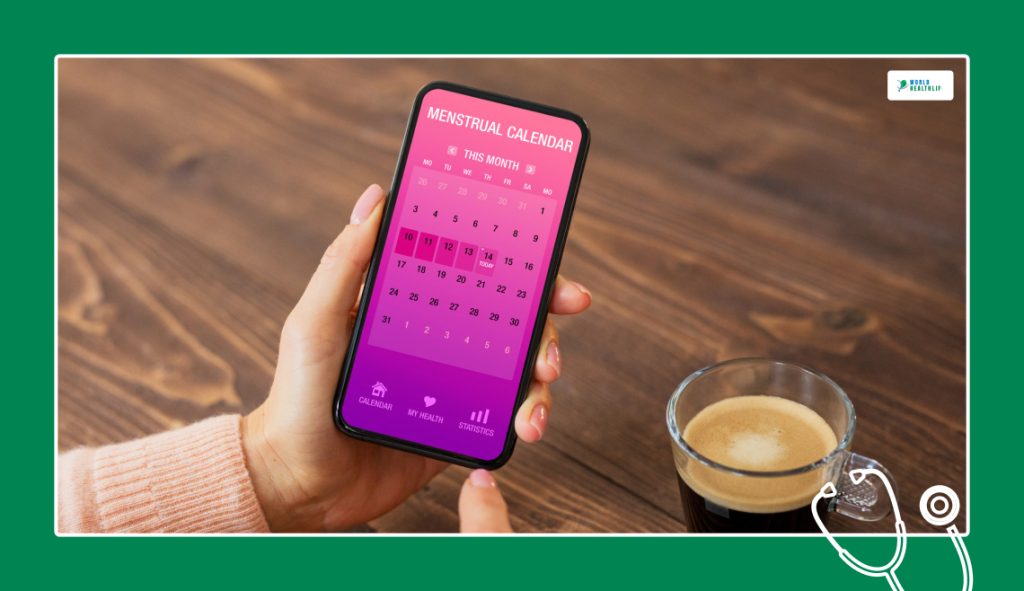
Today, many people use smart rings, watches, and urine test strips to track their bodies. However, medical experts warn against a common trap: relying only on visual spotting to prove you are ovulating. [Source: The Female Health Doctor]
Visual spotting is just a clue, not a final answer. For example, you can easily mistake it for anovulatory bleeding. This is a health issue where your hormones fluctuate and cause random bleeding, but your ovary never actually releases an egg.
To verify if your spotting is truly tied to ovulation, check it against these digital tracking markers:
- Ovulation Test Strips (LH Strips): True ovulation spotting usually happens 24 to 48 hours after your test strip shows a dark, positive line.
- Basal Body Temperature (BBT): If your spotting is from ovulation, your resting body temperature will dip slightly, then jump up by about half a degree the next day due to rising progesterone. [Source: Medicine Net]
- Cervical Mucus: Ovulation spotting almost always happens alongside wet fluid that feels like raw egg whites. If you spot while your tracking data says you are completely dry, the blood is coming from a different source.
Furthermore, taking a home pregnancy test on the day you see ovulation spotting is pointless. The body only creates the pregnancy hormone (hCG) after implantation finishes.
Therefore, a test taken during ovulation will always be negative. You must wait at least 12 to 14 days after your fertile window to get an accurate test result. [Source: Cleveland Clinic]
Clinical Red Flags: When Spotting Points to an Issue
While normal, light mid-cycle spotting for a day or two is harmless, irregular bleeding can sometimes point to an underlying medical issue. In these cases, you need to see a doctor.
Spotting Evaluation Guidelines
| Normal Ovulation Spotting | Signs of a Potential Issue |
| Lasts 1 to 2 days maximum | Lasts for more than 3 days in a row |
| Stays very light (just a few drops) | Flow gets heavy or fills a pad/tampon in an hour |
| Light pink or watery brown color | Comes with severe belly or pelvic pain |
| Follows a regular mid-cycle pattern | Happens randomly or occurs after menopause |
Irregular spotting between periods can indicate a mechanical problem like uterine polyps or fibroids.
In the same way, hormonal conditions – including PCOS (now PMOS), thyroid disorders, or local infections – will lead to an abnormal bleeding pattern.
Your tracking information is a very helpful background for a doctor. Show your records to a gynecologist to make it easier for them to decide whether the hormonal changes are normal or if there is a medical problem that should be treated.
How To Use Ovulation Bleeding To Maximize Your Pregnancy Chances
If you are trying to conceive, seeing a tiny bit of mid-cycle blood can actually be turned into a strategic advantage.
Since ovulation bleeding happens precisely when your estrogen drops right after an egg is released, it marks the absolute center of your peak fertile window.
In order to maximize your chances of getting pregnant when you notice this spotting, there are certain things you should follow.
Have Intercourse Immediately
One of the most important things to note is that an egg only lives for 12 to 24 hours after release. Spotting only means the biological clock is officially ticking.
Confirm With Secondary Signs
Following this, always ensure you have confirmation with secondary signs. Do not put your full reliance on blood alone.
Ensure the spotting is accompanied by stretchy egg-white cervical mucus as well as a positive reading on your LH test strips.
Do Not Panic About The Paradox
Never panic about the whole paradox. Though studies show a minor and temporary reduction in implantation odds during a spotting month, it does not mean pregnancy is impossible.
Instead, you should treat this sign as a green light to try.
Ovulation Bleeding After Pregnancy, Birth Control Or Miscarriage
Your body goes through massive hormonal re-calibration after significant reproductive events.
Many people who have never experienced ovulation bleeding before suddenly notice it after giving birth, stopping hormonal contraceptives, or experiencing a miscarriage.
During these transitional phases, your ovaries are working hard to re-establish a regular rhythm. Moreover, it is incredibly common for your first few ovulatory cycles to have dramatic estrogen peaks and sudden drops.
As long as the spotting is light and lasts less than 48 hours, it is a reassuring sign that your body is successfully restarting its natural fertile cycles.
Demystifying Your Mid-Cycle Spotting
Paying close attention to your body’s subtle shifts is one of the most powerful things you can do for your reproductive health.
While seeing unexpected blood in your underwear can initially trigger panic, understanding the clear boundary between ovulation bleeding and pregnancy helps.
Your anxiety can be replaced with actionable data. Mid-cycle spotting is not a sign that you have successfully conceived, nor is it a red flag that your body is broken.
Instead, it is a rare and hyper-specific physiological marker that proves that your hormonal loop is functioning and your peak fertile window is open.
By tracking these fluid shifts alongside modern tools like LH strips, basal body temperature, and cycle apps, you take the guesswork out of your timeline.
Your data is your best advocate. You can set a goal to:
- Optimizing your conception odds
- Navigating a shifting cycle after birth control
- Monitoring your body for underlying health conditions like PMOS
Listen to your body, log your symptoms, and always consult a gynecologist if your spotting patterns step outside the norm.


