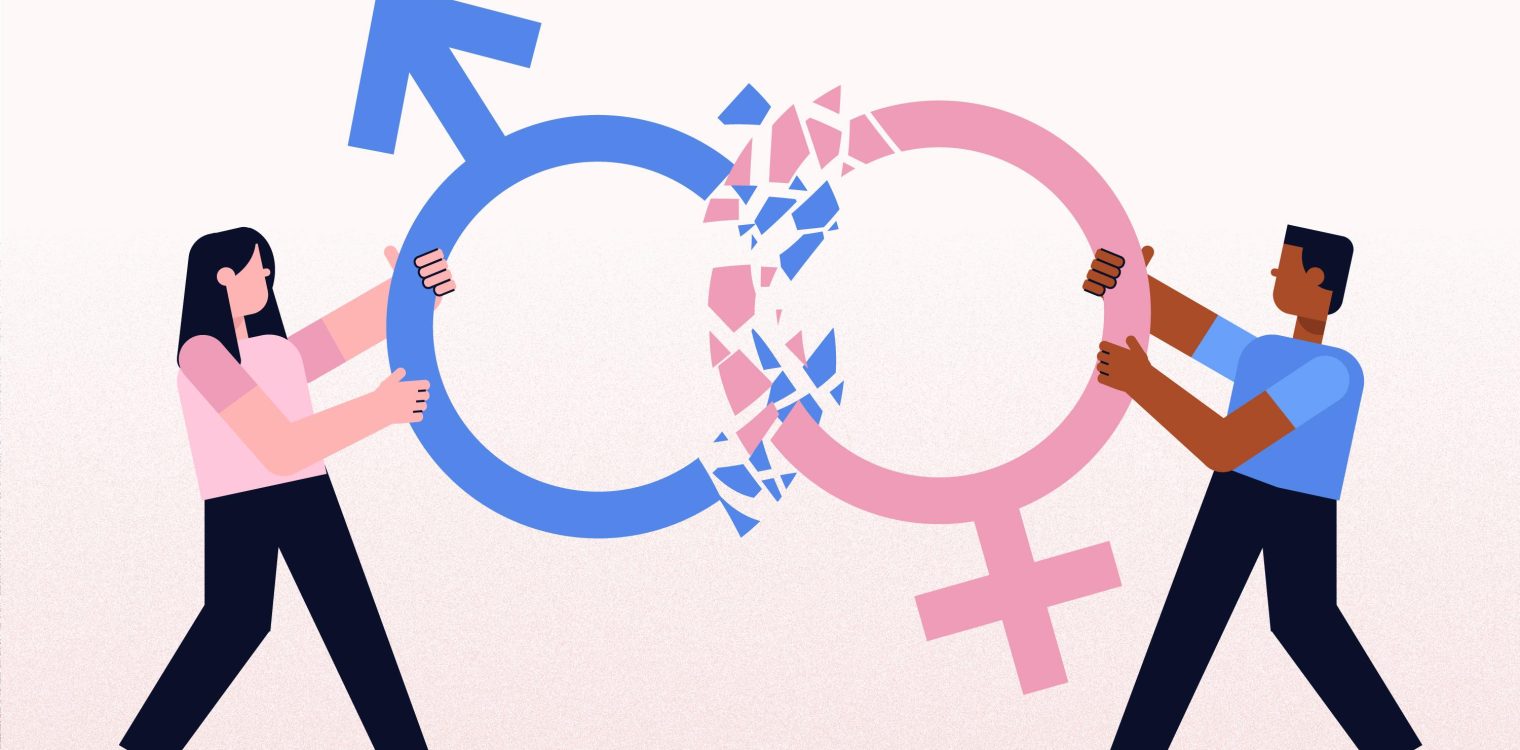
Your gender transition journey is deeply personal. It involves emotional growth, practical planning, expert medical support, and informed choices.
Taking time to understand support, healthcare, and personal well-being helps make the process feel more manageable.
These five considerations offer guidance for approaching transitions with clarity, confidence, and thoughtful preparation.
Build A Strong Foundation Before Moving Forward
It is completely normal to feel a mix of intense excitement and quiet anxiety as you look toward the future.
For most people, a gender transition journey unfolds gradually. Also, it shapes itself around your unique personal goals and comfort levels.
However, many find it helpful to begin by exploring which changes feel right for their immediate daily lives.
You might find yourself focusing entirely on a social transition at first, like changing your:
- Styling
- Pronoun Usage
- Name
But still, you can choose to consider medical or surgical support much further down the line.
There is absolutely no right or wrong way to do this.
What truly matters in these early stages is giving yourself access to reliable, compassionate information.
When you have the right facts, those big, monumental decisions start to feel much less overwhelming and far more grounded.
Speaking with experienced professionals through services such as Eden New Life can offer an incredibly comforting and practical perspective on mapping out your unique journey.
Support at this stage creates confidence and helps people move forward with greater clarity.
Transition involves emotional, practical, and social adjustments over time. Progress feels steadier when each step is approached with patience and realistic expectations.
Taking time to understand the journey ahead makes each stage feel more manageable.
Let’s look at 5 things to keep in mind if you’re considering or are already on a gender transition journey.
1. Give Yourself Time To Understand Your Own Journey
Gender transition doesn’t follow a single fixed path or a shared timeline. Each person moves forward based on comfort, identity, and individual circumstances.
Allowing space for reflection helps decisions feel more personal and informed.
While one person might find joy in immediate changes to their name, wardrobe, and public social expression, another person might need to spend months or even years quietly exploring their inner identity before making any visible, external changes.
Both of these paths are completely valid, beautiful and necessary if they reflect what you need to feel safe.
Shifting your focus away from “speed” and toward “sustainability” changes everything.
True personal growth rarely thrives under pressure or rushed deadlines.
Taking measured, thoughtful steps helps quiet the external noise, significantly reduces anxiety, and allows you to build genuine self-confidence that lasts.
2. Seek Support That Strengthens Emotional Well-Being
Support plays an important role throughout every stage of transition.
Surrounding yourself with trusted friends, loving family members, or affirming LGBTQ+ communities acts as a powerful buffer against the feelings of isolation that can sometimes creep in.
Simply feeling seen and understood by another human being makes the inevitable logistical and emotional challenges much easier to process.
Many individuals find immense comfort and strength in speaking with specialized counselors, gender-affirming therapists, or peer support groups.
Eden New Life offers weekly online small-group sessions, which are free.
Professional guidance provides a safe, judgment-free space to unpack complex questions, voice social anxieties, and process rapid emotional shifts.
Furthermore, your support system doesn’t need to be massive to be meaningful.
Even just one or two truly affirming people in your corner can provide all the reassurance you need during times of significant vulnerability.
Building this foundation early on also gives you a soft place to land when you eventually begin having deeper conversations about your identity with coworkers, acquaintances, or the wider world.
3. Learn About Healthcare Options Before Making Decisions
Healthcare choices form an important part of many transition journeys.
Understanding exactly what options are available to your unique body is incredibly empowering, whether you are looking into:
- Hormone Replacement Therapy (HRT, Or, As Doctors Call It, GAH, Gender Affirming Hormone Therapy)
- Voice Therapy
- Various Surgical Pathways
When you sit down with highly qualified, affirming healthcare professionals, you can co-create realistic expectations around your care.
A good medical team will walk you through timelines, physical outcomes, potential risks, and what long-term, ongoing maintenance looks like.
Medical transitions require careful planning, thorough physical and psychological assessments, and consistent follow-up care.
Taking the time to understand these clinical processes beforehand saves you a great deal of confusion and stress later on.
Ultimately, looking at your healthcare holistically, where your physical health, mental well-being, and long-term comfort all work hand-in-hand.
All of these together ensure that you are making choices that honor your entire self.
4. Approach Social Changes With Patience And Quiet Confidence
Stepping out into the world as your authentic self brings a wave of social changes alongside your private medical choices.
These shifts touch your closest relationships, your workplace dynamics, and even your casual, everyday interactions with the public.
It is completely normal to feel a bit exposed during this phase, but preparing for these shifts in advance can beautifully minimize that lingering sense of uncertainty.
It helps to anticipate that while many conversations will feel deeply affirming and celebratory, others might require a great deal of your patience.
The people in your life may need some time to process these changes, unlearn old habits, and adjust to your correct name and pronouns respectfully.
Approaching these moments with calm, firm boundaries often creates the most constructive outcomes.
In the workplace, creating an organized, step-by-step plan for HR documentation, email changes, and team communication can take a massive weight off your shoulders.
Your social comfort and confidence will naturally grow with practice, and every small, courageous step you take builds a beautiful foundation of reassurance.
5. Focus On Long-Term Well-Being Beyond The Transition Process
Because transition is so often discussed as a checklist of major medical milestones or legal breakthroughs, it can be easy to forget that your day-to-day life matters just as much as reaching those goals.
Looking past the immediate logistics of transitioning allows you to develop a much healthier, richer life overall.
Never underestimate the power of protective daily routines.
Prioritizing restful sleep, nourishing nutrition, and mindful stress management gives your body and mind the resilience they need to process the profound changes you are experiencing.
It is also incredibly grounding to keep pursuing your favorite hobbies, career ambitions, and friendships that have absolutely nothing to do with your transition.
Your gender identity is a beautiful, central part of who you are, but you are also a multifaceted human being with an entire universe of interests.
Keeping that broader perspective alive ensures that your transition becomes a beautiful part of your life.
Moving Forward With Clarity And Support
Every single gender transition journey is a personal decision, shaped by a unique blend of internal timing and external circumstances.
By seeking reliable emotional support, informed healthcare, and a step-by-step plan, you can navigate this journey with greater ease.
While some may prioritize finding community, others might start with medical guidance.
The key is to choose a sequence and pace that feels comfortable and safe for you.
With thoughtful preparation and proper support, your transition can become a positive experience that minimizes fear and celebrates your true self.
Your Gender Transition Journey Belongs To You
If you’re considering a gender transition, taking time to understand each step is crucial.
When you incorporate substantial habits, they will pave the way for a smooth, deeply validating experience. These habits are mostly like:
- Seeking Out Compassionate, Professional Guidance
- Building Your Emotional Safety Net
- Making Well-Researched Decisions.
Working alongside highly qualified specialists within a genuinely safe, protective environment minimizes medical risks and drastically improves your psychological outcomes.
It ensures that every choice you make is backed by clinical accuracy and tailored to your personal comfort.
As you reach out for support, never hesitate to gently verify professional credentials.
Additionally, you must ask detailed questions about care standards. Also, you must explore their specific procedures.
Taking these protective steps isn’t just practical; it safeguards your well-being and ensures your transition is handled with absolute safety and care.