

Most people buying creatine for the first time do the same thing. They rip open the tub, scoop some into the water, and simply chug it.
That’s it! They have no planning or timing behind the process. But is it actually right to take creatine just because it’s a cool thing to do in the gym?
I won’t lie. My story was the same when I was in my 20s. I worked out with dedication and took no leave. Besides, I had no cheat meals and consumed fair portions of protein. However, I always felt something was missing!
I had a professional lifter as a friend at the gym. One day, we were discussing our routine and gymming goals. That’s when he asked me: “When do you take your creatine?”
I candidly said that I take it before I start my day. Mostly empty stomach. But strangely, the answer disappointed him. What happened next taught me the exact best time to take creatine for muscle gain.
Quick Answer Guide
- On workout days: It is best to take creatine just before or just after your training session. Both times work the same way. Just ensure you have it close to your workout. Again, that might be before or after.
- On rest days: Take it any time. Timing is not crucial while you are on rest. So just take it. But be consistent. Do not skip creatine if you are not working that day.
Why Timing Is So Important For Your Creatine Intake?

Most gym goers don’t have the idea that Creatine isn’t like pre-workout, where you feel the punch as soon as you have it. Or within the next 30 minutes.
To clarify, creatine saturates your muscle cells over time. So the question remains: why timing of creatine intake matter so much?
Blood flow changes when you take creatine. In simpler terms, blood flows into your muscles while you exercise. Therefore, the creatine flows into the muscle tissue where it’s most needed.
According to a study, the blood flow in muscles is high for 2 hours post-workout. But that ultimately depends on how intense your workout was. Again, your body is in the highest-creatine-absorption mode at that time.
I Changed My Creatine Intake Timings!
For almost three months, I was taking creatine first thing in the morning. I usually mixed a dry scoop into black coffee. I felt getting it in early meant it had all day to absorb.
But there is something I learned much later. The creatine levels peak in your blood roughly 1–2 hours after you take it. Again, it stays elevated for about 4 hours.
My workouts were in the evenings around 7 or 8 PM. By then, whatever I’d taken at 7 AM had fallen from the peak.
I checked the routine after my lifter friend advised me on the right approach. I chose the post-gym session time. The recipe I would follow is to mix creatine with a banana smoothie and a scoop of protein.
Guess what, I experienced a real devel development. Around 8 weeks after the change, I finally started to see clear results.
Eight weeks later, my bench press went up by 10 kg. At the same time, I started taking very short recovery sets. But I can’t credit creatine alone. Simply put, this timing shift was the only variable I changed.
Before VS. After Workout: Does It Actually Matter?
In reality, you just need to have creatine close by for your workout. That’s the only criterion to select the best time to take creatine for muscle gain.
Let me refer to a study of gym goers. They were allowed to get 5 g of creatine either before or after workouts. However, in the end, the people who took it post-workout saw slightly better results.
Meanwhile, the same study conducted on other samples later found no discursive results. Therefore, it is reasonable to conclude that you can take creatine just before your workout. Whether you take it before or afer hardly matters.
But how does your body react differently when you take it in advance versus post-workout?
- Before workout: After workout, the creatine is absorbed into your blood during the session. Meanwhile, the exercise-driven blood flow helps push it into muscles.
- After a workout: The muscles are primed. That means the blood flow is still elevated. Therefore, creatine uptake may be slightly enhanced.
What to do: Pick one timing and stick to it. Whether you have it before or after doesn’t really matter.
What to Take With Creatine?
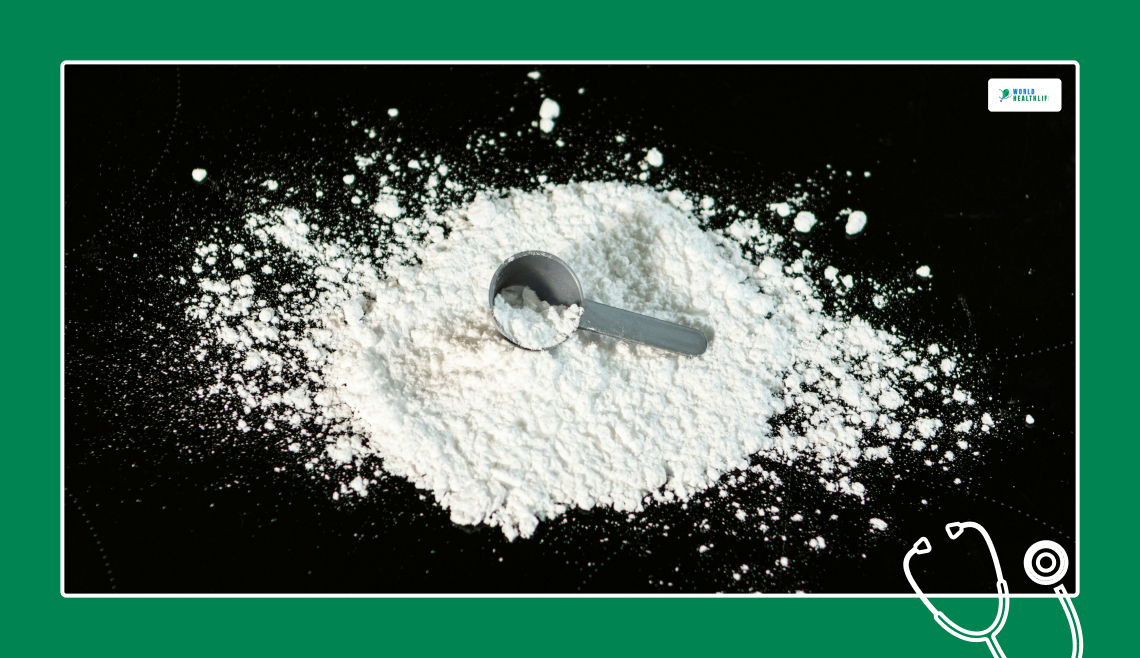
My smoothie habit turned out to be smarter than I realized.
The Australian Institute of Sport recommends pairing creatine with a meal containing roughly 50g of carbohydrates and 50g of protein. The reason is insulin.
When you eat carbs, insulin levels rise. Meanwhile, insulin appears to help shuttle creatine into muscle cells more effectively.
So, your post-workout creatine mixed with plain water? Probably fine. But paired with rice and chicken, or a protein shake with a banana? Likely better.
A few solid combinations that work in real life:
- Creatine mixed into a protein shake with milk and a banana
- Stirred into post-workout oats with some honey
- Taken alongside your regular post-gym meal
Quick fix: If you’re in a rush, even mixing creatine with juice (carbs) is better than taking it in plain water alone. But avoid creatine when you are on your jaundice diet chart. At the same time, avoid creatine if you have any of the uric acid symptoms.
What About Rest Days?
This is where many people make the wrong decision. Your body needs creatine even when you are resting. It mainly keeps your muscles saturated.
Therefore, without creatine, the muscle pump will go away. All you have to do is take creatine daily. The time of intake is not so important.
What to do: On rest days, take creatine with any regular meal. Take the same dose 3 to 5g daily.
Do You Need The Loading Phase?
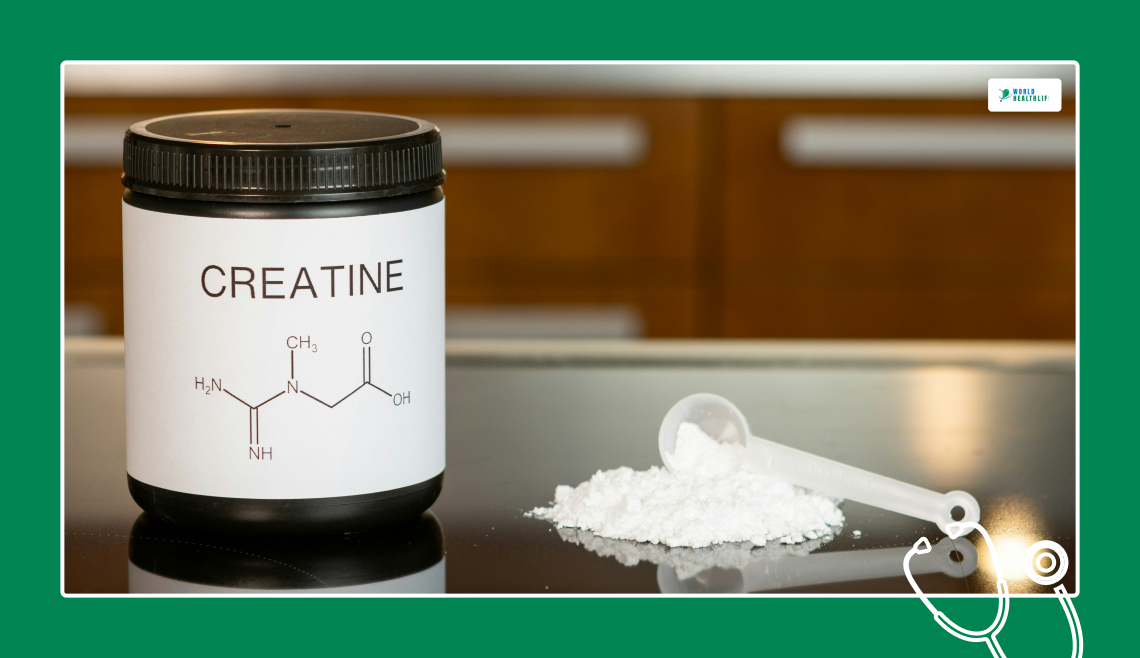
A lot of people start with a “loading phase”. But what is a loading phase?
In this phase, you take 20g per day for 5–7 days to saturate your muscles quickly. After that, you drop to a 3–5g maintenance dose. Now this trick certainly works. But it is not required by your body.
Research shows that taking 3g per day for 28 days produces the same muscle creatine levels as a full loading protocol. However, this is a much slower process.
But there are some exceptions where you can apply this process. For example, do you have any upcoming events or competitions? In that case, building muscles quickly makes most sense. However, it is not necessary for prolonged use.
Are There Any Side Effects Of The Loading Phase?
Occasionally, people experience bloating and discomfort in the lower abdomen during the loading phase. A lot of people feel that. However, normal intake does not cause any such issue.
The Mistake Most Beginners Make
Most beginners become complacent and skip creatine for a day or two. In my gym, I saw most newbies punctually having creatine at 4.45 pm. However, during the rest days, they would skip it.
Now the question is: what happens if you miss creatine frequently?
Creatine works smoothly when it is accumulated. If you miss your daily dose more than once a week, nothing can prevent your muscles from dropping.
Your timing doesn’t need to be perfect. However, don’t skip your creatine dose once you have started the cycle.
The order of priority:
- Take it every day (non-negotiable)
- Take it near your workout on training days
- Consume it with food when possible
- Don’t stress the exact minute
A Simple Routine That Works
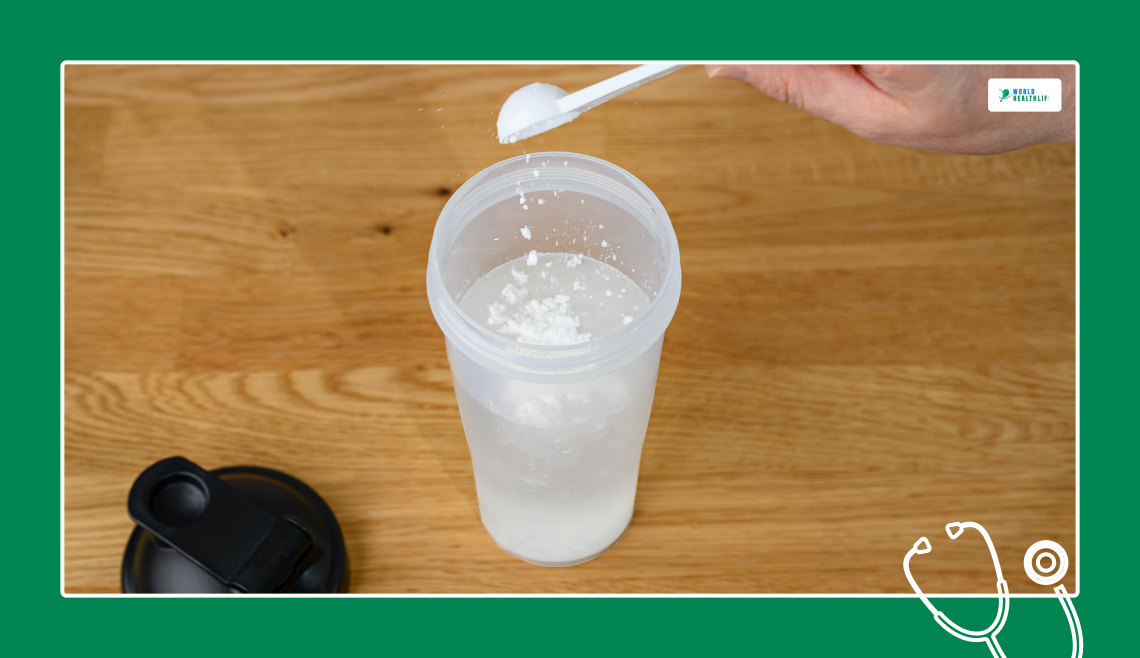
Here’s what I follow now, and what I’d suggest to anyone starting out:
Training Days:
- Take 3 to 5g of creatine monohydrate within an hour before or after your session
- Mix into a protein shake or take alongside a meal with carbs
Rest Days:
- Take 3 to 5g with any meal throughout the day
- Stay hydrated. Remember that creatine pulls more water into muscles, so drink more than usual
Don’t Miss This Last Part
I’m not a doctor, dietitian, or certified trainer. Everything here comes from personal experience, conversations with people who train seriously, and actual research.
But one thing is obvious. The best time to take creatine for muscle gain is close to your workout. Whether you have it post- or pre-workout doesn’t matter.
If you have any kidney or liver concerns, talk to your GP before starting creatine. It’s one of the safest and most studied supplements out there. But your individual health context always matters more than general advice.


