
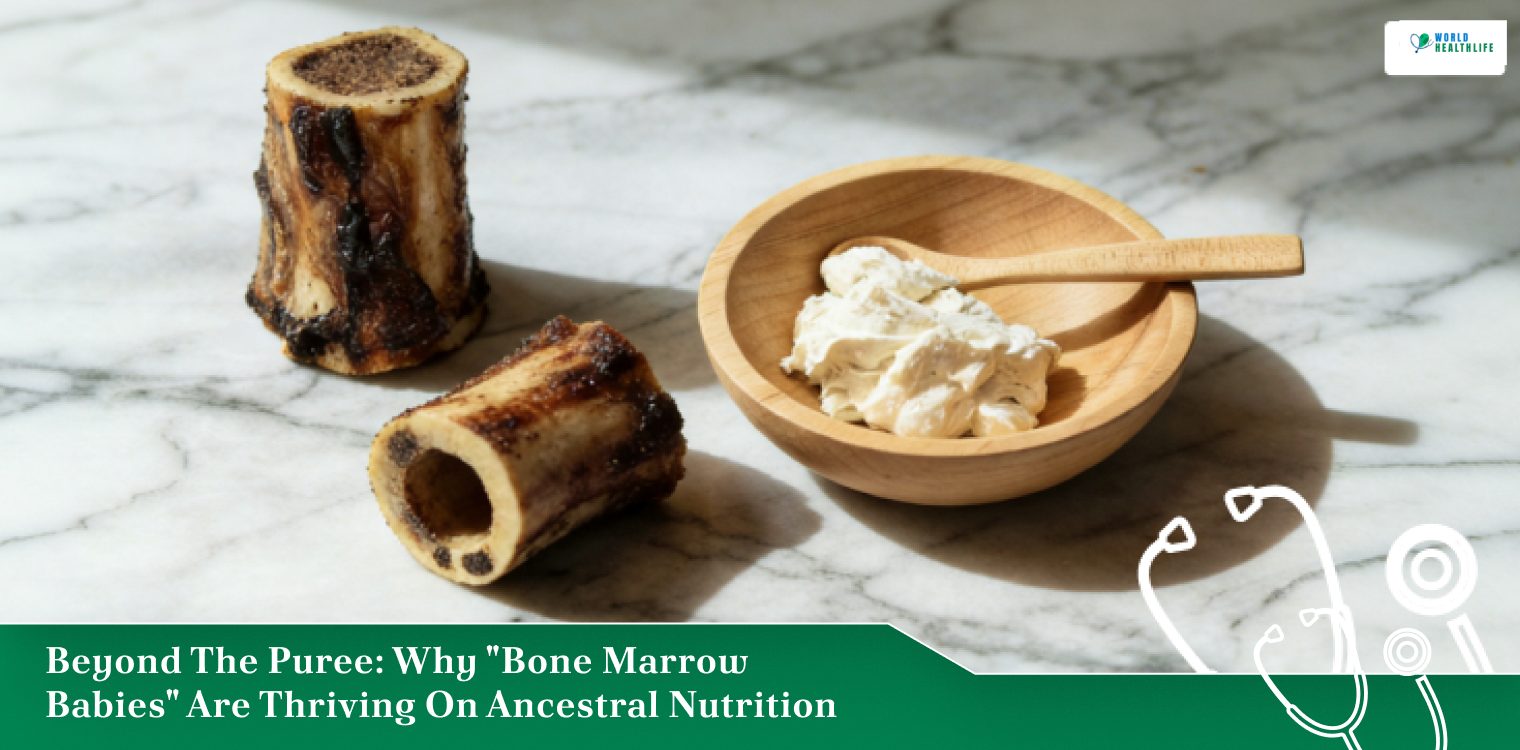
Really? Bone marrow for my baby? That was my first reaction when I heard about bone marrow meals for babies!
Later, I realized that it is one of the organic superfoods that you should give your baby, at any cost. Even then, I had a doubt. Standing in the kitchen, I wondered if it was safe. Can my child digest and absorb it?
I know a lot of you have also heard about bone marrow as baby food.
But whenever you imagine a bone marrow baby in your home, it feels weird! However, this thought needs to change.
Do you know that many parents are gradually realizing the importance of this ancient superfood? In fact, bone marrow baby feeding has increased significantly.
Is Bone Marrow Baby Food A Real Superfood?
If we are talking about nutrients a child needs, nothing beats bone marrow. Did you know parents have been feeding bone marrow to children long before packaged baby foods existed?
But now modern science is taking us back to our roots. But how beneficial is bone marrow baby food for your child?
Firstly, it supports brain growth tremendously. It provides essential healthy fats that support brain development and collagen that helps protect the delicate gut lining.
What Is Bone Marrow Baby Food?
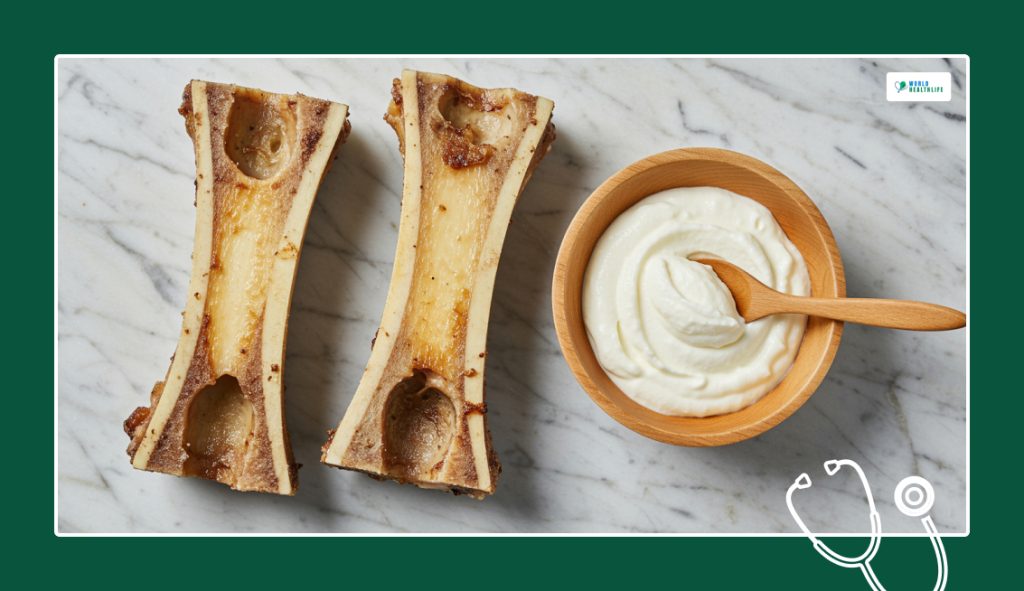
We will start with the basics here. Let’s understand the composition of bone marrow as a food for babies.
What Is Bone Marrow?
Bone marrow is the fluid inside bones. In simple words, it is a soft, gelatinous tissue lump that we get from bones. But which bones are we talking about? To clarify, we are talking about beef femurs or shin bones, preferably.
Which Bone Marrow Baby Food Is The Best?
Beef femur is the best bone marrow for baby food. Lamb marrow would be the next best. Meanwhile, you can also feed them the marrow in shin bones. But chicken bone marrow is not appropriate for them.
How Can I Feed Bone Marrow To Children?
You can find bone marrow meals in traditional Asian cuisines for centuries. At the same time, people in the Middle East, Europe, and Africa also consider bone marrow and bone juice important ingredients in food.
In the same vein, people add bone marrow to increase the nutritional quality of the food. Simultaneously, you cannot ignore that it also levels up the taste. Meanwhile, don’t forget the extraordinary umami flavor that bone marrow adds to the food.
Why Is Bone Marrow Baby Nutrition So Powerful?
The whole article pivots on this single question: What makes bone marrow baby food so effective? Simply put, when your baby is 6 months old, iron deficiency hits suddenly.
An infant’s natural iron stores built up during pregnancy begin to deplete around 6 months of age.
However, breast milk and supplements cannot meet the baby’s iron and fat requirements. As a result, you need to introduce the baby to high-nutrition food.
That’s why bone marrow baby food is the best you can get at this stage. Firstly, you only need to feed a small portion. That’s easy to eat and even digest. But here comes the most interesting part. The list of nutrients that your baby gets from the bone marrow meal:
| Heme Iron | The most organic form of iron. Babies can digest heme iron easily, compared to plant-based iron. |
| Omega-3 Fatty Acids | Omega-3 is essential for brain growth, emotional balance, and a strong focus. |
| Vitamin B12 | If you want a healthy RBC count for your baby, you need this one. |
| Vitamin A | From vision to cognitive function, Vitamin A plays many roles. |
| Collagen | Supports easy digestion and keeps the gut lining healthy. |
| Zinc | Most helpful for early growth and boosting immunity among children. |
| Vitamin E & K | Improve blood density and skin health. It helps in better cell growth and replenishment. |
“Bone marrow has a high fat percentage. It also packs in omega-3 fatty acids, besides iron, selenium, and zinc. The storage of essential vitamins: A, B12, E, and K, also makes bone marrow ideal baby food. Together, these nutrients support growth, development, RBC development, immunity development, better vision, skin health, and more.”
— Solid Starts, Pediatric Feeding Specialists
Explaining In Clinical Terms
Here is a clinical explanation of why bone marrow baby food is the best you can give your child. To clarify, a child’s brain has 60% fat concentration.
As a result, you need to give your child a good supply of dietary fat. They use this nutrition to improve neural connections.
But how bone marrow is the best source for that dietary fat? Firstly bone marrow has a rich concentration. As a result, a small portion of bone marrow can do wonders to your child’s body.
Bone Marrow Baby VS. Common Baby Foods: A Nutritional Comparison
If you want a quick explanation of why bone marrow is a good food for your baby, read the table below:
| Nutrient | Bone Marrow | Sweet-Potato Puree | Why It Matters for Baby |
|---|---|---|---|
| Iron (Heme) | High (bioavailable) | Low | Prevents anemia; critical after 6 months |
| Healthy Fats | Very High (omega-3s) | Very Low | Brain & nervous system development |
| Vitamin A | High | High | Vision, immunity, cognitive function |
| Vitamin B12 | High | None | Brain development & red blood cells |
| Collagen/Gelatin | Present | None | Gut lining health & digestion |
| Zinc | High | Low | Immune function & growth |
| Calories (per tbsp) | ~50–60 kcal | ~8–10 kcal | Energy-dense for small stomachs |
When Can You Introduce Bone Marrow To Your Baby?
You cannot introduce bone marrow baby food randomly. In other words, there is a sequence that most mothers follow:
6 To 9 Months
This is the time to introduce bone marrow baby food in small portions for the first time to your baby. Again, the ideal portion would be ½ to 1 teaspoon.
But the question is, how to feed bone marrow to an infant? Mostly, we blend it with another iron-based gravy like lentil soup.
At the same time, you can choose simple, starchy foods like sweet potatoes. To clarify, sweet potatoes are rich in Vitamin C, which boosts immunity and enhances nutrient absorption.
9 To 12 Months
At this stage, your child is improving pincer grasp. Again, the digestive ability is slightly more, post-6 months.
Therefore, bone marrow with scrambled egg is a good meal for your child. I fed my child bone marrow with mashed avocados.
12 To 18 Months
Around 15 months, I introduced my child to multi-grain bread. A good meal for my child at this stage was mashed potatoes, whole-grain toast, and a bone marrow spread on the bread.
Here’s a tip. From this stage onwards, encourage your child to self-feed. Directly from utensils.
How I Prepare Whipped Bone Marrow For Babies
When I first looked into bone marrow for babies, I expected it to be complicated. But, it really isn’t. You don’t need fancy tools or cooking skills. Just a bit of patience and the right basics.
What You’ll Need
Here’s what I usually keep ready before starting:
- Around 1 to 2 pounds of beef marrow bones
(Most butchers know these as canoe‑cut or sometimes just round marrow bones.)
- A baking tray with raised edges (since the fat will drip)
- A small spoon or butter knife for scooping
- A hand mixer or food processor (manual whisking is honestly tiring)
- Silicone ice cube trays if you plan to freeze small portions
That’s it. No special cooking gadgets.
Crucial Safety First: Check For Bone Shards
Before we look at cooking, there is one absolute rule every parent must follow. When butchers saw or “canoe-cut” beef or lamb bones, the process leaves behind tiny and microscopic bone dust and sharp bone fragments.
When you scrape the roasted marrow out, these splinters can easily get mixed into the soft tissue.
Thus, always follow the golden rule. Remember to wash your hands thoroughly and manually feel through the scooped marrow with clean fingers to check for hard bits.
The best practice is to press the warm, melted marrow through a fine-mesh sieve or strainer. Following this, whip it and then serve it to your baby. Accordingly, this will guarantee zero choking or internal injury hazards.
The Nutritional Reality: Iron vs. Healthy Fats
It is common to hear bone marrow praised as an all-in-one iron miracle.
However, pediatric dietitians clarify an important distinction. That is, bone marrow is primarily composed of dietary fat, which is about 90% or more.
While it does contain highly bioavailable heme iron, zinc, and selenium, it provides significantly less iron and protein per serving.
Comparatively, whole red meat, beef liver, or pureed lentils have more protein and iron per serving.
Instead of viewing it as the sole source of iron, think of it as a supercharged nutritional booster.
The healthy fats in bone marrow dramatically enhance your baby’s ability to absorb fat-soluble vitamins. This includes vitamins A, D, E, and K from the other foods you mix it with.
Understanding Allergies And Alpha-Gal Syndrome
Pure bone marrow is exceptionally gentle on a baby’s stomach and is not classified as a top-9 allergen such as milk, eggs, or peanuts.
However, it is still a mammalian product. If your child has a known or suspected red meat allergy, you must avoid serving bone marrow until you consult your pediatrician.
Moreover, it is worth noting a rare condition called Alpha-gal syndrome. This is not a reaction to “complex foods.”
Instead, it is a specific, serious allergy to red meat and mammalian products triggered by the bite of certain ticks like the Lone Star tick.
If your baby shows signs of hives, vomiting, wheezing, or severe diarrhea within a few hours of eating red meat or marrow, seek medical care immediately.
Step‑by‑step: Roasting And Whipping The Marrow
Step 1: Roast The Bones
The ideal oven temperature is 425°F (220°C). After heating, keep the bones on a baking tray. But, make the cut sides face upwards.
After that, let the bone marrow roast for 20 minutes. At the same time, ensure that the marrow is cooked from the inside.
Step 2: Let It Cool And Scoop
Bring the tray out and keep it like that for 5 minutes. After that, scrape out the bone marrow. But you will also get a lot of melted fat. Remember not to waste the fat. Your baby needs that as well.
Step 3: Chill Briefly
Keep the bone narrow to freeze for 15 minutes. To clarify, it will give it a butter-like texture. After that, you can easily whisk it.
Step 4: Whip Until Light
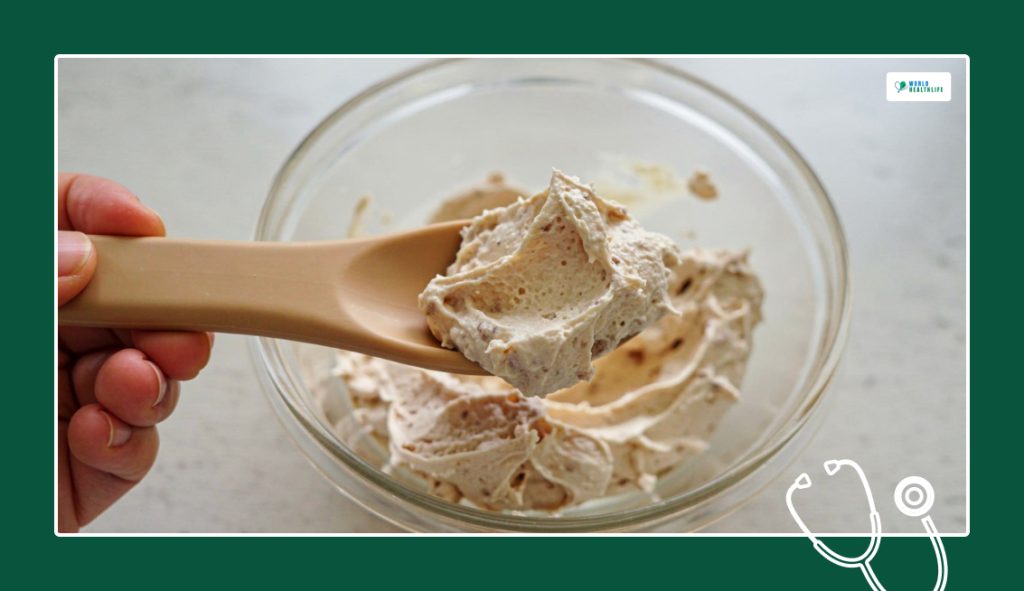
Use a hand blender to whip the bone marrow for 5 minutes. Most importantly, keep whipping until the color fades. After some time, you will get a frosty texture. That’s it. Now it is ready for use.
A Small Tip From Experience
Sometimes, while whipping, I used to add a small amount of breast milk or prepared formula. It is something unique, and I tried it on my own.
But I think it boosted my baby’s health. Therefore, I would recommend the same to every parent.
How To Serve: Baby-Led Weaning (BLW) Vs. Purees
Every family approaches starting solids differently.
The great thing about bone marrow is that its rich, buttery texture adapts perfectly to whatever feeding style you prefer.
For The Puree Method
If your baby is eating smooth textures, simply stir a warm teaspoon of whipped bone marrow directly into a warm vegetable mash.
Furthermore, it pairs beautifully with starchy base purees like sweet potato, butternut squash, or green peas.
For Baby-Led Weaning (BLW)
If your baby is self-feeding with whole foods, use the whipped marrow just like real butter.
Spread a very thin layer onto a firm, lightly toasted strip of whole-grain bread or a thin baby-safe cracker.
Consequently, this will allow your baby to grasp the food securely while practicing chewing and swallowing without dealing with loose, slippery globs.
Storing and Freezing Homemade Bone Marrow
Because cooked bone marrow is almost entirely pure fat, it is highly sensitive to temperature and can spoil quickly if left out on the counter.
Proper storage is crucial to prevent harmful bacteria from growing.
In the Fridge
Place any leftover cooked or whipped marrow into an airtight glass jar immediately after cooling.
Keep it refrigerated and use it up within 24 hours.
In the Freezer
If you want to prep in advance, spoon the freshly whipped marrow into silicone ice cube trays or baby food molds.
Freeze them completely, then pop the cubes into a freezer-safe bag. They will stay perfectly fresh for up to 3 months.
You can easily pop out a single mini-cube to thaw and melt into your baby’s meals as needed.
Is Bone Marrow Baby Food Safe?
Safety is a great concern for any toddler. Most importantly, they cannot share how they feel as you feed them something new.
For example, bone marrow baby food. In the same vein, there are some common risks I believe every parent should know about when feeding bone marrow to children.
Choking Risk: What You Need To Know
This is the question that most of the parents will ask as soon as they read the article: “Can my baby choke on bone marrow?”
I won’t lie. Certainly, they can choke over it. In simple words, if there are clots or globs in undercooked marrow, your child can easily choke on them.
Again, that’s why you need to follow the recipe I suggested. At the same time, you have to ensure you are whipping it completely. When the texture is like butter, your child will simply love it!
Allergy Risk: Is Bone Marrow An Allergen?
Whether you source it from beef or lamb, bone marrow is not considered an allergen by doctors. However, check whether your child has a red meat allergy. So it is better to take the suggestion from a child specialist.
I must also make you aware of alpha-gal syndrome. In other words, this is a syndrome marked by vomiting, hives, or diarrhea after feeding a complex food to children.
Bacterial Safety
There is a chance that bone marrow baby food may contain bacteria that are hard to digest.
For example, Salmonella or E. coli. So, never serve raw or undercooked bone marrow to a baby.
Also, try to store it in a safe and hygienic environment. But I recommend making small batches and serving it fresh.
Sourcing The Right Bones: What To Ask Your Butcher
When it comes to your baby, the quality of the source is far more important than anything else. Moreover, you want to choose bones that will deliver the cleanest and most nutrient-dense fat possible.
Pick Your Source
While beef femur bones are very popular, lamb, goat (mutton), and venison (deer) shin or thigh bones are equally incredible, nutrient-dense alternatives.
Choose the animal that best aligns with your family’s dietary preferences, culture, or religion.
What To Look For
No matter which animal you choose, always aim for organic, 100% grass-fed, or pasture-raised bones.
Animals raised naturally on open pastures accumulate significantly higher levels of anti-inflammatory Omega-3 fatty acids and lower levels of toxins or added hormones.
What To Ask The Butcher
Ask your butcher for a “canoe cut,” where the bone is split lengthwise.
This exposes the entire column of marrow, making it incredibly easy to roast and scoop.
If that is not available, ask for circular cross-cuts, which are about 2 to 3 inches thick. Additionally, that will work just as well for scooping.
The Big Picture On Nourishing Your Little One
It is completely normal to feel a bit hesitant when you first hear the words “bone marrow baby food.”
Serving an ancient, fat-dense superfood can feel like a massive leap from the standard, sugary fruit purees filling the grocery store shelves.
However, once you look past the initial hesitation, it becomes clear that nature provided exactly what developing brains and growing bodies need long before packaged foods existed.
By sourcing clean bones, checking carefully for fragments, and introducing it gently, you are giving your child an incredible nutritional head start.
Ultimately, trust your instincts, take it one spoonful at a time, and watch your little one thrive on real, ancestral nourishment.
Disclaimer: The information provided in this article is for general informational purposes only. It does not, and is not intended to, constitute medical or health advice. Please consult a qualified healthcare professional for medical guidance or expert health assistance.


