
I didn’t see it coming. That’s the part that still messes with me. I was the most functional kind of person. In other words, I always had deadlines stacked, and the phone was always buzzing. In fact, I grabbed meals standing up.
For me, sleep was a luxury. I knew my blood pressure ran high. But I kept missing every follow‑up appointment. When the headaches crept in, I brushed them off.
So here’s how my cycle was. I had Stress. So I started caffeine. I tried hard, but could not resolve the problem of poor sleep. I think you can understand why I am talking about these problems in particular. These were the main reasons behind the clot in brain. It’s my story. Don’t skip it.
Episode 1: The Tremor
Then one morning, something felt off. It was subtle at first. The left side of my face didn’t move the way it normally did. In addition, my arm felt heavier than it should.
After that, when I tried to speak, my words tangled. I felt my mouth and brain weren’t syncing. At the time, I didn’t think of ‘stroke”. Simply put, I thought: “maybe I need rest.”
Episode 2: The Bubble Bursts
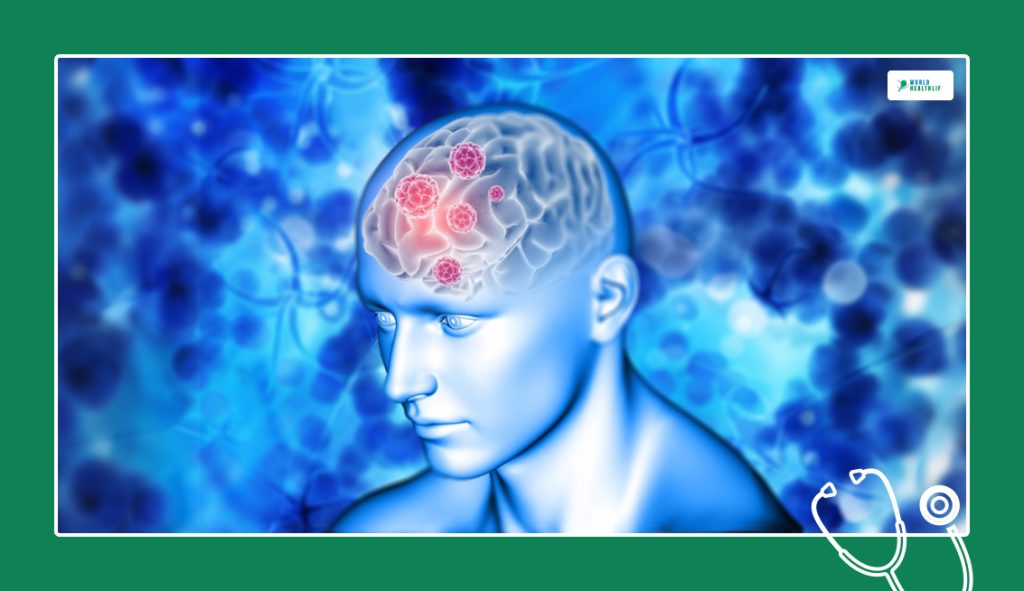
One day, I went to the ER. Certainly, the scans and the conversations with doctors revealed everything. I had a clot interrupting blood flow in my brain.
The part that shook me wasn’t just how serious it was. But I was surprised, thinking it looked so ordinary at first.
Takeaway For Readers:
If you live with high blood pressure, it’s time you became aware. Same, if someone you love has BP issues. I wish someone had told me these warning signs existed earlier.
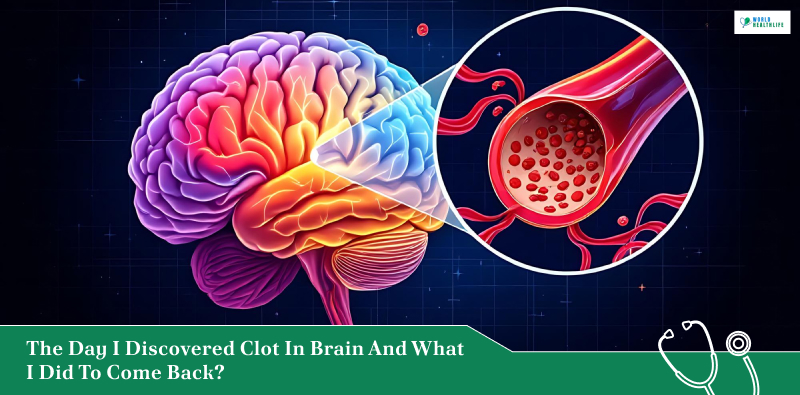
What A Brain Clot Actually Is?
One neurologist explained it to me in a way that stuck. He said, “Think of the brain like a city that runs on deliveries. No fuel, no power.”
Blood vessels are the delivery routes. Oxygen, glucose and everything the brain needs move through them nonstop.
Now, a clot is essentially a traffic jam you can’t detour around. When one forms inside a vessel, blood flow drops or stops entirely. And unlike other parts of the body, the brain doesn’t have much tolerance for delays. Simply put, every minute matters.
What Medical Journals Say About Your Clot In Brain
A clot in the brain is an alarming situation, no doubt. So, I wanted to see what medical journals say about my situation.
Firstly, I found that authoritative sources like the American Stroke Association and Mayo Clinic confirmed what my care team had said. According to them, nearly 9 out of 10 strokes are ischemic.
In other words, a blockage is the culprit, rather than bleeding. That felt very personal once I realized how common this scenario actually is.
I also remember digging through patient stories on Johns Hopkins Medicine’s stroke resource hub. Actually, I was trying to reconcile the number of people who described symptoms they almost ignored. After reading those accounts, I replayed my own morning over and over. You can guess how close I came to waiting it out.
The Origin Of Clot In Brain
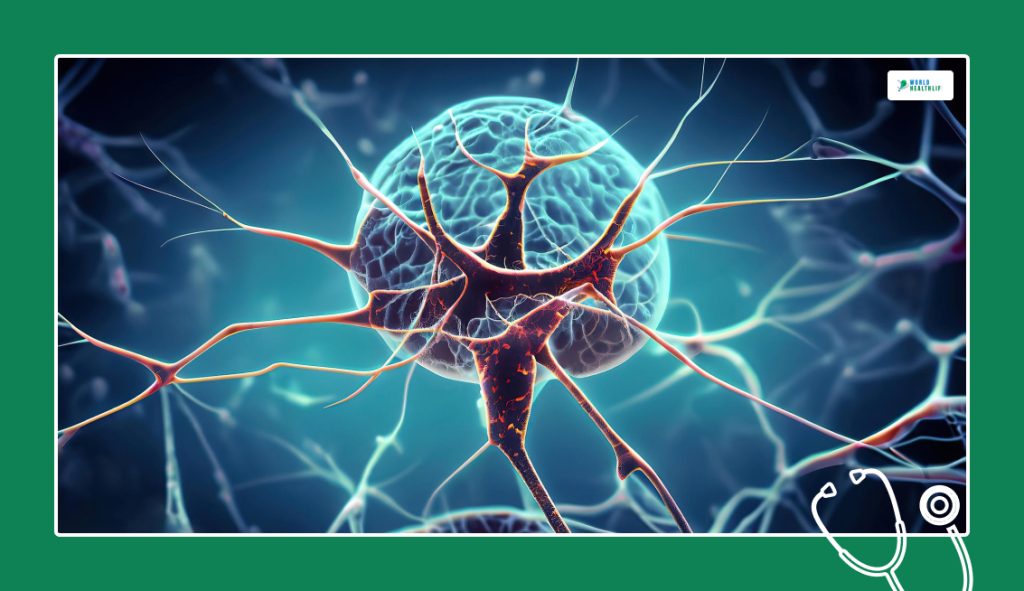
Clots don’t always form where they get stuck. Sometimes they originate in the heart (especially with rhythm disorders). Again, they can originate in narrowed neck arteries.
To sum up, it can be somewhere else entirely. However, the clots travel until they reach an endpoint. Again, that’s where the damage starts. Yes, you are right, it’s the brain.
There’s also a lesser‑known type. Again, this is something I hadn’t heard of until my neurologist mentioned it.
This is a type of clot in the veins that drains blood away from the brain. High‑authority reviews from institutions such as the Cleveland Clinic explain how these can quietly increase pressure inside the skull. As a result, it creates a different but equally dangerous chain reaction.
Clot In Brain Is An Amergency!
Every credible medical body says the same thing. But after living with a clot in brain, I understand why. A clot affecting the brain is an emergency. No questions asked.
Often, we keep delaying, even after the body gives us serious symptoms. For example, I once thought, “let’s monitor this.”
As symptoms escalated, I thought I’d be alright, “maybe after some rest.” For days, I said to myself, “I’ll see how I feel tomorrow.”
One ER doctor told me something I’ll never forget:
“We don’t treat strokes based on how bad they feel. We treat them based on how fast you act.”
That’s the same lesson I got from the CDC and World Stroke Organization.
Looking back, I didn’t need more information. I needed a clearer context. To clarify, I needed someone to say,
“This is what it really looks like when it’s happening to someone who thought they were managing just fine.”
The Signs I Almost Ignored
Looking back, I realize that the signs were there. I had a sudden, strange headache. Again, it was not like any I’d had before.
For instance, one side of my face felt oddly numb. When I tried to speak, the words felt stuck. My arm on one side didn’t work the way I expected.
There’s a simple test doctors use that I now share with everyone: think of the word FAST.
- F — Does one side of the face droop?
- A — Is one arm weak or feels numb?
- S — Is speech slurred or strange?
- T — Time to call for emergency help immediately.
The moment any of these appear, you call the doctor. Remember, don’t drive yourself. Most importantly, don’t wait for help. Every minute of delay means more brain cells lost. After all, doctors call it “time is brain” for a reason.
Takeaway For Readers
Save the emergency number on your phone right now. Put FAST somewhere visible at home. If you have high blood pressure, talk to someone at home about what to look for.
What The Doctors Found And Did
When I finally got to the hospital, everything moved fast. A scan showed where the blockage was. The doctors explained that the first window is when a clot-dissolving medicine can be given through a drip to break it up. Again, that is roughly 3 to 4 hours after symptoms appear.
Miss that window and the options change. In some cases, a thin tube is guided all the way to the clot to physically grab and pull it out. The earlier you get there, the more tools are available.
I was lucky. I got there in time.
Takeaway For Readers:
If you’re on blood pressure medication, don’t skip doses. High blood pressure silently damages your blood vessel walls over the years.
As a result, the risk of clot in brain keeps multiplying. That’s why you must treat your medication as necessary as food, sleep, and work.
What I Changed: The Story Of How I Brought My Blood Pressure Down
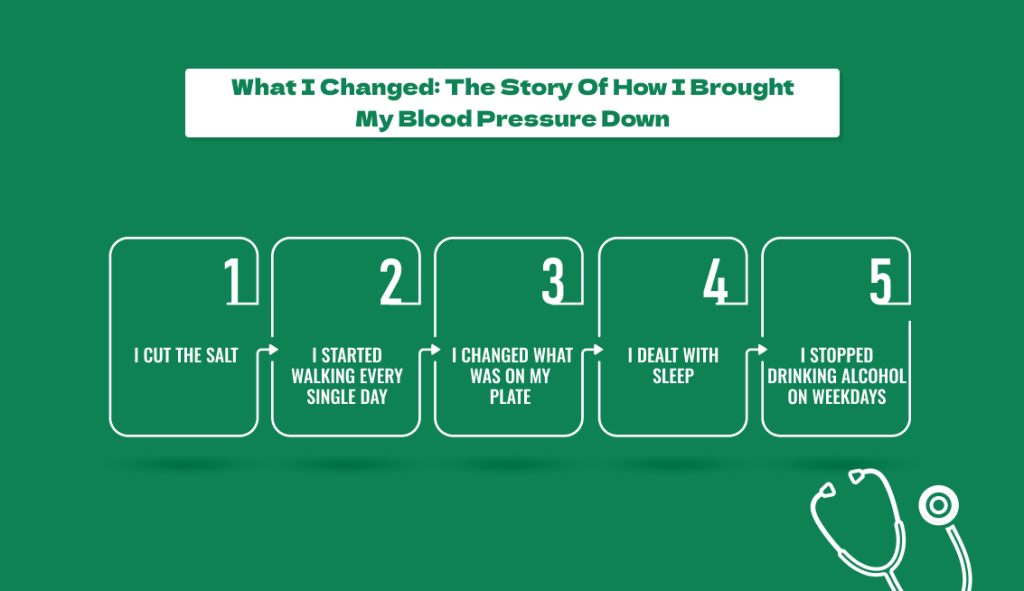
This is the part I want to talk to you about directly. But remember that nobody gives you a real, honest picture of what actually changes your numbers. So this part is important. Don’t skip it!
First, I cut the salt
I stopped eating packaged snacks, processed food, and restaurant meals more than once a week. Certainly, I stopped having table salt.
Salt holds water in your blood vessels. At the same time, it forces your heart to push harder. Within two weeks, my readings started moving.
Second, I Started Walking Every Single Day.
Remember, no running, and certainly not the gym. I am talking about just 30 minutes of walking after dinner. It feels embarrassingly small.
But movement tells your blood vessels to relax and expand. That lowers the pressure. After about three weeks, the change showed up in my numbers.
Third, I Changed What Was On My Plate.
First thing, I went for more vegetables. In particular, I started eating leafy greens. Most greens help relax blood vessels naturally.
After that, my motto was less red meat. But I increased my fish intake. Instead, I started having more bananas and sweet potatoes.
My doctors said foods rich in potassium work almost in opposition to salt. In other words, they help flush out the excess fluid.
Fourth, I Dealt With Sleep.
I used to sleep an average of five or six hours. Now I secure seven to eight hours of sleep every day. What changed is that I now know poor sleep raises blood pressure.
Again, doctors say it is the same way stress works on your body. In simpler words, the body stays in high alert all night.
Fifth, I Stopped Drinking Alcohol On Weekdays.
Alcohol raises blood pressure. Yes, even small amounts over time add up. To sum up, every one of you with a drinking habit has this risk. So, just limit your alcohol portions. I bet you can see the result very soon.
Takeaway For Readers:
You don’t have to overhaul everything at once. Pick one thing from this list. Then, do it consistently for two weeks. Then add another.
Remember that small, consistent steps beat dramatic short bursts every time.
How Did My Blood Pressure Actually Normalize?
Three months after making these changes, I went back for a check-up. My doctor looked at the numbers and said, “Whatever you’re doing, keep doing it.”
My readings had dropped from consistently being in a dangerous range to squarely within the normal zone. But there is no magical story to tell.
In other words, the small habits resulted in a big change. I mean, the walking, better sleep, and avoiding salt helped a lot. At the same time, my doctor still has me on medication. Certainly, I take it every day without question,
Takeaway For Readers:
High blood pressure mostly comes without a hint. That’s what makes it dangerous. So, make a habit of checking blood pressure monthly.
If it’s high, treat it like an emergency. In conclusion, remember that your brain is counting on those vessels. Therefore, you need to keep them in good shape every day.


