
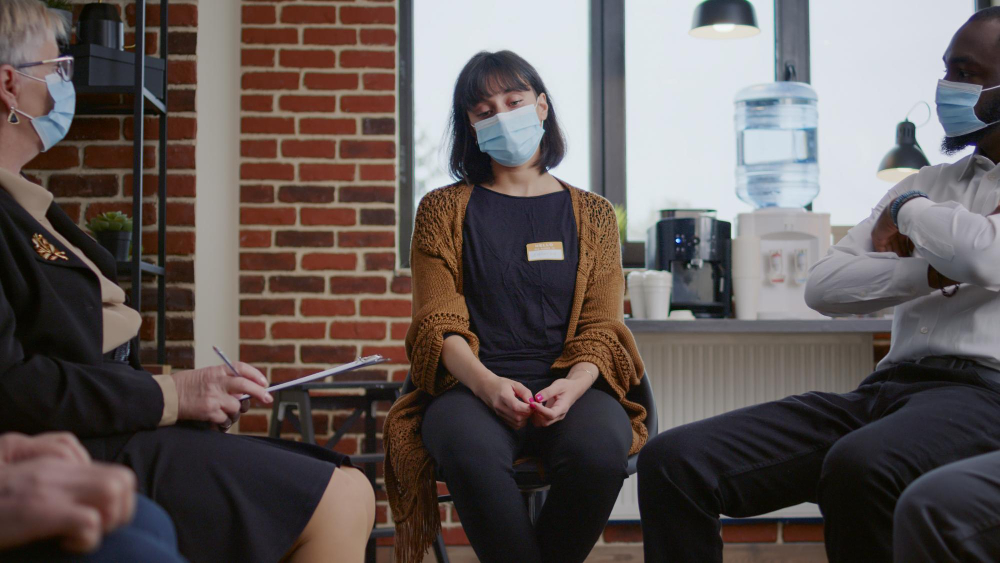
When reviewing and comparing rehab facilities, you may notice that many of the most well-known ones list the programs and activities they provide for those choosing to recover from their addictions.
Therapy and counseling are regularly included, but guests are also exposed to other offerings such as massage, yoga, meditation, and even botany.
As someone exploring drug rehab programs and activities for yourself or a loved one, you might be curious about the value such programs bring and whether they actually help someone in the throes of addiction. While everyone’s life journeys are different, the following activities may prove more valuable than you think:
Therapy And Counseling
Whether you’re checking into a Mexico rehab clinic or one in the middle of the United States, you’ll find that therapy and counseling are at the core of it.
Most drug rehab programs and activities centers offer regular therapy sessions multiple times a week to highlight and address obstacles that could hinder progress.
Not everyone walks into rehab ready to open up right away. Some people take time, others don’t even know what to say at first, and that’s normal.
That said, there’s a reason these places rely on structured support instead of guesswork. There’s a mix of approaches being used, many of them backed by research and adapted to what someone actually needs. Organizations like the National Association of Addiction Treatment Providers often highlight how varied this can get.
Variation In Therapies
For some, it starts with simple one-on-one conversations. Just talking things through, slowly. For others, it’s more structured, like cognitive behavioral therapy, which focuses on how thoughts and reactions feed into habits.
It’s been shown to be effective in both mental health and addiction settings, whether used alone or alongside other methods.
Group sessions tend to feel different. You’re hearing other people talk through their experiences, sometimes things you haven’t said out loud yourself. That shared space can shift things in ways that are hard to explain until you’re actually in it.
Then there are approaches like DBT: more focused on handling emotions in the moment, especially when things feel overwhelming. It’s not about fixing everything overnight, but more about building small ways to cope.
Over time, it’s been seen to successfully treat both substance use and related mental health struggles.
And in some cases, especially where trauma is involved, other methods come in. Things like EMDR, which sounds unfamiliar at first but is really about working through distress that hasn’t settled.
There isn’t one fixed path through all this. Most plans shift as people go, depending on what’s working, what isn’t, and what comes up along the way.
Yoga
Yoga seems like a relaxing activity to pass the time, but in a drug rehab programs and activities setting, it’s much more than that.
In reality, it is a mind-body practice that is proven to reduce stress and anxiety and improve mental and physical health. In the management of drug dependence, it shows great promise.
As it includes elements of exercise, meditation, breathing work, and concentration, yoga has long been included in therapy programs to help guests manage the effects of their drug addiction.
It has shown the most promise in nicotine addiction and withdrawal. Further research is needed to learn its true value for other substances.
Meditation
Many drug rehab programs and activities guests are dealing with intrusive thoughts and impulses, and meditation can be a wonderful holistic tool to help with those.
The continuous possibility of relapse complicates substance use disorder interventions. Even after decades of research, relapse rates are not where we would like them to be, which underscores the need for more effective treatments.
Current research suggests that addiction happens partly because the brain systems that help us learn what feels rewarding and the ones that help us make good decisions and control our impulses stop working together properly.
Emerging evidence suggests that mindfulness training may target those mechanisms to provide therapeutic effects on substance use disorders and prevent relapse. There’s potential for it to:
- Improve self-control to reduce opioid misuse
- Reduce cravings
- Restore natural rewards
- Improve emotional regulation
- Strengthen the brain systems involved in control
- Increase positive moods immediately after a guided meditation session
Nutrition
Food is usually the last thing people think about when they talk about recovery. But it shows up pretty quickly once the body starts trying to stabilize.
A lot of substances mess with how your system works: digestion, appetite, and even nutrient absorption.
So by the time someone enters rehab, it’s not just about quitting a substance. The body’s already running low on things it actually needs.
It is not the best time to take creatine for muscle gain. Rather you must stabilize the essential micro nutrients in your body first.
That’s why nutrition becomes part of the process, even if it doesn’t feel urgent at first. Simple additions, like more fruits, some whole grains, and iron-rich foods, are not dramatic changes. But they help the body recalibrate slowly.
No one’s expecting a perfect diet. It’s more about rebuilding what’s been missing, bit by bit.
Animal-Assisted Therapy
Not everyone wants to talk right away. Some people sit in those early sessions and just don’t have the words yet.
Interestingly, they might still connect, just not with people first.
This is where animal-assisted therapy fits in. Being around animals tends to create a different kind of response. There’s no pressure to explain anything. You just sit, interact, exist in that moment. And for a lot of people, that’s easier.
There’s also research backing some of this. For instance, interactions like these are known to support well-being in ways that go beyond just “feeling better” for a few minutes.
Dogs, especially, are commonly part of these programs. Not in a structured, clinical sense. Rather, more in a quiet, consistent presence kind of way. Over time, that interaction builds trust, even if it starts small.
People often underestimate how grounding that can be. The beneficial and therapeutic effects show up gradually. For instance, less tension, better engagement, sometimes even opening up in ways that didn’t happen in formal sessions.
It’s not a replacement for therapy. But for some, it’s where things begin.
Gardening
Alternative forms of therapy, such as horticultural therapy and therapeutic gardening, are generally underutilized, even though their value is well known.
In treatment centers that have introduced gardening as a form of therapy, it was found that it had ‘beneficial and therapeutic’ effects on at-risk populations, including those living with mental health illnesses and substance use disorders.
- Reduced stress and improved mood
- Better coping with cravings
- Food/nutrition awareness
- Physical activity
- Improved sense of well-being and recovery outlook
- Improved social connections
- Coping skills development
- An interest in gardening after treatment
Massage Therapy
As unusual as it might seem for drug rehab programs and activities centers to provide massage therapy as a core program offering, there’s more value in this area than you think.
Massage increases dopamine and serotonin levels while decreasing cortisol levels. When dopamine drops significantly in the early stages of withdrawal, being able to increase those levels can aid in decreasing discomfort.
The same can be achieved through exercising too. Even if you cannot indulge an hour daily, learn the best office exercises at desk that you can do at will!
Massage can also be helpful for other physiological and emotional issues in recovery, such as pain, sleep problems, anxiety, and agitation, as it helps the body release fewer stress hormones.
Additional Tip:
Talk therapy may be among the most common treatment options available in drug rehab programs and activities centers, but it’s far from being the only one. Therapy dogs, massage, meditation, and gardening are just some of the many program offerings that can help rehab guests on their journey to sobriety.





How to Get Addiction Treatment for Free: Your Available Options
September 23, 2026[…] needed for some, they may not be right for everyone, particularly if you need help right now. Private rehab can give you the instant help you need, but of course that does come at a […]