My friend Marcus is 34. He is not a drinker. Neither does smoke. He went in for a routine abdominal scan last year. For a few days, he felt a nagging discomfort under his right rib.
At first, he did not think it could be something serious. His parents thought it was gas. I thought maybe it was a pulled muscle from carrying boxes.
However, the doctor suggested an ultrasound test. Meanwhile, the radiologist’s report changed everything. It said fatty liver Grade 3. He called me that evening, confused. “What does Grade 3 even mean? Is it like cancer stages? Am I dying?”
I assured him he wasn’t dying. But he was not okay either. And the information online was either too clinical or too vague to actually help him understand what was happening inside his body.
That conversation inspired me to write this blog. Not as a doctor because I’m not one. But as someone who has seen what grade 3 fatty liver can cause. I also spoke in detail with his care team.
What “Grade 3” Actually Means For A Patient?
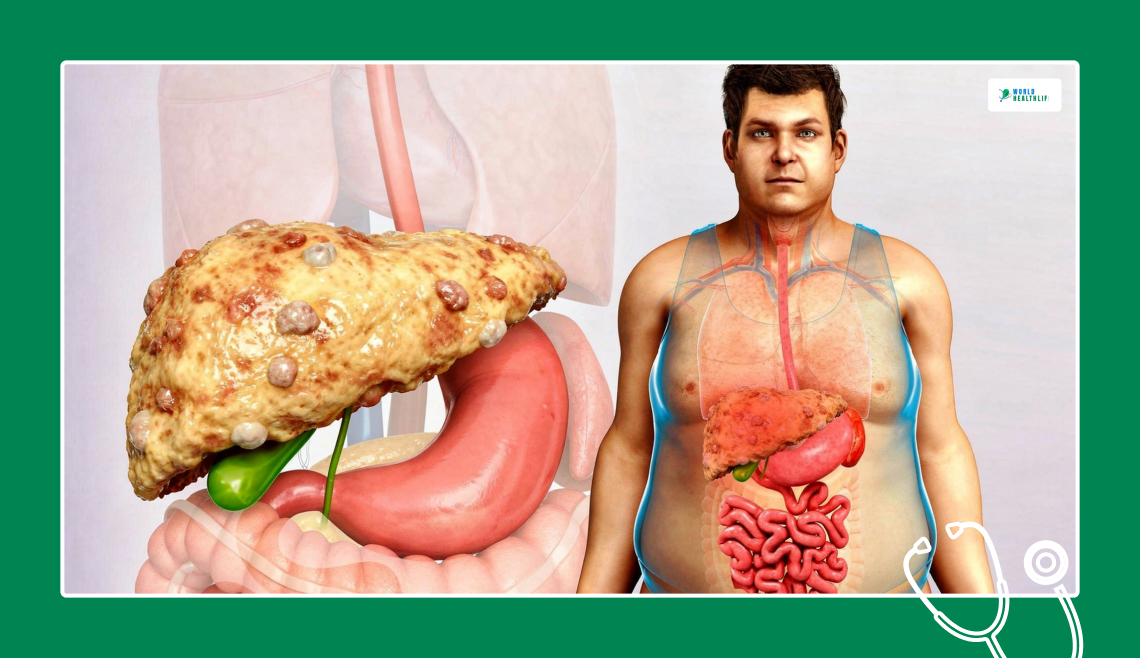
Your liver is supposed to have a small amount of fat. That’s normal. But when the fat content exceeds 5%, we call it fatty liver grade 1.
Gradually, that reaches fatty liver grade 3. As Marcus was not a drinker, this is a case of non alcoholic fatty liver disease. Again, fatty liver is always graded in three stages.
Grade 1 Fatty Liver is mild and almost always asymptomatic. In a few cases, people feel fatigue and are rarely bloated. However, the fatty liver grade is 2 as well. The disease becomes severe. However, the bad part is that you will still see no warning symptoms.
After that, you have the grade 3 fatty liver. Is grade 1 fatty liver dangerous? No. It’s totally passive, like grade 2 fatty liver.
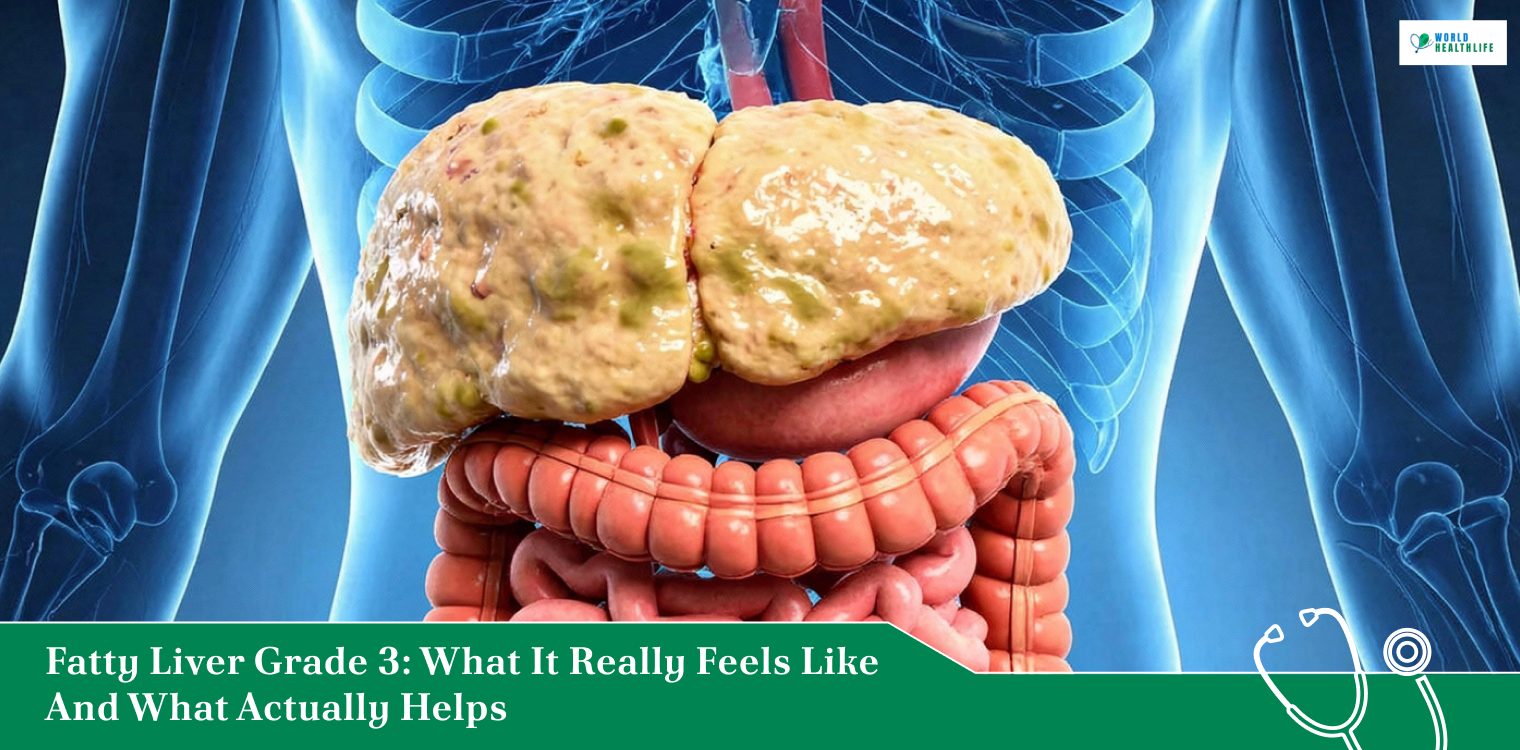
But grade 3 requires caution and careful treatment. At this stage, over 66% of the liver tissue is covered with fat.
In simple words, grade 3 fatty liver means the natural shape of the liver is distorted due to excess fat. At the same time, there are scars and clear inflammation.
In addition, it means that the liver is also not working properly. In other words, you may experience fever and jaundice too when you are suffering from fatty liver grade 3.
How Common Is Fatty Liver Grade 3 Among Americans?
Marcus felt embarrassed at first. He thought fatty liver was something that only happened to people who ate terribly or drank heavily. But I told him that he was wrong.
The American Diabetes Association claims that 38% AMericans now have non alcoholic liver fat. This is a serious concern. Again, the problem has increased sharply over the last 30 years.
According to the American Diabetes Association, the prevalence of NAFLD in the United States is now 38%.
The NIDDK projects that 25% easily has non alcoholic LFD. Probably, they don’t have an idea of it.
Among people with type 2 diabetes, around 55–70% develop a grade 3 fatty liver problem. Therefore, this is not a rare condition.
To clarify, this is quietly happening in millions of American households.
The Signs That Often Get Ignored
Here is the cruel part about fatty liver. For a long time, it has given you almost nothing. No obvious pain. No dramatic symptoms. Marcus’s only real complaint before his diagnosis was that he felt tired constantly.
As he woke up, he would feel unexplainably tired. Meanwhile, he said he would also feel occasional discomfort on his upper right side.
He blamed it on work stress. His wife blamed it on bad posture from sitting at a desk all day. His primary care doctor initially chalked it up to age.
That’s how Grade 3 sneaks up on people. It was quietly building for years before the scan. is grade 1 fatty liver dangerous? You become cautious but gradually grow complacent.
Again is grade 2 fatty liver dangerous? Negligibly. Yoiur caution once again slips. That’s how you reach grade 2. At this stage, there is no scope of asking questions about danger.
What Are The Common Symptoms When You Reach Fatty Liver Grade 3?
1. A constant tiredness that you cannot formally define. In other words, you always feel tired irrespective of how much you sleep.
2. A clear but dull right upper quadrant pain that is due to liver pressure. In addition, there is a constant sense of fullness.
3. After meals, you feel exceptionally tired, almost drowsy.
4. You can either gain weight or start losing it. In both cases, you can’t justify what’s causing it.
5. When liver function is not right, you will feel your eyes are yellowish, or your skin has a yellow tint.
6. Swelling in the lower part of your body is also common. Especially feet and legs.
If you experience any of these symptoms, you need to consult a doctor immediately. It is a clear signal that you need immediate medical assistance.
How Fatty Liver Grade 3 Gets Diagnosed?
Marcus’s story is actually common. The diagnosis came during an unrelated scan. That’s how a lot of Grade 3 fatty liver cases get found. Mostly by accident, during imaging for something else entirely.
When an ultrasound report says “Grade 3 fatty infiltration,” it means the radiologist observed what’s clinically described as a “marked increase in echogenicity.” Simply put, the liver looks unusually bright and dense on the scan.
To clarify, that means the fat is reflecting the sound waves back. At Grade 3, the internal vessels and even the diaphragm become hard to see clearly through all that fat.
After Marcus’s scan, his gastroenterologist ordered a full blood panel. The main objective was to check the ALT and AST levels. These are the liver enzymes that came back elevated. So did his triglycerides.
He also had a FibroScan, a non-invasive test that measures liver stiffness. High stiffness means fibrosis. In other words, scarring has started. His results showed early fibrosis. Not cirrhosis. But a warning sign loud enough that everyone in the room took it seriously.
Do you need to find a gastroenterologist near you? The American College of Gastroenterology has a Find a GI Doctor tool where you can search by ZIP code, insurance, and speciality.
What Marcus Learned From The Doctors?
One thing that frustrated Marcus was that his initial appointments were full of clinical language. That’s why Marcus got very little practical guidance.
He was told to “lose weight and eat better.” That’s it. Nobody told him how much weight.
At the same time, nobody explained what “eating better” means for a liver that’s already Grade 3. Lastly, nobody addressed the insulin resistance that was quietly driving the whole thing.
It took a second opinion from a hepatologist. In other words, a liver specialist. The objective was to get a real plan.
Here’s what that plan actually looked like:
Weight Loss Target
Even losing 5–7% of body weight can begin to reduce liver fat. Losing 10% or more of body weight can reduce inflammation and halt fibrosis. These aren’t my numbers.
To clarify, they’re backed by clinical guidelines and multiple peer-reviewed studies. Marcus weighed 228 pounds. His goal was to get to 205 first.
No Alcohol At All
Even moderate drinking accelerates damage in an already-stressed liver. Therefore, you have to completely stay away from alcohol.
That is to say, treating non alcoholic LFD is easier compared to alcoholic liver function disease.
Diet Changes
Remember, what you need is not a crash diet. To clarify, the doctor asked him to consider a sustained shift toward a Mediterranean-style pattern. In other words, he had to eat vegetables, legumes, fish, whole grains, olive oil, and nuts.
At the same time, the doctor asked to cut some things off. Processed sugar was the first thing to go. Followed by fructose corn syrup, sweetened drinks, and packaged snacks.
Walking And Steady Movement
Research reported in clinical guidelines shows that brisk walking for 150 minutes per week over three months can reduce liver fat content by more than 30%.
Not running or gym sessions. What you need to focus on is walking every day.
Can Grade 3 Fatty Liver Be Reversed?
This is the question Marcus asked at every appointment. The honest answer is: it depends on how far the damage has gone.
At Grade 3 without significant fibrosis, there is real hope. The liver has remarkable regenerative capacity.
Studies show that exercise and diet changes together led to remission in fatty liver disease in 64% of participants in one controlled study. That’s not a small number.
If fibrosis has progressed to cirrhosis, full reversal is not possible. So, the only option is that you have to manage your disease. In other words, you can slow doen the damage rate. In addition, you can protect the part that is still working.
To sum up, fatty liver grade 3 is not the end of the road. If it’s grade 3, it is not obviously cirrhosis. But don’t delay. Take charge immediately and start your welfare journey.
What Doctors Look For And When To See One Urgently?
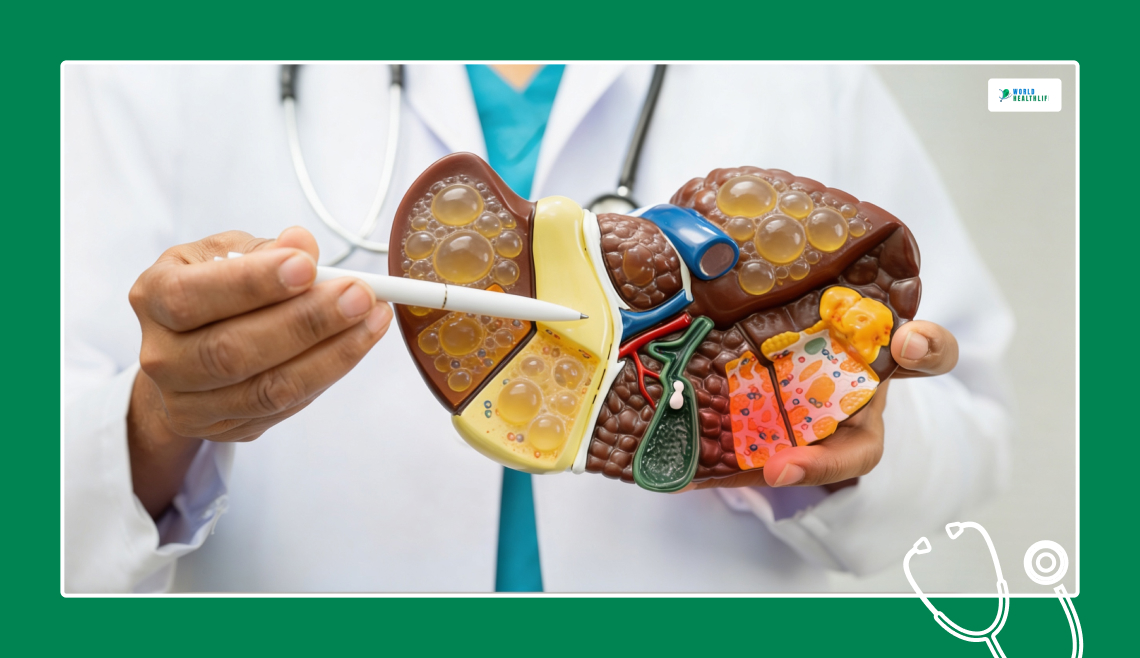
Most Grade 3 patients are not in immediate danger today. But there are warning signs that mean you should not wait for your next scheduled appointment.
See a doctor urgently if you notice:
- Clear signs of jaundice
- A swelling on the front of the belly that was unexpected and occurred overnight
- Unusual forgetfulness, that can stem from hepatic encephalopathy. Simply put, it means the liver can’t filter toxins, which deposit in the brain.
- Blood vomiting due to enlarged oesophagus veins. The enlarged liver puts pressure on the oesophagus, causing blood to back up.
Get Immediate Guidance From These Sources
| NIDDK Liver Disease Information | This is a reliable, government-backed resource on NAFLD |
| American Liver Foundation Helpline | Call: 1-800-465-4837. Get help from nurses & counsellors. Ask queries about: Your current condition Better treatment options Searching for specialists near me |
Why Fatty Liver Grade 3 Isn’t Just About Diet And Exercise
One more thing I want to say, because it mattered for Marcus.
Getting a fatty liver grade 3 diagnosed feels like a failure. People feel ashamed. They blame themselves. They replay years of food choices and wonder what they did wrong.
Marcus sat quietly in his car for twenty minutes after one appointment. He called it “the parking lot moment.” Just sitting there, not knowing what to feel.
The thing is, fatty liver at this level usually builds over a decade or more. It’s tied to genetics, to insulin resistance that often runs silent for years, and to the food environment we all live in.
To clarify, ultra-processed foods are available at every corner. Again we are all victims of a sedentary work culture. Moreover, we secrete relentless stress hormones that drive cortisol and fat storage.
This is not a character flaw. It is a metabolic condition. And like most metabolic conditions, it responds to sustained, patient effort.
Marcus has been at this for fourteen months now. His most recent FibroScan showed improvement.
But I am happy because his liver is creating enzymes at normal rates. At the same time, he has lost several pounds. This is a clear indicator that he is recovering quickly.
Lastly, he has improved his timings. He now eats lunch at 12.00 and dinner at 7.00. At the same time, walking 5 kilometers at a stretch is the norm for him now.
Find a liver specialist: The American Association for the Study of Liver Diseases (AASLD) offers a Find a Hepatologist tool for patients seeking specialized liver care anywhere in the US.