
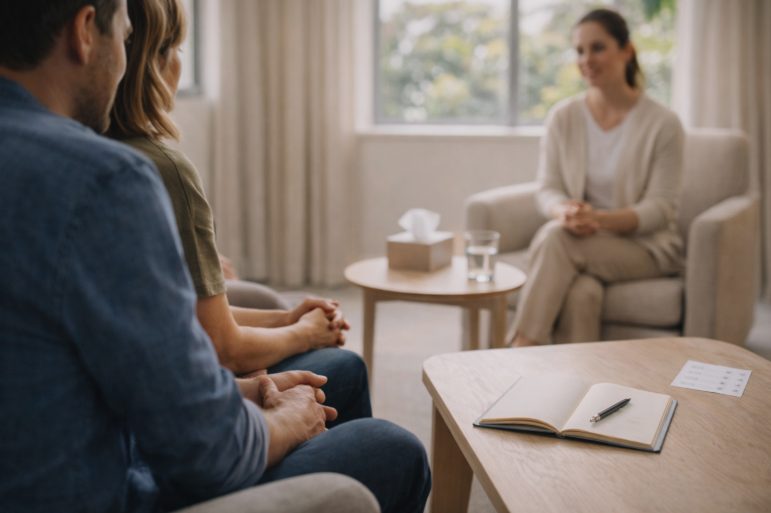
Taking the step to book couples counselling can feel a little intimidating. You might be wondering whether the session will turn into a blame game, whether you will be forced to rehash every argument, or whether a therapist will tell you your relationship is beyond help. Those fears are common, especially if you and your partner already feel tense or stuck.
In reality, a first appointment is usually structured, practical, and focused on getting clarity. If you are considering couples counselling Brisbane, it helps to know what the first session typically looks like so you can walk in feeling more prepared and less on edge.
Why the first session matters
The first session is not about “fixing everything” in one hour. It is about understanding what is happening between you and identifying what needs to change. It is also a chance to see whether the therapist feels like the right fit for both of you.
You do not need to arrive with perfect language. You just need to show up honestly and be willing to try a different approach than the one that has not been working.
What typically happens in the first session
1) You share what brought you in
Most therapists begin by asking each partner, in turn, why you decided to come now. You might mention recurring arguments, emotional distance, a breakdown in intimacy, trust concerns, parenting pressure, or a lingering sense of resentment.
A good therapist will help slow things down so you can explain your experience without being interrupted or derailed.
2) The therapist creates a safe structure for conversation
Couples sessions can get heated because the issues matter. Early on, the therapist may set simple guidelines such as:
- One person speaks at a time
- No interrupting, name-calling, or sarcasm
- The goal is understanding, not winning
This is not about controlling you. It is about helping both people feel safe enough to be honest.
3) You clarify goals, together and individually
Some couples want fewer fights. Others want to rebuild closeness, reconnect emotionally, repair trust, or navigate a major decision. Sometimes each partner wants something slightly different, and that is normal. The therapist helps shape those hopes into clear goals, for example turning “we need better communication” into “we want to discuss hard topics without shutting down, yelling, or spiraling for days.”
4) You start identifying patterns, not just topics
One of the most helpful parts of couples counselling is seeing the pattern you get stuck in. For instance, one partner may push for immediate discussion while the other withdraws, and both end up feeling unheard. The therapist listens for these cycles and reflects them back in a way that reduces blame and increases understanding.
Often, couples realize the real issue is not only what they are fighting about, but how they fight and how they repair afterward.
5) You may explore background and context
To understand the relationship, the therapist might ask about:
- How you met and what initially worked well
- Major life changes (kids, work stress, illness, relocation)
- Family dynamics you grew up with
- Past experiences that still affect trust or safety
This is not digging for drama. It is about understanding what shapes your reactions, expectations, and triggers.
6) You leave with a plan, even if it is small
Many first sessions end with a practical next step. That could be a simple check-in routine, a communication exercise, or one agreement to try before your next appointment. Sometimes the plan is also about what to stop doing, like continuing a conversation when one person is flooded and no longer processing clearly.
Common questions couples have
Will the therapist take sides?
A skilled therapist aims to stay neutral and fair. That said, neutrality does not mean tolerating harmful behavior. The focus is on safety, respect, and change.
Do we have to share everything in the first session?
No. You can go at a pace that feels manageable. If something is sensitive, you can say you are not ready to unpack it yet.
What if we argue during the session?
It happens. It can even be useful, because the therapist can guide you in real time and help you practice different responses.
How many sessions will we need?
That depends on your goals and your situation. Some couples come for a short reset, while others need more time to rebuild trust or change long-standing patterns. Consistency and willingness to practice between sessions matter more than perfection.
How to prepare so the first session goes well
A little preparation can help you get value quickly:
- Agree on one or two key issues to start with
- Think about what “better” looks like day to day
- Arrive open-minded, even if you feel nervous
- Avoid building a case against your partner on the way there
Couples counselling works best when it becomes a shared project: not “me versus you,” but “us versus the pattern.”


