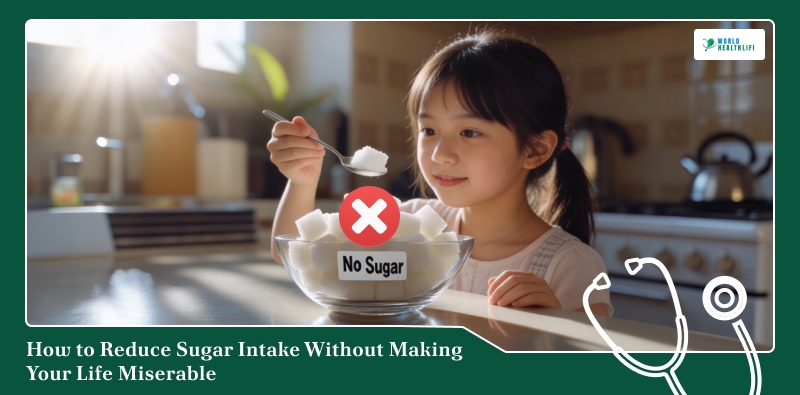
Today’s topic: How to reduce sugar intake?
In most cases, sugar sneaks in through ways you don’t notice. These include breakfast cereal, bottled coffee, flavored yogurt, salad dressing, ketchup, and even “healthy” granola bars. In fact, they are so normal that people stop noticing their sugar content.
Then one day, you realize you’re tired all the time. Also, you might be craving snacks at unusual hours. Moreover, you might be thinking way too hard about dessert after dinner.
So, how to reduce sugar intake without turning meals into punishment?
Primarily, cutting back on sugar does not change your personality. In fact, there is no need to become the person who suddenly loves plain oatmeal and judges birthday cake. What helps more is a better system.
All you need is a few swaps and a little awareness. Moreover, you require some patience, too. This is because your taste buds don’t change overnight. Rather, they adjust slowly, parang kailangan din nila ng training.
Why Reducing Sugar Feels Harder Than It Should
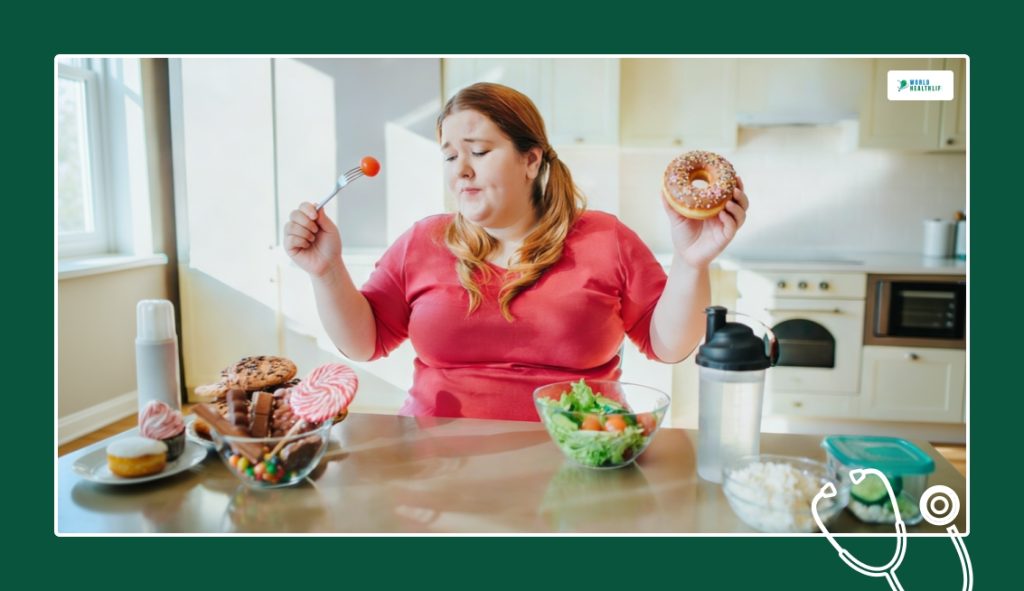
In general, many people assume sugar is only the obvious items. These include candy, soda, cookies, and cake. However, the bigger issue is usually the sugar you are not paying attention to.
For instance, you might think you are doing okay. Then, you flip over a label and realize your pasta sauce tastes “balanced” because it has added sugar. The same goes for bread, cereal, and those snack bars that look healthy because their wrappers are beige.
Moreover, sugar also builds habits fast. Although there is no dramatic addiction, there is still a definite pattern. You eat something sweet, your energy jumps, and then dips. So, a few hours later, you want more.
Minsan doon ka nadadale, not because you’re weak. It is just because your routine has been teaching your body to expect quick sweetness all day.
What Counts As The Problem
At the outset, natural sugar and added sugar are not the same. In fact, people mix them up all the time. Of course, fruits and milk have sugar.
However, those foods contain fiber, protein, and vitamins. Also, they contain other nutrients that are useful for your body. So if you’re trying to figure out how to reduce sugar intake, don’t start by panicking about bananas. Rather, start with the added items.
Read Labels Like You Are Slightly Suspicious
No one needs to stand in the grocery aisle analyzing every package like a detective. That gets exhausting quickly. However, reading labels a little more often does change things. This is because it helps you stop guessing.
At first, it feels annoying, then it gets somewhat easy. In this case, you start noticing patterns. Essentially, foods marketed as “light” or “low fat” make up for flavor with sweetness. Yogurts are a big one, and breakfast cereals too. Also, breads are sneakier than people realize. [Source: Harvard T.H. Chan School of Public Health]
So can sauces, coffee creamers, and flavored drinks pretending to be wellness products. Sobrang dali magkamali dito because the packaging does half the persuading for you.
If sugar shows up early in the ingredient list, or if the product tastes much sweeter than it needs to, that’s your clue. Basically, you don’t have to ban it forever. Just compare it with another option on the shelf. There’s usually a better one right beside it.
Hidden Sugar Traps That Catch People Off Guard
The following are a few places where sugar hides in plain sight:
- Flavored yogurt
- Bottled smoothies and juices
- Breakfast cereals and instant oatmeal
- Pasta sauces and ketchup
- “Protein” bars and granola bars
This isn’t about fear, but more about pattern recognition. In fact, once you see where sugar lives, you stop giving it free rent in your diet.
Start With Drinks First Because They Are The Easiest Win

Drinks are the best place to begin every time. This is because liquid sugar adds up fast. Also, it usually doesn’t make you feel full anyway. The following are some options that consist of sugar:
- A sweet coffee in the morning
- Soda with lunch
- Bottled tea in the afternoon
- Maybe juice at dinner.
That can turn into a full day of extra sugar with little thought. Also, cutting back here doesn’t have to be extreme. In fact, you don’t need to go from caramel frappes to plain hot water with lemon and pretend you’re happy about it.
All you have to do is step down gradually, using less syrup in coffee, unsweetened tea sometimes, and sparkling water when you want something fizzy. Kahit small changes lang muna, okay na iyon. In the end, the goal is progress you can repeat.
A Better Drink Swap Mindset
Think less about restriction and more about replacement. If you only focus on what you are removing, it feels bleak. However, if you focus on what still works, it feels manageable.
| Common Habit | Lower-Sugar Swap | Why It Works |
|---|---|---|
| Sugary iced coffee | Coffee with less syrup or plain milk | Keeps the ritual, cuts the overload |
| Soda with meals | Sparkling water with citrus | Same cold, fizzy satisfaction |
| Sweet bottled tea | Unsweetened iced tea | Still refreshing, less sweetness |
| Juice every morning | Whole fruit plus water | More filling and less concentrated sugar |
Simple changes are usually the ones that stick.
Stop Trying to “Quit Sugar” and Just Make Food Less Sweet
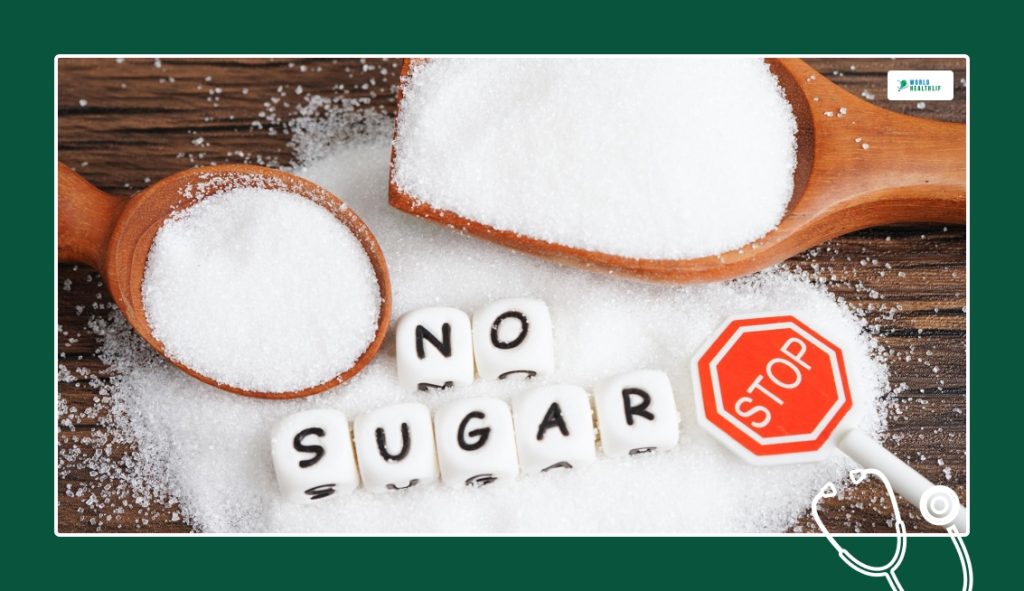
In general, many sugar-reduction efforts fail because people try to quit abruptly. Big declaration, no more sweets, new life starts Monday.
Then Tuesday happens, work gets annoying, and suddenly there’s a pastry involved. This way, it becomes an all-or-nothing thing.
The following are some changes you must make if you want to make your food less sweet:
- Gradually reduce the sweetness of your daily meals. This way, your taste buds adjust without a fight.
- Put less sugar in tea
- Use less flavored creamer
- Buy plain yogurt
- Add fruit yourself
- Choose a cereal that doesn’t taste like dessert.
Hindi naman kailangang biglaan because your palate catches up, but it needs a minute.
Use Natural Sweetness More Intentionally
Fruits might be of a lot of help if you have sugar cravings. For instance, if your usual move is cookies at 4 p.m., try fruit with nuts. Also, if you sweeten oatmeal heavily, add banana or berries first before reaching for sugar.
Meanwhile, if dessert is automatic after dinner, maybe start with something lighter a few nights a week instead of every single night.
However, it does not mean fruit is “dessert” in a sad substitute way. Moreover, it just gives your mouth sweetness with fewer complications. After a while, heavily sweetened foods start tasting oddly intense. It is unusually artificial, medyo nakakagulat when that shift happens, but it does.
Make The Kitchen Work For You
In general, you will keep eating sugary items if your house contains the following food options:
- Sweet snacks
- Sugary cereal
- Dessert yogurt
- Flavored drinks
- “Treats” you buy out of habit.
Basically, the environment wins more often than motivation.
So, reset the kitchen a little by making those changes:
| Keep More Of | Keep Less Of |
|---|---|
| Plain yogurt | Sweetened yogurt |
| Nuts and seeds | Candy bowls |
| Fruit | Pastries that disappear in one sitting |
| Oats and whole-grain cereal | Sugar-heavy breakfast cereal |
| Sparkling water and tea | Soda and juice packs |
You don’t need a sterile pantry. Also, you are not opening a wellness retreat. But if the default options are less sugary, your decisions get easier when you are tired, busy, or not in the mood to think. Sa totoo lang, convenience decides a lot of food choices.
Baking And Cooking Can Change Too
If you bake, reduce the sugar a little. Then, see what happens. Usually, the recipe goes well and might even taste better.
Also, you might lean on flavoring substances. These include cinnamon, vanilla, nutmeg, citrus zest, or unsweetened applesauce. Hence, you will not end up with everything overly sweet. Actually, sugar isn’t the same thing as flavor.
Build Habits That Feel Normal Enough to Keep
If your plan for how to reduce sugar intake depends on perfect discipline, it’s not really a plan. Rather, it’s a mood.
What works better is a routine with some flexibility built in. Some examples are:
- Keeping weekday breakfasts low in added sugar.
- Stop drinking your calories most days.
- Dessert becomes occasional instead of automatic.
- Read labels for foods you buy all the time. Do not worry about the rest.
Essentially, people get into trouble when they chase dramatic results. This is where they ignore repeatable habits. The best version of this is the one you can still do when life gets complex.
Kapag pagod ka na, doon masusubok kung realistic ba talaga ang routine mo. If it only works on your most disciplined day, it probably won’t last.
Frequently Asked Questions (FAQs)
Usually no. In fact, gradual changes are easier to keep. Also, your taste buds adjust better when the shift isn’t too extreme.
Of course, you can. Most fruits have natural sugar. Also, fruits provide fiber and nutrients. Hence, they are very different from added sugar.
Sugary drinks are the first thing you must cut back on. It is the easiest place to lower sugar without changing your whole diet.
No, they are not always bad. However, they help some people transition. Still, they work best as a bridge, not a lifelong crutch.
It varies. However, many people notice a difference within a couple of weeks of consistently eating less sweet food.
So, How To Reduce Sugar Intake? Start With Small Changes!
You do not have to become rigid or fearful around food. Rather, it is about noticing where the excess is. Then you have to ease off on it until your body and routine no longer depend on it so much.
If you’ve been wondering how to reduce sugar intake, start with drinks, labels, breakfast, snacks, and home habits. After that, let the rest follow, the way real change usually does.
| Disclaimer: This article is for informational and educational purposes only and does not substitute for professional medical advice. Reading this content does not create a doctor-patient relationship. Always consult a qualified healthcare provider for medical concerns and never delay seeking professional advice based on what you read here. |