

Accommodating hidden organisms inside your digestive system is an alarming medical reality that affects millions of individuals globally.
These hidden creatures are known as intestinal parasites.
Intestinal parasites are specialized organisms that infiltrate the gastrointestinal tract of humans and animals. Furthermore, they range from microscopic single-celled protozoa to multicellular helminthic worms.
Once established, these organisms actively deplete the essential nutrients of the host. Moreover, they compromise deep mucosal tissues, feeding on blood supplies.
While these infections are historically prevalent in regions that face poor sanitation infrastructure and limited clean water access, global travel and food supply chains make them a universal health concern.
Recognizing the biological varieties of these invaders and how they compromise human psychology is the first step toward reclaiming your digestive health.
How To Diagnose And Treat Gastrointestinal Parasites
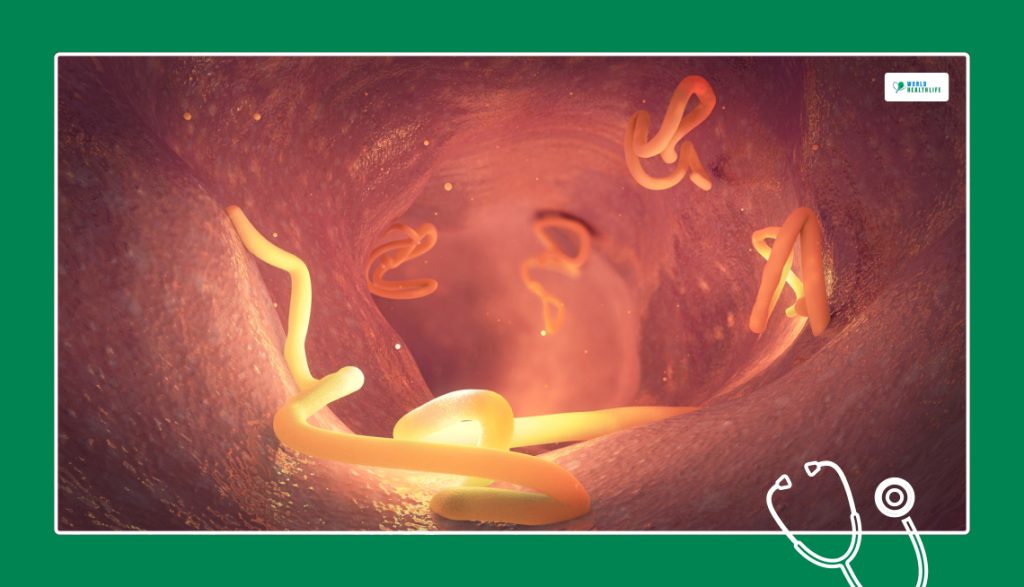
Overcoming a parasitic infection requires a systemic medical approach instead of unverified home remedies.
If you are suspecting an infection, a healthcare provider will usually order the following:
- a stool ova and parasites (O&P) test
- blood tests to check for elevated eosinophils, which is a type of white blood cell
- an endoscopy in complex cases
On identification, the infection is treated using targeted, prescription-strength antimicrobial medications. Protozoan infections such as giardiasis or amoebiasis usually respond to medications such as metronidazole or tinidazole.
Conversely, multicellular helminthic infections require anthelmintic medications such as albendazole, mebendazole, or praziquantel.
These medications work by starving or paralyzing the worms, allowing your body to expel them naturally.
What Are The Different Types Of Intestinal Parasites?
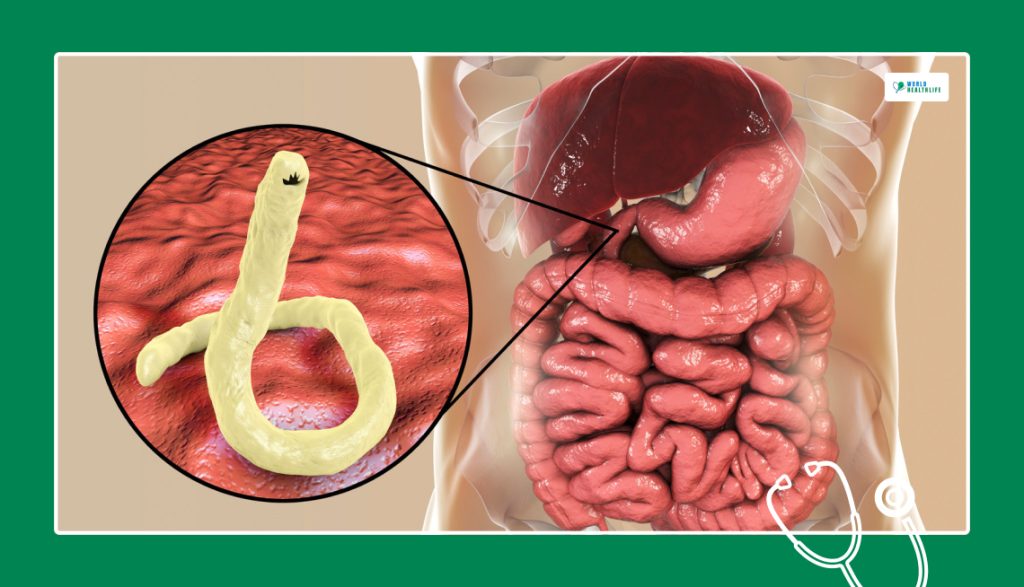
Not all gut invaders look or act the same. Human intestinal parasites fall into two primary categories, which are microscopic single-celled organisms, protozoa, and multicellular parasitic worms, called helminths.
At A Glance
| Parasite Type | Target Area | Key Symptoms |
| Protozoa (Single-Celled) | Intestinal lining & bloodstream | Watery diarrhea, severe bloating, sharp cramps |
| Roundworms (Nematodes) | Gut wall & respiratory tract | Abdominal pain, nagging cough, anemia |
| Tapeworms (Cestodes) | Digestive tract & muscle tissue | Malnutrition, nausea, tissue cysts |
| Flukes (Trematodes) | Intestines, liver, & lungs | Organ inflammation, chronic fatigue |
The Single-Celled Protozoa

Protozoa are single-celled organisms that can cause intestinal infections. They are divided into different groups based on their mobility and characteristics, including the likes of:
Giardia Lamblia
This parasite causes giardiasis, a common intestinal infection. It’s transmitted through contaminated water and food. Giardia attaches to the intestines, causing symptoms such as watery diarrhea, abdominal cramps, bloating, and nausea.
Entamoeba Histolytica
Responsible for amoebiasis, this parasite can cause severe intestinal infections. It’s transmitted through contaminated water and food. Amoebiasis can lead to symptoms like diarrhea (with blood and mucus), abdominal pain, and fever. In some cases, the infection can spread to other organs, causing more severe health issues.
Cryptosporidium
This parasite causes cryptosporidiosis and is known for its resistance to chlorine. It’s transmitted through contaminated water and recreational water sources. Infections can lead to watery diarrhea, stomach ulcers and cramps, dehydration, and weight loss. Individuals with weakened immune systems are particularly vulnerable to severe complications.
Toxoplasma Gondii
This parasite primarily affects cats, but humans can become infected through contact with contaminated soil, water, or undercooked meat. In healthy individuals, it may cause mild flu-like symptoms or go unnoticed. However, it can pose serious risks to pregnant women and people with weakened immune systems.
Helminths: Worms In The Intestine

Helminthic infections are caused by various types of worms that can live in the intestines. They are broadly classified into three groups:
Roundworms Or Nematodes
These include parasites like Ascaris lumbricoides (intestinal roundworms) and hookworms. Ascaris infections often cause abdominal discomfort and coughing. In addition, it can also lead to malnutrition due to nutrient absorption issues. Hookworms attach to the intestinal walls and can cause anemia and other symptoms.
Flatworms: Cestodes And Trematodes
Cestodes include tapeworms such as Taenia Saginata (beef tapeworm) and Taenia Solium (pork tapeworm).
These parasites can cause digestive issues, and in some cases, the larval form of T. Solium can lead to cysticercosis, affecting tissues and organs.
Additionally, Trematodes include parasites like Schistosoma species. This causes schistosomiasis, a chronic disease that affects organs and can lead to severe complications.
Flukes
Flukes are another type of flatworm that can cause various infections depending on the species. They often affect the liver, lungs, and intestines.
How Do Intestinal Parasites Get Inside Our Bellies?
Parasites are incredibly opportunistic. They slip into the human body through a variety of mundane, everyday pathways, usually because a person accidentally swallows invisible eggs, cysts, or active larvae.
Contaminated Food And Water Supply
This is arguably the most common entry point. Parasite eggs frequently contaminate agricultural soil, open sewage systems, or untreated water sources.
When farmers grow or wash fresh fruits or vegetables using this compromised water, the microscopic eggs stick to the skin of the produce.
Eating these items raw without a heavy scrub or proper cooking allows the parasites to slide right into your digestive tract.
The Fecal-Oral Route
Poor hand hygiene drives a massive percentage of infections.
If a person carrying an infection doesn’t wash their hands thoroughly with soap after using the restroom, microscopic parasite eggs stick to their fingers.
They easily transfer those invisible eggs onto doorknobs, countertops, shared utensils, or directly onto food that someone else is about to eat.
Ingesting Active Larvae Stages
Many parasitic worms have complex lifecycles with highly resilient environmental stages. Infected human or animal feces release thousands of microscopic eggs into the surrounding environment.
These eggs eventually hatch into microscopic, infective larvae that contaminate local soil or standing water, waiting for unwashed hands or unpeeled food to pick them up.
Consuming Raw Or Undercooked Meat
Certain tapeworms use livestock as intermediate hosts, embedding their larvae directly into the muscle tissue of the animal.
If you consume raw or undercooked beef, pork, or wild game, you allow those hidden larval cysts to survive the journey through your stomach.
Once they reach the intestines, they hatch, hook onto your gut lining, and start growing.
Contaminated Dirt And Soil
People often ingest parasite eggs entirely by accident during outdoor activities.
Handling soil contaminated with animal or human waste through gardening, farming, or playing outdoors causes the microscopic eggs to cling to your skin.
Touching your mouth or eating a snack before thoroughly washing your hands introduces the parasite directly into your system.
Sneaky Household Pest Transmission
Parasites can easily hitch a ride into your home via common household pests.
For example, accidentally swallowing a flea carried by a family dog or cat introduces active tapeworm larvae straight into the human gut, quickly kicking off a brand-new infection cycle.
What Are The Symptoms Of Having Intestinal Parasites?

Here’s a detailed explanation of the common symptoms associated with intestinal parasite infections:
1. Gastrointestinal Symptoms
Intestinal parasites can lead you to suffer from various gastric symptoms, which are pretty common. The most common symptoms of intestinal parasites are:
- Diarrhea: Parasitic infections can lead to frequent loose or watery stools. In some cases, the diarrhea may be bloody or contain mucus. Chronic parasitic irritation can mimic or exacerbate the symptoms of Irritable Bowel Syndrome (IBS), leading to prolonged diagnostic confusion.
- Abdominal Pain: Cramps, discomfort, bloating, and other forms of abdominal pain are common. Symptoms. The pain may be intermittent or persistent.
- Nausea and Vomiting: Feeling queasy, nauseated, and vomiting can occur, especially if the infection is causing irritation in the digestive tract.
- Loss of Appetite: Many infections can lead to a reduced desire to eat due to discomfort in the digestive system.
- Weight Loss: Chronic or severe infections can result in weight loss due to a combination of reduced appetite and nutrient malabsorption.
2. Digestive Disturbances
Intestinal parasites can cause several different types of digestive disturbances, such as:
- Malabsorption: Parasites can interfere with the body’s ability to absorb nutrients, leading to deficiencies and weakness.
- Steatorrhea: Fatty, foul-smelling stools can occur due to impaired fat absorption.
- Amebic Liver Abscess: In cases of Entamoeba Histolytica infection, the parasite can migrate to the liver, causing pain and discomfort in the upper abdomen.
3. Anemia
Some parasites, like hookworms, feed on blood, leading to iron deficiency anemia. Symptoms include fatigue, weakness, and pale skin.
4. Skin Issues
Dermatological manifestations are common immune responses to systemic parasitic infections, typically presenting in two distinct ways:
- Cutaneous Larva Migrans: This occurs when hookworm larvae migrate under the skin, causing itchy, red, winding tracks or rashes.
- Urticaria (Hives): Allergic reactions to certain parasites can lead to hives, skin redness, and itchiness.
5. Fever and Fatigue
Infections with parasites like Giardia and Entamoeba Histolytica can cause fever, often accompanied by other symptoms. In addition, many parasitic infections can lead to general fatigue and weakness due to the body’s immune response and nutrient deficiencies.
6. Respiratory Symptoms
In severe cases of ascariasis (caused by Ascaris lumbricoides), the worms can migrate to the lungs, causing coughing and respiratory discomfort.
7. Neurological Symptoms
In rare instances, certain parasites can affect the nervous system, leading to symptoms like seizures or cognitive impairment.
8. Immune Response
Due to allergic reactions, the body’s immune response to parasites can cause allergy-like symptoms, such as itching, swelling, and respiratory issues.
Cleansing The System: Eradicating Internal Hosts For Long-Term Vitality
Living with uninvited organisms in your digestive tract undermines your systemic health. This leads to to nutrient malabsorption, chronic fatigue, and progressive tissue inflammation.
Environmental exposure and food preparation habits closely tie to the global risk factors for acquiring intestinal parasites. Thus, long-term prevention relies entirely on rigid hygiene protocols.
Disrupting the parasitic lifecycle requires strict preventative steps. Maintain rigid handwashing routines and handle food safely. Additionally, drink only filtered water and cook all meat to a safe internal temperature.
However, maintaining a clean digestive system requires a strict reliance on verified science rather than commercial detoxes.
If you experience persistent gastrointestinal distress, unexplained weight loss, or chronic fatigue, bypass self-treatment options.
Seeking a professional clinical evaluation and a targeted antiparasitic prescription plan is the safest, most reliable way to clear your system. Ultimately, this will allow you to protect your long-term wellness.
Disclaimer: The information provided in this article is for general informational purposes only. It does not, and is not intended to, constitute medical or health advice. Please consult a qualified healthcare professional for medical guidance or expert health assistance.
Read Also:


