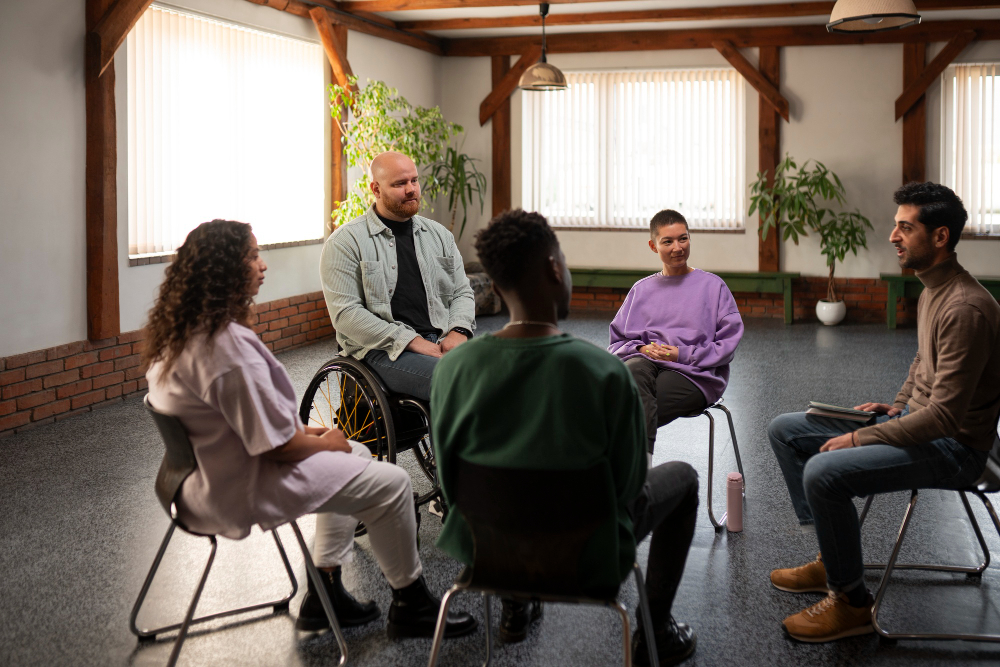
IOP programs New Jersey often become a turning point for people who feel stuck between traditional outpatient therapy and full residential treatment.
I still remember sitting beside a friend in a parking lot outside his therapy center as he tried to explain why the structure of intensive outpatient care finally clicked for him.
He said it felt like someone finally built a bridge between chaos and stability.
Not a shortcut.
Not a magic fix.
A realistic path he could actually walk without losing his job or stepping away from his family.
These programs offer a flexible but structured approach that allows people to receive support several days a week while continuing their daily routines.
In New Jersey, many families I’ve spoken to say that this middle-ground support was the first time they felt hopeful in years.
For anyone researching deeper treatment options, here’s a resource that covers essential details about IOP programs New Jersey.
Why Structure Matters in Dual Diagnosis Recovery
Most people entering treatment don’t struggle with just one challenge.
There’s often a mix of anxiety, depression, or past trauma tangled up with substance use.
Dual diagnosis care is where IOP models stand out the most.
One person I met during a community recovery event told me that her therapist helped her separate what she was feeling from what she was avoiding.
It was the first time she understood how her anxiety fueled her cravings.
That level of insight usually comes from consistent sessions rather than once-a-week check-ins.
The structure helps people identify patterns they never noticed.
Group therapy offers shared experiences.
Individual sessions give space to untangle personal triggers.
Family discussions rebuild trust that felt long gone.
The Realities of Balancing Treatment With Daily Life
One thing that surprised me when listening to people who completed IOP in New Jersey is how much they appreciated the realistic schedule.
One man shared that he used to miss his kid’s soccer games during inpatient treatment, and even though he was healing, he felt like he was losing other parts of his life.
IOP allowed him to show up to therapy and still show up at home.
It wasn’t perfect, but he said that balance made recovery feel possible.
Many programs meet three to five days a week.
Sessions can run in the morning or evening.
This allows people to get therapy, learn coping skills, and work through emotional challenges without pressing pause on work or school.
A Closer Look at the Therapeutic Approaches
Most intensive outpatient settings use evidence-based methods.
Cognitive behavioral therapy teaches people to challenge negative thinking loops.
Dialectical behavior therapy helps regulate emotions before they spiral.
Medication management is available for those who need support stabilizing mood disorders.
These approaches are blended into an individualized plan rather than forcing everyone into the same mold.
A friend once described his IOP group as “the one place where I didn’t need to pretend everything was fine.”
That kind of environment is powerful.
It holds people accountable while giving them the privacy and respect they need.
Support Systems Make or Break Recovery
When someone enters dual diagnosis treatment, their world often feels upsidedown.
I’ve heard families say they felt like they were walking on eggshells, not knowing what might trigger stress or relapse.
That’s why strong support networks matter.
IOP settings often include family education sessions, communication workshops, and relapse-prevention training.
Another woman told me that understanding her partner’s triggers changed how they handled arguments.
Instead of shutting down or walking away, they learned how to pause before reacting.
Small changes like that create long-term stability.
What People Usually Experience in the First Few Weeks
The early stage of IOP tends to feel intense for many.
There’s a shift from hiding problems to tackling them directly.
Some describe it as overwhelming.
Others feel relief that someone else is finally helping them carry the weight.
Typically, the first few weeks involve:
Identifying root causes.
Learning coping tools.
Understanding how mental health affects behavior.
Connecting with peers going through similar challenges.
By week three or four, many people I’ve spoken with say they start noticing small wins.
Waking up with more clarity.
Feeling less exhausted.
Finding small ways to manage stress without falling back into old habits.
Community Healing and Belonging
Recovery doesn’t happen in isolation.
A big part of IOP is the sense of community that forms inside the group room.
People who never would’ve crossed paths in daily life end up forming powerful bonds.
One former participant described it as “a room full of strangers who understood me better than lifelong friends.”
That emotional safety is something many didn’t realize they were missing.
In New Jersey, a lot of these programs build connections to local support groups, wellness activities, and peer networks.
This ensures people have somewhere to turn once formal treatment hours end.
How IOP Fits Into Long-Term Recovery
Intensive outpatient care isn’t the final step.
It’s a transitional phase that prepares someone for long-term wellness.
I’ve noticed that many people move from IOP into weekly therapy, peer groups, or medication follow-ups.
The goal is to create a life that no longer revolves around crisis management.
Relapse-prevention strategies become second nature.
People learn how to set boundaries.
They rebuild routines that support mental stability.
And slowly, they regain confidence in themselves again.
First-Hand Lessons From Real People
If there’s one theme that comes up again and again in stories from those who completed IOP, it’s the feeling of being understood.
One person told me the first time she shared her story in a group, she expected judgment.
Instead, people nodded because they had lived their own version of it.
That moment changed everything for her.
She said it was the first time she felt like she wasn’t fighting alone.
Another man shared that the coping skills he learned during his sessions helped him get through a major setback at work.
Instead of shutting down or reaching for old habits, he used the tools from therapy to navigate the situation calmly.
Those real-life victories are what make long-term recovery sustainable.
Final Thoughts on Choosing the Right Path
Choosing the right treatment path is a deeply personal decision.
For many people in New Jersey, intensive outpatient care has been the middle ground that helped them regain control without stepping away from their responsibilities.
It offers structure without confinement and support without judgment.
For individuals dealing with both mental health challenges and substance use, this level of care often becomes the turning point.