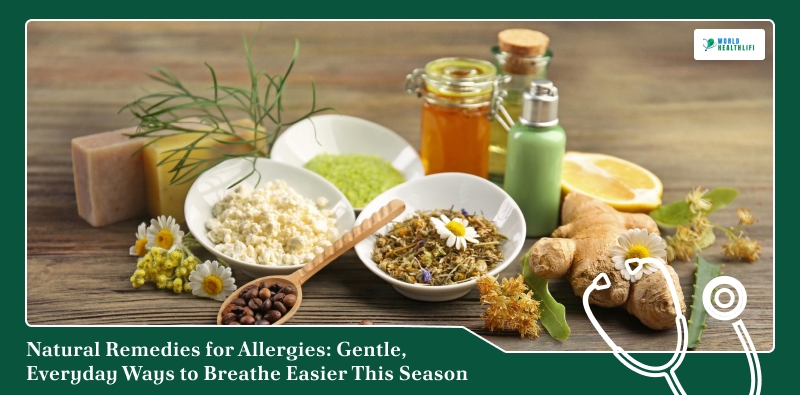
During the allergy season, even ordinary days feel oddly exhausting. For instance, you wake up foggy, and your nose is stuffy before breakfast. Also, your eyes itch for no reason.
Meanwhile, by afternoon, you are wondering why you feel so off, even though technically nothing is “wrong.”
That’s usually where you search for natural remedies for allergies. Therefore, read on to get a better idea of some natural remedies that will help you deal with allergies.
Do Natural Remedies for Allergies Work?
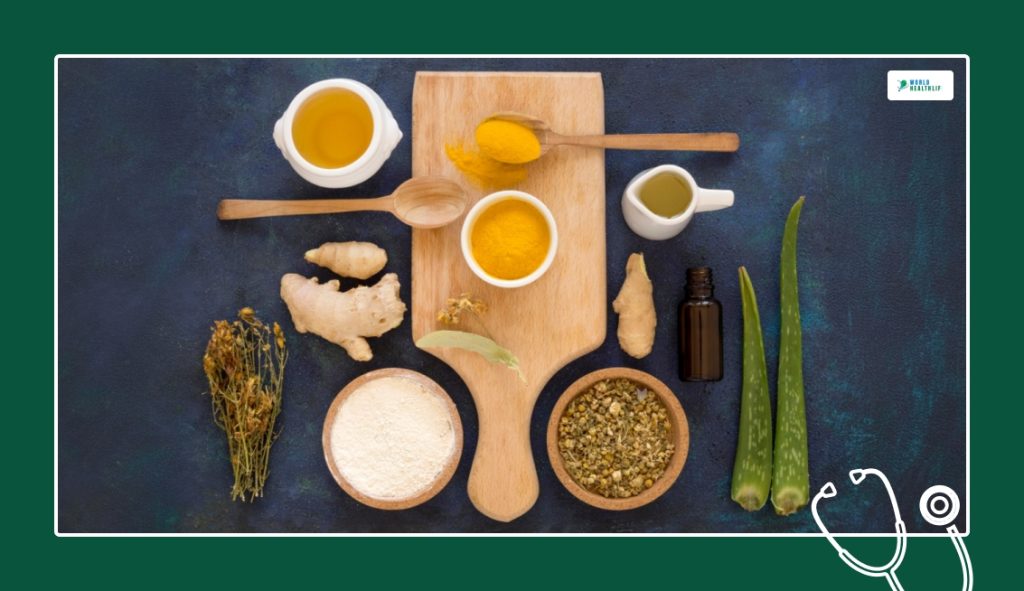
Obviously, not everyone wants to do away with medicine forever. Rather, many people just want gentler support. Basically, they want something manageable and easy to fit.
In fact, most people are not looking for a miracle fix. Rather, they merely want to get through the week. They do not want to sound congested on every call or rub their eyes every five minutes.
Nakaka-frustrate when you’re doing everything right and still sneezing through the day. That’s why many people opt for natural approaches. Also, they are accessible and less intimidating. Essentially, it is more like a routine than a treatment plan.
Why People Keep Looking for Gentler Relief
In general, most natural allergy support starts with stuff you can actually do at home. Also, natural does not automatically mean harmless. Moreover, it definitely doesn’t mean universally effective. Some remedies are more about symptom support than deep relief.
For instance, some work better for congestion than for itchy eyes. Meanwhile, some sound better in theory than they do in practice. Oo, may hype minsan, especially online. But if you look at it calmly, a few options keep showing up for a reason.
What Allergies Actually Feel Like in Real Life
Before getting into remedies, it helps to name the problem properly. Many of what people call “seasonal allergies” are actually allergic rhinitis. In general, it shows up in the following ways:
- Sneezing
- A runny or blocked nose
- Itchy eyes
- Postnasal drip
- Unusual tiredness.
Meanwhile, seasonal allergies worsen when pollen and outdoor mold are high. Moreover, perennial allergies persist year-round due to dust, pet dander, or indoor mold.
Most Popular Natural Remedies for Allergies
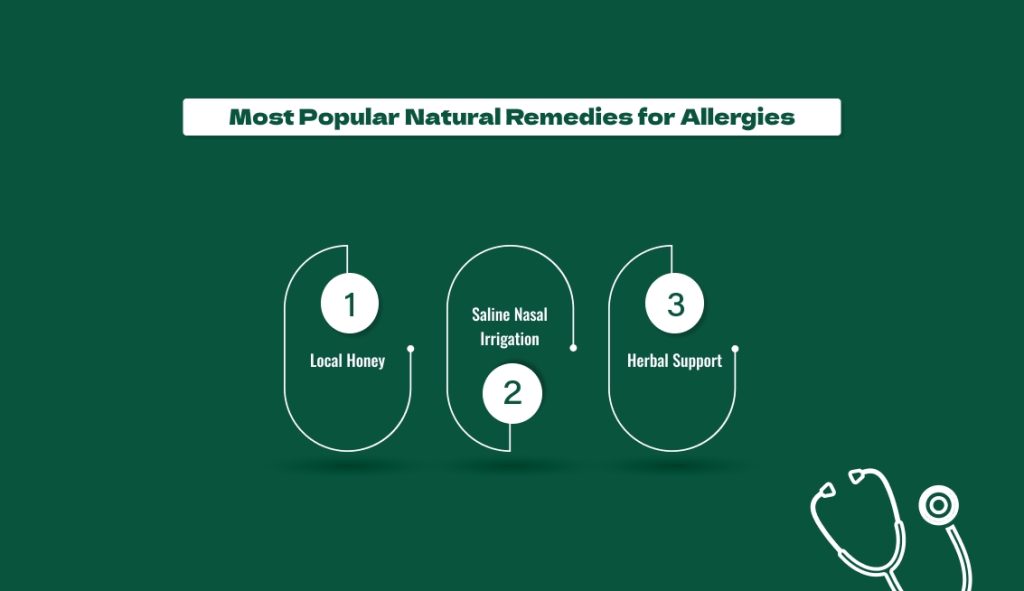
There are different natural remedies for allergies. However, the following are some remedies that people return to:
1. Local Honey
When it comes to dealing with allergies, local honey is a major ingredient. Also, it feels wholesome, easy, and somewhat comforting.
In fact, even a small exposure to local pollen through honey helps the body get used to what’s floating around outside. However, results are clearly mixed. So, everyone might not feel a major difference.
Essentially, local honey makes more sense as a low-stakes add-on. Do not use it as a main strategy. For instance, using a teaspoon of local honey in tea always feels soothing.
However, do not expect it to transform allergies in three days. Moreover, if someone has severe pollen sensitivity, this is not always the best option.
2. Saline Nasal Irrigation
Saline nasal irrigation is not a very popular form of natural remedy for allergies. But rinsing the nasal passages helps wash out pollen, dust, mucus, and other irritants. This acts as direct support.
Moreover, it is one of the few natural remedies for allergies that feels helpful fairly quickly when congestion is the main issue.
The important thing is doing it properly. Hence, make sure to use sterile or distilled water and clean equipment. Meanwhile, feeling weird when you use it is normal. In fact, many useful wellness habits might look slightly ridiculous at first.
3. Herbal Support
Herbs come into play when people want more than surface-level symptom management. The following are some common ones you must be aware of:
- Stinging nettle. It is a natural antihistamine option. Also, it is widely used in herbal allergy natural treatment.
- Butterbur is another well-known one. It is mostly associated with hay fever support, though only PA-free products should be considered.
- Quercetin is less “herbal” in the loose sense of wellness. Actually, it is more of a plant compound found in foods like apples, onions, berries, and tea.
- Ginger is warm, familiar, and often soothing when congestion or throat irritation is part of the problem.
However, in all those cases, quality, dosage, and interactions matter. Hindi porket natural, automatic safe na for everyone. That’s not fear-mongering. Rather, it is a way of approaching remedies that affect the body.
Comparing Different Remedies
| Remedy | Best For | What It’s Like In Real Life | Main Caution |
|---|---|---|---|
| Local Honey | Mild seasonal support | Easy to try, slow and subtle | Not ideal for severe pollen sensitivity |
| Saline Nasal Irrigation | Congestion, postnasal drip | Practical, often noticeable fast | Use sterile or distilled water only |
| Stinging Nettle | General allergy support | Popular in teas and supplements | Check tolerance and product quality |
| Butterbur | Hay fever symptoms | Often discussed seriously, not casually | Choose PA-free products only |
| Quercetin | Histamine-related support | Better as part of a broader routine | Supplements may not suit everyone |
| Ginger | Congestion and throat comfort | Familiar, easy to use in tea | Helpful, but not a cure-all |
Keep Your Home Environment Safe and Clean
Primarily, indoor air traps pollen, dust, pet dander, and other tiny irritants. Hence, focus on installing air filters and purifiers. Also, perform all the basic home habits.
In those cases, HEPA (High-Efficiency Particulate Air) filters help reduce airborne allergens indoors. Moreover, keep windows closed on heavy-pollen days. In fact, those small changes make a big difference.
Also, take small steps when you come home from outside. For instance, shower after being outdoors, or change your clothes. Also, drop your pollen-covered hoodie on the bed. You might wear sunglasses outside if your eyes get irritated easily.
Minsan ito talaga ang game changer, not the expensive supplement with fancy packaging.
Focus on Food, Gut, and Daily Rhythm

In most cases, some people look at natural remedies for allergies through the lens of immune support. This is more than mere symptom control. That’s where they reach out to probiotics and vitamin D.
Basically, probiotics help with gut health and immune regulation. In general, you will find them in yogurt, kefir, kimchi, sauerkraut, and supplements. Moreover, Vitamin D helps with deficiencies. Also, it plays a broader role in immune function.
Kung baga, if the goal is to test whether something helps, do it in a calm, trackable way. Otherwise, it becomes impossible to know what actually worked.
Other Things You Must Be Cautious of
Of course, some remedies are genuinely useful. However, some are supportive but subtle. Meanwhile, some are more lifestyle tools than treatments. Some examples are:
For instance, essential oils. These are comforting for some people. It includes peppermint, eucalyptus, or lavender. It is usually taken through diffusion or steam.
But comfort and clinical reliability are not the same. Also, if you apply oil without proper dilution, skin sensitivity happens. Moreover, acupuncture helps people who prefer broader wellness approaches.
Frequently Asked Questions (FAQs)
In general, the best natural remedy for allergy congestion is saline nasal irrigation. This is because it clears irritants and mucus directly.
Not really. However, some people find it helpful. Still, many look at it as supportive rather than a guaranteed cure.
Yes, air purifiers help. It helps with indoor allergens like dust, dander, and pollen that keep symptoms active.
No, herbal remedies are not safe for everyone. In fact, herbs might interact with medications and health conditions. Make sure to always use them carefully.
No, you don’t have to stop taking allergy medicine. In fact, natural support complements treatment. Still, consult a healthcare professional before making medication decisions.
Get Through Allergy Season
Get through your allergy season with a little environmental control and a little symptom support. Make sure to choose one or two natural allergy remedies. These must be the ones that actually fit your body and routine.
Also, a few simple habits matter. These include using a saline rinse, cleaner indoor air, maybe some ginger tea, and maybe a well-chosen supplement. These might make those days easier. Ayun lang naman, really, comfort matters. So does consistency. In fact, sometimes the gentlest fixes are the ones people actually stick with.