
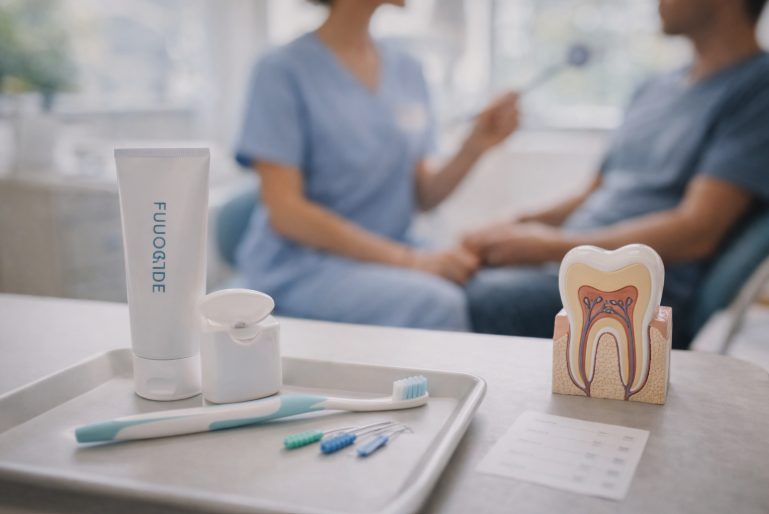
Cavities rarely happen overnight. They are usually the result of small, repeated acid attacks on your enamel that outpace your mouth’s ability to repair itself. The good news is that the most effective prevention is not complicated, but it does require consistency across a few key areas.
A routine preventative dental care visit can be a useful checkpoint because it brings together professional cleaning, risk assessment, and early detection, which is often where prevention succeeds or fails.
How cavities really form
Your mouth is home to bacteria that feed on carbohydrates, especially sugars and refined starches. When those bacteria metabolize food, they produce acids. Over time, those acids pull minerals out of enamel in a process called demineralization. If demineralization happens more often than remineralization, a weak spot develops and can become a cavity.
That means cavity prevention is mostly about shifting the balance back in your favor by:
- Reducing how often acids are produced
- Strengthening enamel so it resists acid better
- Supporting saliva, which naturally buffers acids and repairs enamel
- Catching early damage while it can still be reversed
Plaque control beats “brushing harder”
Plaque is a sticky film that holds bacteria against the tooth surface. The goal is not aggressive scrubbing, but effective removal at the gumline and in the grooves where plaque hides.
What tends to work best:
- Brush twice daily for two minutes with a soft brush
- Angle bristles toward the gumline and use small, controlled motions
- Clean between teeth daily with floss or interdental brushes
- Replace the brush head regularly, especially once bristles splay
If you consistently miss their back molars or the inside of lower front teeth, you are not alone. Those are common trouble spots, and they are also common cavity locations.
Fluoride is a proven enamel booster
Fluoride helps in two main ways: it makes enamel more resistant to acid and it helps remineralize early weak spots before they break down into cavities. For most people, fluoride toothpaste used correctly is the biggest “return on effort” tool in prevention.
Practical fluoride habits:
- Use fluoride toothpaste twice daily
- Spit, do not rinse with water right after brushing (rinsing washes fluoride away)
- If you are cavity-prone, ask about higher-fluoride toothpaste or in-office fluoride treatments
Fluoride is not a substitute for cleaning, but it makes the tooth surface harder to damage when acid attacks happen.
Diet timing matters more than total sugar
Many people think it is only about how much sugar they eat. In reality, how often you snack is often more important than the total amount. Every time you eat or drink something sugary or starchy, mouth bacteria can produce acid for a period afterward. Frequent sipping or grazing can keep your teeth in an almost constant acid cycle.
Small changes that lower risk:
- Keep sugary foods to mealtimes rather than between meals
- Avoid slowly sipping sweet drinks over long periods
- Choose water between meals when possible
- Be mindful of “healthy” snacks that still stick to teeth (dried fruit, crackers)
Acidic drinks also matter. Sports drinks, soft drinks, and even some sparkling waters can soften enamel. If you have them, reduce frequency and avoid brushing immediately after acidic drinks. Wait 30 minutes so enamel can reharden.
Saliva is your built-in defense system
Saliva buffers acid, washes away food debris, and carries minerals that help repair enamel. A dry mouth shifts the cavity risk dramatically upward.
Common causes of reduced saliva include dehydration, mouth breathing, certain medications, and sleep issues. If your mouth feels dry often, you wake up thirsty, or you need water to swallow food, that is worth addressing.
Helpful steps include:
- Drinking water regularly
- Chewing sugar-free gum after meals to stimulate saliva
- Managing nasal congestion or mouth breathing where possible
- Discussing medication-related dryness with a clinician
Professional prevention: what it adds beyond home care
Even with great brushing and flossing, plaque can harden into tartar in areas that are difficult to clean. Professional cleans remove these deposits and help reduce gum inflammation, which can also make home cleaning easier.
Checkups also catch early signs that you cannot easily see, such as:
- Early enamel demineralization
- Tiny cracks or worn spots that trap plaque
- Deep grooves in molars that benefit from sealants
- Gum inflammation that signals plaque buildup
If you are prone to cavities, the most practical goal is not perfection, but earlier detection and consistent routines that reduce the frequency of acid attacks.


