
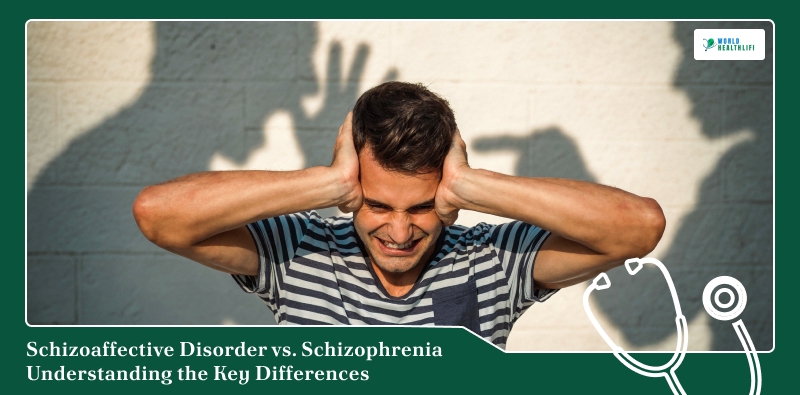
Schizoaffective disorder vs schizophrenia? Which is more common here in the Philippines? Before comparing, know that they’re two different problems.
However, one is more severe. At the same time, both conditions are equally debilitating. However, these two are different. In the Philippines, you need to have a clear idea of that. But why does that matter?
In this part of the world, there is a great stigma around mental health problems. Even the slightest mental health challenges, like anxiety syndromes, are looked down upon. Consequently, it is really tough for you to get help, especially for mental health problems.
Here we will make a head-on comparison between the two. Let’s understand the symptoms and causes of both. Even the diagnosis process for both is different. In the same vein, the treatment procedures differ.
Some treatment procedures are better compared to others. So we need a detailed analysis of which treatment process is better. The article ends with a detailed outlook of prognosis and some practical suggestions.
The next time you see someone suffering from mental health issues, help them right away! Sige, linawin natin ang kalituhan.
What Is Schizophrenia?

Schizophrenia is a long‑term and serious condition that can really shake the way someone thinks, feels, and sees the world. The most striking part is the psychosis. Some people hear voices. Parang may nag‑cocomment sa bawat galaw.
Meanwhile, others see things that others don’t. Delusions also show up, like believing someone’s tracking your every jeepney ride even when nothing’s there. Thinking can get messy, too. For instance, in the case of speech, jumping from one idea to another. Almost like the mind scattered its notes.
All of this makes daily life extremely hard. Holding a regular job, like in a call center or any fast‑paced work, becomes nearly impossible when focus keeps slipping. In addition, relationships suffer because trust breaks easily, and even basic self‑care can fade.
It usually starts in the late teens or early twenties for men, and a bit later for women. In other words, it starts exactly at the age when people are supposed to be settling into college, work, or independence here in Pinas.
It affects about 1% of people worldwide, and without treatment, it can completely derail someone’s life. But catching it early makes a big difference. Many people do far better when help comes sooner rather than later.
What Is Schizoaffective Disorder?

Schizoaffective disorder sits in the middle of two worlds. However, it is different from the previous one. So let’s compare: schizoaffective disorder vs schizophrenia.
You get the psychotic symptoms you see in schizophrenia. For instance, hearing voices that blame you for things, or forming paranoid ideas na parang may kapitbahay na may binabalak. Plus, strong mood swings on top of that.
Some people hit a deep depression that wipes out their energy for weeks. Others swing the opposite way, into manic highs where they barely sleep but still feel unbeatable.
There are two main types. The bipolar kind mixes mania, like racing thoughts, big spending sprees, and nonstop energy, with depression and psychosis. Meanwhile, the depressive type stays on the low side: long, heavy sadness paired with hallucinations or delusions.
It’s less common than schizophrenia. In other words, around 0.3% of the population, pero kahit maliit ang number, malakas ang impact. It often starts in young adulthood, right when people are just trying to build their lives.
Here in the Philippines, where family expectations and responsibilities run deep, this mix of mood swings and psychosis can strain a whole household if it’s not recognized early. But once you spot that it’s both mood and psychosis.
In the same vein, treatment plans have usually improved a lot. At the same time, families understand what’s really happening behind the behavior, due to greater awareness.
Key Similarities Between the Two Disorders
What are the key prospects of schizoaffective disorder vs schizophrenia? The psychotic symptoms in both disorders are almost similar. They make the realities converge or blur. Meanwhile, you start hallucinating seriously.
For example, you hear chaotic voices that scream rare secrets. Often, your mind puts you in a crowd with a hidden intent. At the same time, you can feel delusional. The narratives that delusions create in your mind feel excruciatingly real.
Why These Two Diagnoses Are Often Confused (Even By Professionals)
When it hits you, it is almost impossible to tell whether it is schizoaffective disorder or schizophrenia. But why? Well, that was easy. The two start similarly. In simpler words, the disorders that hit you are the same.
For starters, you will definitely go through a long span of hallucination. After that, you are bound to act paranoid. In fact, some people show peculiar symptoms. Or the symptoms they show keep changing. So much so that the doctors cannot determine how to start the treatment.
Core Differences: Schizoaffective Disorder vs. Schizophrenia
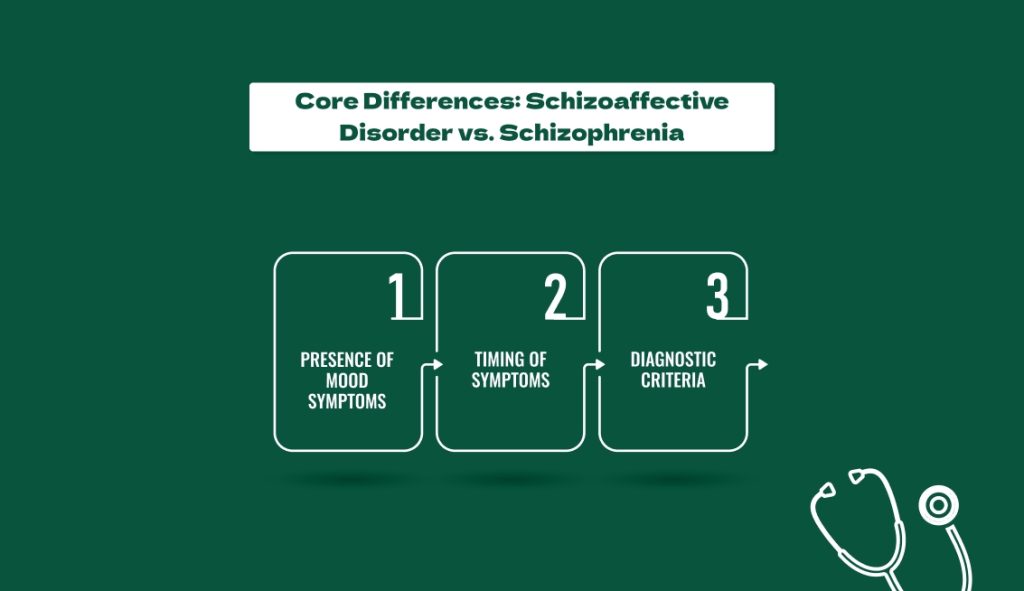
Pinpointing differences sharpens diagnosis and tailors help—here’s the breakdown.
Presence of Mood Symptoms
Due to schizoaffective disorder, you will go through characteristic mood episodes. Meanwhile, your depression can make everything mundane, from weeks to months, and as a result, you can suffer from sleeplessness.
Besides psychosis, depression can be a pivotal factor in this mental problem. However, schizophrenia disorder can trigger brief episodes of blues. However, the mood is secondary in this case. In schizophrenia, it does not steal the limelight, like in schizoaffective disorder.
Timing of Symptoms
In schizoaffective disorder, the mood problems and the psychotic symptoms usually show up sabay or overlap for long stretches. Even when the hallucinations or paranoid thoughts calm down, the mood issues, like depression or mania, can still continue on their own.
In schizophrenia, the psychosis takes the main spotlight most of the time. You don’t see those long mood‑only periods that define schizoaffective. Kumbaga, schizophrenia stays mostly psychotic, while schizoaffective moves between both worlds.
Diagnostic Criteria
The DSM‑5 says schizoaffective disorder needs clear mood episodes that cover most of the illness. In addition, at least two weeks where psychosis shows up mag‑isa, without the mood symptoms taking over.
For schizophrenia, the rule is different. Symptoms must last around six months, and psychosis should stay front and center. Any mood shifts are brief, sandali lang, and not the main issue. In short, the doctors really focus on the timeline because that’s what distinguishes the two conditions.
The Timeline Test: How Doctors Actually Tell Them Apart
The most important difference between schizoaffective disorder and schizophrenia isn’t intensity. It’s time.
Doctors track three questions very carefully:
- Did full mood episodes (mania or depression) occur for most of the illness?
- Were there at least two weeks of psychosis without mood symptoms?
- Which symptoms dominated the overall course of the condition?
If mood episodes are present for a large portion of the illness—and psychosis sometimes happens alone, schizoaffective disorder becomes more likely.
If psychosis remains the main feature across months, with only brief mood changes, schizophrenia fits better.
This timeline‑based approach is why rushed diagnoses are avoided. The difference lives in patterns, not labels.
Symptoms Breakdown
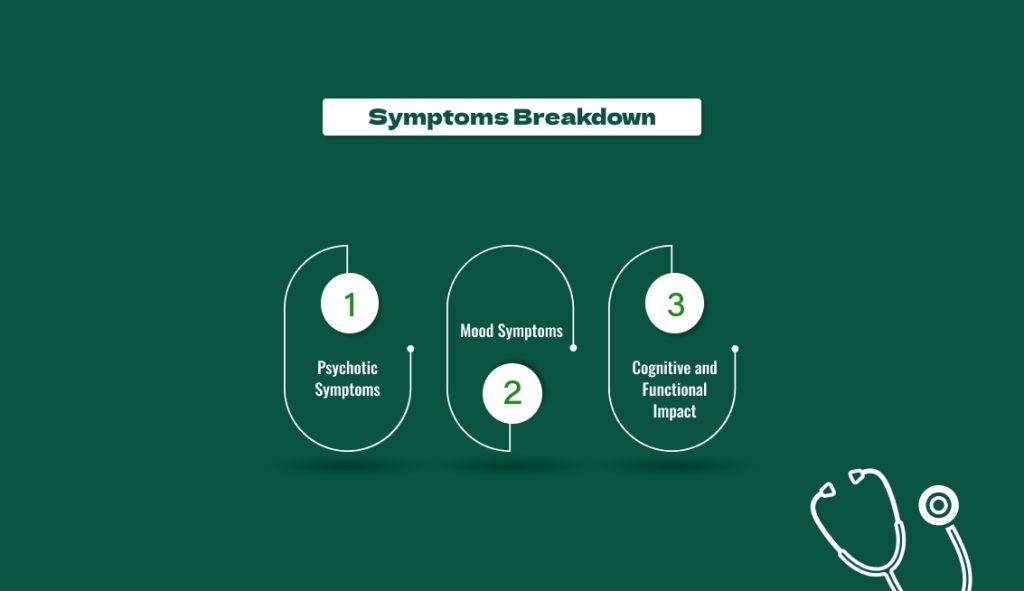
Symptoms overlap but differ in punch and pattern. So now let’s unpack the daily-life impacts.
Psychotic Symptoms
Both deliver hallucinations (auditory ones most common, like arguing voices), delusions (persecution or grandeur), and disorganization. For instance, you may be experiencing speech rambling and erratic behavior, such as pacing endlessly over “hidden messages” in TV ads.
In real life, this means skipping work to “hide” from imagined threats or withdrawing from barkada meets.
Mood Symptoms
Schizoaffective amps it with deep depression. You might find yourself spending days in bed, and hearing suicidal whispers amid voices. Meanwhile, you can be gripped by mania as well.
In fact, many people witness limitations like impulsive buying, draining savings, and grand plans going unrealized. But what about the moods of a person with Schizophrenia? It usually ranges from mild flatness to irritation, not the episode heavyweights.
Cognitive and Functional Impact
Both conditions can cause memory problems and slower thinking, which often leads people to pull away socially and struggle to keep a job.
But schizoaffective disorder adds strong mood swings on top of the psychosis, making recovery tougher. It’s like having depressive fog layered over delusions, which doubles the emotional and social burnout.
Causes and Risk Factors
Genetics loads the gun: family. On that note, remember that history triples the risk for either, twin studies peg heritability at 80%. Brain-wise, dopamine overdrive in pathways sparks psychosis, with shrinks in gray matter via MRI scans.
Environmental hits also pile on. For example, you might have suffered from prenatal malnutrition common in resource-strapped areas, trauma like urban violence here, or drug triggers like shabu.
Stressors from poverty or family strife nudge onset too. It’s nature plus nurture firing together.
How These Disorders Are Diagnosed?
Diagnosis starts with a psychiatrist’s deep dive. That may include hour-long chats mapping symptom history, family patterns, and life timeline. The DSM-5 checklist rule is crucial for note-taking.
Schizophrenia needs six months of active symptoms; schizoaffective, mood-psychosis balance with standalone psychosis weeks. Timing tells you: does mood blanket everything, or psychosis solo reign?
Doctors use tests to rule out medical problems that can look like psychosis. Blood work, EEGs, and MRI scans help check for issues like thyroid problems or tumors. Urine tests can show if symptoms are coming from drugs like meth or weed.
In many clinics here in the Philippines, family members help fill in the story since patients sometimes downplay what they feel. Sometimes doctors need months of careful observation to be sure, because rushing the diagnosis can lead to mistakes.
Treatment Approaches
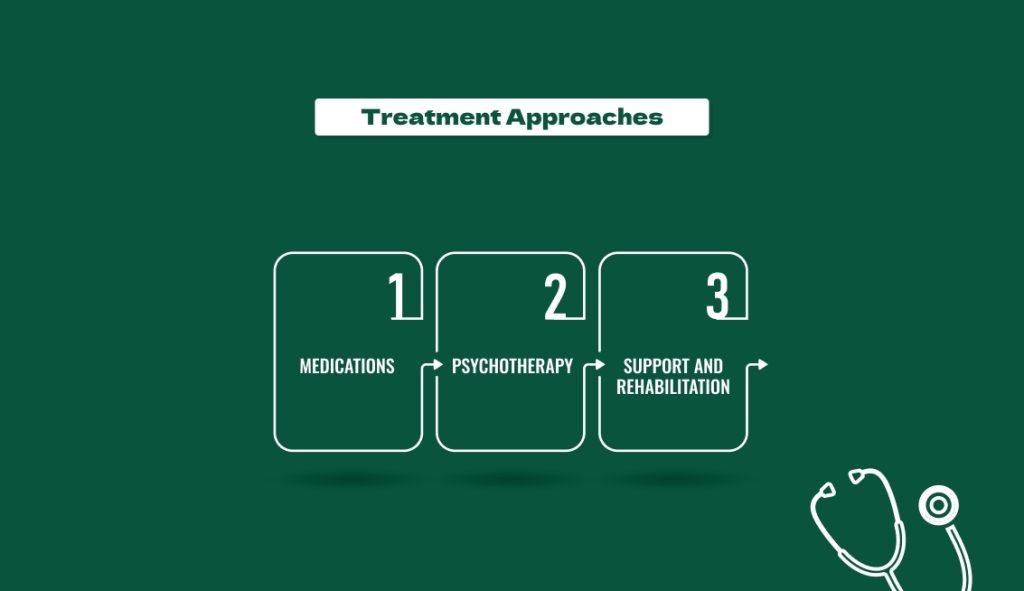
Treatments of schizoaffective disorder vs schizophrenia might not be wide apart. Often they overlap, but tweak for mood loads.
Medications
Antipsychotics like risperidone or olanzapine anchor both, quieting voices and delusions. If you are taking long-acting shots, they ensure adherence on forgetful days.
Schizoaffective adds mood stabilizers (lithium, valproate) for mania or antidepressants (SSRIs) for lows, balancing the dual hit.
Psychotherapy
CBT challenges delusions gently. Hence, the question is: “What evidence backs that voice?”. While family therapy educates kin on spotting flares. Social skills groups rebuild chit-chat, vital for reintegration here where community matters.
Support and Rehabilitation
Vocational programs train barista skills or call center scripts; community centers offer day programs. In the Philippines, DOH-supported homes ease family burden, building independence step by step.
Why The Diagnosis Matters For Treatment Planning
This distinction isn’t academic. It directly shapes care.
In schizophrenia, treatment focuses heavily on long‑term antipsychotic stability. Mood symptoms are treated, but they don’t usually guide the overall plan.
In schizoaffective disorder, mood control becomes just as important as managing psychosis. Missing this can lead to repeated relapses. For example, treating psychosis alone while ignoring bipolar swings often leads to setbacks.
When diagnosis matches the real pattern of symptoms, treatment feels less like trial‑and‑error and more like a strategy.
Prognosis and Long-Term Outlook
Schizophrenia’s path varies. That’s why the early antipsychotics halve relapse, letting 20-30% work steadily.
However, in the early stages, negative factors like apathy predict a tougher road ahead. In short, Schizoaffective hinges on mood control: bipolar type flares wilder, depressive grinds slower. That’s why certain meds are crucial. A range of combo meds lift 50% to functional lives.
Coping Strategies and Support Tips
Keeping a routine helps bring order to the chaos. A steady sleep schedule, like 10 p.m. to 6 a.m., daily walks in the park, and balanced meals with little added sugar all make a big difference. Staying consistent with meds.
Remember that using pill boxes or reminder apps helps prevent symptoms like sudden intrusions of voices. Family can support gently, without over‑nagging. Joining peer groups from mental health NGOs also helps because hearing other people’s stories cuts the feeling of being alone.
Therapy adds another layer by helping you understand triggers, like stress from traffic or noisy environments.
Common Myths That Make The Stigma Worse
Let’s clear a few things up.
Myth: Schizoaffective disorder is just “schizophrenia plus moodiness.”
Reality: Mood symptoms are core, not extras.
Myth: Everyone with schizophrenia is violent.
Reality: Most are not; they are more likely to be harmed than to harm others.
Myth: A diagnosis defines someone’s entire future.
Reality: Many people work, study, marry, and live independently with treatment.
Stigma thrives on misunderstanding. Accuracy pushes back.
Frequently Asked Questions (FAQs)
No. The distinct diagnoses, though symptoms shift over time, allow reevaluation to catch changes.
Often yes, due to mood-psychosis double whammy. However, the treatment response varies person to person.
Absolutely. many do with meds and supports. Their lifestyle ranges from office jobs to solo living.
Yes, but as a part of destiny. The genes load imprints. However, the environment pulls the trigger.
When to Seek Help (And Not Wait It Out)
Help shouldn’t wait until symptoms become extreme.
Early signs that deserve professional attention include:
- hearing or seeing things others don’t
- strong belief others are plotting harm
- severe mood shifts that last weeks
- withdrawal from work, school, or family
Early treatment improves long‑term outcomes in both conditions. Waiting rarely makes things clearer. It usually makes them harder
What Makes Them Different?
Schizoaffective disorder stands apart from schizophrenia mainly through heavy mood episodes overlapping psychosis, stricter timing rules in diagnosis, and tailored treatments blending antipsychotics with stabilizers.
Both demand proper care to tame symptoms, but grasping the schizoaffective’s mood layer breaks stigma and speeds help. Early steps lead to steadier lives. No, go talk to a specialist, build supports, and watch stability grow.


