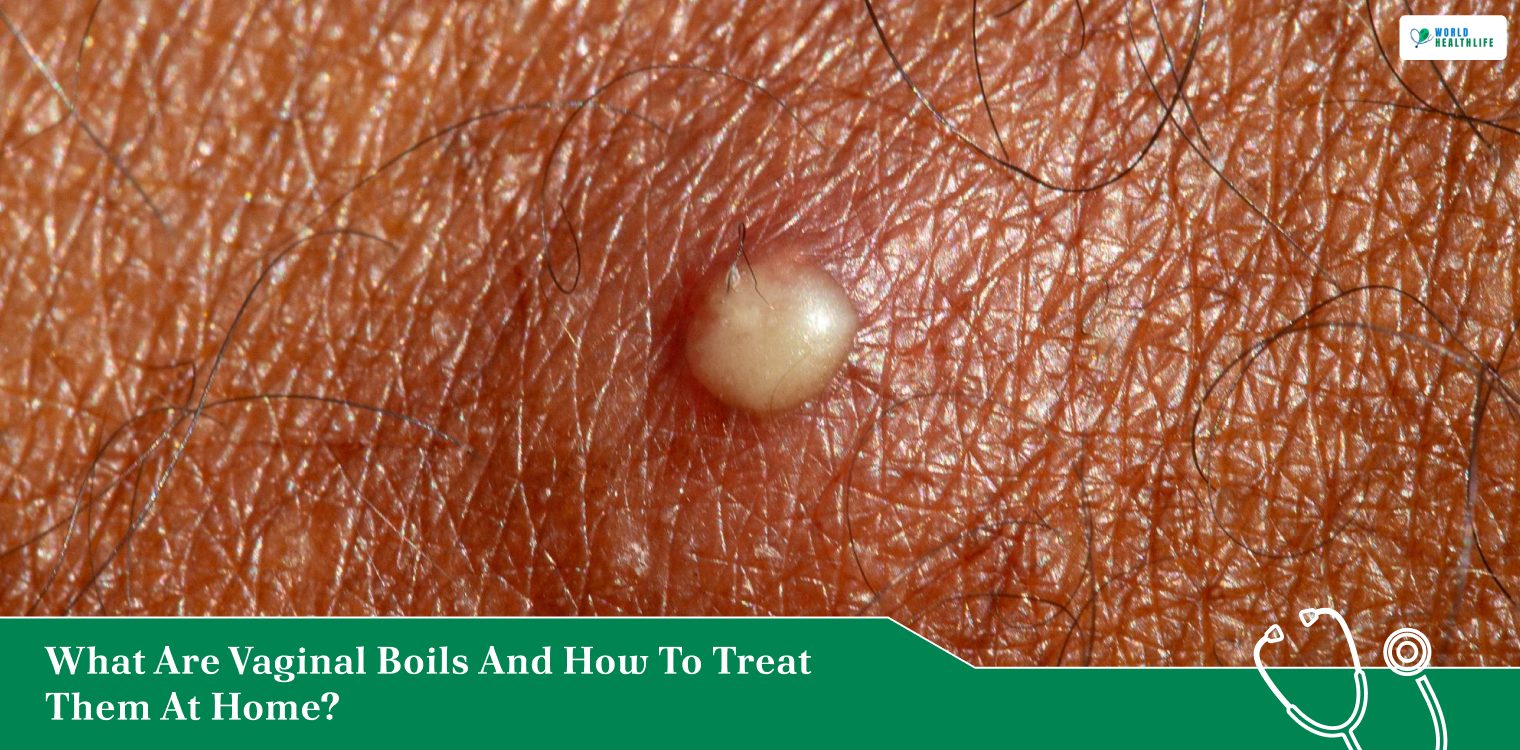
Discovering a painful and swollen lump on your external genitalia can feel alarming. However, it is a highly common condition known as a vaginal boil. Furthermore, this is medically termed a furuncle.
While these bumps can cause significant discomfort, most minor boils are non-serious skin infections that clear up quickly with proper home care.
Thus, this comprehensive guide will cover the root causes of vaginal boils and how to treat them safely at home. Moreover, you will also know when to seek immediate medical care, along with the practical steps to prevent them from returning.
What Exactly Are Vaginal Boils?
Before I begin to explain what vaginal boils are, let me clarify something. Most people often use vulva and vagina interchangeably, as Flo rightly mentions. In reality, vaginal is actually inside the body.
Although commonly referred to as “vaginal boils,” these localized skin infections actually develop on the vulva. Actually, the external female genitalia is termed the vulva.
True internal vaginal boils are exceptionally rare because the vaginal canal lacks the hair follicles and oil glands required for a boil to form.
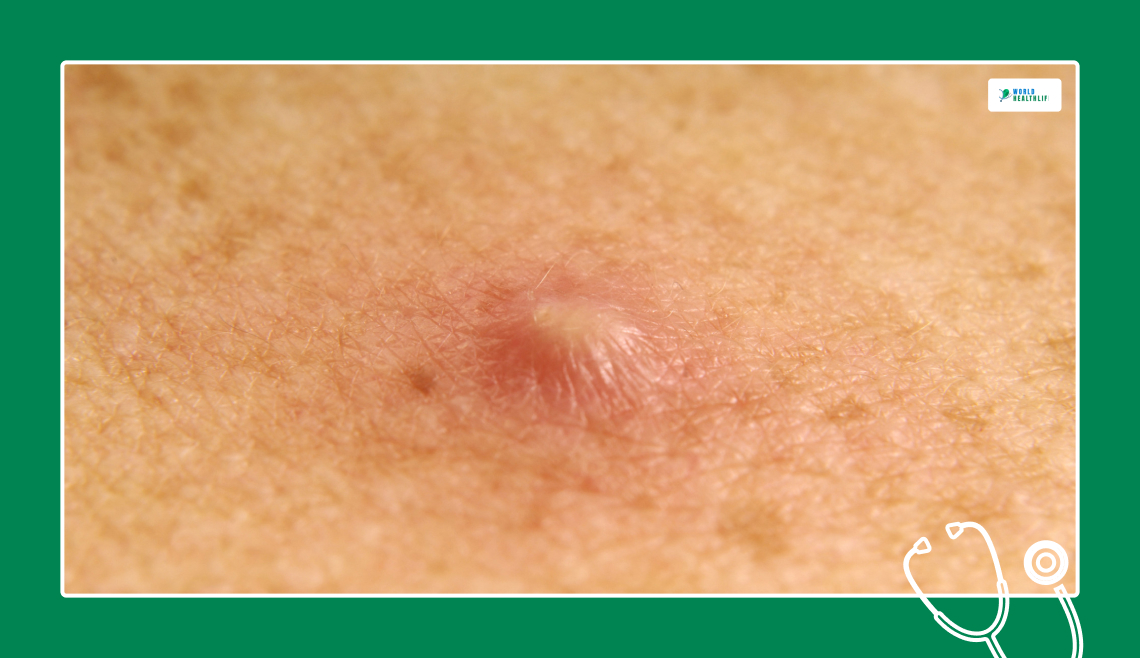
They most frequently appear on the labia majora, pubic mound, or groin creases. When it comes to a vulvar boil, it typically begins as a small, firm, red or pink spot.
Over several days, your immune system dispatches white blood cells to fight the infection, causing the bump to swell, fill with pus, and become tender to the touch.
The 5 Stages Of A Furuncle
Here’s what the different stages of vaginal boils look like:
| Stages | Stage Name | Description |
| Stage 1 | Infiltration | Pathogenic bacteria enter the skin barrier via a microscopic tear or hair follicle |
| Stage 2 | Inflammation | A hard, painful, red nodule develops under the skin |
| Stage 3 | Suppuration | Pus accumulates inside the cavity, causing the center to soften and expand |
| Stage 4 | Pointing | A distinct white or yellowish head forms at the peak of the bump |
| Stage 5 | Rupture & Healing | The boil bursts naturally, evacuates the infected fluid, and the skin begins tissue repair |
Vaginal Boils Vs. Other Bumps
The delicate skin of the groin area can develop several types of lesions. It is critical to differentiate a boil from other conditions to ensure correct management.
| Condition | Visual Appearance | Primary Symptoms | Key Distinctions |
| Vaginal Boil | Single, large, red nodule that develops a pus-filled white head. | Throbbing pain, localized heat, tenderness. | Deeper and significantly more painful than standard pimples. |
| Ingrown Hair | Small, superficial red bumps, occasionally centered around a visible hair shaft. | Mild itching, localized tenderness. | Stays small and close to the surface; lacks deep tissue swelling. |
| Bartholin’s Cyst | A smooth, fluid-filled swelling located near the opening of the vaginal canal. | Often painless unless a secondary infection occurs. | Located deep within the lower sides of the vaginal opening, not on the outer skin. |
| Genital Herpes (STI) | Clusters of small, clear, watery blisters that break into painful, shallow ulcers. | Burning, intense itching, stinging during urination. | Multiple lesions present; fluid is clear rather than thick pus. |
| Genital Warts (STI) | Fleshy, skin-colored, or cauliflower-like growths. | Typically painless; may cause mild itching. | Solid tissue masses that never fill with fluid or come to a head. |
Ingrown Hair:
These are small pimples caused by trapped hairs. They stay tiny and close to the surface. A boil, on the other hand, is deeper, gets much bigger, and hurts way more.
Bartholin’s Cysts:
These are smooth sacs that form near the vaginal opening when a fluid gland gets blocked. Unlike boils, they usually don’t hurt unless they actually get infected.
STIs (Sexually Transmitted Infections):
Herpes often looks like a cluster of tiny, watery blisters that turn into shallow sores and sting when you pee. Warts look like small, skin-colored bumps that don’t fill with pus or “come to a head.”
What Are The Common Causes Of Vaginal Boils?
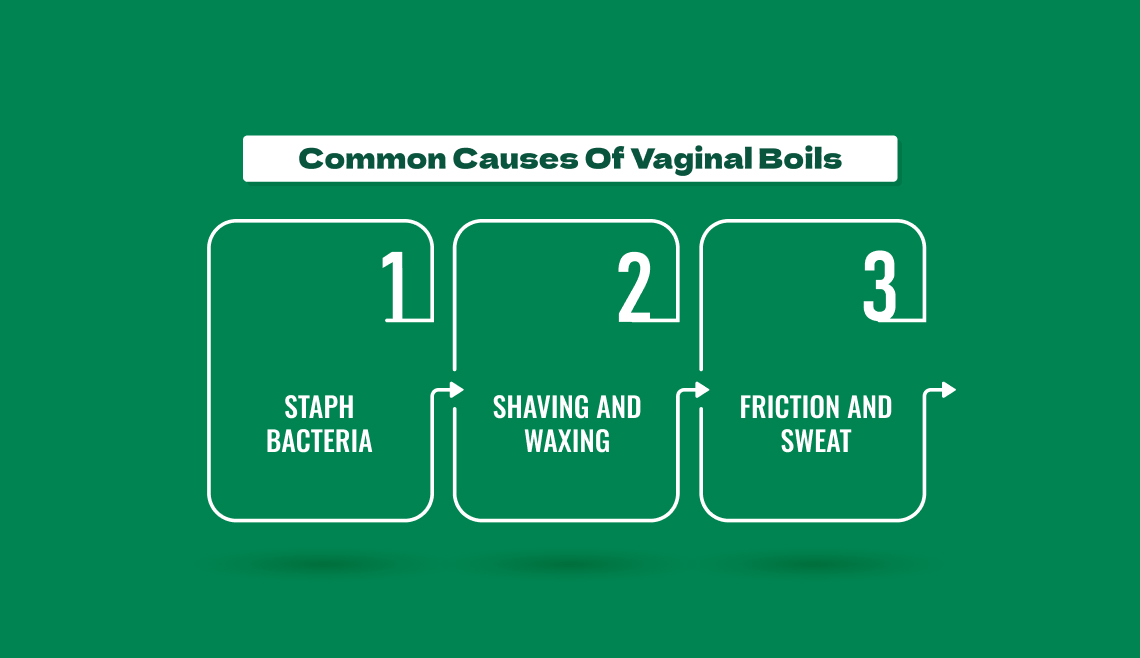
Boils happen when ordinary skin bacteria end up where they don’t belong. Here are the usual culprits:
1. Staph Bacteria
First, a germ called Staphylococcus aureus (staph) is behind most boils. This bacterium lives on almost everyone’s skin without an issue. But if it slips through a break in the skin, it can trigger a nasty infection.
2. Shaving And Waxing
Secondly, grooming your pubic hair is actually the most common cause. Yes, you read that right! Using a dull razor or shaving dry creates micro-cuts you can’t even see. Bacteria use these tiny doors to enter your hair follicles.
3. Friction And Sweat
Finally, the groin area is naturally warm and damp. Tight leggings or synthetic fabrics such as nylon can trap sweat against your skin.
When those clothes rub against the wetness, the friction can expose the skin barrier. This is something that causes new vaginal boils to form.
How To Treat Vaginal Boils At Home?
If the boil is small and you don’t have a fever, you can usually manage it yourself.
| Treatment | How Often | Why It Helps |
| Warm Compress | 3 to 4 times a day for 10 – 15 mins | Brings blood to the area, eases pain, and helps the boil drain. |
| Sitz Bath | 1 to 2 times a day for 15 minutes | Soothes the skin and cleans the area gently. |
| Pain Relievers | Follow package instructions | Reduces swelling and stops the throbbing pain when you walk. |
| Loose Underwear | All day and night | Stops clothing friction and keeps the area dry. |
Step-by-Step Care Guide For Vaginal Boils
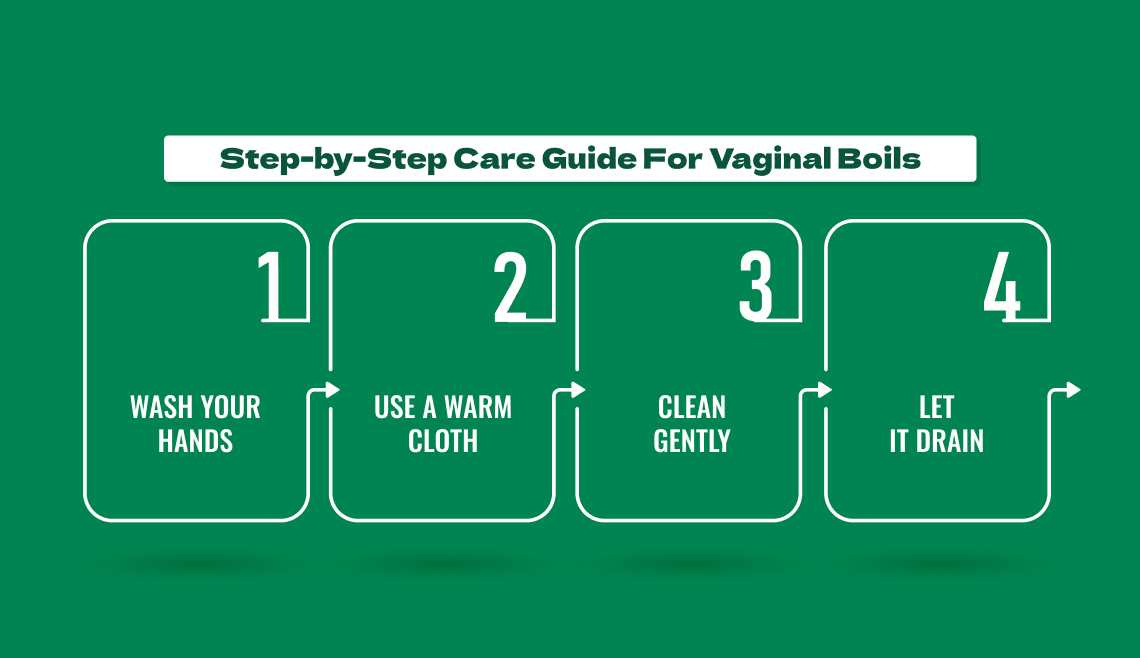
Here are a few things that you should do to take care of vaginal boils:
1. Wash Your Hands:
First and foremost, do not take any chances with hygiene.
Regularly wash your hands thoroughly with soap and warm water before and after you touch the area. By doing this, you actively prevent transferring the infection to other parts of your body.
2. Use A Warm Cloth:
Next, prepare your compress. Take a clean washcloth, dip it in warm water, and wring it out very well.
Once prepared, hold it gently against the boil to ease the pain. Additionally, make sure you use a fresh, clean cloth every single time to avoid spreading germs.
3. Clean Gently:
Along with using compresses, you must keep the skin pristine. Wash the area with warm water and a very mild, fragrance-free soap once daily.
Afterward, use a clean towel to dry that part of your body. However, remember not to rub the skin. Instead, just pat it gently to prevent extra irritation.
4. Let It Drain:
Finally, monitor the bump for changes. If the boil ruptures naturally, do not just look at it. Instead, immediately clean the pus up with a fresh tissue.
Immediately following this, wash the area with a gentle soap, apply an over-the-counter antibiotic ointment if you prefer, and then cover the wound lightly with a new gauze pad.
Crucial Warning: What NOT To Do While Treating Vaginal Boils At Home?
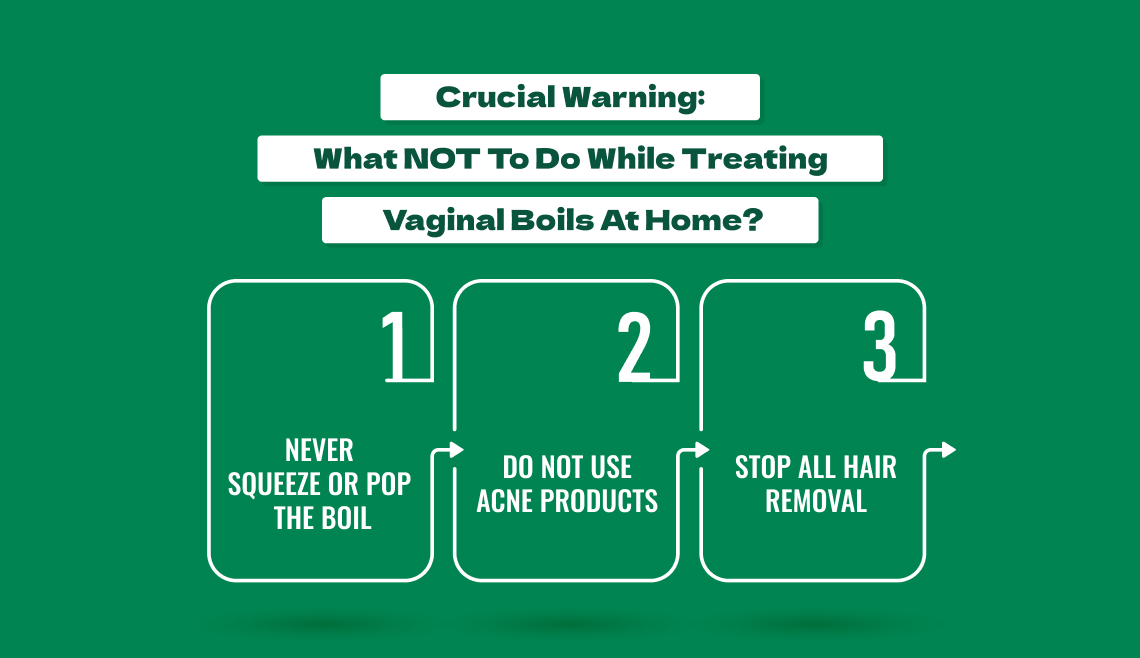
The skin on your vulva is thin and delicate. Making a mistake here can turn a minor bump into a major medical emergency.
Never Squeeze Or Pop The Boil:
Don’t go at it with your fingernails or a needle. You’ll likely push the infection deeper into your tissue or even your bloodstream. This can lead to serious skin infections or life-threatening blood poisoning (sepsis).
Do Not Use Acne Products:
Keep your face creams, salicylic acid, and benzoyl peroxide away from your vagina. These chemicals will cause painful chemical burns on intimate skin.
Stop All Hair Removal:
Put the razor away and skip the wax appointment. If you shave over a boil, you’ll likely spread the bacteria to other follicles and end up with a cluster of them.
When To See A Doctor For Vaginal Boils?
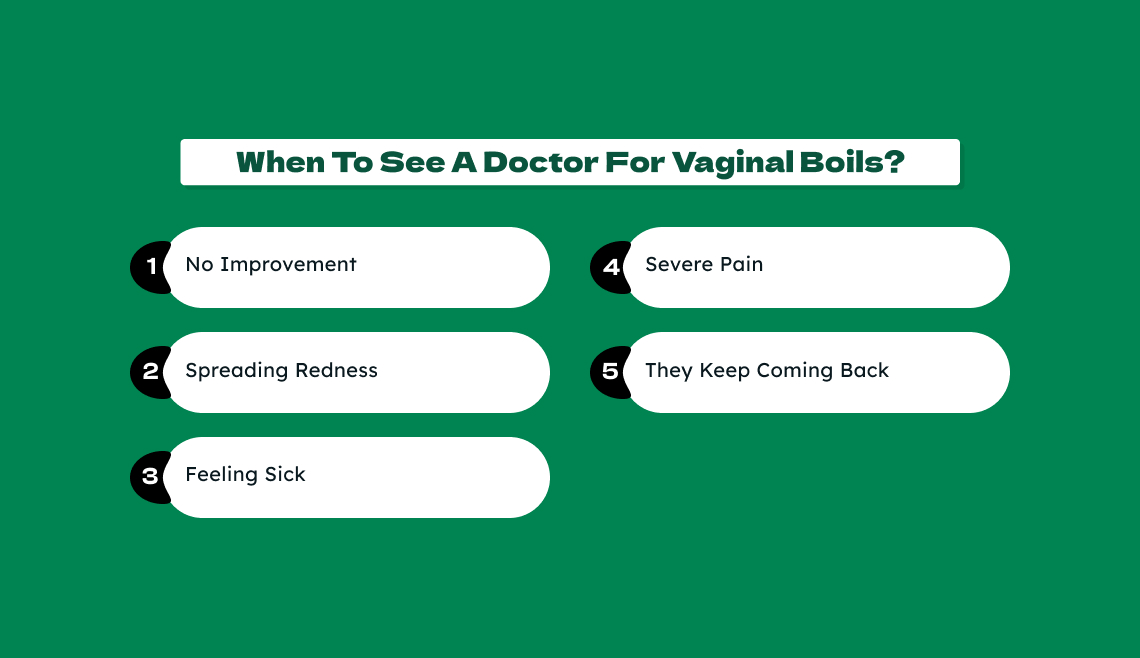
Most minor boils will run their course and heal within one or two weeks. Yet, if any of this happens, you should contact your doctor immediately:
- No improvement.
- Spreading redness.
- Feeling sick.
- Severe pain.
- They keep coming back.
At the clinic, a doctor will typically relieve the pain by using a local anesthetic and then drain the pus by making a very small sterile incision. They might also prescribe antibiotics to completely eradicate the infection.
How To Prevent Future Vaginal Boils?
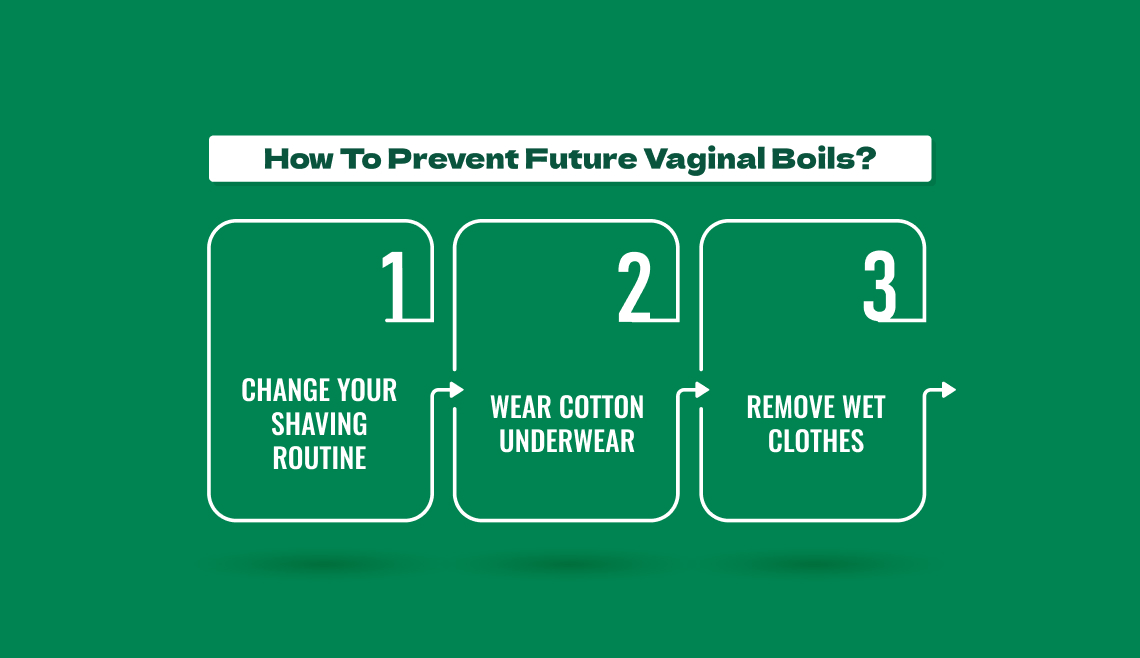
Here are a few things that you can do to prevent vaginal boils in the future:
- Change Your Shaving Routine: If you need to shave, do so with a new, sharp single-blade razor. Use a lot of gel and shave in the direction of hair growth. Yet, using electric trimmers is a great alternative.
- Wear cotton underwear: Always go for 100% cotton. It is good for the skin as it is breathable and prevents sweat from sitting on your skin.
- Remove wet clothes: Stop wearing sweaty gym clothes or a wet swimsuit. Take a shower right after working out and put on dry, clean clothes.
Do Not Be Your Own Surgeon
At the end of the day, a vaginal boil is just a common skin infection. It will usually go away if you keep it clean, use heat, and – most importantly – leave it alone.
Don’t try to be your own surgeon, and see a professional if things look like they’re getting worse.
While discovering a painful lump on your external genitalia can cause temporary anxiety, a vulvar boil is a highly treatable, common skin infection. Moreover, it usually resolves with patient, conservative home care.
Consistently apply warm compresses, prioritize optimal hygiene, and avoid the temptation. In this way, you will be able to avoid squeezing or popping the lesion while ensuring efficient healing within one to two weeks.
However, paying close attention to your body’s signals is key to avoiding complications.
If your symptoms intensify, you develop a fever, or the infection fails to improve after several days, contact a healthcare professional for a quick, safe evaluation.
Practicing gentle hair removal techniques and maintaining a dry, breathable skin environment remain your best defenses against facing future outbreaks.