

This is a dilemma that most people still face: Plan B spotting vs implantation bleeding. I know you are always wondering in the back of your mind: did the plan actually work? That’s why I’ll explore the truth about Plan B spotting in this article.
But there is a dicey component that I must discuss here upfront! The side effects of Plan B and your early pregnancy might cause the same signs. The most obvious one is certainly the little blood blot.
But when you are already having a toll on your nerves, that little blood blot can be hard to interpret. Rather, it will confuse you more. So here is a detailed discussion on how you can differentiate Plan B from implantation bleeding!
Why Plan B Causes Spotting In The First Place
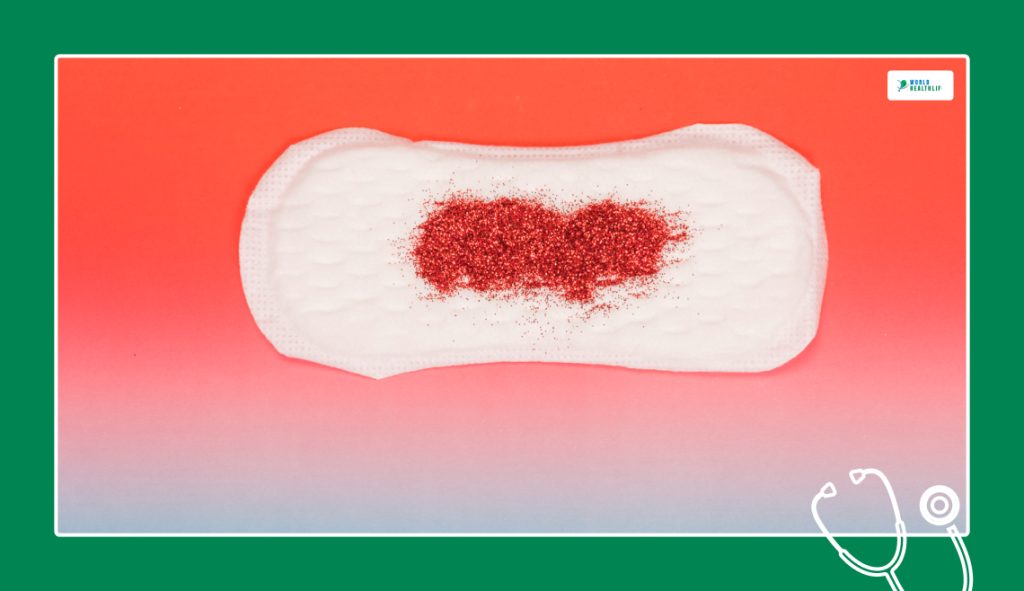
Let’s dig deeper into this Plan B spotting vs implantation bleeding controversy. Plan B (levonorgestrel) works mainly by delaying or blocking ovulation. That dose of synthetic hormone hits your system all at once, and your uterine lining reacts to the sudden shift. The result, for a fair number of people, is breakthrough bleeding.
A few quick facts worth knowing:
- After Plan B, the spotting part might take upto 1 week. However, exceptions are there
- According to popular studies, only 15% of people who did Plan B found disturbed bleeding or a shift in the cycle to be the root cause
- Usually, the fluid will be pinkish or often brownish. In most cases, period blood is deeper and redder. So that’s an important distinction.
- It might also delay or hasten your next period. But that is not a major problem.
None of this means the pill failed. Bleeding after Plan B is a hormone-adjustment side effect, not a sign of pregnancy, and definitely not a sign of a problem with how the medication worked.
When Plan B Won’t Stop Implantation
Here’s the part that trips people up, and it’s worth being blunt about: Plan B only works if you haven’t ovulated yet, or if fertilization hasn’t already happened. If an egg was already implanting by the time you took it, Plan B won’t undo that.
It’s not designed to interrupt an existing pregnancy. So in rare cases, spotting after Plan B genuinely could be implantation bleeding rather than a side effect of the pill. That’s exactly why timing matters so much here.
Ovulation Bleeding VS Implantation Bleeding Vs Plan B Spotting
Here, we will go beyond just Plan B spotting vs implantation bleeding. These three get lumped together constantly, and honestly, that’s fair.
To sum up, they can look nearly identical on the surface. The differences come down to when they happen and what triggered them.
| Type | Typical Timing | Cause | Color | Duration |
| Ovulation bleeding | Mid-cycle, around ovulation | Estrogen dip right after the egg is released | Pink or light red | A few hours to 2 days |
| Implantation bleeding | 6–12 days after ovulation | Embryo attaching to the uterine lining | Pink or light brown | Hours to about 2 days |
| Plan B spotting | 5–7 days after taking the pill | Hormone surge disrupting the lining | Pink to brown | A few hours to several days |
The overlap in timing is exactly why this gets confusing. That said, if you took Plan B around the same point in your cycle where implantation would naturally happen, the two windows can practically stack on top of each other.
What Does Implantation Bleeding Look Like?
Worth spelling this out clearly, since it’s what most people are trying to figure out. Implantation bleeding tends to be:
- Light pink or brownish, rarely bright red
- Just a few drops or a faint smear; not something that soaks a pad
- Free of clots
- Short-lived, usually done within a day or two
- Not accompanied by heavy cramping, though mild cramps are common
If what you’re seeing matches that description and it’s roughly a week or so after you would have ovulated, implantation is a real possibility worth testing for.
If it’s heavier, longer, or shows up right after taking Plan B rather than a week or more later, it’s more likely a medication side effect.
Timing Is The Real Clue
More than color or amount, timing is what actually separates these apart. It helps to think in terms of your cycle rather than the calendar date.
- Spotting within a day or two of taking Plan B: Usually just your body reacting to the hormone dose itself.
- Spotting 5–7 days after taking Plan B: Classic breakthrough bleeding window, still most likely a side effect.
- Spotting 6–12 days after ovulation (regardless of Plan B): This is implantation territory.
- Spotting instead of your expected period, and it’s been more than a week since your missed period: Time to test and possibly call a doctor.
If you know roughly when you ovulated that cycle, count forward. Meanwhile, if you are able to extract that much information, the doubt that this article is based on will be much clearer.
If I Have Implantation Bleeding, Will A Pregnancy Test Be Positive?
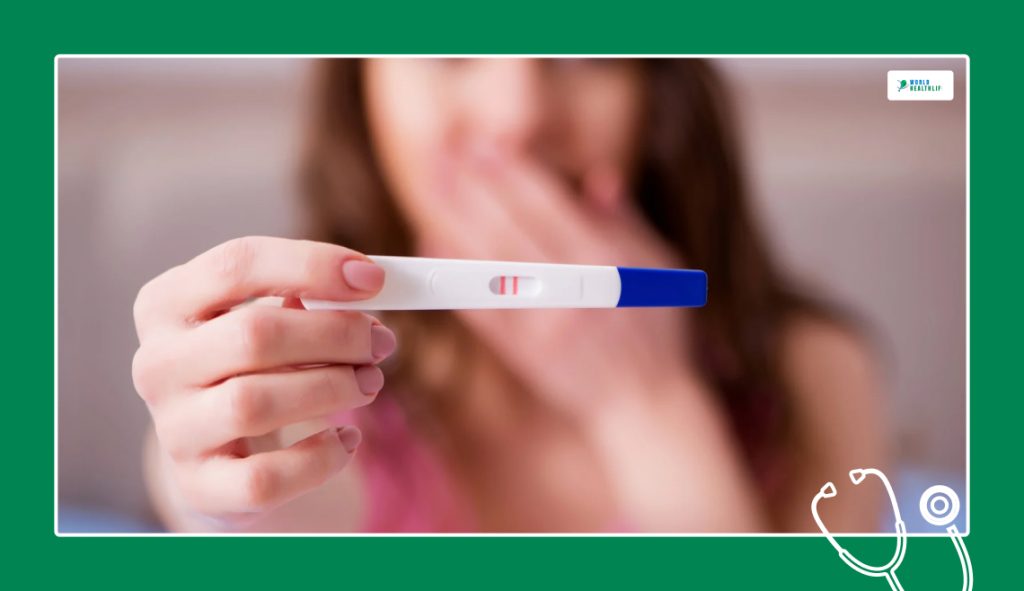
Finally, we have a breakthrough in our study of plan b spotting vs implantation bleeding. There is no obvious study that confirms that.
Usually, pregnancy test results depend on hCG levels. But the hormone in your body that confirms the test results starts developing when the implantation has actually happened. Any bleeding is not proof of that.
So it is not right to go for the hCG check when the spotting appears immediately. At least a home test probably wouldn’t be able to pick up something clear anf steady!
What Should You Do In That Case:
- Usually, it is better to avoid testing the day after you saw the spot in bed, or even that day. In most cases, if you do that, what you receive is a false positive, and nothing else!
- The ideal gap is 48 hours. By that time, hCG has developed to a credible level. So it can be detected through a test!
- If your first test is negative but your period still doesn’t show up, testing again in a few days is more useful than trusting one early result.
It’s also worth reading about what causes a false positive pregnancy test, since certain medications and hormone conditions can occasionally produce a misleading result in the other direction, too.
Other Signs That Point One Way Or The Other
Beyond timing and color, a few accompanying symptoms can help nudge you toward an answer.
Leaning toward Plan B side effects:
- Nausea or an upset stomach in the first day or two
- Breast tenderness that started right after taking the pill
- Fatigue or a headache that faded within a couple of days
- A period that arrives earlier or later than expected, but still arrives
Leaning toward implantation and early pregnancy:
- Mild cramping that feels different from your usual PMS
- Breast tenderness that’s sticking around, not fading
- Fatigue that keeps building instead of easing off
- No period showing up at all, even a week past when it was due
If you notice signs that your period is genuinely late rather than just shifted, this guide on how to get your period if it’s delayed covers what’s happening hormonally and what’s worth trying versus what’s not backed by evidence.
What About Premenstrual Symptoms Is Making This Even Harder?
Plan B can also intensify normal premenstrual symptoms for a few days, which muddies the picture further. Cramping, mood swings, and breast soreness that would show up before your period anyway can feel amplified right after taking the pill. If you already deal with strong PMS symptoms, it’s worth reading up on premenstrual exacerbation to understand which symptoms are just your normal cycle intensifying and which ones are genuinely new.
When To See A Doctor
Most spotting after Plan B resolves on its own and isn’t cause for concern. A few situations are worth a call rather than a wait-and-see approach:
- Bleeding heavy enough to soak through a pad in an hour or two
- Spotting or bleeding that continues well past your next expected period
- Severe or one-sided pelvic pain, or pain in your shoulder
- Your period is more than a week late and two home tests come back negative
- Dizziness, fainting, or a racing heartbeat alongside the bleeding
If your period simply hasn’t shown up yet and you’re trying to nudge things along naturally, this piece on how to get your period overnight walks through what actually has evidence behind it and what doesn’t.
The Most Obvious Pointers To Remember!
Plan B spotting and your implantation bleeding outcomes can look almost identical. That said, it can be light, pink or brown, and brief. Timing is what separates them.
To clarify, bleeding within a week of taking Plan B usually points to the pill itself. Meanwhile, bleeding 6 to 12 days after ovulation. Especially paired with a missed period, it points toward implantation.
Imagine you had implantation bleeding. Despite that, a pregnancy test won’t show you an actually positive result. At least not until hCG has had a few days to rise, so testing too early just invites a false negative.
When your period is genuinely late, and the timeline doesn’t add up cleanly, testing again and checking in with a doctor beats guessing.


