The female endocrine network operates like a highly tuned orchestra.
Every month, a complex, rhythmic relationship between estrogen, progesterone, and master control signals in the brain.
Additionally, this dictates energy, mood, metabolic health, and reproduction.
When these pathways function smoothly, the body maintains a natural state of vitality.
However, a variety of different issues, such as lifestyle pressures, environmental toxins, and underlying metabolic shifts, can easily throw this delicate communication system out of whack.
If you are actively looking up how to cure hormonal imbalance in females, you have likely realized that masking symptoms with temporary fixes rarely provides lasting relief.
True recovery requires moving past basic symptom management and focusing on structural, biological repair.
Thus, this comprehensive guide moves past the basic causes of endocrine disruptions.
Instead, it delivers a direct, actionable roadmap to fix broken communication lines, restore your body’s natural baseline, and reclaim long-term metabolic control.
The Therapeutic Framework: Connecting The Signaling Loops
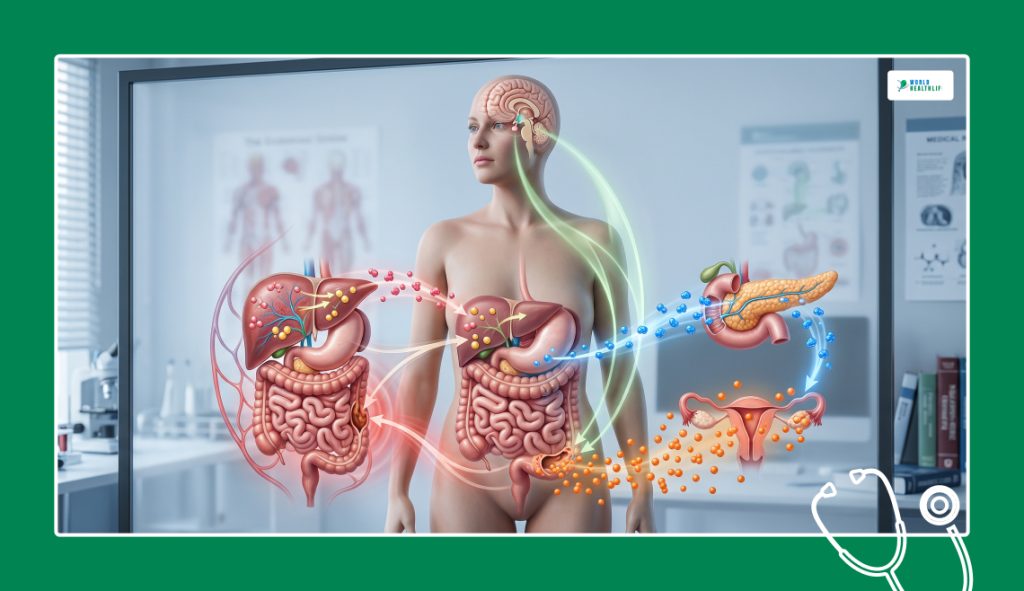
When addressing a female endocrine disruption, the clinical objective is rarely about micromanaging an isolated gland.
The body’s chemical messengers are governed by an intricate brain-to-body command chain called the Hypothalamic-Pituitary-Gonadal (HPG) axis.
Thus, true healing requires restoring balance across the entire signaling loop.
Breaking Estrogen Dominance
A frequent driver of chronic cycle disruptions is estrogen dominance, a state where estrogen runs completely unchecked due to a lack of balancing progesterone.
To reverse this issue and master how to cure hormonal imbalance in females, your recovery plan must focus heavily on liver clearance and gut health.
The liver is the body’s primary filtration system, which is responsible for breaking down used estrogen molecules into safe and water-soluble waste.
There can be times when liver pathways are sluggish. There can also be cases where chronic constipation leads to waste sitting in the digestive tract. Additionally, deactivated estrogen can re-enter the bloodstream.
As a result, this restarts the inflammatory cycle.
Reversing Insulin-Driven Androgen Surges
Another major clinical focus is correcting Polyendocrine Metabolic Ovarian Syndrome (PMOS), the condition historically referred to as PCOS.
Since PMOS is fundamentally a whole-body metabolic disorder driven by insulin resistance, curing it requires restoring cellular hormone sensitivity. Also, it is not just a reproductive issue.
When you fix insulin resistance, you stop the pancreas from overproducing insulin.
As a result, this immediately prevents the ovaries from churning out a toxic excess of male hormones like testosterone.
The Female Endocrine Recovery Matrix
Rebuilding chemical harmony requires a multi-layered lifestyle strategy.
Moreover, this strategy addresses nutrition, stress adaptation, and environmental protection simultaneously.
How To Balance Hormones Naturally
| Tactical Recovery Pillar | Specific Actionable Habits | Primary Biological Mechanism | Expected Health Outcome |
| Blood Sugar Stabilization | Prioritize clean protein, healthy fats, and cruciferous vegetables at every meal. | Minimizes sharp insulin spikes, reducing the metabolic trigger for androgen surges. | Curbs stubborn weight gain, clears cystic acne, and restores regular ovulation. |
| Phased Cortisol Reduction | Implement daily non-negotiable stress boundaries and digital-free windows. | Lowers chronic cortisol output to prevent the brain’s HPA axis from down-regulating reproductive pathways. | Eliminates extreme mood swings, stops sleep fragmentation, and elevates natural progesterone. |
| Environmental Toxin Detox | Swap out plastic storage for glass; filter water; choose paraben-free personal care. | Eliminates exposure to endocrine-disrupting chemicals (EDCs) that mimic natural hormones. | Protects cellular receptor sites, allowing real chemical signals to bind cleanly. |
| Hepatic Clearance Support | Consume daily portions of broccoli, kale, brussels sprouts, and ground flaxseed. | Provides active sulfur compounds (DIM and Sulforaphane) to support Phase II liver detoxification. | Safely binds and excretes toxic estrogen metabolites, eliminating estrogen dominance. |
Nutritional Therapeutics: Eating For Metabolic Balance
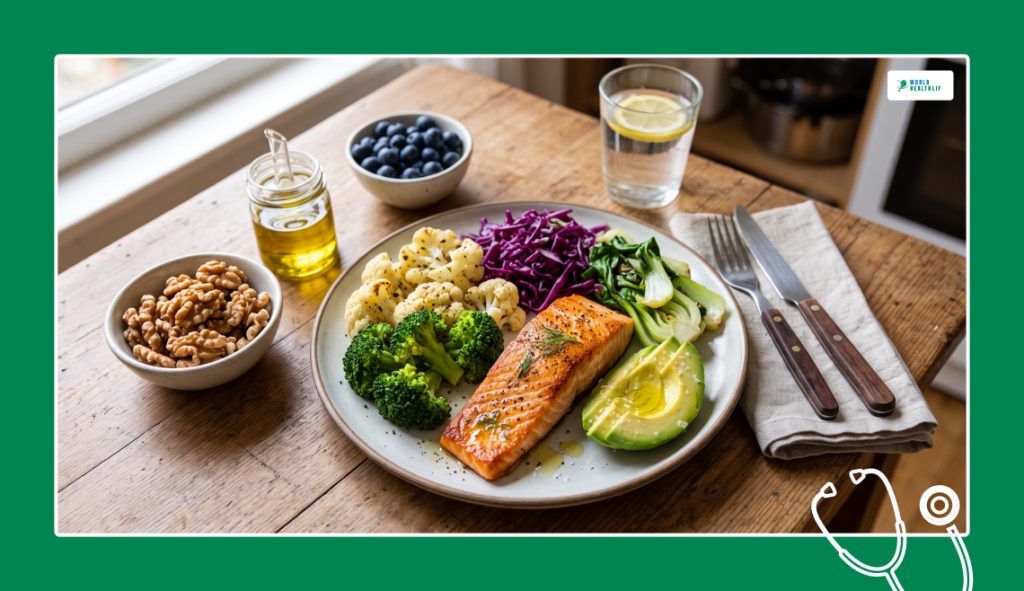
What you put on your plate serves as the raw data your body uses to build and regulate chemical messengers.
To repair a fractured endocrine axis, your nutritional habits must transition away from restrictive and low-calorie crash diets.
Additionally, they should focus heavily on blood sugar stability and micronutrient density.
Embracing Healthy Fats For Cholesterol Delivery
Every single steroid hormone in the female body is structurally built from a baseline foundation of cholesterol. This includes estrogen, progesterone, and DHEA.
If you follow an extreme and ultra-low-fat diet, you effectively starve your endocrine glands of the raw building blocks they need to synthesize basic hormones.
Incorporating clean, whole-food fats ensures your body has a steady supply of structural lipids to sustain normal production.
For instance, consuming foods such as wild-caught salmon, avocados, extra virgin olive oil, and raw walnuts is beneficial.
Utilizing Cruciferous Vegetables For Cellular Cleansing
Cruciferous vegetables contain an organic sulfur compound called Indole-3-Carbinol (I3C). This compound is known to convert inside the stomach into Diindolylmethane (DIM).
Moreover, it acts as a powerful accelerator for liver detoxification. Instead of acting as an inflammatory, over-proliferative route, it guides the body to process excess estrogen down a safe metabolic pathway.
Thus, it is advised to add regular portions of broccoli, cauliflower, cabbage, and bok choy to your weekly meals.
Consequently, it acts as a natural, continuous internal cleanup crew for your bloodstream.
Syncing With Your Biology: The Power Of Cycle Syncing

The biochemistry of a woman shifts drastically across a 28-day window. As a result, this forces your body to adhere to the exact same high-intensity workout or strict diet every single day.
This can accidentally trigger chronic cortisol overload.
Adapting your daily habits to match the four distinct biological phases of your cycle is a highly effective way to learn how to cure hormonal imbalances in females.
That also, without having to burn out your adrenals.
The Follicular And Ovulatory Windows
During the first half of your cycle, right after your period ends, estrogen levels steadily rise to build up the uterine lining.
This chemical surge naturally causes an increase in your physical energy and insulin sensitivity, and stress tolerance.
This is the optimal biological window to engage in high-intensity interval training (HIIT), heavy weight lifting, and social events. The reason behind this is that your body is primed to handle metabolic stress and repair muscle tissue efficiently.
The Luteal And Menstrual Windows
After ovulation occurs, progesterone takes over to stabilize the nervous system and calm the uterine walls.
However, progesterone also naturally lowers your baseline insulin sensitivity while raising your resting core temperature.
During this late-month phase, forcing yourself through grueling, exhaustive workouts can spike cortisol. This actively downregulates progesterone production, while triggering severe premenstrual syndrome (PMS).
Thus, you should shift your exercise towards low-impact movement, such as long walks, yin yoga, or functional mobility work.
As a result, this protects your adrenal reserves while allowing your body to transition smoothly into your period.
Advanced Endocrinology Diagnostics
The achievement of a true and permanent cure requires moving past guesswork. Instead, it needs the utilization of precise medical testing to pinpoint where your endocrine axis is failing.
Ensure to double-check the physical labels on any testing kits or paperwork to confirm these precise values are being tracked.
Comprehensive Blood Draw Panel
This must be performed on day 3 or day 21 of your cycle. Also, it depends on your specific timeline.
The test requires you to measure:
- Free and total testosterone
- Estradiol
- Progesterone
- Fasting insulin
- A complete thyroid panel including TSH, Free T3, Free T4, and Thyroid Antibodies
Four-Point Salivary Cortisol Test
Unlike a static morning blood draw, this test tracks how your stress hormones fluctuate over a 24-hour window.
Accordingly, it reveals hidden adrenal fatigue or nighttime cortisol spikes that disrupt sleep.
24-Hour Urine Hormone Mapping
This diagnostic does not just track the total amount of hormones in your system. Instead, it analyzes how your body breaks them down.
Consequently, it shows exactly how well your liver is clearing out used estrogen metabolites.
Stepping Off The Supplement Treadmill
True endocrine recovery is never about the replacement of a cabinet full of medications with yet another cabinet full of unverified viral supplements.
Your chemical messengers form a deeply interconnected biological web.
When you force a massive dose of an unverified herb or hormone into your system, the entire web experiences a sudden shift.
When mapping out how to cure hormonal imbalance in females, real healing requires taking a step back and prioritizing long-term cellular biology instead.
You can successfully fix these broken lines of communication.
First, focus on stabilizing your blood sugar and tracking your actual blood chemistry.
From there, eliminate environmental toxins and align your daily habits with your natural biological cycles.
Overall, it takes daily consistency and focused patience.
However, it allows your body to step out of the chemical crossfire and permanently return to its natural and vibrant state of health.
Disclaimer: The information provided in this article is for general informational purposes only. It does not, and is not intended to, constitute medical or health advice. Please consult a qualified healthcare professional for medical guidance or expert health assistance.
References
- Shukla, A., Rasquin, L. I., & Anastasopoulou, C. (2025). Polyendocrine metabolic ovarian syndrome. StatPearls – NCBI Bookshelf.
- De, R., Chakrabortty, S., Das, J., Chaudhary, P., Patra, R., Sardar, K., Nath, R., Pal, R., Debnath, B., & Ashique, S. (2026). Hormonal Imbalance and gut Dysbiosis: Emerging perspectives in Women’s health. Probiotics and Antimicrobial Proteins.
- Cpt, N. B. (2025). Cruciferous vegetables: health benefits and recipes. Healthline.
- Cleveland Clinic. (2025). Cortisol test. Cleveland Clinic.