

Light spotting can raise a big question. What are the usual worries that flood your mind in that moment?
Am I ovulating, or could I be pregnant? The blood may look much the same in both cases. It can be pink, brown, or light red. So, color alone gives a vague answer.
When you compare ovulation bleeding vs implantation bleeding, start with time. Ovulation spotting happens when an ovary releases an egg. Spotting linked to implantation comes later.
It may fall near the date of your next period. A well-timed pregnancy test gives much stronger proof.
This guide gives general health information. It cannot replace care from a doctor.
Key Takeaways
- Ovulation spotting happens near egg release. This is often about 14 days before the next period.
- Spotting linked to implantation may show after conception. It often falls close to the next period.
- Both types can look pink or brown. Looks alone cannot show the cause.
- Get prompt care for heavy bleeding, bad pain, shoulder pain, dizziness, or fainting.
Ovulation Bleeding VS Implantation Bleeding: Start With Timing
These events don’t happen at once. Egg release comes first. Sperm may then meet the egg. If that happens, the new cells need days to reach the uterus and attach.
A key study tracked this process. In most pregnancies that went on, implantation took place 8 to 10 days after ovulation. That gap tells us more than blood color.
The ovulation bleeding vs implantation bleeding table shows the usual pattern. Each point is a clue, not proof.
| Feature | Ovulation bleeding | Possible implantation bleeding |
| Usual timing | Near egg release, often 14 days before the next period | Days later, near the next period |
| Link to pregnancy | Does not show that pregnancy has begun | May happen in early pregnancy, but does not prove it |
| Flow | Very light spotting | Very light spotting |
| Color | Pink, light red, or brown | Pink, light red, or brown |
| Other clues | Clear, slick fluid or a mild one-sided ache | A missed period may follow |
| Best next step | Track your cycle | Test when the period is due |
What Ovulation Spotting Tells You
Ovulation often takes place 14 days before the next period. It does not always happen on cycle day 14. A short or long cycle shifts the date. The NHS says ovulation pain can come with a little blood or discharge.
The spotting is often brief and light. It may mix with clear, slick fluid. Some people feel a mild ache on one side. These signs do not prove egg release. Read whether ovulation bleeding means pregnancy. You can also learn why blood may show around ovulation.
What “Implantation Bleeding” Tells You
Doctors use this term for light spotting in early pregnancy. It often shows near the next period. ACOG says this can happen one to two weeks after the egg joins with sperm.
Still, spotting cannot show the exact day an embryo attached. One study found that blood did tend to show near the next period. Yet it rarely fell on the measured day of implantation. So, “implantation bleeding” is one possible cause. You cannot prove it by sight.
Why Color Cannot Separate Ovulation Bleeding VS Implantation Bleeding
People often search what does implantation bleeding look like because sight feels like the fastest test. Most guides describe a few pink or brown spots. You may see them on your pants or toilet paper. The flow should be far lighter than a period. It should not soak a pad.
Yet those signs are not unique. Blood turns brown as it gets older. Fresh blood may look pink when mixed with body fluid. The same mark can have many causes. These include ovulation, a period, sex, and an infection.
Flow tells you more than shade. Spotting means a few drops or a light stain. Does the flow grow? Does it form clots or start to feel like your period? If so, it does not fit the usual pattern. A pregnancy test and, at times, a health check can give a firmer answer.
Use Three Dates To Read The Pattern
Cycle apps can help. Yet most apps guess from past cycles. They do not see an egg leave the ovary. Write down three dates before you draw a conclusion:
- Record day one of the last period. Use the first day of full flow, not faint spots.
- Note signs of egg release. These may include a positive urine test or clear, slick fluid.
- Mark when the next period is due. Also mark each day that you spot.
This short record turns one vague sign into a timeline. Here is an example for a 30-day cycle. Your dates may shift.
| Point in the cycle | Example timing | What spotting may suggest |
| Period starts | Day 1 | Menstrual bleeding |
| Likely egg release | Around day 16 | Ovulation spotting may show |
| 8 to 10 days after ovulation | Around days 24 to 26 | Implantation may occur if conception happened |
| Next period due | Around day 31 | Test if the period does not start |
An uneven cycle makes a date less useful. Travel, illness, stress, nursing, and age can shift egg release. Some health issues can do the same. Has the spotting begun to repeat? Have your periods changed? If so, a doctor can look for the cause.
Let A Pregnancy Test End The Guessing
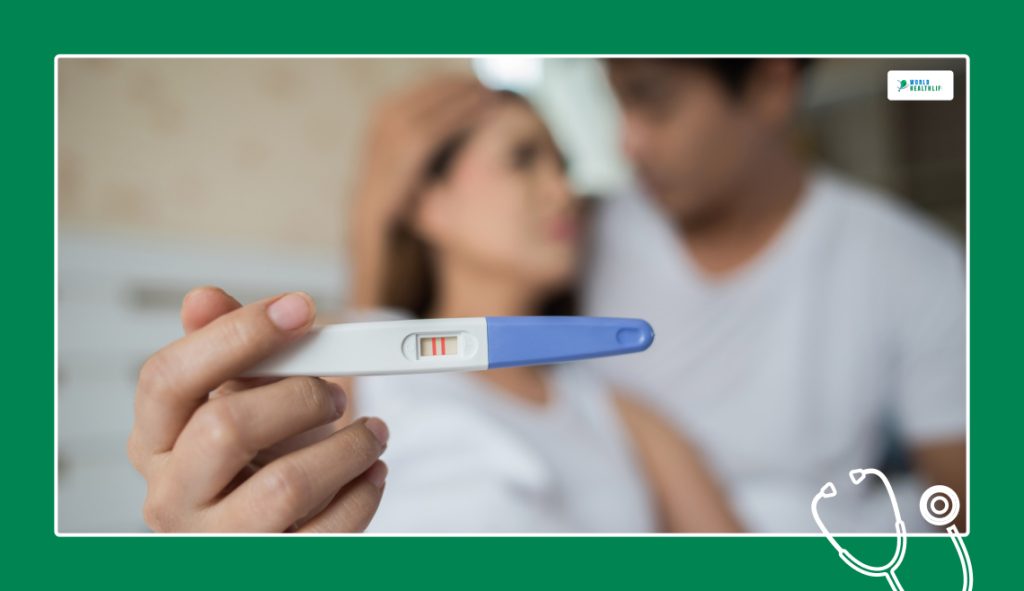
For ovulation bleeding vs implantation bleeding, a home test beats a list of signs. The test looks for hCG, known as the pregnancy hormone. Your body starts to make it after implantation. A test on the day of egg release is far too soon. It cannot detect a pregnancy from sex in that same fertile window.
Most home tests can find a pregnancy after a missed period. A test done too soon may look negative. At that stage, the hCG level may still be too low. The NHS says to test again after a few days if the first test is negative. But do you still think you may be pregnant?
Follow the kit steps. Read the result within the time shown on the box. This guide to using a home pregnancy test kit can help. You can also read about the causes of a false-positive pregnancy test. For this topic, an early false negative is more common.
If the test is positive, call a doctor to plan your care. A scan may later show an early pregnancy inside the uterus. A scan done too soon may not show enough yet. Your doctor may reschedule it.
When Spotting May Have Another Cause
Not every mid-cycle spot comes from ovulation. Birth control can cause light blood between periods.
So can sex or a sore cervix. Other causes include polyps, fibroids, thyroid disease, and STIs. You can also bleed in a cycle with no egg release.
A 2026 study followed 5,425 pregnancies. It found that first-trimester bleeding on its own did not predict pregnancy loss. The dates and amount of blood still matter. So do pain, test results, and scan results.
Do not call each early spot harmless. Yet do not assume it means a loss, either.
When to Seek Medical Help
Tell a doctor about blood loss if you are or may be pregnant. Get urgent help if it comes with any of these signs:
- Bad or growing pain in the lower belly, mainly on one side
- Shoulder pain, weakness, dizziness, fainting, or feeling very ill
- Heavy bleeding that soon soaks a pad, or blood with large clots
- Fever, fluid with a bad smell, or pain when you pass urine
- A positive pregnancy test with pain or blood loss that gets worse
These signs can occur with an ectopic pregnancy, pregnancy loss, or an infection. Each one needs care. The NHS guide to bleeding in early pregnancy lists bad pain, shoulder pain, faintness, and heavy blood as reasons to get help now.
Book a routine visit if the spots are new or keep coming back. Do the same if they show after sex or after menopause. Take your cycle notes and test results. They can help your doctor choose the right exam, blood test, or scan.
Common Questions Readers Ask
Can Ovulation Bleeding Mean I Am Already Pregnant?
Ovulation spotting does not mean you are pregnant. It shows near egg release. Implantation cannot happen that soon in the same cycle. Sperm from earlier sex may still meet the egg. If it does, pregnancy can begin later.
Can an App Settle Ovulation Bleeding vs Implantation Bleeding?
No. An app uses past data to guess your fertile days. It cannot prove egg release, implantation, or pregnancy. Use it as a diary, not a test.
Does No Implantation Spotting Mean I Am Not Pregnant?
No. Many pregnant people never see such spots. A missed period and a well-timed test offer much stronger proof.
The Final Tip For Readers!
In short, ovulation bleeding vs implantation bleeding comes down to time. A spot near egg release points more toward ovulation bleeding. A light spot near the next period may occur in early pregnancy. It still does not prove implantation.
Check your dates. Note the flow. Then test at the right time. Get medical help for heavy blood, pain, repeat spots, dizziness, or shoulder pain. Do not wait for the pattern to explain itself.


