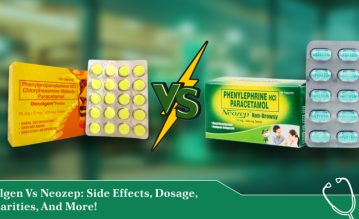
Walk into any pharmacy in the Philippines, and you will almost certainly spot both: Neozep and Bioflu. Most Filipinos have reached for one of them at some point, usually in a hurry. Often, without giving much thought to whether they are actually grabbing the right one for what they are dealing with.
That habit is understandable. Both medicines work, both are affordable, and both have built up decades of trust among Filipino households. Neozep has been around for over 60 years, making it practically a fixture in local medicine cabinets.
Bioflu, meanwhile, carved out its own loyal following by offering broader symptom coverage that appeals to people who want one medicine to handle everything at once.
But here is the thing. They are not the same medicine. Choosing the wrong one for your symptoms does not just mean slower relief. It can also mean dealing with side effects you did not need or missing the ingredient that would have actually helped most.
This article breaks down the neozep vs bioflu comparison in plain terms. Let’s look at:
- Their ingredients
- How does each one work?
- What symptoms do they target best?
- What safety considerations come with each?
What Are Neozep and Bioflu?

Neozep and Bioflu are popular as cold‑and‑flu medicines in the Philippines. Neozep is a multi-faceted medicine that includes sipon, sneezing, congestion, and sipon.
At the same time, Bioflu covers fever, body aches, and multiple flu symptoms. Their broad relief and easy availability make them household staples.
What is Neozep?
Neozep is an over‑the‑counter cold medicine available in tablets and syrup (with age‑based dosing). You can also find Neozep as oral drops for little kids. So it’s easy to use at home. Its formula is based on 3 key ingredients.
These are paracetamol (for pain/fever), Phenylephrine (for nasal decongestion), and chlorpheniramine (for runny nose/sneezing). In addition, the selective Z+ variants add zinc.
How does it help?
When a cold gives you fever, headache, and baradong ilong, paracetamol eases the pain/fever. Phenylephrine shrinks swollen nasal vessels.
To sum up, your breathing feels easier. If sneezing and sinus congestion are prominent, chlorpheniramine, the other ingredient, helps calm those allergy‑like symptoms.
Suggestions:
- For daytime productivity, consider Neozep Z+ Non‑Drowsy (no antihistamine).
- For full multi‑symptom relief, Neozep Z+ Forte (with chlorpheniramine) may be a better option.
- Always track your total paracetamol for the day and follow the label’s dosing table.
What is Bioflu?
Bioflu is an OTC that targets multiple symptoms. On a broader scale, it is a cold and flu medicine you can buy almost anywhere in the Philippines. The tablet pairs paracetamol (fever/pain) with Phenylephrine (decongestant) and chlorpheniramine (antihistamine). That makes Bioflu ideal to tackle lagnat, baradong ilong, and sipon in one go.
For kids, there is a pediatric suspension with clear age‑based dosing every six hours. To sum up, it is a convenient option when you need something simple and label‑guided at home.
In practice, you’ll feel relief from fever, headache, sinus pressure, runny nose, sneezing, and even post‑nasal drip cough. Meanwhile, note that chlorpheniramine can cause antok. So take care when driving or performing tasks where flickering concentration can cause an accident.
Also, watch your total paracetamol for the day. Stay within label limits to protect your liver. If symptoms persist or you have comorbidities, it’s better to consult your doctor.
Active Ingredients & How They Work

The actives have a critical impact. Each one has its dedicated purpose in combination medicine.
What does paracetamol do?
Paracetamol is present in significant volume in both Neozep and Bioflu. Once it enters the body, it travels to the brain and essentially tells it to stop spiking the body’s temperature.
In short, it brings the fever down. On top of that, it dulls the perception of pain. As a result, the nagging headache or body ache that comes with a cold starts to ease within an hour.
But here is something you need to be aware of. Paracetamol has a ceiling. Exceeding the daily limit can harm your organs. The worst you can expect is liver damage.
How does Phenylephrine help?
Phenylephrine works on a completely different front. Rather than going through the brain, it targets the blood vessels inside the nasal passages directly. In other words, it helps the nasal blood vessels contract.
As a result, those nerves pull back the swollen tissue that has been blocking airflow. That tight, pressurized feeling in the nose and sinuses starts to loosen, and breathing through the nose becomes noticeably easier.
Anyone who has tried to sleep with a completely blocked nose knows exactly how much of a difference this makes.
Why chlorphenamine matters?
Now, chlorphenamine is where Bioflu entirely separates itself from Neozep. This ingredient does not address either fever or congestion. Instead, its sole job is to handle the histamine response. It is a different problem entirely.
Neozep vs Bioflu: Side-by-Side Comparison
A table makes the differences easy to see. Therefore, we present it below, followed by explanations.
| Feature | Neozep | Bioflu |
| Main Use | Fever, pain, congestion | Fever, congestion, runny nose, sneezing |
| Key Ingredients | Paracetamol + Phenylephrine | Paracetamol + Phenylephrine + Chlorphenamine |
| Targets | Fever, nasal blockage | Fever, congestion, sneezing, runny nose |
| Antihistamine | No | Yes |
| Typical Side Effects | A rise in blood pressure is possible | Drowsiness, dry mouth, possible |
Neozep uses two main ingredients. Therefore, it focuses on fever and congestion. However, it avoids the drowsiness caused by antihistamines.
Then, there is Bioflu, which includes chlorphenamine. As a result, it relieves additional symptoms, such as sneezing.
For example, Bioflu suits cases with a runny nose. In addition, Neozep works for simple blockage. However, phenylephrine in both raises blood pressure risks. Therefore, check your health before use. This comparison shows clear practical differences.
When to Use Each Medicine

Selecting the correct medicine depends on symptoms. Therefore, we outline the guidelines below.
When to Choose Neozep
Neozep works best when your symptoms are any or all of these:
- Blocked nose
- Rising fever
- Sinus pressure
- Headache
Its two-ingredient formula handles all of that without unnecessary extras. More importantly, it skips the antihistamine.
When to Choose Bioflu
Select Bioflu when your symptoms include a runny nose or sneezing. For example, it works for fever plus allergy signs. The antihistamine gives extra control.
As a result, relief feels more complete. However, drowsiness may occur, so avoid driving.
Real-World Use Cases
Picture someone who wakes up before a long workday with a blocked nose and a fever creeping up. In other words, they have no sneezing, no runny nose, just that heavy, congested feeling. Neozep handles that cleanly.
Now picture someone else whose cold comes with non-stop sneezing and a nose that will not stop dripping on top of the fever. That person gets more mileage out of Bioflu.
For children, the same logic applies. But dosing must strictly follow age- and weight-based guidelines. Don’t go for any medication based on your guesses.
Matching the right medicine to the right symptoms saves time, avoids unnecessary side effects, and honestly just gets you feeling better faster.
Safety Considerations and Precautions
Safety is critical with any medicine. Therefore, follow these points carefully.
Potential Side Effects
It commonly causes that heavy, sleepy feeling, and sometimes dry mouth or mild dizziness alongside it.
Both medicines can occasionally irritate the stomach lining, so taking either one with food is a simple habit worth building.
Drug Interaction and Liver Risk
For adults, crossing four grams in a single day puts real strain on the liver, and the damage that follows can be serious. Before taking either medicine, check any other products you are using for hidden paracetamol.
Frequently Asked Questions (FAQs)
If you are still stuck in the divide of neozep vs bioflu, here are some queries that people usually have. Maybe you have also asked one or more of these questions on Google:
Neither is stronger than the other. Both contain similar paracetamol levels. Bioflu simply covers more symptoms because of its added antihistamine. Choose based on what you are actually experiencing.
Bioflu has chlorphenamine that saves you from runny nose and clears nose blockages. However, it is not an ultimate solution. For instance people suffering from chromnic allergy must see a doctor. This OTC medicine is not a solution for them.
Both perform equally well for congestion and fever, as they both contain Phenylephrine and paracetamol. Neither has a clear advantage there. Your other symptoms should help you decide which one to pick.
What about children? Always follow age and weight-based dosing guidelines on the packaging. For younger children, especially toddlers, checking with a doctor first is strongly recommended before giving either medicine.
Conclusion
Neozep and Bioflu both help relieve cold symptoms. However, Neozep suits basic fever and congestion with two ingredients. In contrast, Bioflu adds chlorphenamine for sneezing and runny noses. That basically ends the debate of neozep vs bioflu.
Safety remains key. Therefore, avoid excess paracetamol to protect the liver. In addition, do not combine them. Always consider health conditions like high blood pressure.
For best results, match symptoms to the medicine. Read labels carefully. However, consult a doctor if unsure. As a result, you stay safe and recover faster.