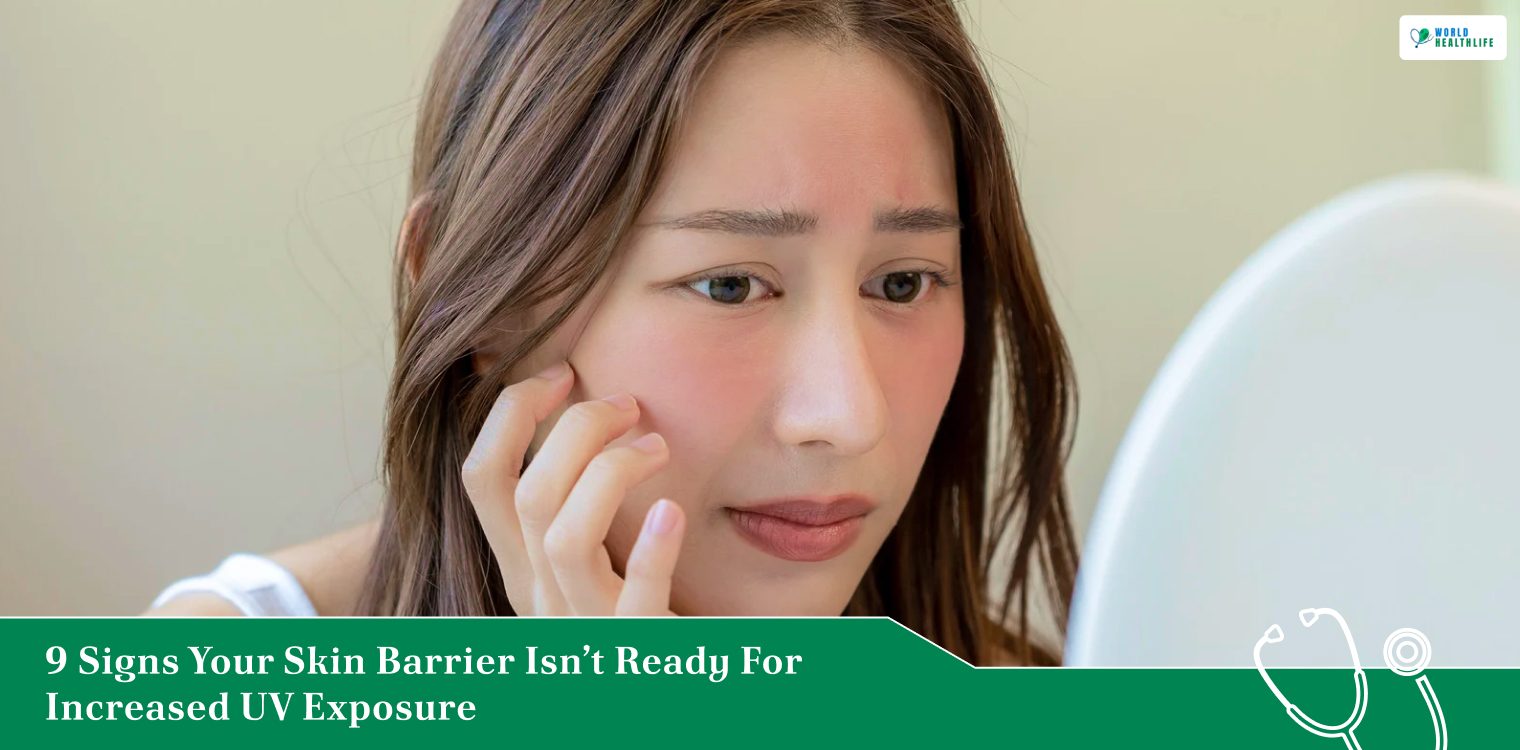
We are in the season of the Sun. The temperatures are soaring, and we are spending more time outdoors now.
It is time that we get our skin ready for the increased UV exposure and temperature changes.
Now, taking care of the skin is a year-round activity. However, if you have not started yet, you still have some time to improve your skin condition.
However, before everything else, you need to know about the top signs of damaged skin barrier.
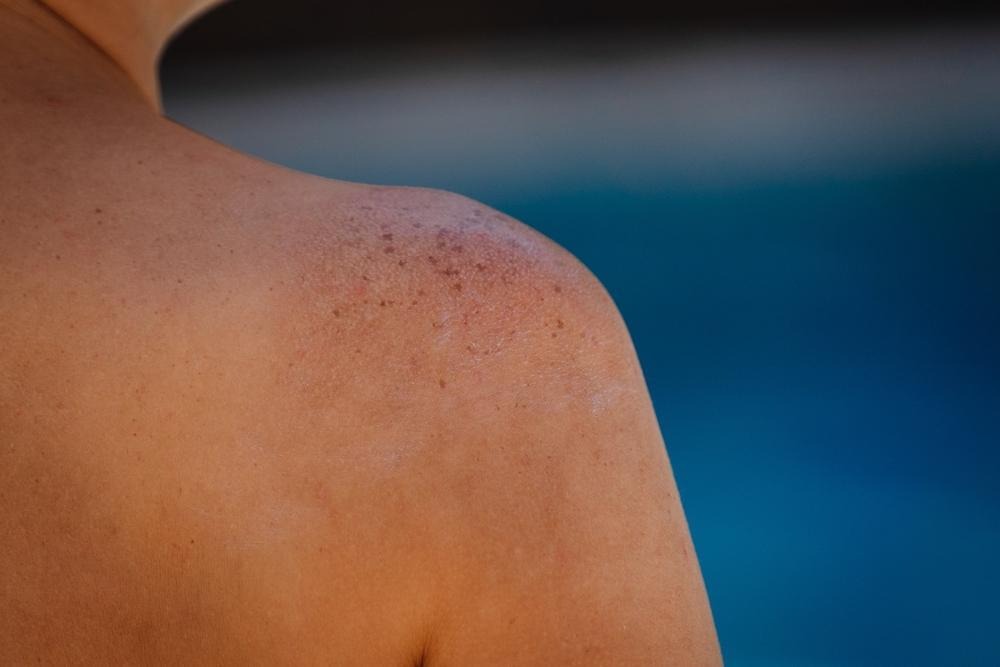
Source: shulers/Shutterstock.com
What Are The Top Signs Of Damaged Skin Barrier?
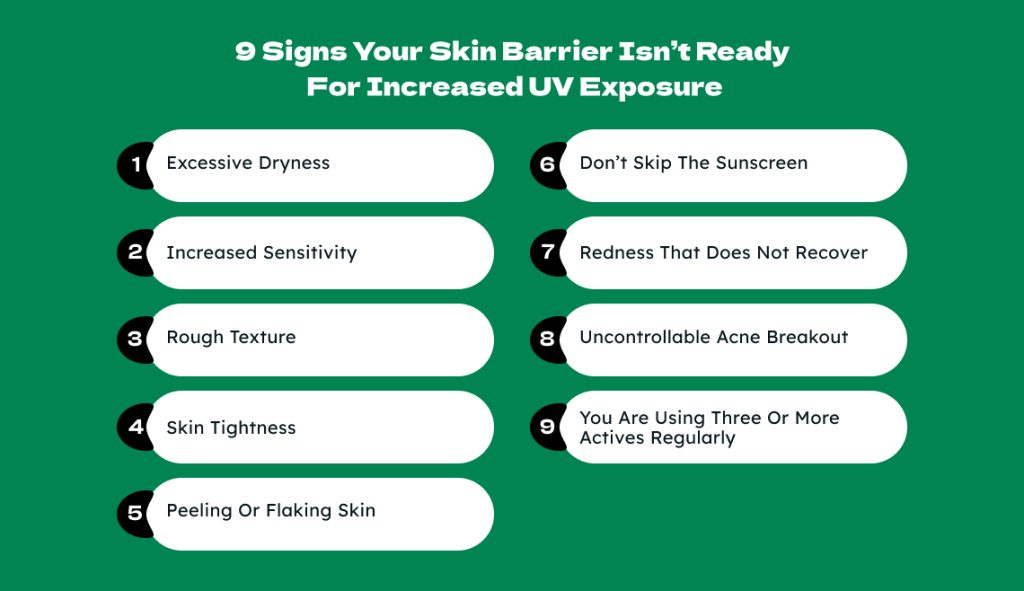
How will you know that your skin is damaged? Touch it, and does it feel excessively dry?
Is the skin red, or is there any skin irritation? These are all signs of dryness.
However, there is more to it.
1. Excessive Dryness
The combination of cold, dry outdoor air and heated indoor air can cause your skin to dry out throughout winter. Hot showers and baths can also contribute to the problem.
Products like Image MD® Moisturizer can hydrate your skin to help it look and feel better in time for sunnier days.
While using the right moisturizer is great for your skin, don’t overdo it. Using it infrequently may not give you the desired results.
However, applying moisturizer too often throughout the day could lead to problems like clogged pores and milia. Follow the instructions on the packaging to make the most of its benefits without causing further problems.
2. Increased Sensitivity
Increased sensitivity to cold, sun, and wind is a sign of a weakened skin barrier. Your skin may feel itchy and irritated, so determining the best solutions for it is crucial.
Image MD® products were developed by a physician and are medical grade, so you can feel confident that they were created with care.
If your skin already feels sensitive, avoid aggravating it to prevent the problem from getting worse. For instance, you should cover your face on a windy day and avoid using products that are too harsh for your skin.
Additionally, don’t scratch at it, regardless of how itchy it is. You could create microtears that could cause infections, pain, and additional problems.

Source: Bee Bonnet/Shutterstock.com
3. Rough Texture
Your skin should feel soft and smooth when you touch it.
If it feels anything otherwise, it’s likely not ready for increased UV exposure, especially during extremely hot temperatures.
Low humidity, skin dryness, wind, a buildup of dead skin cells, and irritation are some reasons for this problem. It may also accompany a dull appearance.
Exfoliating and using a moisturizer consistently can help combat rough texture. Generally, you should exfoliate two or three times a week.
However, since your skin is already dry and/or sensitive, limit it to once a week until your skin barrier improves. Keep in mind that exfoliating doesn’t mean harshly scrubbing at your skin. Doing it gently can still provide effective results.
4. Skin Tightness
Severe dryness is a common cause of tightness. This could be due to factors like cold, dry weather, hot showers, and harsh skincare products.
Switching to higher-quality moisturizing products can be an excellent way to start repairing the damage.
It’s also a good idea to take lukewarm (instead of hot) showers and cut down on their length. Ideally, each one should be between 5 and 10 minutes.
5. Peeling Or Flaking Skin
Peeling or flaking skin is another indicator that your skin needs extra care to get it ready for spring and summer.
This situation could happen for several reasons, including windburn and extreme dryness. As challenging as it may be, don’t pick at it.
Doing so could worsen the situation, possibly even leading to an infection. It’s also important to have a dermatologist diagnose the cause.
Depending on the cause, hyaluronic acid skincare products could provide some relief. Hyaluronic acid is a naturally occurring substance in our bodies. However, as we age, its production declines significantly. This could cause skin to lose moisture, which can lead to it peeling, drying, and flaking.
6. Don’t Skip The Sunscreen
Skipping sunscreen is one of the worst mistakes you could make if you want to improve your skin barrier.
It offers numerous benefits, including preventing sunburns, premature aging, and hyperpigmentation. Additionally, it might also help improve hydration and reduce skin irritation.
The biggest perk is that it could reduce the risk of skin cancer, such as squamous cell carcinoma (SCC), melanoma, and basal cell carcinoma (BCC).
Some people apply sunscreen daily but don’t do it the right way. You should ideally use separate ones for your face and body.
Apply it at least 30 minutes before you leave the house. If you’re going to be outdoors or sitting in front of windows throughout the day, you need to reapply it every two hours. Additionally, reapply it immediately after sweating or swimming.s throughout the day, you need to reapply it every two hours. Additionally, reapply it immediately after sweating or swimming.
7. Redness that does not recover
When you see red patches on your skin, it’s one of the biggest signs you might not want to ignore.
Redness is caused for a lot of reasons, such as sunburn or when you over-exfoliate your body.
It is also often caused if you are using harsh chemicals. It leads to inflammation, irritation on your skin, and elevate the blood flow towards the surface.
So, don’t let the redness on your skin sit and take time to heal itself rather, simplify your routine, use gentle cleansers, and focus on your barrier repair.
First and foremost, you have to stop using active ingredients like acids (AHAs/BHAs), retinoids, and physical scrubs until your skin heals.
When you wash your face, use gentle, fragrance-free cleansers. After that, use moisturizers that are good for your pores and contain ceramides, niacinamide, panthenol, or hyaluronic acid.
(Source: American Academy of Dermatology)
8. Uncontrollable Acne Breakout
Let’s be honest, it has happened to us a lot of times that whenever we plan something an acne pays us a surprise visit, right?
Well, that part is annoying, yet do not proceed to pop it just for the sake of the event, it will leave you a spot.
When your skin barrier is damaged, it loses moisture, which then leads to further inflammation, creating a loop.
Before the solution, I want to let you know what not to do during an acne breakout.
Besides not popping your acne, avoid using alcohol-based toners that strip skin’s natural moisture. That tricks your skin to produce more oil.
You can rebuild your barrier with a pH-balanced cleanser that has ceramides or hyaluronic acid.
Hydrate your skin using “non-comedogenic” lotions or gels that does not clog the pores. And use an oil-free mineral sunscreen daily!
Additionally, you can use hydrocolloid patches, especially for active whitehead pimples. They suck out the impurities, stop skin picking, and speed up healing.
(Source: Cleveland Clinic)
9. You are using three or more actives regularly
Your skin can process a small amount of stimulation, once at a time. Using three or more actives on a regular basis, thinking it might make your skin glossier, is a huge no-no.
It causes chemical burns, chronic irritation, and severe skin damage. To stop this, stop mixing incompatible ingredients and use of high concentrated actives.
In the same routine, if you use retinol, salicylic acid (BHA), and vitamin C, that strips the skin’s natural pH balance.
If you combine 10% Niacinamide serum, 2% Salicylic acid serum, and 10% glycolic acid, over exfoliates the skin.
So, unless a dermatologist asks you to, do not experiment with these chemicals on your skin.
(Source: Villa Skincare)
Schedule An Appointment With A Dermatologist If You See Signs Of Damaged Skin Barrier

The same way you shouldn’t skip sunscreen, you also shouldn’t forego an appointment with a dermatologist. They can help you create a custom plan for getting your skin in top shape before spring and summer.
They’ll discuss your medical history, including reviewing any current medications you’re taking. Additionally, they’ll talk about your current skincare needs and recommend the best products to help improve your skin’s condition.
Avoid making any changes to your skincare routine or products until you speak with the dermatologist. This is particularly important if your skin is dry or irritated, or if you already have conditions like eczema.
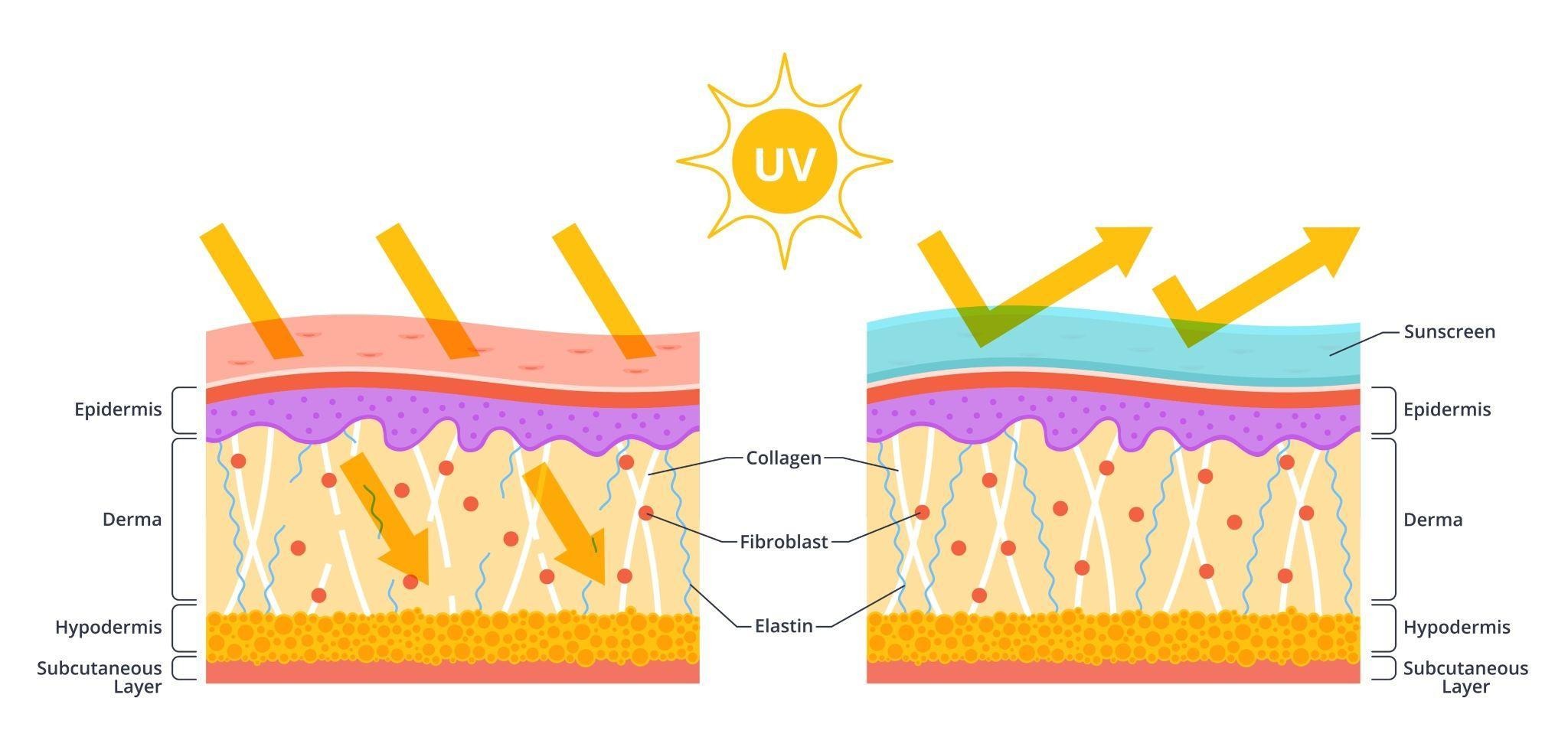
Source: YummyBuum/Shutterstock.com
Start Preparing Your Skin Today For The Warmer Weather
If your skin barrier is already weakened, being outside more often in the sunshine could make it look and feel worse.
Schedule a dermatologist appointment and start stocking up on products that could improve it. Create an easy-to-follow plan and stick to it on a daily basis. Doing so could allow you to enjoy your time in the sunshine and warmth without your skin experiencing unpleasant effects.