
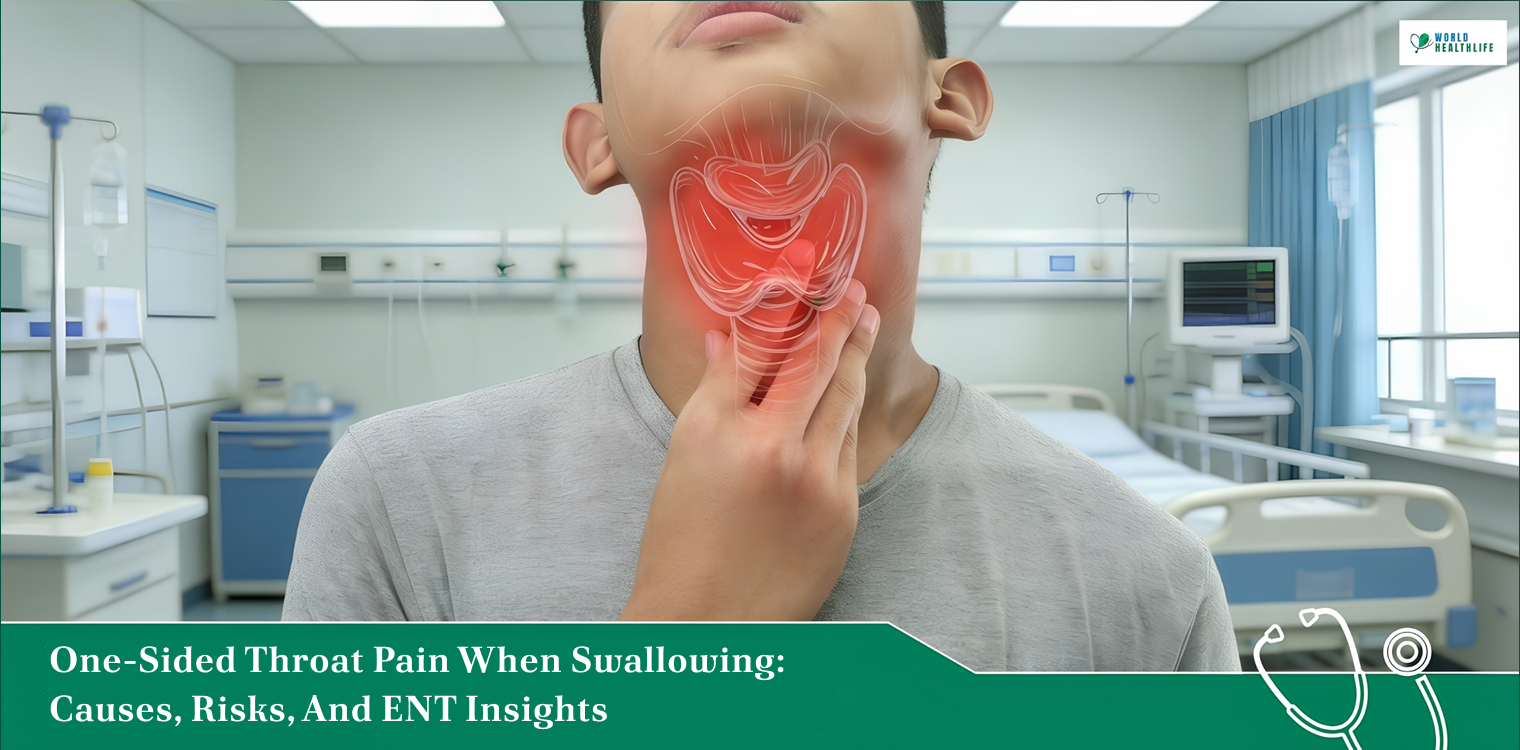
While a symmetrical sore throat is a familiar symptom of a common cold, localized discomfort on a single side of your pharynx demands a closer look.
If you are experiencing a sharp, burning sensation that triggers every time you consume food or drink, you are likely wondering one thing. Why does one side of my throat hurt when I swallow?
Unlike a generalized viral infection, unilateral throat pain is typically linked to a specific anatomical structure.
This includes a single inflamed tonsil, a localized abscess, asymmetric fluid drainage, or even referred pain from an underlying dental issue.
Understanding the differences between these conditions is essential for recognizing when a symptom requires standard home care or immediate medical evaluation.
Why Does One Side Of My Throat Hurt When I Swallow?
Honestly, it took me way too long to realize Why Does One Side of My Throat Hurt When I Swallow.
When both sides of your throat hurt, it’s usually something basic. For instance, a cold. Or flu. Maybe strep. It is annoying, yes. But familiar.
But when just one side hurts? That’s different.
You can have strep that pains on one side. Meanwhile, you can also have one angry tonsil. While the other behaves itself. Most importantly, a single lymph node can also swell. While its twin does absolutely nothing.
Even reflux! That’s something people almost never connect to throat pain. It can hit just one side. Especially if you sleep the same way every night. (A lot of people I know do that)
So no, the side that hurts doesn’t magically tell you the diagnosis. I wish it did. But the fact that the pain stays on one side tells you that you need medical intervention, without a doubt. At least it narrows down a lot of things.
Are you sitting there right now, tilting your head, swallowing carefully, wondering if you should wait another day or finally call a doctor?. That’s exactly where my friend was, too. So don’t delay.
The Most Common Reasons This Happens (And How To Tell Them Apart)
Let me walk through the main causes. It is not a clinical advisory. Instead, it is what I learned from my doctor and medical journals:
1. Tonsillitis (Just On One Side)
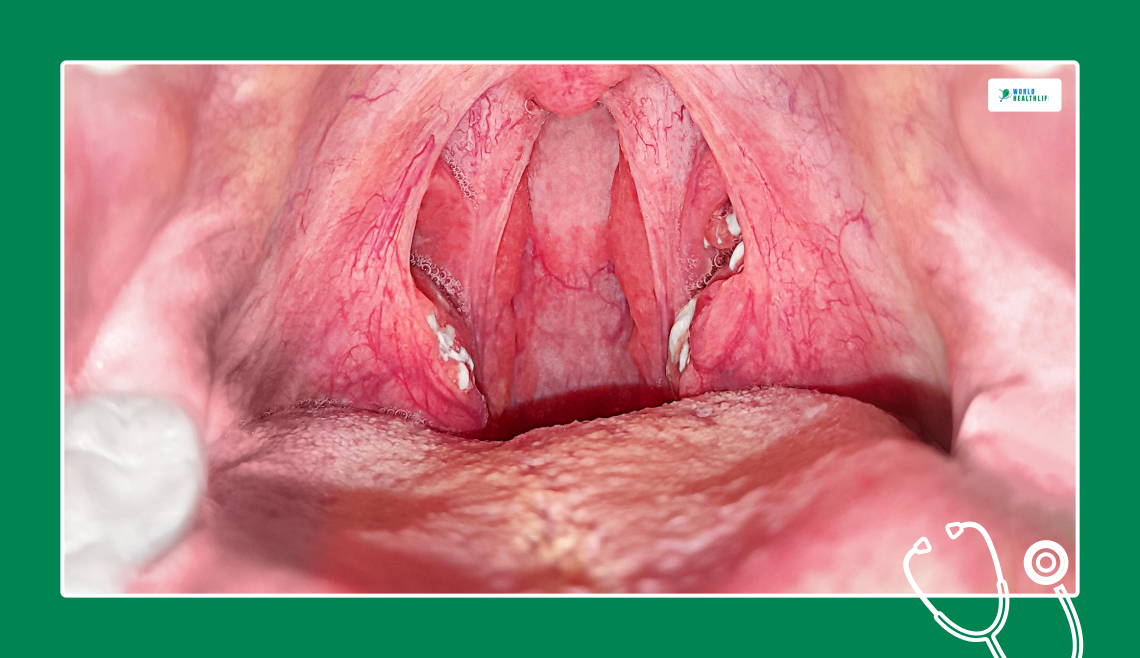
This was my friend’s first time. He had an inflamed right tonsil. On the other hand, the left one looked completely normal.
The doctor told me this is actually pretty common. He added: “Your tonsils aren’t a synchronized system. One can get hit harder by a virus or bacteria, while the other barely reacts.”
The Doctor’s Diagnosis: What Made Me Think It Was Tonsillitis?
“The pain was deep in the patient’s throat, but not on the surface. The patient felt the pain every time while swallowing. Here is something that I observed. It was not a mild or dull pain. It was a sharp pain that the patient mentioned.
I also noticed the patient’s voice sounded slightly different. To clarify, a little thicker. One side of the throat was inflamed. I could see the reddish tint. It was also swollen. These symptoms appear when you have tonsillitis.”
According to an NIH Guide, viral tonsillitis will heal in approximately 7 days. But bacterial tonsillitis is completely different. It is less likely to heal on it;s own. Usually, people need to have antibiotics.
One prime reason you have bacterial tonsillitis is strep bacteria. That means you need external immuno-catalysts to overcome it. And that takes time.
The Simple Answer Behind This
For severe pain, medical professionals sometimes combine managed prescription therapies with over-the-counter anti-inflammatories.
However, any combination of prescription pain medication must be strictly supervised by a doctor.
2. Strep Throat (That Hits One Side Harder)
A lot of people also suffer from strep throat. But how is it different from tonsillitis? Above all, the pain is more intense. Meanwhile, it will hit you abruptly. For instance, imagine you are fine in the morning and genuinely miserable by afternoon. That’s how the doctor explained why my friend did not have strep throat. Plus, he did not have a fever.
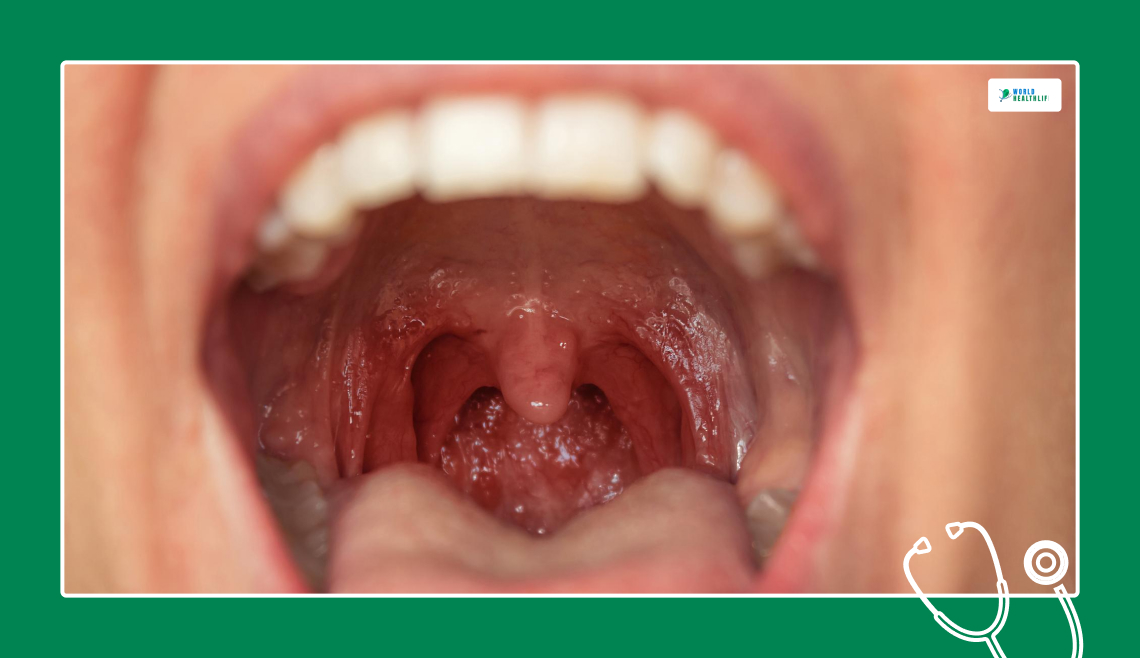
In case of strep, most people have a fever of 101°F. And when I looked in my throat, I could see white patches on the right tonsil. That was new.
It is a common misconception that bacterial infections must impact both sides of the throat equally.
Strep throat can absolutely manifest as severe and one-sided. Furthermore, occasionally, it leaves one tonsil heavily covered in white pustules while the opposite side remains visually clear.
Common Medications To Treat Strep Throat?
Take urgent care. Did your rapid strep test come back positive? Our doctor said strep can hammer one tonsil. Meanwhile, the other looks almost normal. Most doctors suggest a 10-day course of amoxicillin. Once you start taking it, you will start feeling better within 36 hours.
3. Peritonsillar Abscess: The One That Made Me Nervous
Once my friend recovered from tonsillitis, Peritonsillar Abscess hit him. That’s what makes his case complicated and worth discussing. This one I want to describe carefully because it’s critical and I want readers to be cautioned.
It started like the others. To clarify, there was right-sided pain from swallowing. But within two days, the pain increased. Above all, my friend felt the pain even when opening their mouth.
At the same time, the voice became rough, often hushed and hoarse. It was strange, as you could feel there was some irritation or disturbance down there. In addition, the pain also spread to the right ear.
Here you should be alert. Once it spreads to the ear, there are some precautions you need to follow.
Since the nerves in your throat and ears are deeply interconnected, this localized inflammation commonly causes ‘referred pain.’ This radiates upward into the ear canal on the same side.
My Doctor Describes Peritonsillar Abscess
The doctor said a peritonsillar abscess is a pocket of pus that forms in the tissue right next to the tonsil. But I asked what causes it. He said any complication of untreated or incompletely treated tonsillitis can cause it.
In the clinic, a practitioner removed the pus through a minor procedure. There was slight pain. However, my friend felt the relief immediately.
This technique is called the Pressure Release. As my friend says, it feels like a balloon popping inside the ear.
4. Postnasal Drip And The Sleeping Position Connection

Not every episode of one-sided throat pain is an infection. I learned this from the doctor after my friend’s abscess situation. He asked him which side he usually sleeps on. Right side, he told him. The doc nodded like that explained something.
The Doctor’s Explanation
Postnasal drip sounds technical, but it really isn’t. It’s just mucus from your sinuses sliding down the back of your throat. That’s it. Nothing dramatic.
What people don’t tell you is that it doesn’t always drain evenly.
If you tend to sleep on one side, gravity does its thing. So if you sleep on your right side, more of that gunk settles there. It’s the same spot. Night after night.
At first, you barely notice. But over time, it starts to irritate that one patch of your throat. Not enough to feel “sick.” Just enough to be annoying.
There’s no fever. No obvious infection. Just this dull, scratchy soreness that feels worse when you. To make sure I don’t have it, I made one small change. I stopped sleeping flat. Now I sleep on my back with my head slightly elevated. Nothing fancy, just use an extra pillow.
It didn’t fix everything overnight. But it helped. And more importantly, it stopped that same exact spot from flaring up again and again.
What Does This Uneven Sleeping Positioning Mean
This uneven positioning explains why many individuals experience a significant spike in throat irritation immediately upon waking up.
If your throat pain is intense in the morning but gradually decreases as you stand up and move throughout the day, the root cause is rarely an active infection.
Instead, gravity causes mucus or stomach acid to pool in one concentrated spot for hours at a time while you are lying down.
5. Acid Reflux (GERD): The Sneaky One

GERD surprised me as a cause because it might not even cause classic heartburn. Sometimes it creeps up silently and just irritates the back of the throat.
The one-sided angle again comes from the sleeping position. If you sleep on your left side, some research suggests that the stomach’s angle makes reflux slightly less likely.
Right-side sleeping is associated with more episodes of acid creeping up. Right-side sleeping exposes that specific area of the pharynx to prolonged contact with stomach acid. As a result, it frequently causes persistent and localized right-sided throat irritation.
How To Tell GERD Is Causing Throat Pain?
First, remember that the pain is worse after eating. especially after spicy or acidic food. Often we are confused between omeprazole vs pantoprazole. But in post-meal GERD, pantoprazole is actually very effective.
Do you have a sour taste? And a persistent one-sided irritation? That’s probably GERD. But as a non-medical person, I cannot recommend any particular med. However, OTC pantoprazole is something we Americans usually have without a doctor’s suggestion.
6. Swollen Lymph Nodes On One Side
Your lymph nodes are small filters along the sides of your neck. If there is a bacterial infection, you will see swelling around your lymph nodes. It’s natural for most people.
Especially if it’s a cold, an ear infection, or a dental issue.
Usual Remedy
Your swollen lymph nodes will heal within two weeks. As the infection clears, the symptoms will also go away.
But what if the lymph node doesn’t shrink? Or if that keeps growing without an obvious infection? Go see your doctor immediately.
7. A Tooth Infection You Didn’t Know You Had
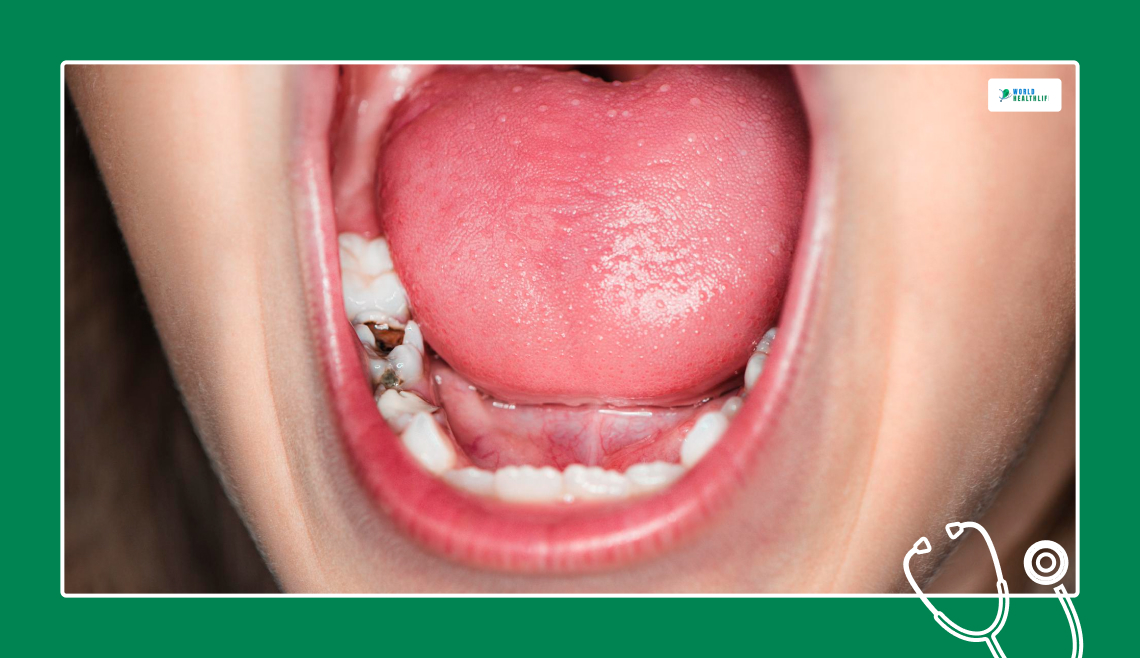
This is something that confuses most people. To clarify, the pain feels like it’s in the throat. But the source is in the mouth. So now you know Why Does One Side of My Throat Hurt When I Swallow.
Doctors say that infections at the root of a lower back molar can radiate pain into the same side of the throat. Here are some symptoms to check out:
- Is there pain on only one side of the throat?
- Most importantly, do you feel sharp sensitivity in any area of the mouth?
- Is there pain when you eat something or chew the first time?
The Anatomy Of Referred Pain: Ears, Teeth And Lymph Nodes
When localized throat pain occurs alongside a deep earache or jaw discomfort, it does not necessarily mean you have multiple health issues at once.
The human head and neck share complex nerve pathways. For instance, an infection rooted in an un-erupted or damaged lower back molar can radiate sharp pain straight down into the tissue of the throat and up toward the ear canal.
Similarly, a single swollen lymph node filtering a localized infection under the jawline can create a prominent tender lump.
This lump can make the act of swallowing feel highly restrictive as well as painful on that side. Moreover, it still happens despite the internal lining of the throat looking completely healthy.
Beyond The Swallow: Decoding Your Body’s Asymmetric Warnings
Symmetrical throat irritation is often a fleeting inconvenience. However, localized and one-sided pain is your body’s way of pointing to a highly specific target.
The discomfort may stem from the mechanical pooling of nighttime acid reflux, an asymmetrical bacterial invasion, or referred pain traveling from a hidden dental root infection. But, the pattern of the pain matters just as much as the intensity.
If your symptoms are clear of urgent warning signs like high fevers or difficulty breathing, tracking how your environment affects the pain is an excellent place to start. For example, you can start from your sleeping position or post-meal habits.
The localized soreness may persist past ten days or continuously flare up in the exact same spot. If that happens, do not wait for it to clear on its own.
Prioritize a direct evaluation with an ear, nose, and throat (ENT) specialist or your primary care physician. Ultimately, in this way, you can secure a definitive diagnosis and a targeted treatment plan.
Disclaimer: The information provided in this article is for general informational purposes only. It does not, and is not intended to, constitute medical or health advice. Please consult a qualified healthcare professional for medical guidance or expert health assistance.


