
Pain hits everyone. In the Philippines, when the seasons change, headaches, fever, or body aches are common. Paracetamol and ibuprofen are on top of the medicine cabinets of every Filipino during that time.
To achieve better results, people wonder whether both work better together. Yes, it is often safe if done right. But even one mistake can lead to liver or stomach issues.
This is a real worry for many people. The wrong mix of products can cause more trouble than help. Millions rely on these 2 meds every year.
Also, many others face problems with these and end up in the ER. Reason: misuse of these products. From here, one question arises: can I take paracetamol and ibuprofen together?
Also, think about the kids! They are minor and thus need extra caution. Mixing with alcohol is a bad idea, too.
The National Institute on Alcohol Abuse and Alcoholism (NIAAA) given a warning about combining alcohol with acetaminophen. They indicated the increasing risk of liver damage.
Here, our goal is to set realistic expectations and avoid overuse or guesswork. This is only possible when you know about it properly. The more you know, the less you believe.
Here we have included a dedicated quick FAQ section at the end for easy checking. Safe use always starts with reading labels and respecting limits.
What Are Paracetamol and Ibuprofen?

Paracetamol and ibuprofen ease pain in different ways. Both are over-the-counter and easy to buy and pop in.
Paracetamol (Acetaminophen)
Sometimes paracetamol is just the simple go‑to when something hurts. It mainly quiets the pain signals your brain gets and helps bring a fever down.
Though it’s not really an anti‑inflammatory kind of medicine. It works more on your body’s “temperature control center,” so the heat drops fairly quickly.
People take it for the usual stuff, like headaches, colds, toothaches, sore muscles. Adults usually grab 500 mg or a full 1000 mg when the pain is bad. You can find it in pretty much any form:
- tablets in your bag
- syrup for kids
- even suppositories, if swallowing is a problem.
Most folks don’t have stomach issues with it, which is why parents use it for kids with a fever; brands like Panadol and Calpol pop up everywhere.
It kicks in pretty fast, around the half‑hour mark, and then you get about four to six hours of relief. For small, everyday pains, it’s usually the first thing people reach for.
Ibuprofen
Ibuprofen sits in the NSAID family. In the same vein, it works by blocking those COX enzymes that make prostaglandins. In other words, they are the chemicals that cause swelling and pain. Because of that, it’s great not just for fever but for anything inflamed:
- sprains,
- sports injuries,
- arthritis flares,
- period pain
- dental soreness
Most people take 200-400 mg at a time. However, it is sold in the market usually as Advil, Nurofen, and a bunch of store brands. It can upset the stomach a bit more than paracetamol, so having it with food usually helps.
Where it shines is joint or muscle aches. In short, it is anything where inflammation is the main culprit. Fever reduction is roughly the same as paracetamol.
But the relief tends to hang around a little longer, maybe 6–8 hours. So can I take paracetamol and ibuprofen together to prolong their effects?
Heartburn or irritation can show up if you take it too often. Therefore, it’s better for short stretches rather than long‑term daily use.
How These Medicines Work Differently?
Different actions allow a combo sometimes. Understand why.
Paracetamol targets brain centers. Then, it raises the pain threshold there. Consequently, the fever drops via the heat center. If you have little body-wide inflammation, it also blocks away. In addition, it is also good for neural pain.
Let’s switch over to ibuprofen for a moment. This one works on the whole body, not just the brain. Its main move is blocking the COX‑1 and COX‑2 enzymes.
The ones that help your body make prostaglandins, which trigger swelling, pain, and fever. Because of that, joints and muscles usually respond really well to it.
Paracetamol doesn’t mess with the gut lining, but ibuprofen sometimes does, so that’s one key difference. Their pathways don’t fully overlap, which is why some people feel better relief using both: one helps with the brain‑level pain, and the other tackles inflammation in the tissues.
Together, they can cover more types of discomfort, but dosing needs care so you’re not doubling the load on your system. In the short term, their mechanisms tend to complement each other nicely. Long‑term use, though, needs monitoring.
Studies generally show better control of sudden, acute pain when the two are combined. And since they aren’t in the same class, they’re usually safe to take alongside each other when used correctly.
Can You Take Paracetamol and Ibuprofen Together?
In most situations, yes. Above all, the two can be used together safely, as long as you actually follow the rules. They belong to completely different drug groups.
Paracetamol isn’t an NSAID. So its main risks don’t overlap the way two NSAIDs would. Taking them together isn’t the same as doubling your ibuprofen dose.
You still keep the tablets separate. Don’t swallow both at once unless you’re using a product that’s already made as a combo. A lot of people space them out, which works well for steady pain control.
Health organizations say that alternating sometimes yields the best results. Also, some studies show that the combo often works the best for these two medicines compared to each medicine alone.
Though adults can handle the combination easily, for kids, it can be a high dose. It is better to stick to what the label says.
If you’ve got any medical conditions, it’s smart to check with a doctor first. These aren’t meant for daily routine use, though. There’s a safe window. Now, it’s time to step outside it, and the risks climb quickly.
Why Do People Take Them Together?

There are many moments when you need to take the two meds together. If one of them lacks one ingredient, the other one compensates for ther same. For instance, you can think of it as the removal of your wisdom tooth.
The process will cause swelling and throbbing. Meanwhile, it will also make you face an excruciating pain that goes deep. So if your pain shoots up, suddenly, or crosses the tolerable level, you can consider having a combo.
Migraines can be the same:
- Fever creeping up
- Pounding head
- Neck tightness
After small surgeries, the soreness plus inflammation is tough to handle with just one medicine. Flu fevers sometimes barely budge with a single dose. So adding the second can help bring the temperature down.
Are you experiencing any of the following: Arthritis flares, bad back strains, period cramps, or bruises from an injury? These often involve both inflammation and nerve‑type pain. That’s why a mix can give faster and stronger relief.
Dental pain studies even show a noticeable difference in how quickly people feel better. Parents sometimes use both in kids when a fever won’t drop with just one.
The key thing is short‑term use. When one medicine isn’t doing enough, adding the other can bridge the gap. You usually get quicker relief, and it lasts longer overall.
People find it genuinely helpful in real life. Just remember it’s not always the first thing to try. But in tough situations, it can make a real difference.
How to Take Them Together Safely
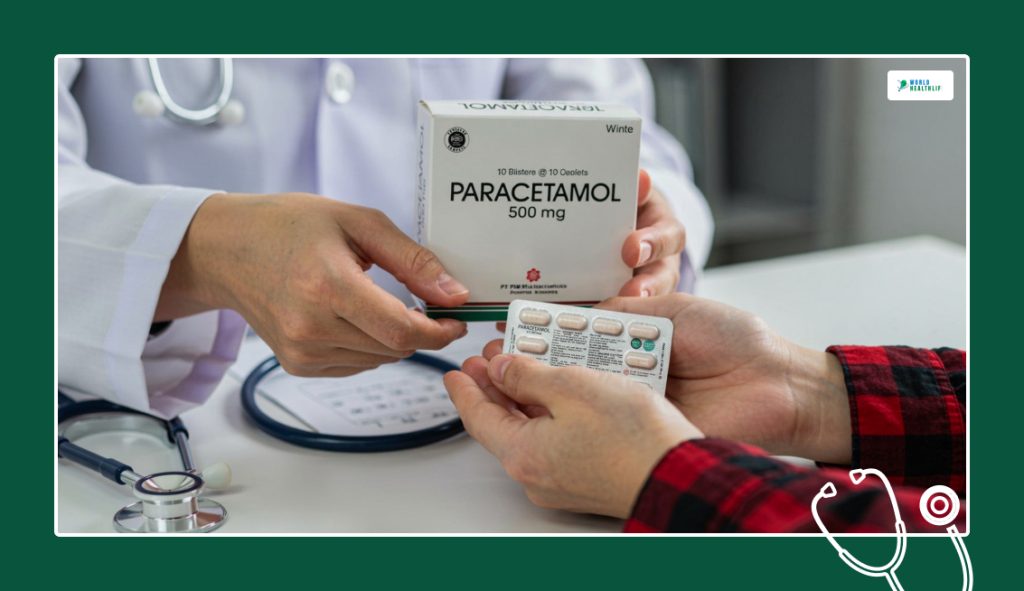
There are several parameters for taking them safely together. Before you do so know the safety cushion in detail:
Recommended Timing
When you use both medicines, it’s better not to take them at the same time. Give them some space. Paracetamol is usually taken every 4–6 hours, while ibuprofen stretches to around 6–8 hours. A common rhythm people use looks something like this:
- Paracetamol at 8 AM
- Ibuprofen at 12 PM
- Paracetamol again around 4 PM
- Ibuprofen at 8 PM
You can start with either one; the order doesn’t matter as much as the spacing. Just check the timing on the label first.
Paracetamol is okay on an empty stomach, but ibuprofen tends to behave better when you’ve eaten something. Drink enough water with both. Some people keep track on paper or use a phone app so doses don’t overlap by mistake.
Aim for at least a 2–3 hour gap between them. For kids, spacing depends on weight, so follow the pediatric chart carefully.
Maximum Daily Doses
For adults, the upper limit for paracetamol is 4 grams a day, basically eight 500 mg tablets. Going past that can hurt the liver quickly, and drinking alcohol makes the risk shoot up even faster.
Ibuprofen has its own limits: 1200 mg a day if you’re buying it over the counter, and up to 2400 mg only when a doctor prescribes it. Too much can irritate the stomach or strain the kidneys. People over 65 usually need lower amounts because their bodies process it differently.
One thing people forget: check all the medicines you’re taking for hidden paracetamol. Many cold and flu products contain it. Always look at the mg on the label so you don’t add things up by mistake.
Examples of Safe Schedules
A simple day plan might look like this:
Start with paracetamol 1 g at 8 AM, then take ibuprofen 400 mg around noon. Go back to paracetamol 1 g at 4 PM, and finish with ibuprofen 400 mg at about 8 PM. Spacing them out like that keeps the relief steady without overlapping doses.
For kids with a fever, the amounts are based on weight:
- Paracetamol: ~15 mg per kg
- Ibuprofen: ~10 mg per kg, taken at different times
Stop once the fever breaks or the child seems better. These schedules are usually meant for short use, a day or two at most. Not something to run long‑term.
When You Should NOT Take Them Together?
There are times when the combo isn’t a good idea at all. Some situations are just too risky. So it’s important to know when to stop right away.
If someone has a history of stomach ulcers or bleeding, ibuprofen can make things worse. People with kidney problems also need to avoid ibuprofen because it can strain the kidneys even more. And if the liver has been damaged before, you have to be extra careful with paracetamol — sometimes it’s a straight “no.”
Heart issues are another red flag; ibuprofen can put extra pressure on the heart. Some people with asthma react badly to NSAIDs in general. And during the third trimester of pregnancy, ibuprofen can harm the baby, so it’s avoided completely.
Certain medicines don’t mix well either:
- Blood thinners like warfarin
- Blood pressure meds (they can clash with NSAIDs)
- Steroids (increase ulcer risk)
For kids under 3 months, a doctor needs to make the call. Above all, the dosing has to be exact and based on weight. Older adults often need reduced doses, too.
Meanwhile, if someone has ever had an allergic reaction to either medicine, like a rash, swelling, or anything like that, they should stop immediately.
Side Effects and Risks
Taking Paracetamol within the limit is a common solution. However, to maintain the limit, you need to be aware of the warning signs.
For instance, the overdose of paracetamol would lead to liver problems. Yellowing skin and red eyes can be triggering signs.
Mixing it with alcohol makes the danger much worse.
Ibuprofen has its own set of issues. It can irritate the stomach lining, sometimes badly enough to cause ulcers or bleeding, and black or tar‑like stools are a serious warning.
It can also affect the kidneys; pain in the lower back or peeing much less than usual shouldn’t be ignored. Long‑term heavy use has been linked to heart attack and stroke risks.
If you combine the two medicines the wrong way, you can double up on side effects without realizing it. High doses of either can bring nausea, dizziness, or just make you feel off.
A sudden rash or fever after starting them needs a doctor’s attention. Easy bruising or unusual bleeding also means stop right away.
Bottom line: never push past the recommended amount. That’s where trouble starts fast.
When to Seek Medical Advice
You must go see a doctor if you have pain for over 3 days and it does not get better. Simultaneously, you must do the same when you have a fever for 5 days. However, certain symptoms can signal something even worse.
These are: rash, vomiting blood, and dark pee. Remember that swelling in the legs indicates a kidney flag. Yellow skin is similarly a sign of liver damage. In the same vein, chest pain is a sign of heart disease.
The bottom line is that there are serious repercussions of having the two meds at once.
Frequently Asked Questions (FAQs)
Can I take them at exactly the same time?
You can easily do that. However, you need the doctor’s advice for that.
Can kids take both?
Kids can easily take both. However, doctors prefer the suspension medium for kids.
Is one stronger than the other?
Neither is universally stronger. Paracetamol quiets pain and fever; ibuprofen also reduces inflammation. Pick based on symptoms, tolerance, and history of ulcers, kidneys, heart, or asthma. Alternating sometimes provides coverage.
What if I miss a dose?
Take it when you remember, unless the next dose is near. Never double up. Keep minimum spacing: paracetamol 4–6 hours, ibuprofen 6–8 hours. If unsure, skip and restart your schedule later.