My father, aged 55, is not someone you would suspect to have a fatty liver grade 2. To clarify, he is not a smoker or drinker.
He had a steady and simple lifestyle. He had a sitting job at the office. Most importantly, he never cheated on home meals for eating out or ordered food.
It was 2 years ago. He went for his annual routine health check. That’s when the tests revealed he had fatty liver grade 2. It was totally unprecedented!
Since then, my dad had to go through a huge lifestyle and diet change. Sure, the internet offers basic clinical advisory. Plys, we had the doctor’s roadmap.
But there are a number of small nuances you face when you have fatty liver. We learned that the hard way.
What Is Fatty Liver Grade 2, Exactly?
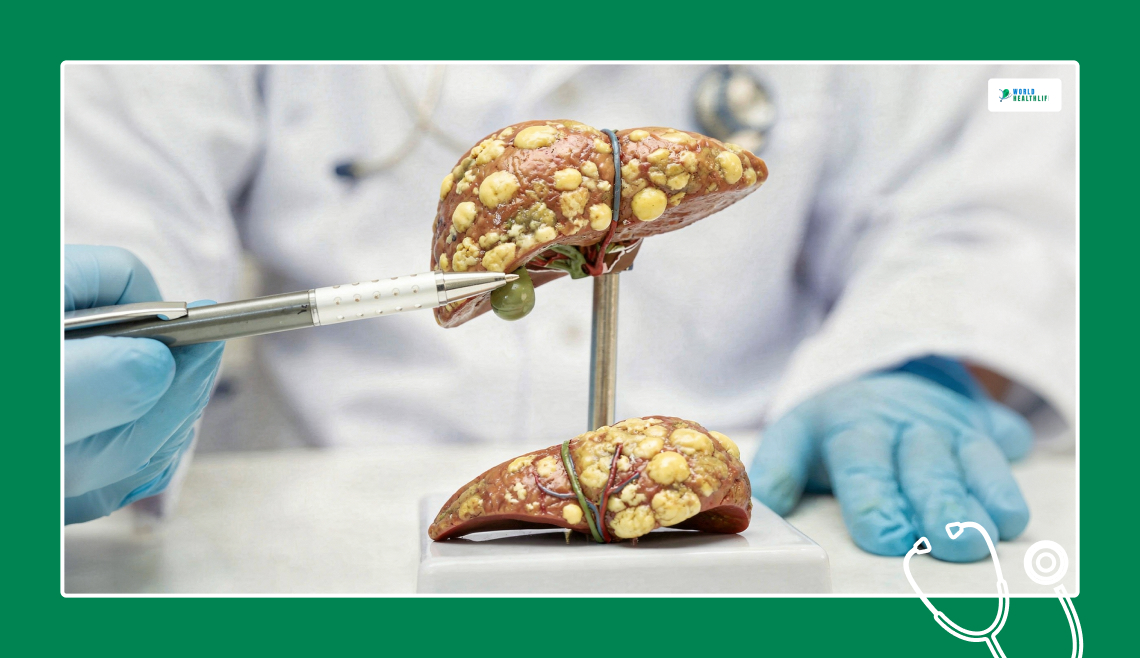
Your liver is supposed to have a small amount of fat. That’s normal. However, the problem starts when fat builds up past a healthy threshold. Doctors call that steatosis.
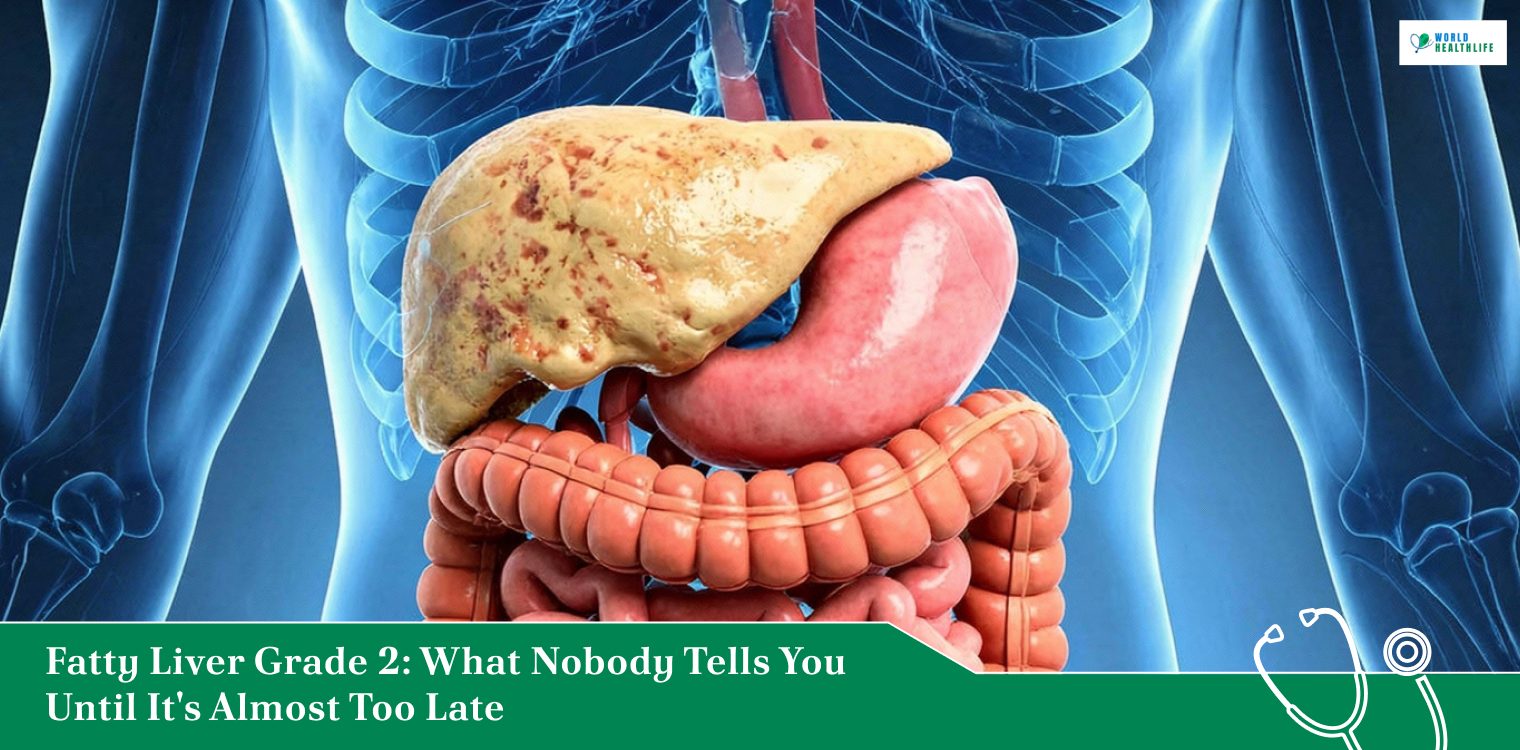
Fatty Liver Grade 1 is mild. Grade 2 means moderate fat accumulation, enough that an ultrasound will show your liver looking noticeably brighter than it should. Again, fatty liver grade 3 is severe and carries a serious risk of scarring.
So, Grade 2 fatty liver is the middle ground. It sounds less scary than grade 3. But that’s exactly why people underestimate it. The liver isn’t in crisis yet. But it’s struggling, quietly, in ways you likely can’t feel.
The non-alcoholic fatty liver disease now affects about 38% of people in the United States. Up roughly 50% over the past three decades. Millions of Americans are sitting somewhere on this spectrum, many without knowing it.
The Grades Explained Simply
Think of it like a warning system:
Grade 1: Fat is there, but minimal. In other words, the liver is coping. Most people have zero symptoms and wouldn’t know without a scan. Lifestyle changes alone can often reverse it.
Grade 2: Fat has taken over a significant portion of liver cells. Mild inflammation may have started. This is where action matters most, because grade 2 is still reversible. But it won’t fix itself.
Grade 3: In this stage, you will encounter heavy fat accumulation. At the same time, there is a high risk of progression into NASH, fibrosis, and eventually cirrhosis. Therefore, damage can become permanent.
The difference between grade 2 and grade 3 is not just medical. To clarify, it’s a time window. That window closes if you ignore the warning.
Why Does This Happen?
Here’s the part that surprised my father most. He always assumed fatty liver was a drinking problem. But it is not always the case. Non alcoholic fatty liver is an ewually big problem.
Metabolic Causes
Why do we need the liver? It’s the most vital digestive organ that breaks down sugar and complex fats. At the same time, it neutralizes toxins. But when your body produces less insulin, the real problem starts.
The liver stores fat because it cannot process and release it. To clarify, most people who don’t consume alcohol get fatty liver due to type 2 diabetes.
What Are The Main Symptoms Of Fatty Liver Grade 2?
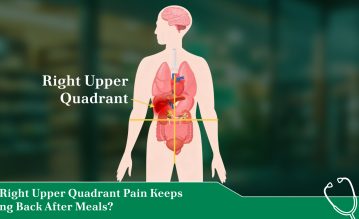
Like grade 1 fatty liver, grade 2 fatty liver doesn’t show any symptoms. Frequently, people experience issues such as mild right upper quadrant pain. Yes, that’s exactly where you can feel your liver.
At the same time, people report feeling sluggish after large meals. However, the worst is having trouble losing weight despite trying.
In my father’s case, I feel the only symptom was tiredness. But he made the same mistake. We believed his tiredness was due to work stress.
However, it was a sign of grade 2 fatty liver. But this lack of symptoms is the biggest cause of fatty liver worsening into more critical problems.
But my father’s experience taught me something really important. Firstly, you need to take an FLD test once a year or every other year. By the time you see clear symptoms like a bulged belly, mild jaundice, and dark urine, the liver disease has matured.
Again, if it’s jaundice, you need to follow a proper jaundice diet chart. Simply put, you cannot let the situation go out of your hands from there. Otherwise, that could be fatal too.
How Is It Diagnosed?
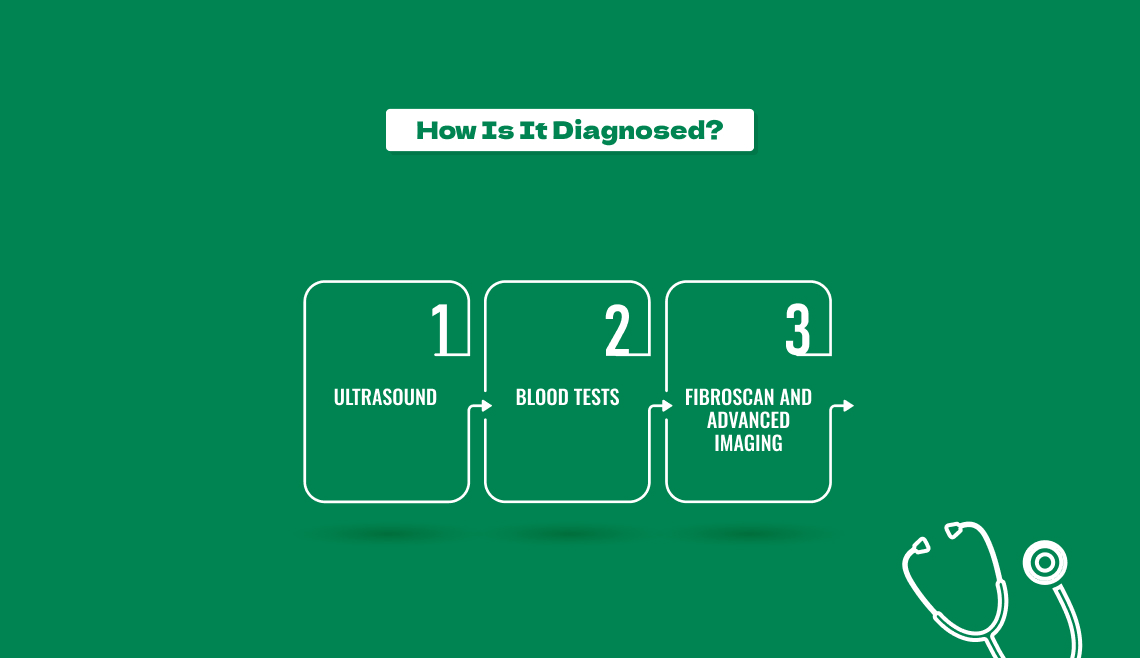
While ultrasound remains the most commonly used technique, there are multiple ways to detect grade 2 fatty liver.
Ultrasound
This is typically the first tool. It’s non-invasive, painless, and gives a reasonably clear picture of fat distribution. A grade 2 finding on ultrasound means the radiologist observed moderate echogenicity, essentially.
In the same vein, remember that the liver reflects more sound waves than normal. The reason is that fat is displacing healthy tissue. To sum up, ultrasound is good for detection. But it can’t confirm inflammation or scarring on its own.
Blood Tests
Liver enzymes, particularly ALT and AST, are often elevated in fatty liver. But not always. My father’s enzymes were only slightly above normal. Again, that is why his GP had been watching without acting. The ultrasound clarified things.
FibroScan and Advanced Imaging
A FibroScan measures liver stiffness. Again, this is an indirect check for scarring. It’s increasingly common in US clinics for NAFLD patients.
A liver biopsy is reserved for complex cases in which NASH or significant scarring requires confirmation.
Can Grade 2 Fatty Liver Be Reversed?
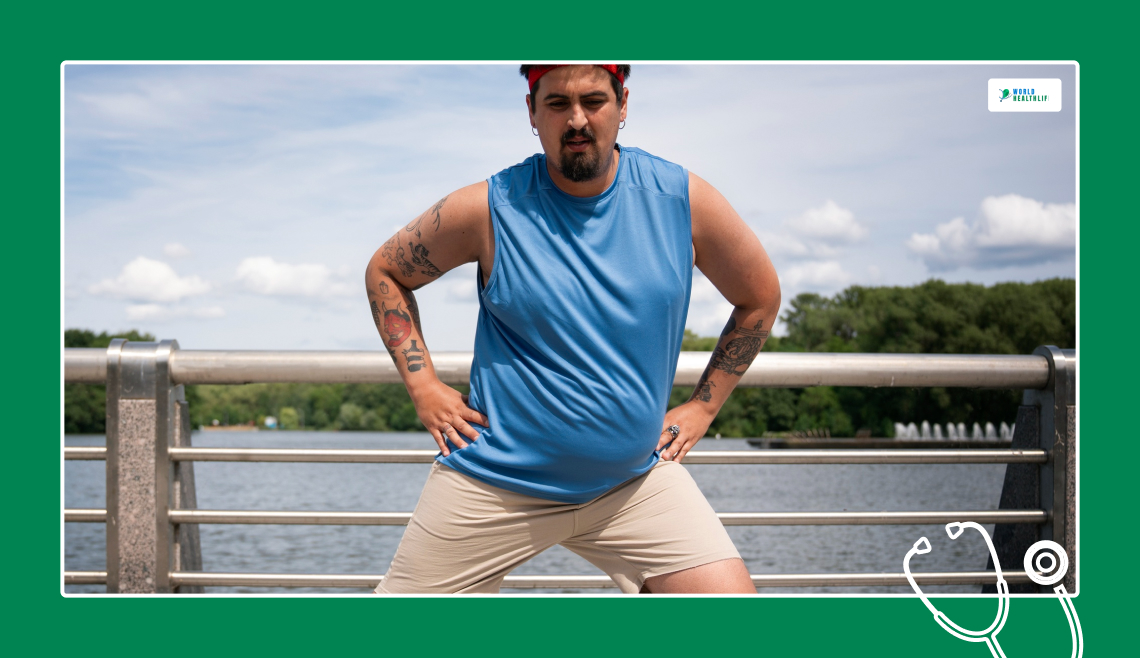
Certainly. You should be thankful that it is not fatty liver grade 3. My father’s follow-up scan at the 8-month mark showed he’d moved back to grade 1.
What did he do? Nothing extreme. Cut soda entirely. At the same time, I ensured that he walks at least 5 kilometers at a stretch in the morning. In addition, walking at least a few rounds after dinner was mandatory.
But what about when he is in office? You need to do the best office exercises at desk you can.
However, the best part is that he was never on medication. In addition, he left having all kinds of complex carbs, and refined sugars.
Research supports this approach. Even if you are not losing weight, you can lose some liver fat from daily walking and/or exercising. However, you need to make this a practice. Instead, if you do that occasionally, it will mess up things a bit more.
What To Eat And What To Stop
| Eat More Of | Eat Less Of |
|---|---|
| Vegetables | Sugary drinks, like soda, fructose corn syrup, and sweetened juices that go directly to the liver |
| Whole grains | Fried foods, high in unhealthy fats that stress the liver |
| Fatty fish | Processed meats, linked to fat accumulation and metabolic issues |
| Olive oil | White bread & refined carbs cause blood sugar spikes |
| Coffee | Pastries & sweets, high in sugar and unhealthy fats |
| Full-fat dairy, can contribute to excess fat intake |
Medications and Supplements
There is no scheduled medicine for treating non alcoholic fatty liver of grade 2. Is grade 2 fatty liver dangerous? No, it’s not and that’s why there are no specific medicines.
However, the doctor occasionally asks you to take Vitamin E supplements when you have scars and inflammation.
What We Learned From My Father’s Case?
He told me the hardest part wasn’t the diet or the exercise. It was accepted that something was wrong when he felt mostly fine. The liver doesn’t send early pain signals for fatty liver grade 2. By the time it does, the situation is usually serious.
The diagnosis was a gift, he said. An early warning he could actually act on.
If you’ve recently been told you have fatty liver grade 2, that’s exactly how to think about it. You caught it at a point where your body can still correct course. The changes aren’t complicated. They’re just consistent.
Start with one thing this week. Cut the soda, or walk after dinner, or swap the white bread. One change leads to another. The liver is more resilient than most people realize. But only if you give it the chance.
This article does not share amy medical advisory. These are the learnings from my father’s fatty liver grade 2 diagnosis. So always take advice from a doctor before following any medical or health procedure voluntarily.