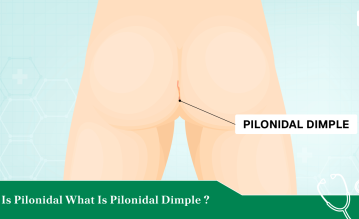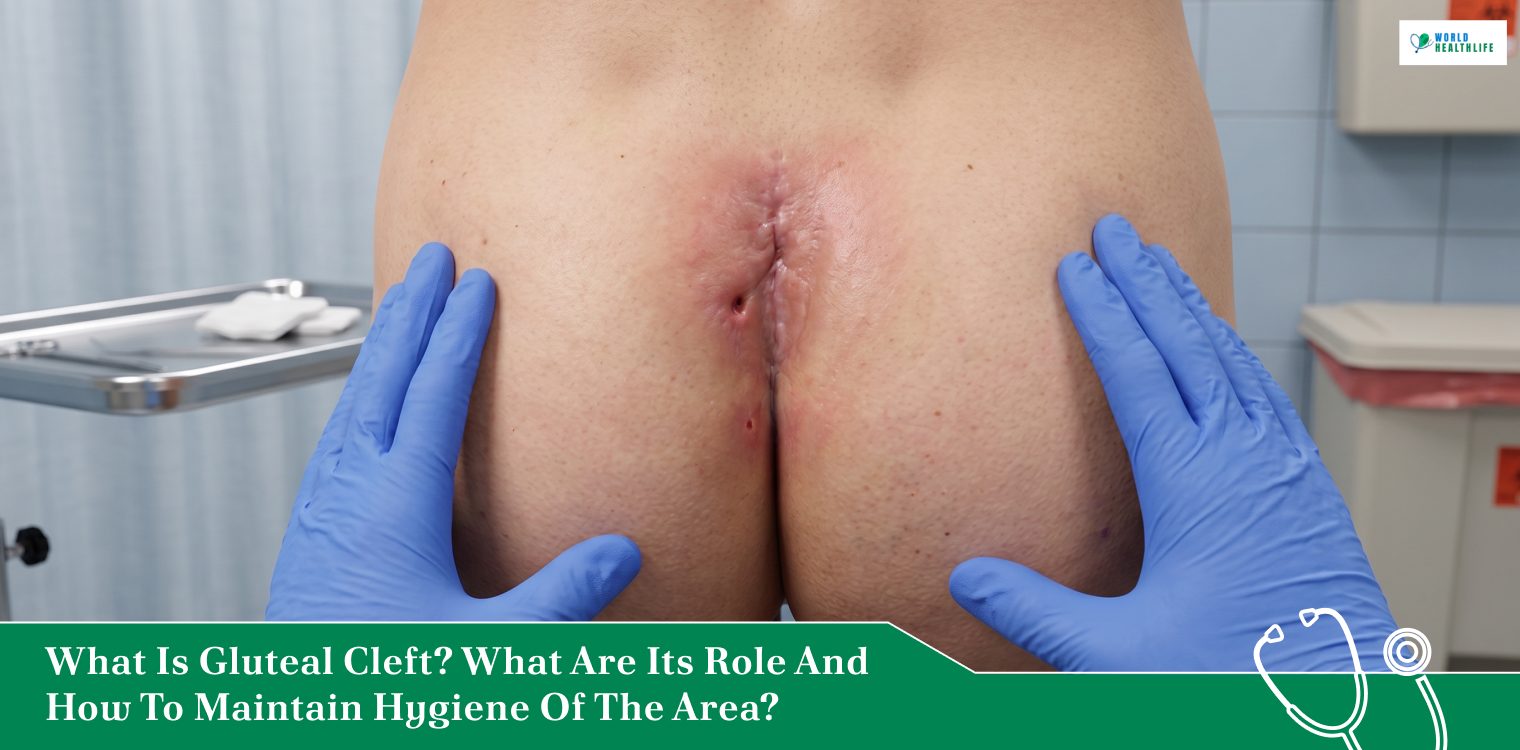
The human body is composed of various intricate structures that serve specific purposes. However, some are frequently overlooked in general health discussions.
One such area is known as the gluteal cleft. This area is considered a significant anatomical landmark located in the posterior pelvic region.
In clinical terms, the gluteal cleft is the deep groove or furrow that separates the two gluteal regions. This is commonly known as the buttocks.
The region starts near the sacrum and extends toward the perineal area. Despite having a simple appearance, it serves essential functions in body mechanics. Moreover, it requires diligent care.
By understanding the specific needs of the gluteal cleft, individuals can avoid painful skin conditions and maintain overall structural comfort.
This article aims to inform readers about the potential health issues that can arise from a gluteal cleft. We will also learn some tips to keep the gluteal cleft healthy.
The Importance Of The Gluteal Cleft In Health And Wellness
While the anatomical structure of the gluteal cleft is straightforward, its physiological impact on daily wellness is profound.
Besides, this region acts as a central axis for movement, weight distribution, and dermatological protection.
Importance: At A Glance
To have a full understanding of why this area requires dedicated attention, it helps to look at the primary health roles at a glance.
| Health Dimension | Core Function in Wellness | Wellness Impact |
| Biomechanical | Facilitates lower limb movement | Reduces physical friction |
| Ergonomic | Absorbs pressure while sitting | Improves sitting comfort |
| Dermatological | Thicker skin layer resilience | Prevents deep tissue damage |
Biomechanical Movement Support
The gluteal cleft is vital for maintenance fluid mobility during lower-body physical activities. Serving as a natural barrier, it minimizes friction between the heavy muscle groups of the buttocks.
This structural separation allows you to walk, run and jump without constant skin chafing.
Ergonomic Weight Distribution
When sitting, the gluteal cleft area helps distribute your upper body weight evenly across the pelvis.
The surrounding tissues act as a natural cushion that protects the underlying sacrum and coccyx bones.
Proper care of this zone prevents localized pressure sores and sitting discomfort.
Dermatological Protection
The skin within the gluteal cleft is uniquely adapted to handle high levels of sheer force and compression. However, due to it being a deep skin fold, it can easily trap sweat, bacteria and dead skin cells.
Thus, you must prioritize its health. This helps prevent painful and systemic issues such as pilonidal sinuses or severe intertrigo.
Role Of Gluteal Cleft In The Human Body
The gluteal cleft serves as a natural line separating the two cheeks of the buttocks. This separation helps in better movement of the human body while walking.
In addition, this region also helps to provide support to people when they are sitting. This region contributes to the overall posture and balance of the human body.
Moreover, the skin in this area can easily handle greater pressure, as it is much more resilient and thicker than the skin in other parts of the body.
However, you should maintain proper hygiene and care to avoid common issues.
Most Common Concerns Related To The Health Of Gluteal Cleft
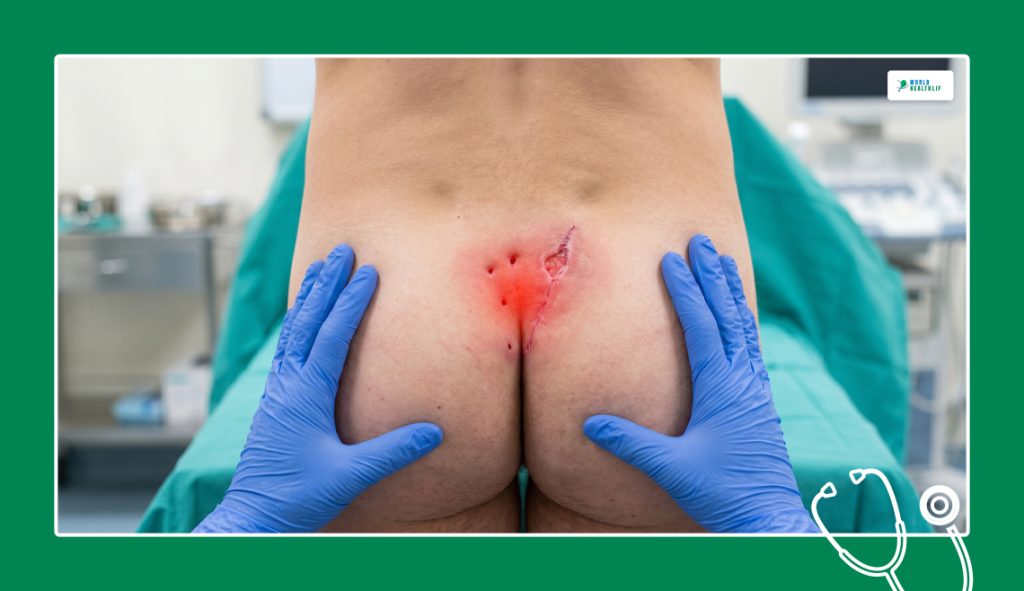
The most concerning potential issue about the gluteal cleft is the possibility of the formation of a pilonidal cyst. Such a cyst generally causes discomfort in the region.
| Condition | Description | Primary Symptoms |
| Pilonidal Cyst | A pocket of skin often containing hair and debris. | Swelling, pain, and redness. |
| Chafing | Irritation caused by skin-to-skin friction. | Redness, stinging, and rashes. |
| Intertrigo | Inflammation in skin folds due to moisture. | Itching, burning, and skin breakdown. |
This often happens due to an ingrown hair under the skin. Things get very painful and irritating when the hair follicle penetrates the skin.
The patient can also suffer from other issues. These issues include chafing or irritation caused by friction.
In severe cases, it often leads to the accumulation of moisture, blood, and pus in the region. One should maintain proper hygiene to manage the moisture and dirt accumulation in the region.
Wearing breathable clothes, applying powder to the area, and several other measures can help manage the area’s moisture.
Generally, these are benign. However, in severe cases, a doctor may perform surgery. The proctologists perform such a procedure in infants.
You should always go to a health care professional whenever such issues occur.
Practical Steps For Gluteal Cleft Hygiene
Maintaining hygiene is very important for maintaining the health of the gluteal cleft. You should follow some steps to maintain good hygiene in the region.
Proper Cleansing Techniques
Use a mild, pH-balanced cleanser specifically designed for sensitive skin. Also, avoid using harsh soaps that can strip the gluteal cleft of its natural protective oils.
Consequently, this can lead to cracking or increased irritation.
Managing Moisture Levels
After bathing, it is crucial to dry the gluteal cleft in a thorough manner. When you use a towel and gently pat the area, it helps prevent micro-tears in the skin that invite infection.
Do not rub the area.
The Use of Barrier Products
For individuals prone to excessive moisture or chafing, applying a small amount of talc-free powder or a moisture-wicking barrier cream can be helpful. This protects the gluteal cleft from constant friction during physical activity.
Lifestyle Choices To Support Gluteal Cleft Health
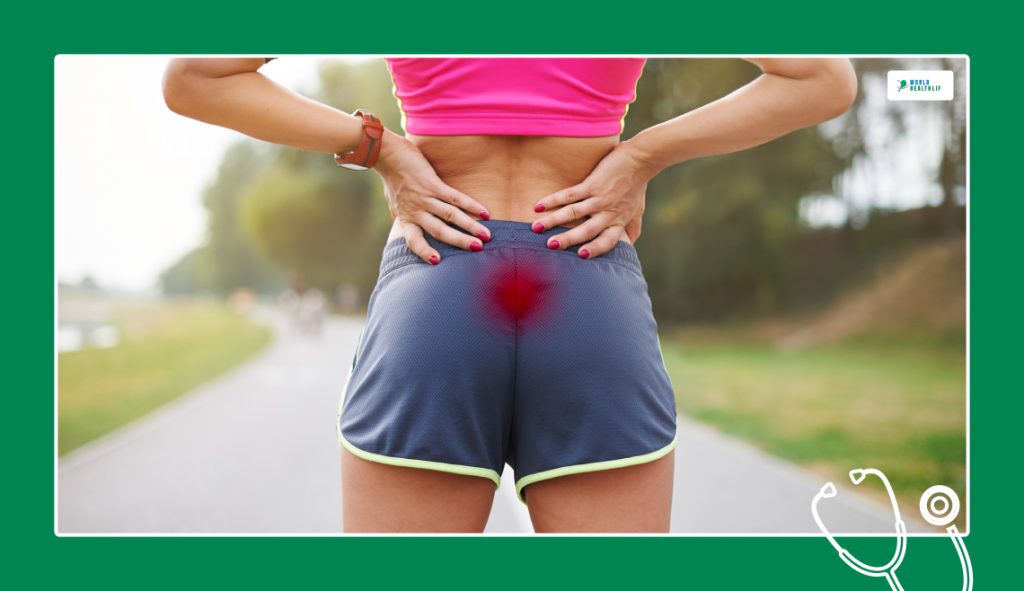
Lifestyle choices play a crucial role in maintaining the gluteal cleft. Other factors, such as physical activity, play an important role in the maintenance of the gluteal cleft.
Things like diet, physical health, and clothing overall influence the health of the gluteal cleft. Maintaining skin health and hygiene can help you to avoid such issues in the long run.
Choosing Breathable Apparel
Opt for underwear made from natural fibers like cotton. These materials allow for better air circulation around the gluteal cleft, preventing the buildup of heat and humidity that encourages bacterial growth.
Adjusting Physical Activity
If you work a sedentary job, take frequent breaks to stand and walk. This relieves the constant pressure on the gluteal cleft and allows the skin to “breathe,” reducing the likelihood of developing pressure-related sores or cysts.
Nutritional Considerations
A balanced diet supports overall skin resilience. Staying hydrated ensures that the skin in the gluteal cleft remains elastic and less prone to tearing or irritation caused by movement.
Getting Advice From Medical Professionals
You should seek medical advice when you see any persistent changes in the intergluteal cleft of the body.
Proper medical intervention at an early stage should prevent the issue from deteriorating. You should always seek medical advice from doctors in these situations.
Early treatment should prevent all the complications. Always consult a healthcare professional if you notice any protrusion or swelling in the area.
You should always consult a healthcare professional if the swelling persists. Often, issues that seem to be benign can have underlying causes.
You should always take advice from medical professionals. Moreover, this can prevent serious problems.
Regularly monitoring the area for changes and ensuring it remains clean and dry will go a long way in preventing discomfort.
Ultimately, remember that the gluteal cleft is an integral component of your body’s support system. Thus, caring for it is a vital part of a comprehensive wellness routine.