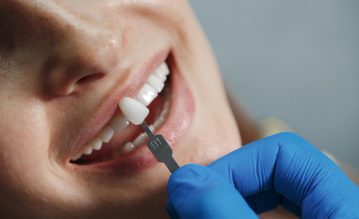
We often think of balanced diets when planning daily wellness routines. We think of morning workouts or evening mindfulness practices. However, we frequently overlook one of the most significant indicators of holistic health.
Your smile is not just a cosmetic feature.
My findings prove that a smile is a vital component of physical function. It directly impacts your mechanical digestion and your psychological balance. Taking care of your teeth goes far beyond achieving a bright appearance.
It fundamentally influences how your body processes nutrients. It changes how you interact with the world. I believe we must stop viewing oral care as a shallow beauty ritual. We must view it as an essential arm of healthcare.
Building a healthy smile always starts with preventive dental care. You must:
- Manage plaque biofilms.
- Time your meals mindfully to prevent acid erosion.
- Maintain proper daily hygiene.
With such a dental foundation already secured, beautifying or making your smile look nicer really adds value to how happy you feel about your life in general.
Visiting the clinic for professional check-ups on a regular basis allows dentists to detect structural problems in time. Spotting an issue while it is still minor prevents it from getting really complicated medically later on.
That is where Smile Aesthetics comes in.
What Is Smile Aesthetics?
Smile aesthetics is the practice of analyzing, restoring, and optimizing the visual appearance of the teeth, gums, and bite. Crucially, it must preserve or improve your oral function at the same time.
This field is an interdisciplinary approach. It combines the precise science of neuromuscular dentistry with the artistic principles of facial symmetry. I have analyzed dental journals to see how top practitioners work. They do not treat visual elements in a vacuum.
True smile aesthetics ensures that any cosmetic upgrade harmonizes with your natural jaw mechanics. It must fit your facial proportions and support your long-term systemic health.
The Functional Impact Of A Balanced Bite
We often separate how our teeth look from how our bodies function.
However, my research shows that the two are deeply intertwined. The structural alignment that creates a beautiful smile is the exact same alignment required for optimal physical health.
For residents wanting to address both appearance and function locally, consulting a qualified provider of cosmetic dentistry Redfern ensures that treatments support long-term oral health while providing visual improvements.
1. Mechanical Digestion And Chewing Efficiency
When digestion first starts, it is at the mouth where the mechanical chewing begins to break down the food into smaller particles before being transported to the stomach. This is the first stage of the digestion process.
In addition, the saliva and the enzymes it contains start the chemical breakdown of some starches and lipids. Before the food reaches your digestive system, your stomach has already played a role in the digestion process.
Based on one survey, people without molars chew their food up three times faster than people with molars and lose 30% efficiency of their molar teeth in chewing.
Your teeth can not really crush the food well if you have an uneven bite. This means that more work falls on your gut than the teeth.
Because of this, food particles get larger, and digestion in your gut is more complicated.
2. Nutritional Deficiencies And Dietary Shifts
Poor oral health drastically reduces your eating options.
Patients with fewer functional teeth often avoid hard, rough, or crunchy foods. They stop eating highly nourishing foods. Losing interest in raw vegetables, nuts, and seeds is very common. These individuals also skip meals containing lean proteins.
Instead, they choose soft, highly processed foods. This forced lifestyle change triggers severe nutrient deficiencies. It disrupts your gut balance and causes chronic inflammation.
3. Structural Integrity Of The Jawbone
The roots of teeth stimulate the jawbone through the periodontal ligament, providing it with signals of life and nutrition.
The bone that forms part of the mouth area, known as alveolar bone, starts to get absorbed and disappears slowly when you fail to fill the missing space for the tooth for a long time. Such a decrease in bone mass can cause premature changes in the face’s appearance.
When there are not enough teeth in one corner of a person’s mouth, the face gets very hollow because of the sunken cheeks and the collapse of the bite. It not only results in a dramatic increase in the probability of developing TMJ issues, but chronic headaches come as well.
Fixing such problems actively restores your smile. In addition, it shields your bodily structure from disintegration, maintains facial volume, and keeps your teeth healthy by preventing them from moving into empty areas.
Bridging The Gap Between Appearance And Mental Wellbeing
Our teeth affect us psychologically on multiple levels.
The human brain naturally links a healthy smile to wellness, security, and warmth. Conversely, hiding your teeth takes a heavy toll on your mindset. If you feel unhappy with your teeth, the negative effects on your psyche become deeply exhausting.
I reviewed recent public health data from the Australian Dental Association (ADA). The data shows that 31 percent of adults intentionally suppress or hide their smiles in social settings.
They do this due to deep-seated anxieties about their teeth. This constant hiding sets off a negative psychological chain reaction:
- Smile Suppression
- Stress Induction
- Diminished Confidence
Addressing these cosmetic concerns is not an act of vanity. It is a valid and highly effective step toward improving comprehensive mental wellness.
Clinical studies evaluating patient outcomes emphasize that targeted aesthetic dental treatments directly enhance social and emotional wellbeing. [Source: PubMed]
Modern clinical treatments offer a clear pathway by aligning your physical presentation with your inner vitality. They seamlessly blend functional restoration with lasting aesthetic appeal.
When you invest in your smile aesthetics, you invest in a proven currency of confidence. A healthy smile reduces social friction. It eliminates the mental burden of self-consciousness. It allows your authentic personality to shine through without hesitation.
Modern Trends Favouring Authentic Self-Care
The broader wellness landscape increasingly treats dental enhancements as a holistic form of self-care. It is no longer an aggressive, purely clinical procedure.
As I analyze the clinical and design trends of 2026, I see that the industry has shifted away from artificial, cookie-cutter perfection.
Today, practitioners focus entirely on achieving an “authentically you” look that honors natural anatomy.
| Trend Name | Clinical Approach | Core Benefit |
| Conservative Veneers | Ultra-thin applications measuring 0.3 to 0.5 millimetres thick. | Preserves maximum natural tooth enamel while correcting visual flaws. |
| Digital Smile Design | Integrating 3D facial scans with advanced artificial intelligence. | Simulates structural outcomes to perfectly balance unique facial proportions. |
| Everyday Integration | Normalising professional-grade whitening and alignment therapies. | Blends routine dental care into standard daily skin and grooming regimens. |
| Digital Motivation | Addressing visibility trends, with 60 percent of young adults citing online communication as a key motivator. | Restores confidence for remote work, video conferencing, and digital interactions. |
Conservative Veneer Applications:
Today’s dentists rarely remove large amounts of healthy tooth structure. In the past, crowns were the standard treatment. However, crowns required significant tooth removal.
Instead, patients now choose ultra-thin, minimal-prep porcelain veneers. These modern veneers require almost no surface grinding. They measure a mere 0.3 to 0.5 millimetres thick.
This advanced technique keeps your natural tooth enamel completely intact. At the same time, it corrects minor imperfections like chips, gaps, and severe internal discolouration.
Digital Smile Design (DSD):
High-tech dental clinics utilize Digital Smile Design software driven by artificial intelligence. This technology captures 3D facial scans.
It analyzes how the teeth move in relation to the lips and eyes during natural speech and laughter. This ensures the final plan balances your unique facial proportions perfectly before any work begins.
Everyday Integration:
Recent consumer health surveys show a clear trend. A significant portion of adults now view professional-grade whitening and clear aligner therapies as normal extensions of their standard daily grooming routines.
Digital Motivation:
Latest demographic figures reveal that 60% of young people admit to digital media and online exposure being their main driving factor towards considering dental work. A clear example of how much reliance is put on the visual element in our internet-based communications.