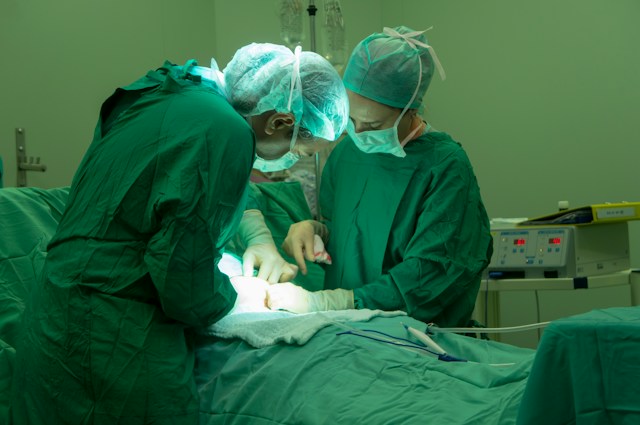
Cesarean delivery was used earlier for medical emergencies and critical pregnancies.
However, today, childbirth practices have changed, and the procedure has become excessively common.
The data from the Centers for Disease Control and Prevention supports the claim.
According to that data, 32.4% of all U.S. births in 2024 involved a C-section.
However, while the trend for a C-section delivery is on the rise, you have to understand that every delivery method is demanding for the body in some way.
Also, recovering from a C-section delivery is especially challenging because the body has to heal from a major abdominal surgery at the same time.
A 2025 review has been published in the American Journal of Obstetrics & Gynecology Global Reports.
It says that recovering from a C-section recovery needs more time and that the intensity of pain is higher in this.
Hi, in the upcoming sections, you will get a detailed idea about the challenges of C-section delivery and the challenges of recovering from it.
The Physical And Emotional Risks Of C-Section Recovery
C-section delivery is a life-saving method when complications make vaginal delivery unsafe.
However, choosing this surgical method when it is not medically required can pose risks for mothers and babies.
In a June 2026 ABC7 interview, OB/GYN Dr. Rita Ellen Eye explained why clinicians have increasingly focused on preventing unnecessary C-sections.
As she noted, “So there really has been a push, especially, I would say in the last five years, to try to avoid unnecessary C-sections.“
However, the concern is not just about the procedure.
Like any other major surgery, a C-section delivery carries certain risks that continue to impact the health of a woman even long after the delivery.
For example, there can be complications during the early weeks.
Also, many new mothers face issues that take months to get resolved.
The following complications help explain why recovery requires careful medical attention.
Wound Healing Takes Longer
In a C-section delivery, the doctor creates an incision through the lower abdomen and uterus.
So, there are two areas in the body of the new mother that need to heal.
The wound can remain tender for weeks.
Also, if you are lifting heavy objects or coughing, there can be tugs in the wound.
Moreover, many mothers find it difficult to get out of bed or lift the baby at first.
In addition, you have to be particular about wound care to avoid the risks of infection.
Pain Can Linger Well Beyond The Incision
You can feel the pain even after the incision closes.
A 2025 study in Healthcare reported that about 32% of women had persistent pain after an elective C-section.
Furthermore, this discomfort in the C-section recovery was not limited to the incision.
Women even face pain in the abdomen, lower back, and other areas.
Higher Odds Of Postpartum Depression
A 2024 meta-analysis in Frontiers in Psychiatry pooled 18 studies covering more than 844,000 women.
Cesarean delivery was linked to 12% higher adjusted odds of postpartum depression compared with vaginal delivery.
The link looked stronger after emergency C-sections, while elective ones showed no clear difference.
The authors cautioned that more research is needed to confirm the connection, so any lasting low mood deserves attention.
Blood Clots And Circulation Problems
Pregnancy naturally increases the body’s tendency to form blood clots, and this risk remains elevated after childbirth.
Cesarean surgery adds further risk because tissue injury and reduced mobility can affect circulation.
A clot forming in a deep leg vein, known as deep vein thrombosis, can become dangerous if it travels to the lungs.
Warning signs include swelling or pain in one leg, while sudden breathlessness or chest pain requires emergency medical care.
Early movement, when medically appropriate, and prescribed preventive measures can help reduce these risks.
Ways To Ease Into C-Section Recovery At Home
Recovery after a C-section takes patience, and small, steady habits can make a big difference.
With good care routines and support at home, new mothers can protect their incisions, manage discomfort, and rebuild strength.
The incision comes first, so we’ll begin there.
Ensure Proper Incision Care And Wound Healing
As mentioned earlier, a C-section requires an incision through the lower abdomen and the uterus.
So, the wound deserves steady attention in the first weeks.
Most incisions heal within about six weeks, though tenderness can linger a little longer.
During this period, keeping the incision clean and dry can help reduce the risk of infection.
Follow your surgeon’s instructions regarding wound cleaning, dressing changes, and bathing.
Avoid applying creams, powders, or other products unless your healthcare provider recommends them.
If you notice swelling, increasing redness, warmth, or drainage, treat it as a signal to call your provider promptly.
Fluid with a bad smell, worsening pain, or a high fever also calls for medical attention.
An incision that opens needs care right away, so there’s no need to wait for your follow-up visit.
Seek Additional Medical Assistance If Necessary
Not every family has someone who can spot these changes or change a dressing with confidence.
A home-care nurse can fill that role, and a provider or hospital discharge team can explain what’s available and what insurance may cover.
Although the United States continues to face nursing workforce shortages, educational pathways are helping more people enter the profession.
For instance, an Accelerated Bachelor of Science in Nursing (ABSN) program allows individuals from other fields to pursue nursing through an intensive course of study.
Support Healing With Proper Nutrition
Recovering from surgery places additional nutritional demands on the body.
Protein-rich foods such as eggs, fish, beans, and lean meats provide amino acids needed for tissue repair.
Vitamin C supports collagen production, while iron helps replenish stores lost during childbirth.
A 2024 randomized controlled trial discovered that earlier feeding after repeat C-sections helped restore bowel function sooner and improved maternal comfort.
Once eating normally is medically approved, regular balanced meals can support recovery.
Staying hydrated is equally important, particularly for breastfeeding mothers.
Avoid restrictive diets during this period, as the body needs sufficient energy to heal.
Embrace Gentle Movement And Gradual Mobility
You need adequate rest for C-section recovery.
However, recovery can become difficult if you are spending prolonged hours in bed.
So, try the following gentle movements for the following benefits.
- Improved Blood Circulation
- Restoring Bowel Function
- Reducing the Risk of Blood Clots
To begin with, you can try short walks around the house.
Then, you can slowly increase the walking distance and speed.
However, don’t push through exhaustion or pain.
Also, you need to avoid the following activities.
- Heavy Lifting
- Strenuous Abdominal Exercises
- Activities Straining the Incision
You have to ensure that the incision is medically cleared, and until then, be careful even with ordinary movements such as getting out of bed.
Key Data At A Glance
| Key Point | What the Data Shows |
| How common C-sections are | 32.4% of U.S. births in 2024 were cesarean deliveries, according to the CDC |
| Incision healing | Most incisions heal within about six weeks, though tenderness can last longer |
| Persistent pain | About 32% of women reported lasting pain after an elective C-section in a 2025 Healthcare study |
| Postpartum depression | 12% higher adjusted odds compared with vaginal delivery, based on a 2024 meta-analysis of 18 studies |
Healing Has Its Own Schedule
C-Section recovery is not a linear process, and that is absolutely normal.
Some days are good, and on other days, you can feel soreness out of nowhere.
So, the days are uneven and, specifically, this can lead to frustration.
You have to accept both days as parts of the healing process, and one bad afternoon does not mean that you are going backward.
Also, remember that the healing process and duration will be different for every woman.
So, talking to a friend can be comforting, but her experience and discomfort may not be the same as yours.
FAQs
Here are the frequently asked questions and answers about C-section recovery.
When Can I Drive After A C-Section?
You can drive once you have no pain and the wound is not tender.
Also, you should be able to drive within four to six weeks after your C-section delivery.
Furthermore, ensure that your body is prepared for even hard braking.
Moreover, if you are taking opioid pain medication for post-surgery healing, you cannot drive.
Is Numbness Around The C-Section Scar Normal?
Yes, you can feel tingling and numbness around the scar.
Small skin nerves are cut during the surgical process.
So, it may take several months before the sensation in that area returns gradually.
However, some patches can stay numb.
How Long Should I Wait Before Getting Pregnant Again?
If you have a C-section delivery, you must wait for at least 18-24 months before the next pregnancy.
If you are not leaving this much room, you are leaving room for complications.
Complications include uterine rupture along the old scar.
An OB/GYN can help tailor the timing to each mother’s health and delivery history.
Disclaimer:
This educational information does not replace professional medical advice.
A C-section is a major surgery carrying physical and emotional recovery risks.
Always consult your healthcare provider or OB/GYN regarding symptoms, incision care, or mental health changes.
Seek immediate emergency medical care for signs like sudden breathlessness, severe pain, high fever, or worsening incision redness.