Can you take Tylenol PM while pregnant?
Tylenol PM is one of the most effective pain relief medications that’s present. No matter if you are experiencing a toothache, headache, or backache, the medication can help!
When it comes to pregnancy, these are a few of the issues expecting mothers face. But because the mother’s system nourishes the baby, it is important to avoid self-medication! Consulting your gynecologist is the best decision here!
Chances are, they will allow its consumption due to its effectiveness. If you are a first-time mother, it is okay to be confused about the warning when it is an effective medication. Simply put, anything that enters the mother’s system goes to the baby’s system too.
The following article will help you understand if the medication is right for you and the different precautions you must take. Read till the end to know all about it!
| Quick Answer: Can You Take Tylenol PM During Pregnancy? Tylenol PM is not usually the first-choice option during pregnancy. Doctors may allow it in specific situations, but only for short-term use, when pain is clearly disrupting sleep, and when no safer alternative is working. The reason it’s not commonly recommended isn’t just the acetaminophen – it’s the combination with diphenhydramine, which can cause sedation and other effects. So while it’s not automatically “unsafe,” it’s also not something you should take casually. |
What Is Tylenol PM: Why The Warning For Pregnancy?

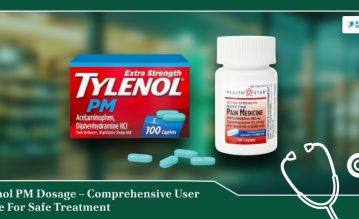
Tylenol PM is a combination drug that helps alleviate pain and sleeplessness due to backache, toothache, headache and other aches. The drug contains acetaminophen and diphenhydramine as the active ingredients.
In the case of pregnant women, doctors take extra precautions while prescribing due to the danger to the fetus. It is mainly a concern due to the delicate process of fetal development. Drugs and other chemicals can disrupt the process and cause developmental issues.
Thus, it is important that you (if you’re the pregnant individual) or the person concerned does not self-medicate. Doctors consider several factors such as the age, pregnancy term, underlying conditions, and the overall health of the child.
The drug is considered unsafe for pregnant individuals due to the following reasons:
- Impacts fetal development: As the drug contains acetaminophen, it crosses the placenta and impacts the developing fetus’ hormone system.
- Increases the risk of neurodevelopmental disorders: Research suggests that prenatal exposure to acetaminophen increases the risk of neurodevelopmental disorders for the fetus.
- Can increase the risk of reproductive and urogenital disorders: There’s evidence that suggests that the drug can increase the risk of urogenital and reproductive disorders for the child.
- Decreases blood flow to the placenta: Phenylephrine increases blood pressure due to its decongestant effect. It also decreases blood flow to the placenta – this can be detrimental to their development.
Why Pregnancy Changes How Safe A Medicine Is
This is something a lot of people don’t fully realize.
During pregnancy, your body isn’t just processing medication for one person – it’s doing it for two. Most drugs cross the placenta, which means the baby is exposed to some level of the medication.
That doesn’t mean every medicine is harmful. But it does mean:
- Dosage matters more.
- Frequency matters more.
- And even “common” drugs need a second look.
That’s why something that feels routine outside pregnancy may need caution during it.
FDA Recommendations And Rules

The US FDA requires labeling for prescription drugs such as Tylenol PM. Some other important rules for such a prescription drug include:
- Pregnant women must receive counseling about the drug and its side effects for complete transparency.
- There may be evidence of malformation. These may have direct or indirect harmful effects on the fetus.
- Occasional dose of diphenhydramine does not cause adverse effects on the breastfed infants.
- Larger doses may cause drowsiness or a decrease in mother’s milk supply.
- Acetaminophen does not disrupt breastfeeding; hence, Tylenol normal strength may be suitable for the mother.
Depending on these rules, the doctor prescribes the medication as appropriate. So, if you are wondering if 500 mg Tylenol is safe during pregnancy, it depends on the severity of pain and other factors.
So, if your requirements and health condition permit, you can consume the extra-strength Tylenol 500 mg during pregnancy. However, you must not consume more than 6 caplets in 24 hours. Unless your doctor advises you to.
What Do Doctors Usually Recommend Instead?
In many cases, doctors try to keep things as simple as possible. If pain relief is needed during pregnancy, they often start with:
- plain acetaminophen (regular Tylenol)
- at the lowest effective dose
- for the shortest duration possible
For sleep issues, they usually avoid combining medications unless absolutely necessary. If sleep disturbance becomes frequent, the focus shifts to:
- identifying the cause (pain vs anxiety vs discomfort)
- adjusting habits or routines
- or using pregnancy-safe alternatives
In other words, they separate the problem instead of treating everything at once.
When Might A Doctor Still Prescribe Tylenol PM?
There are situations where a doctor might still consider it. For example:
- pain is significant enough to disrupt sleep repeatedly
- regular Tylenol hasn’t been effective
- lack of sleep is affecting overall health
Even then, it’s usually:
- limited to a short duration
- monitored carefully
- and adjusted quickly if needed
This is why self-medication is risky here – because the decision isn’t just about the drug. Rather, it’s about the context.
Precautions and Warnings

If you are experiencing excruciating pain, your doctor may choose between Tylenol PM or stronger medications such as morphine. However, if the pain is mild to moderate and disrupts your sleep cycle, your doctor may prescribe it.
So, if you are looking for the answer to how many Tylenol PM can I take during sleep, take as many as your doctor recommends. It may be between 1-2 caplets. However, you should find relief from one caplet if the pain is mild.
In addition, prolonged use of Tylenol PM may decrease the mother’s milk supply, especially before lactation is well established. Effects may be minimized with a single bedtime dose – so do not take more than the prescribed dose.
If you are curious about how often you can take 1,000 mg of Tylenol while pregnant, consider this first. You should always consult your doctor about dosage to avoid side effects – this also protects your fetus/breastfeeding child.
If the initial dose of this drug does not suffice, be sure to inform your doctor. They may change the dose and dosage depending on the severity of your pain. If you are experiencing intense pain, then you may be prescribed 1000 mg of Tylenol every six hours.
Side Effects Of Tylenol PM For Pregnant Women

The possible side effects of Tylenol PM for pregnant women include the following:
- Endocrine disruption: The acetaminophen in Tylenol PM can interfere with the hormonal processes that influence the baby’s development. Mainly the nervous and reproductive systems.
- Developmental issues: Acetaminophen in Tylenol PM, or the normal strength, can increase the risk of developmental issues. This may include ADHD, lack of communication skills, and autism.
- Gut microbiota disruption: The components of this drug can also disrupt the maternal and fetal gut microbiota.
Wondering does Tylenol thin your blood? Then breathe a sigh of relief, as it does not! The active ingredient in normal-strength Tylenol is a pain relief medication and not a blood thinner.
These are some of the top side effects that mainly affect the fetus. There may be some side effects for the mother. These are again mainly linked to poor lactation.
What Should You Watch For After Taking It?
If your doctor has recommended Tylenol PM, it helps to know what to watch for. For the mother:
- excessive drowsiness
- dizziness or confusion
- unusual fatigue the next day
For general caution:
- reduced alertness (important even at home)
- any unexpected reaction after taking the dose
If anything feels unusual or stronger than expected, it’s worth reporting, not waiting it out.
Can You Take Tylenol PM While Pregnant In Every Trimester?
This is another common concern. Safety considerations can vary slightly depending on the stage of pregnancy:
- First trimester: extra caution, as this is a key phase of development
- Second trimester: relatively more stable, but still monitored
- Third trimester: care is taken to avoid anything that may affect delivery or newborn response
That’s why the same drug isn’t treated the same way across all three stages.
So, Can You Take Tylenol PM While Pregnant?
Tylenol PM isn’t off-limits in every case. But it’s also not something to rely on freely.
If pain is mild, simpler options are usually preferred. If sleep is the issue, the cause matters more than the symptom. What makes the real difference is:
- timing
- dosage
- and medical supervision
So instead of asking “is it safe,” the better question is “is it necessary for my situation?” Because during pregnancy, even familiar medications need to be used with intention, not assumption.
| Disclaimer: This article is for informational and educational purposes only and does not substitute for professional medical advice. Reading this content does not create a doctor-patient relationship. Always consult a qualified healthcare provider for medical concerns and never delay seeking professional advice based on what you read here. |
LEARN MORE: