
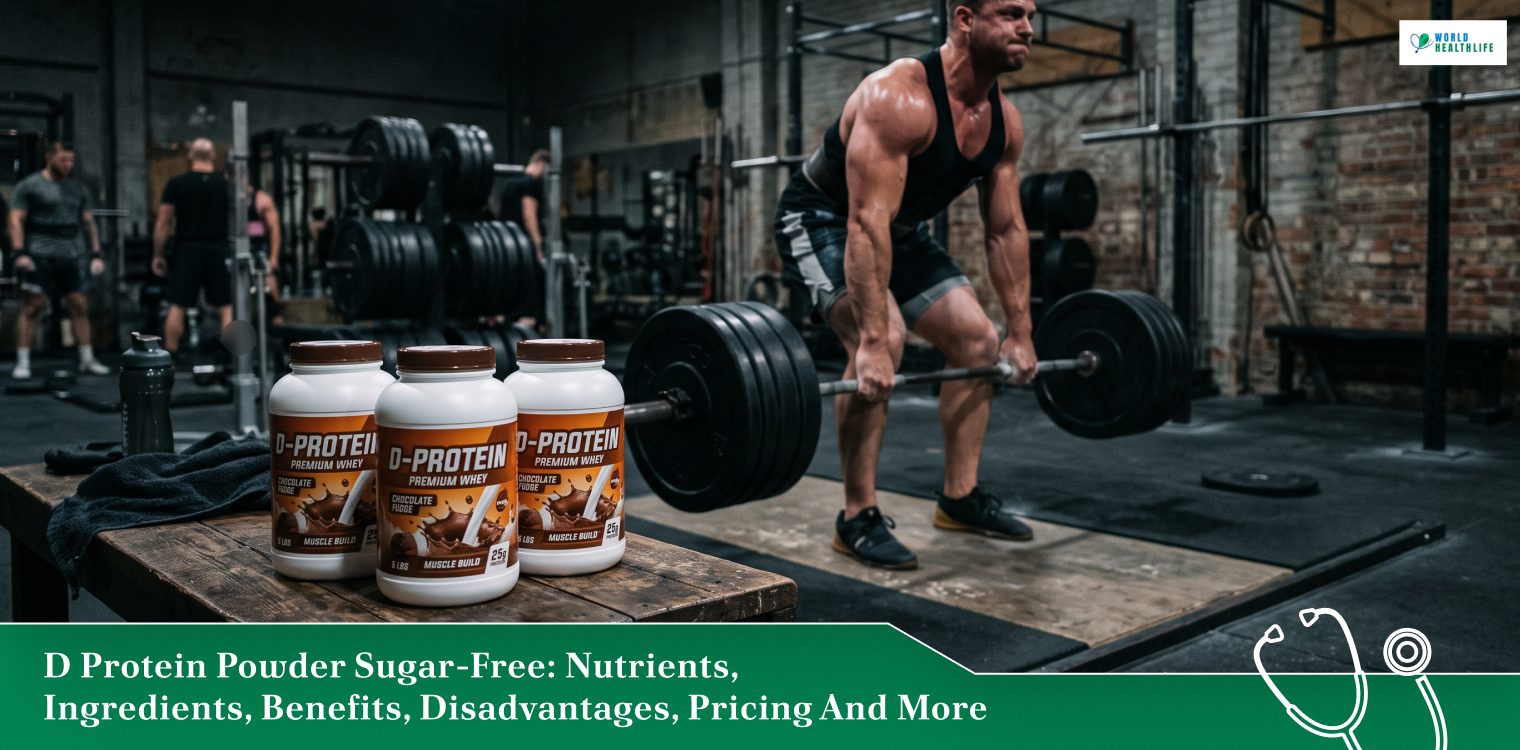
For diabetic patients, is there any way to get lean body mass?
Most diabetic patients do not want to drink protein boosters, as some of them contain sugar.
This is such a serious issue.
Very few protein powders are available on the market that do not have sugar.
And it is only going to increase your body mass without affecting your blood sugar levels.
Among these few names, the name of the D protein powder is a very popular one.
Let’s learn more about this protein powder.
What Is D Protein Powder?
D-Protein Powder is a nutritional protein-based mass-gaining supplement.
All essential vitamins and minerals are present in the protein powder.
This protein powder is specifically designed for Type 1 and Type 2 diabetic patients.
So every ingredient in these formulas is carefully picked.
Not only does it help with mass gain after consuming these powders, but the user’s overall body functions are also improved.
By hearing the name, you know this is a protein powder.
But the actual fact is that it is unlike other protein powders.
These protein powders do not have a high saturated fat level.
Yes, that is why these D protein powder supplements are pretty convenient and suitable for diabetic patients.
Ingredients List Of The D Protein Powder
Now, all you know is D protein powder for diabetes. But why? Here you are getting a whole ingredient list.
Skimmed Milk Powder

Skimmed milk is a great solution for muscle gain. Yes, skimmed milk has the same amount of calcium, Vitamin D, and Proteins. Only the Fat content is lower.
Yes, the lower-fat contents prevent excess weight gain. As the d protein powder has skimmed milk powder. This makes it a lower-calorie protein powder.
Maltodextrin

Maltodextrin is a specific type of carbohydrate. But through multiple filtering and intense processing, the carbohydrates compounds are a little bit different from the traditional rice and corn.
This compound is extracted from the white powder of rice, corn, and potato starch. And when the Maltodextrin is extracted, the colors are white, and nature is entirely water-soluble.
As the d protein powder has Maltodextrin, you can easily regain energy by consuming the protein powder during or after an intense workout.
Soy Protein Isolate

Soy protein-enriched protein powder is a great energy source. The dietary protein intake supports muscle development and reduces excess body fat gaining.
The dietary protein intake encourages muscle development and reduces body mass.
The biggest advantage of having the protein d powder is that your protein intake is controlled, and you do not have to think about sudden weight gain.
Inulin Fiber

Insulin fiber is a commercially produced feasible dietary supplement. These fibers are required to maintain human gut health. The metabolism rates of the animals are increasing.
Insulin is a commercially produced dietary fiber. And insulin is an excellent solution for all type 1 and type 2 diabetic patients, and the d protein powder has a proper balance of the insulin fiber.
Sunflower Oil Powder

The sunflower oil powder is enriched with Linoleic acid. And these acids help the blood clot and improve muscle contractions.
These acids also reduce inflammation and lower heart disease, especially for type 2 diabetic patients.
This is the main reason why sunflower oil powder consumption is always beneficial for diabetic patients.
Primrose Oil Powder

Primrose oils are excellent sources of Omega 6 fatty acids. This not only increases the metabolism rates it also improves the hair and skin quality.
The consumption of primrose oil powder also improves even bone health. And in the d protein powder benefits, the metabolism rate increasing is a noticeable one.
You no longer have to suffer from digestive issues, and the blood sugar-breaking process is becoming faster.
Algal Oil Powder DHA Rich

Like primrose oil, the Algal oil powder is also enriched with vitamin Omega 3 and Omega 9 fatty acids. These two acids minimize the chances of cardiovascular disease. And EPA and DHA lower blood pressure levels.
Sucralose As Sugar-Free Sweetener

Many users agree with the point that protein powder is good for diabetes. But does this contain artificial sweeteners?
Not really. For the sweet taste, sucralose is added to the protein powder. Sucralose is not like the other types of sweeteners.
It does not increase blood sugar levels or sugar saturation. So you are getting the sweet taste but without having the actual sugar.
All The Essential Vitamins, Minerals, And Flavour

The D Protin is enriched with 28 types of essential vitamins and minerals. Including the Polyunsaturated Fatty Acid (PUFA). So the users will get the right daily nutrition along with the weight gain.
The essential vitamins and minerals of the protein D powder are boosting up health with the right amount of nutrients. Artificial flavors are available. So if you like to try out different flavors, you will get options like vanilla and chocolate.
Maltodextrin And Blood Sugar: What To Check
Maltodextrin is a fast-digesting carbohydrate with a high glycemic index.
It can raise blood glucose quickly, sometimes as fast as table sugar.
‘Sugar-free’ therefore does not mean carbohydrate-free or glucose-neutral.
Check the total carbohydrate per serving on the current label and count it as part of your meal plan.
Is Sucralose Artificial?
Yes. Sucralose is an artificial, non-nutritive sweetener.
It adds no calories, and most studies show little effect on blood glucose, and regulators consider it safe within set limits.
Research on its effects on gut bacteria and insulin response is still mixed.
So, people who react badly to sweeteners may prefer unsweetened products.
Fitting A Protein Supplement Into A Diabetes Plan
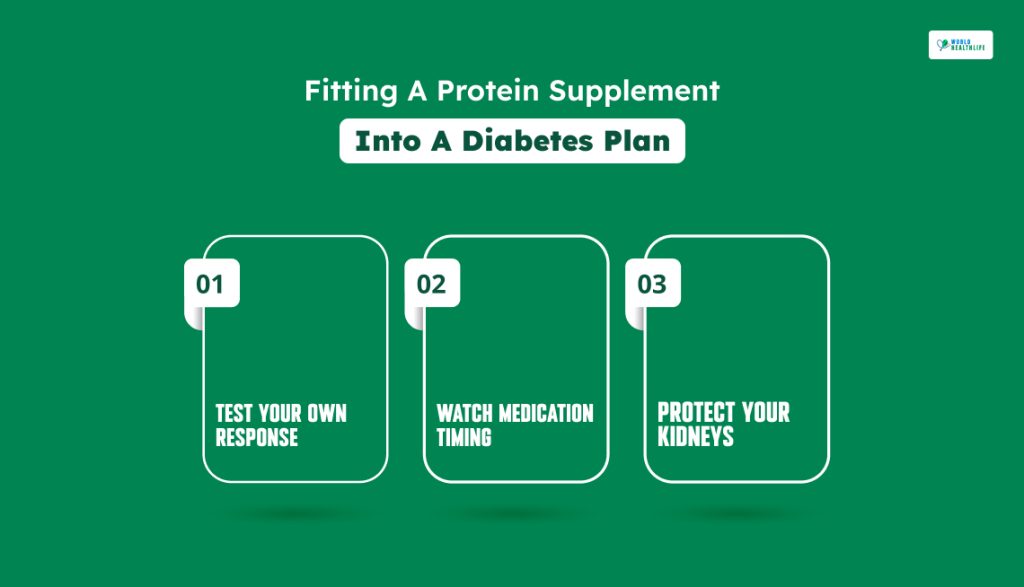
Follow these practices to make the protein supplement a part of your diabetic plan.
Test Your Own Response
Everyone reacts differently.
Check your glucose before and one to two hours after the first few servings, and keep a log to share with your care team.
Watch Medication Timing
If you use insulin or medicines that lower blood sugar, the carbohydrates in a shake can change how much you need.
Replacing a meal with a shake, or skipping food altogether, can raise the risk of low blood sugar.
So, ask your doctor or dietitian how to adjust.
Protect Your Kidneys
People with diabetic kidney disease are sometimes advised to limit protein.
If you have reduced kidney function, or have never had it checked, speak with your doctor before adding a protein supplement.
Common Side Effects And What To Do
Inulin and other fibers can cause gas, bloating, and loose stools, especially at the start.
Begin with a smaller serving, increase gradually, and drink enough water.
Stop use and seek urgent care for hives, swelling of the lips or tongue, or trouble breathing, which suggest an allergic reaction.
Do You Actually Need A Protein Powder?
The standard adult recommendation is about 0.8 grams of protein per kilogram of body weight.
Many people reach it through food alone.
Also, needs can be higher for older adults or those training hard, and lower for some people with kidney disease.
Moreover, a powder is a convenience, not a requirement, so ask your dietitian to confirm your target.
Who Should Check With A Doctor First
- Anyone who is pregnant, breastfeeding, or managing gestational diabetes.
- People with kidney disease or a history of kidney stones.
- Anyone with a milk or soy allergy.
- Skimmed milk powder and soy protein isolate are both listed ingredients.
- Children and teenagers with diabetes.
- People taking several medicines, since supplements can interact.
How To Choose Any Diabetes-Friendly Protein Powder
So, whatever brand you consider, compare labels on these points:
- Total carbohydrates and added sugars per serving.
- Protein per serving and the protein source.
- Type of sweetener and any sugar alcohols, which can cause bloating.
- Third-party testing from programs such as NSF or USP.
However, supplements should support, not replace, whole foods.
Eggs, Greek yogurt, lentils, fish, and tofu deliver protein without added ingredients, and a dietitian can help you decide whether a powder is needed at all.
Always check that any new product still fits your carbohydrate and calorie goals.
Pros And Cons Of Having The D Protein Powder?
You know, among the all d protein powder benefits, this protein consumption for diabetic patients is one of the most valuable ones. But apart from this, here are other pros of having the D protein powder.
Here are the d protein powder benefits.
- This protein shake is enriched with 28 essential daily vitamins and minerals.
- The PUFA Polyunsaturated Fatty Acid is helping to develop a lean body mass with excellent glucose control.
- For type 1 and type 2 diabetic patients, this protein shake is pretty convenient.
- Many antioxidant properties are also present in the milkshake.
- These protein shakes prevent oxidative stress and promote the health of the cardiac vascular areas of the body.
- These protein shakes have excellent glucose control, and they slowly release energy.
- The whole day, the energy supply will be in a stable condition.
- It also improves the glucose metabolism rate and also improves the conditions of synthetic insulin.
Cons Of Having The D Protein Powder
Most protein powders have some side effects. Among these side effects, acne and Gastrointestinal problems are very common.
So, here are the disadvantages of consuming the D protein powder.
- The regular consumption of D protein powders can cause acne and some signs of skin rashes.
- You can face the effects of unbalanced nutrient compositions.
- If you are allergic to some of the ingredients, you will face sudden stomach issues.
- Excessive consumption of protein shakes is causing weight gain.
Can Anyone Develop The Signs Of Side Effects?
The D protein powder has some allergenic components, and if your stomach is sensitive, then you must consult a doctor before taking it.
Here are the names of the allergic compounds, along with the signs of the allergy’s symptoms.
| Name Of The Allergic Ingredients | Allergic Symptoms |
| Algan Oil Powder | The frequent nasal congestion. Headaches. Nose itching. Hives or rash on the back or face stomach upset, Nausea, or vomiting. Lips, tongue, face swelling. |
| Prime Rose Powder | Stomach upset Headache. Nausea |
| Maltodextrin | Gas and diarrhea signs.Sudden body camping skin irritations |
| Sunflower Oil | Oral allergy bronchial asthma with breathing trouble Eye itching Contact dermatitis, skin lesions |
| Soy Protein | Skin Itching, hives, and Eczema…Tingling and swelling sensation on lip and tongue areas.Chest congestion and breathing problems.Abdominal pain.Nausea, vomiting, or diarrhea. |
Directions To Take The D Protein Powder:
If you are thinking of starting this protein powder consumption, then this is better to consult a doctor first.
Here are the directions for taking these d protein powder.
- First, take one-third cup full of milk or water.
- Then add two tablespoons full of this protein powder.
- Stire it until it entirely dissolves.
- If required, you can also add some of the water and milk to the cup and fill the empty spaces of the cup.
Now your d protein powder shake is ready for a drink.
Pricing Structures Of The D Protein Powder
The common flavors of the d Protein Powder are vanilla and chocolate. But apart from these two flavors, there are many more flavors that are available in the market. Such as mango, pineapple, mixed fruits, and dry fruits.
| Measurement | Price |
| D-Protein – 200 g (Vanilla) | ₹305.00 (Source: 1 Mg) |
D-Protein Nutritional Supplement – 200 g (Chocolate) | ₹305.00 (Source: 1 Mg) |
D Protein Powder Uses Reviews

Caution: Even though most users do not develop any side effects signs. But if you are experiencing any type of signs of side effects then it will be better to consult the doctors.
Frequently Asked Question (FAQs):
Here are the frequently asked questions and answers.
Any specific type of macronutrient includes fats and carbs. And D protein powder has a good quantity of fats and carbs but in a healthy way. The skimmed milk has less amount of fat. But anyone can gain some weight if you are starting to consume calories that actually you can burn.
D protein and ensure both are pretty convenient for the nutritious supplements. But the choice is entirely yours. Unless you do not want to build muscle then Ensure is good. As it has more fat and protein, it is also less in amount. But D protein is better for muscle build-up.
As it has less amount of fat and more protein.
If you are eating high-protein milkshakes then workouts should be in your routine. Weight gain is only possible when you are starting to consume more calories than you are burning.
An Effective Supplement For Diabetic Individuals
The D protein powder is one of the safe dietary supplements. And if you are a patient of Type 1 and Type 2 diabetes then this supplement is good to pick for you. The limited amount of saturated fat and the sugar-free nature of D protein build up your muscle but without increasing the fat saturation limit of your body. So what is your opinion?
Are you thinking about consuming this dietary supplement or have you already started it? Share your experience with us through the comment sections.
Medical Disclaimer:
The information provided in this article is for educational purposes only and should not replace professional medical advice, diagnosis, or treatment. Supplements like D Protein Powder contain carbohydrates (such as maltodextrin) and sweeteners that can impact blood sugar, medication timing, and kidney function differently for everyone. Always consult your doctor or a registered dietitian before introducing any new supplement into your diabetes management plan.
Read More:


