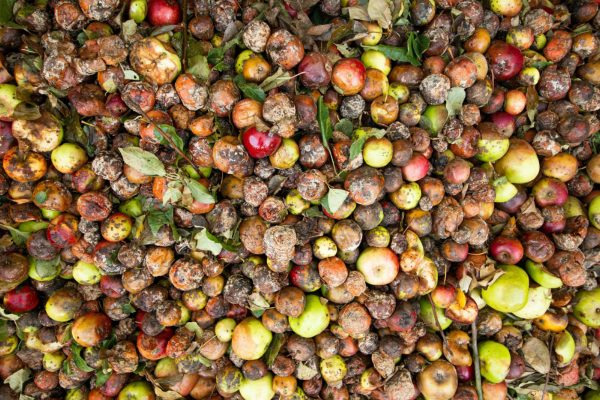
Have you ever thought about how much food actually goes bad before anyone eats it? I mean, it’s wild. It’s not just about tossing out some leftovers—it’s a massive, global mess.
Food spoilage quietly drains money, puts a dent in the environment, and even messes with public health. Roughly a third—yep, a third—of all food worldwide gets wasted every year.
Let that sink in. That’s over a trillion dollars just poof, gone. And honestly, there are various hidden toll of food spoilage; the cost is only part of it.
The Hidden Toll Of Food Spoilage
The impact of food spoilage often goes unnoticed, but there is a hidden toll of food spoilage. It is not just about the sadness of throwing away food; the cost is way beyond lost dollars.
The Economic Strain On Supply Chains
It’s easy to picture spoiled food as something that happens at home, but nope—it hits every step along the chain. Farmers? They lose big when crops don’t make it to market in time. Distributors?
Also, the rejection of shipment is a major concern. And grocery stores, well, those spoiled goods on the shelves? They’re just lost revenue.
Millions of tons of food are discarded even before it reaches the customers. Retailers, farmers, manufacturers, and households play an important role in this loss.
If we consider the US, the annual cost of this wasted food is more than $218 billion. This affects a lot. Like the price of groceries to the profit margins, everything goes for a toss.
Grocery stores and restaurants are the industries that hit the hardest as they handle a major quantity of perishable goods. Spoiled food means higher operational cost, reduced profit margins, and increased disposal fees.
In the end, it circles back to us. Prices creep up because businesses have to make up the difference somewhere. It’s one of those ripple effects that makes your grocery bill sting—especially for families who are already stretching every dollar.
The Environmental Footprint Of Food Waste
And here’s the kicker: throwing food out doesn’t make it disappear. It’s still doing damage long after it’s out of sight.
When food sits in a landfill, it creates methane gas—much more potent than carbon dioxide. And think of everything that went into producing that food in the first place.
Water, energy, land… all for nothing. Agriculture uses about 70% of the world’s freshwater. So when food spoils, we’re not just wasting a sandwich. We’re wasting water, fuel, labor—the works. It’s like watching resources swirl right down the drain.
Food waste is around 8-10% of the total gas emission, contributing to climate change and straining natural resources. The destruction is not just limited to this.
Discarded food pollutes a huge amount of water, labor, and energy that went into its preparation. From the fuel that was burned for transportation, to deforestation that was done for agricultural expansion, every item that was produced contributes to environmental harm.
Health Risks Linked to Spoiled Food
But wait—there’s another side we don’t talk about enough: health. Spoiled food isn’t just unpleasant; it’s dangerous.
If food sits too long or the storage is not right, it can turn into a playground for bacteria like Salmonella or E. coli. Nobody wants that. Contaminated food can breed bacteria and increase the chances of foodborne illness.
These infections don’t just knock you out for a weekend—they can land people in hospitals. It’s a risk we can actually do something about if we focus more on keeping food safe in the first place.
Consumers sometimes misinterpret expiration dates and discard safe food items even before they have gone bad, and sometimes consume food that has already gone bad. This can cause health hazards. This is another hidden toll of food spoilage.
The Role of Packaging in Reducing Food Spoilage
One thing that doesn’t get nearly enough credit? Packaging. Seriously. It sounds boring, but it’s actually huge. Take polypropylene corrugated packaging—it’s been a game-changer for perishable goods.
Unlike those waxy cartons that fall apart halfway through shipping, this stuff stays sturdy all the way through. That means fewer damaged loads, less produce going bad, and way fewer trips hauling spoiled goods back.
Oh, and a lot of these newer designs add ventilation, which helps keep everything cooler and fresher. It’s not glamorous, but it works.
Broader Solutions For A Complex Problem
Of course, there’s no silver bullet here. Packaging helps, sure, but we need bigger moves. More cold storage facilities, better training for food handling, and even simple stuff like teaching people how to store their groceries properly at home.
Technology has advantages, and there are various smarter food management strategies that offer viable solutions to deal with food spoilage. Businesses are adopting blockchain technology and artificial intelligence to improve tracking and reduce loss.
Tech could play a big role —imagine real-time sensors that track produce conditions during shipping. Fix the problem before it becomes a problem. And let’s not forget redistribution.
At the consumer level, education on proper food storage, understanding expiration labels, and meal planning can reduce household waste.
Retailers and manufacturers can improve their packaging designs, offer resealable options, and invest in some biodegradable alternatives to reduce environmental pollution.
So much food could be redirected to people who need it instead of just being tossed. That’s a no-brainer.
Be Mindful Of What You Do
At the end of the day, food spoilage isn’t some small annoyance. It’s an everything problem—money, environment, health, you name it. Fixing it won’t be simple.
It’ll take teamwork: industries, governments, and regular folks all doing their part. But between smarter packaging, better logistics, and small changes in how we shop and store food, we can make a dent.
Hidden toll of food spoilage should not go unnoticed. Less waste, more meals for people who actually need them. Sounds worth the effort, doesn’t it?
For more on this, check out the accompanying resource from SeaCa Plastic Packaging, a digitally printed packaging company.