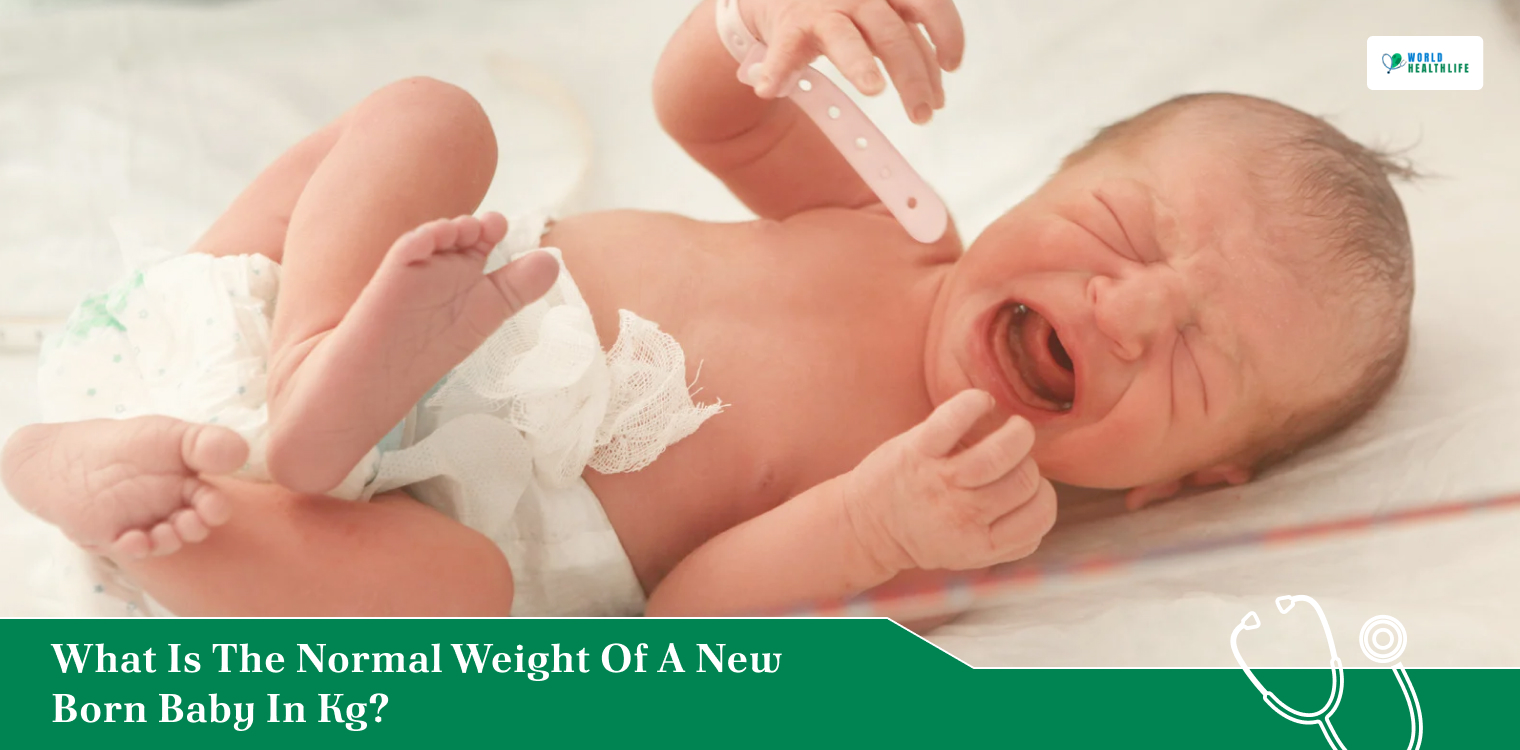
The most joyous moment in a couple’s life is when they learn that they will bring a new baby into the world.
After months of pain, when a mother sees her child for the first time, it leaves her with the brightest smile.
However, the concerns of a mother and a father does not end after their baby sees the world for the first time. It is important to ensure the healthy, balanced growth of a child.
Parents are always concerned about whether their baby is gaining weight at a healthy rate.
To relieve new moms and dads of their concerns, this article brings you a baby weight monthly chart that will give you an understanding of the normal weight of a newborn baby in kg.
Every baby is very different when it comes to growth. However, having an idea about growth should make them aware of the abnormalities.
This will help them to reach the doctors whenever there is a problem.
Understanding Baby Weight Growth
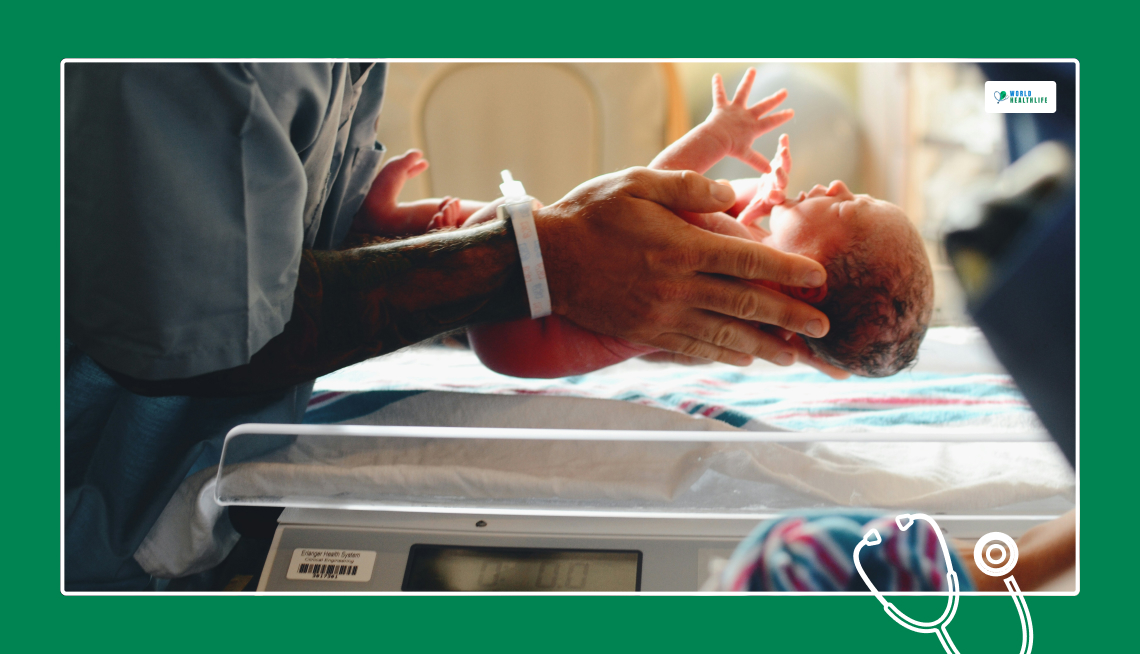
A baby’s weight is a key indicator of overall development. The doctors meticulously track the weight of the baby.
The weight loss or gain indicates whether your baby is getting enough nutrition or not. Proper nutrition ensures complete growth.
Every baby throws in a very different way. Thus, you will not find a single “perfect” weight for all the babies. However, the experts have prepared guidelines based on averages.
1. What Are The Averages Of Weight Gain From Birth?
Full-term babies are the ones that are born between 37 and 40 weeks. These babies weigh between 2.5 and 4.5 kg at birth.
A low-birth-weight baby typically weighs below 2.5 kg. Thus, they generally require extra care. On the other hand, a high-birth-weight baby often weighs above 4.5 kg.
High birth weight is very common in the babies delivered by diabetic mothers. Thus, they require proper care.
2. Weight Chart Of Babies On The Basis Of Months?
The babies generally follow a pattern in terms of weight gain. The following chart explains the normal weight of new born baby in kg.
| Age | Boy’s Weight in kg | Girl’s Weight in kg |
|---|---|---|
| Newborn | 2.5-4.5 | 2.5-4.3 |
| 1 Month | 3.4 – 5.7 | 3.2 – 5.4 |
| 2 Months | 4.4 – 7.0 | 4.0 – 6.5 |
| 3 Months | 5.1 – 7.9 | 4.6 – 7.4 |
| 4 Months | 5.6 – 8.6 | 5.1 – 8.1 |
| 5 Months | 6.1 – 9.2 | 5.5 – 8.7 |
| 6 Months | 6.4 – 9.7 | 5.8 – 9.2 |
| 7 Months | 6.7 – 10.2 | 6.1 – 9.6 |
| 8 Months | 7.0 – 10.5 | 6.3 – 10.0 |
| 9 Months | 7.2 – 10.9 | 6.6 – 10.4 |
| 10 Months | 7.5 – 11.2 | 6.8 – 10.7 |
| 11 Months | 7.7 – 11.5 | 7.0 – 11.0 |
| 12 Months | 7.8 – 11.8 | 7.1 – 11.3 |
These numbers are estimated approximately. Some babies can weigh less or more than these given numbers. Yet, they can be healthy.
3. What Are The Factors Affecting Body Weight Of The Baby?
Multiple factors influence a baby’s weight. All these factors influence the normal weight of new born baby in kg.
These factors include genetics and the body type of the parents. In addition, the feeding methods also play an important role.
The body weight of the breastfed babies differs massively from the body weight of the formula-fed babies.
The smaller babies often catch up over time. However, premature babies or those with medical conditions generally grow at a different pace.
4. When Should You Be Concerned?
Slight variations are generally normal. However, you should always consult a pediatrician when there is a drastic difference.
You should immediately reach out to the doctors when your baby does not gain or lose weight, and things are absolutely constant.
You can even see a sudden drop in the overall weight percentile. The baby can even seem to be dehydrated and may not feed well either.
How To Increase Weight In Babies?
There are several ways through which you can ensure healthy weight gain in a baby. Here are some of the best ways.
1. Ensure Feeding Your Baby Properly
The breastfed babies generally feed on demand. Hence, they seek to feed at least 8-12 times a day. Formula-fed babies should follow the pediatrician’s recommended quantity.
You should introduce solid foods like veggies, mashed food, and cereals after a span of six months.
2. Monitor The Growth Of The Baby Regularly
Regular checkups help detect any weight gain or loss promptly. You should check for the differences and report the slightest changes to your doctor immediately.
Always follow the growth charts provided by the doctors. Moreover, following the growth chart properly should help your baby grow.
3. Look For The Cues Given By The Baby When It Is Hungry
Babies often give you cues when they are hungry. Thus, you should always be observant of the hunger cues.
These are very subtle signs. These signs include sucking a hand or finger. At times, crying can also indicate hunger in infants. Hence, the babies can even show signs of rooting.
4. Do Not Overfeed Your Baby
Overfeeding often leads to excessive weight gain, which can even cause discomfort. Thus, you should never indulge in any sort of overfeeding.
At times, babies puke when they are overfed. Hence, this leads to nutrition deficiency. You should always follow the natural appetite of a baby.
This will ensure complete absorption of all nutrients from the food the baby consumes.
Things To Remember About The Normal Weight Of New Born Baby In Kg
You should never hesitate to reach out to your doctor when you think their weight and growth has remained mostly stagnant. However, every baby grows at their own pace.
These charts provided in the article are based on approximate estimations. Thus, slight variations in their body weight are absolutely normal.
You should focus on your baby’s overall activity and feeding patterns rather than simply comparing them with other babies.