
It started on a Tuesday. I had a heavy meal of fried rice and chicken in hot garlic sauce. That means extra oil with that sizzling taste! About an hour later, I felt a dull, gnawing ache just under my right ribs.
But it was not unbearable. But stubborn. It kept me up past midnight. I figured it was gas. Or bad oil. So, I ignored it, thinking I would recover from this right upper quadrant pain easily by the morning!
Two weeks later, I faced the same thing again. Surprisingly, my pain was in the same spot. That was when I started paying attention.
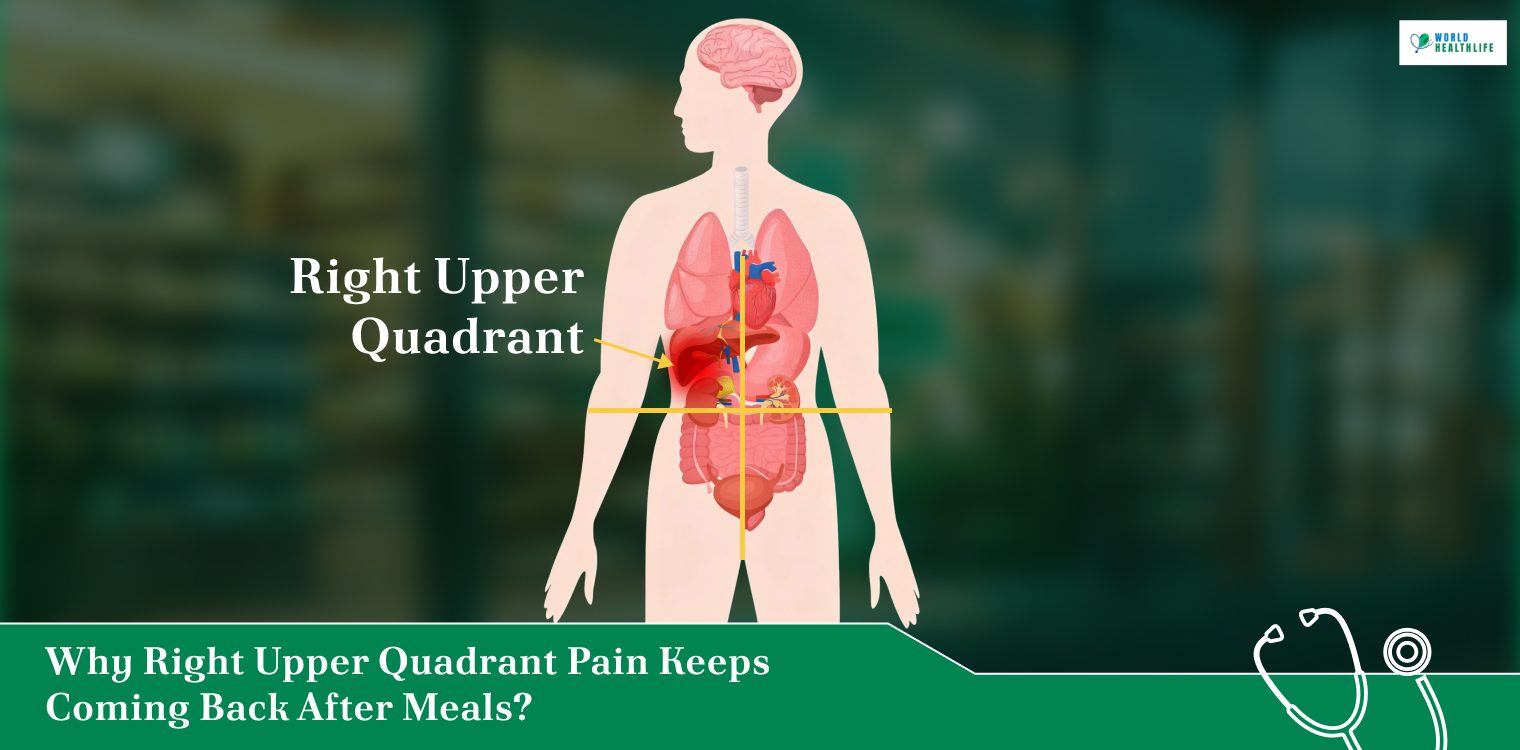
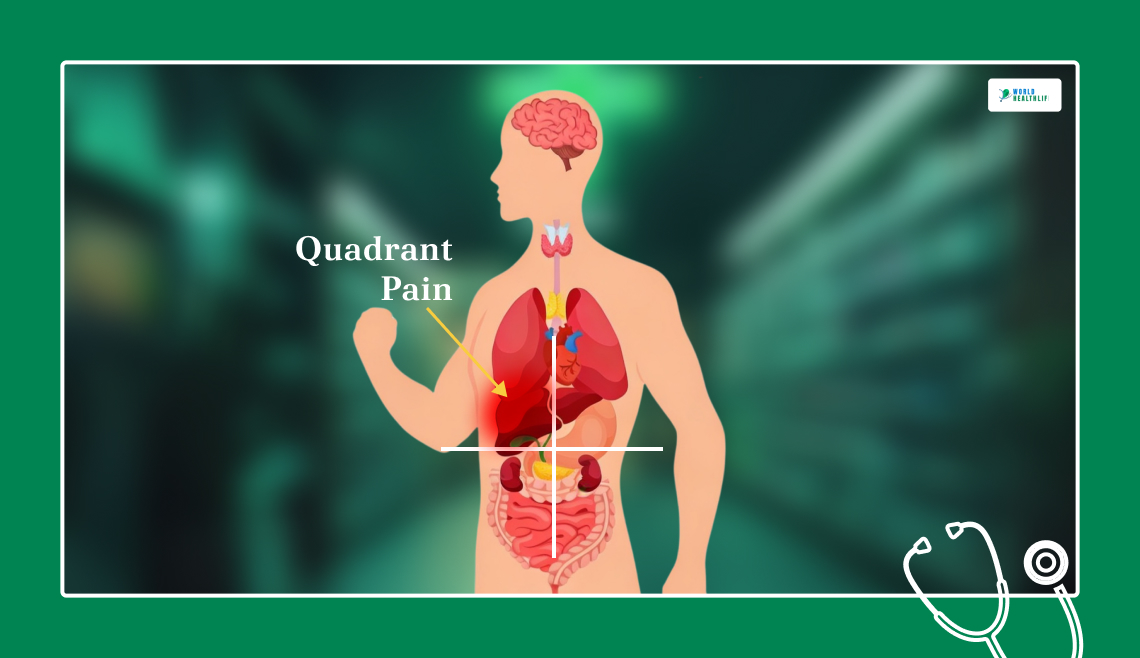
That area just under your lower right ribcage is the right upper quadrant, or RUQ. FYI, a surprising number of organs are packed into that one small space.
Your liver is there. Your gallbladder and small intestine, too. That’s what makes RUQ pain both very common and genuinely confusing.
Common Causes Of Right Upper Quadrant Pain
If your right upper quadrant pain does not fade, it could signal a more serious problem than just bloating or gas. But even gas can cause pain. Again, when you have remote pain from gas, like a throat pain that goes to the ears, it is hard to tell what the cause is.
For example, people with hearimng aid can experience dull pain from the device. Again, they can have the same pain from gas. But people who use custom & cushioned devices like hearzap smart hearin device, don’t experience. So, when it pains, you know it’s something internal!
The Gallbladder Is The Most Likely Culprit
When I finally went to the doctor about my recurring ache, she asked me one question first. Does it happen after you eat?
Yes, I mentioned. She sent me for an ultrasound that same week. Luckily, gallstones were not the culprit in my case.
The doctor informed that gallstones are the single most common cause of RUQ pain. Over one million Americans are newly diagnosed with them every year, according to the American College of Gastroenterology.
What Are Gallstones Actually?
In simple words, gallstones are hard lumps, not real stones. These lumps are made of cholesterol. You will usually find them inside the gallbladder. Most people with gallstones have no idea they have them until a stone blocks the exit.
When that happens, fat from a meal signals the gallbladder to squeeze. The gallbladder squeezes. But then the stone also jams. As a result, you feel the right upper quadrant pain. But there is a pattern that tells you it is certainly a gallbladder stone.
The pain will peak within 30 to 60 minutes.
What Happens If Gall Bladder Stone Is Untreated?
If you don’t treat it, the gallbladder itself can become infected and inflamed. Doctors call this cholecystitis. Its main symptom is that the pain stops coming and going. It just stays.
Besides the right upper quadrant pain, your right shoulder might ache. In addition, nausea and fever show up. In that stage, you need a doctor fast.
When you approach a doctor the first step is an USG. The ultrasound scan picks up the gallstones with around 90% accuracy. But the best part is that most US insurance plans cover gallstone surgery, when a doctor orders one.
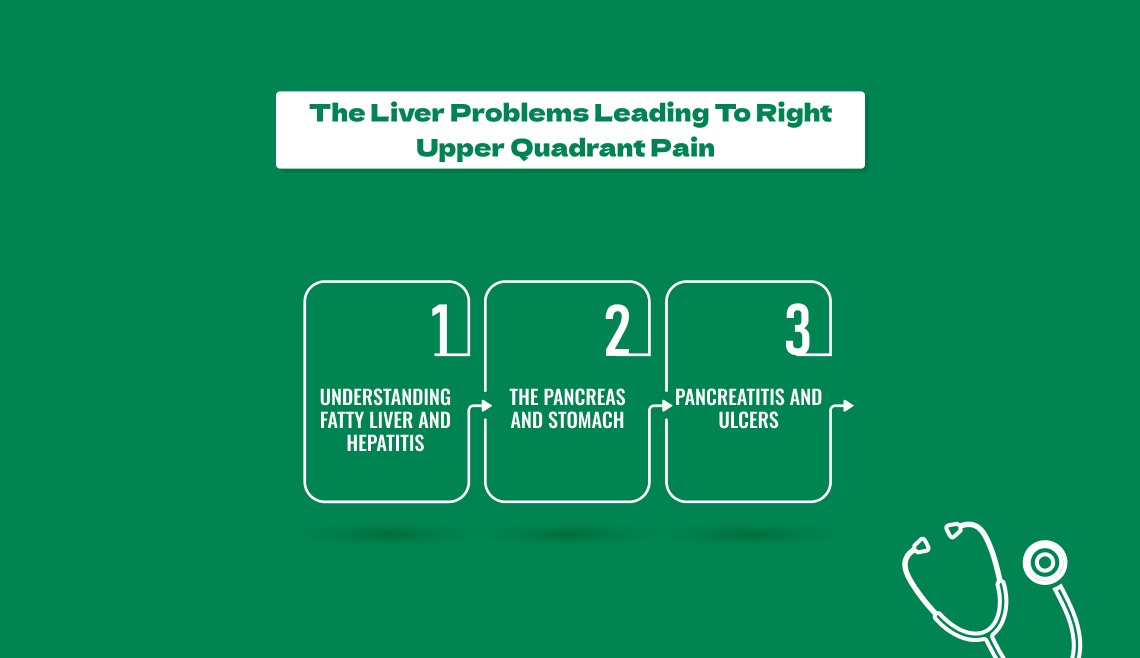
The Liver Problems Leading To Right Upper Quadrant Pain
The first step is always fatty lever. It first sends you signals through right upper quadrant pain.
A close friend of mine found out she had fatty liver disease at a routine checkup. But in her cases, there was zero pain. But most importantly, she had zero symptoms.
When she went for a bloodtest, she accidentally tested for liver fat. After that the USG confirmed it’s presence.
Her doctor said that’s how fatty liver disease usually goes. It sneaks up. The American Liver Foundation says it affects roughly one in four American adults.
Understanding Fatty Liver And Hepatitis
When fatty lever does cause pain, it’s typically a dull, heavy feeling rather than sharp cramps. Not dramatic. Therefore, the pain is easy to dismiss as tiredness or posture.
In addition, Hepatitis causes a similar kind of ache. Sometimes with fatigue and a yellowing of the skin or eyes. But what is hepatitis in simple terms? It is the inflammation of the liver from a virus or from alcohol.
Alcohol-related liver disease is far more common than most people assume. The CDC estimates it plays a role in liver damage in about 5% of American adults who drink regularly over many years.
The Pancreas And Stomach
Pancreas-related problems can always cause sharp right upper quadrant pain. But it is hard to tell whether the source of the pain is your pancreas or stomach. After all, they show similar symptoms.
Pancreatitis And Ulcers
Pancreas pain is different. Most importantly, it is tough and steep in most cases. At the same time, the pain sits deeper.
To clarify, it tends to bore straight through your abdomen into your mid-back. For example, you will feel pressure from both sides at once. Vomiting is common with this one.
Why Pancreatitis Is A Big Threat For Us In The US?
Biliary pancreatitis is usually caused by gallstones. Pancreatitis has been diagnosed more frequently in the US since 2020.
Some gastroenterologists link this partly to the diet changes people made during the pandemic years. For instance, more processed food, more alcohol, and less movement.
Stomach ulcers can also send pain into the RUQ. Though they usually hit higher up, just below the breastbone.
But you can differentiate stomach ulcer pain by its timing. It often burns about an hour after eating. After that, it eases off temporarily when you eat again.
When RUQ Pain Is Something More Serious
There are two causes that Americans regularly miss. Remember that not every RUQ problem starts in the digestive system. Kidney infections can cause a deep, dull ache that spills from your flank into your right upper belly.
Fever usually comes with it. Again, that fever is actually a useful clue. My doctor said gallbladder pain without infection often doesn’t cause a high temperature. But a kidney infection almost always does.
Secondly, a blood clot in the lung can also send referred pain into the right side of the chest and upper abdomen. It’s rare, but it’s life-threatening.
If you have sudden shortness of breath, a racing heart, or chest tightness on top of the RUQ pain, don’t wait. Go to the ER NOW!
Cancer And Surgical Emergencies
Liver tumors cause RUQ pain in roughly 2 to 5 percent of imaging cases. The pain tends to be persistent, dull, and slowly worsening. It’s often paired with weight loss you can’t explain. If that combination sounds familiar, push for imaging.
Appendicitis usually starts near the belly button and moves to the lower right. But in some people it presents higher. Epecially in unusual anatomy or pregnancy. However, the question is what symptoms can help me differentiate it?
According to HealthLine, one of the biggest symptoms is Rebound tenderness. To clarify, it is a pain that spikes when a doctor lifts their hand off your belly. Not when they press down. To sum up, it is a red flag that needs emergency evaluation.
Symptoms: What To Watch For
Stop waiting and go to the ER if you have any of these
- Yellowing of the skin or whites of your eyes
- Fever above 101°F (38.3°C)
- Pain that won’t let up after several hours
- Vomiting blood, or black/tarry stools
- A belly that feels hard like a board
- Shortness of breath alongside the pain
Those are not symptoms that will naturally heal. Simply put, each one points to something that may need surgery or emergency treatment.
I’m not a doctor. But I feel that you should see a doctor even if there are basic symptoms. For instance, you will have Nausea in around 80% of gallstone cases. At the same time, expect bloating after a fatty meal.
In addition, dark urine and pale stools together suggest something is blocking bile flow. In the same vein, the pain might become worse when you breathe deeply. All of these are clear indications that you need to go see a doctor immediately.
How Doctors Figure Out What’s Going On?
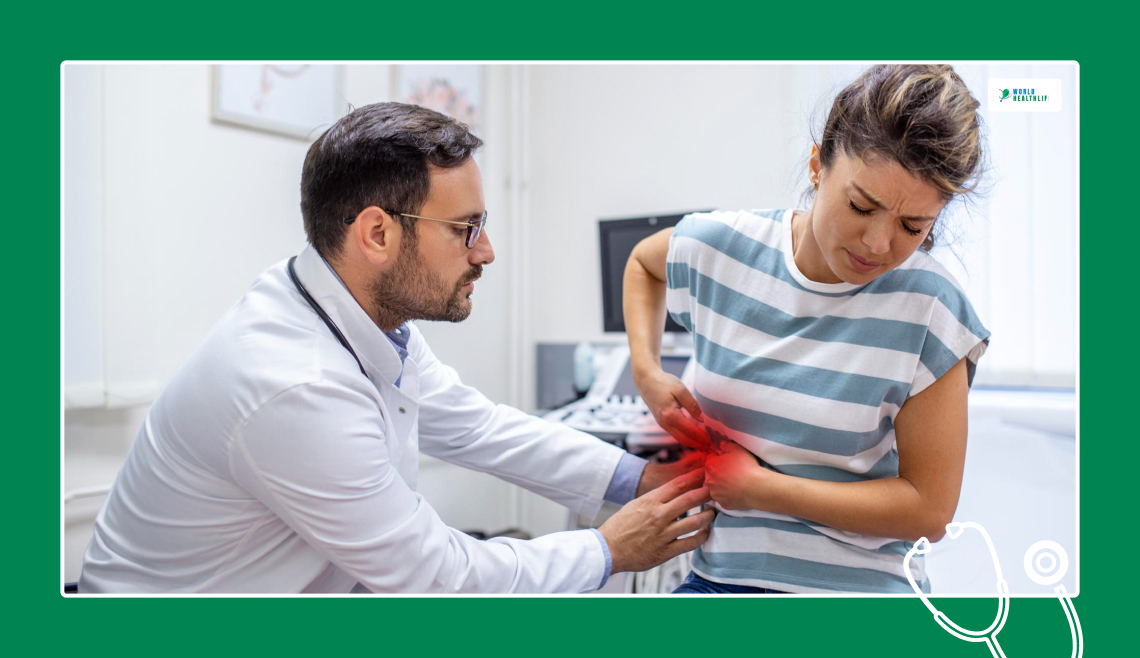
Before you even see a doctor, start a basic log. Write down:
- When the pain happens
- How long does it last?
- What you ate beforehand
- How bad is it on a scale of one to ten?
- Does it shift when you lie down?
- Does it ease up or get worse after eating?
This kind of tracking takes five minutes. So take these notes if you can.
What The Doctor Will Order
The doctor will offer designated tests. At the same time, the pain pattern will clarify and rule out many things.
Ultrasound First
An abdominal ultrasound is almost always the first test. No radiation, no prep, and no fasting required in most cases.
Meanwhile, for gallbladder issues specifically, it’s about 90% accurate. Most US health insurance plans cover it when ordered by a physician. To clarify, that includes plans through the ACA marketplace.
Often, you won’t get a clear indication from USG. But in the US, you can do a CT scan or a localized MRI instead for clarity.
Bloodwork
If the doctors need to check for high enzyme levels, a liver function test (LFT) is the go-to option. At the same time, the best way to check for infection is a Complete Blood Count (CBC) test.
However, the doctor will give an add-on ectopic pregnancy test if you are pregnant.
That’s just to clarify your right upper quadrant pain is not due to pregnancy. If you are pregnant, the doctor will also check the fetal heart rate to ensure the baby’s doing good!
Treatment Options
Let us assume that the case of right upper quadrant pain is healable. Therefore, we need to focus on what treatment options doctors usually offer:
Diet And Medication First
For mild gallbladder issues, a low-fat diet genuinely helps. In the same vein, fat is the trigger that makes the gallbladder contract.
Smaller, more frequent meals are better than one or two large ones. For acid reflux or stomach ulcers, acid-reducing medications are the standard first step. In the US, these meds are available by prescription or over the counter at lower doses.
Surgery Is Required When It Keeps Coming Back
If gallstones keep causing pain, the usual fix is removing the gallbladder altogether. It’s done through small keyhole incisions. In the US, you only need to go through an outpatient surgery in most cases for gallstone surgery.
You go home the same day. Most people are back to normal within a week or two. Most importantly, the success rate sits around 95%..
Getting Care In The US
For non-emergency pain, your primary care doctor is the right first call. Telehealth visits through ACA plans are a practical option now. Most importantly, you can get a referral or a lab order without leaving home.
Meanwhile, if you end up at the ER, average wait times run about 2 to 4 hours for non-critical cases. Urgent care clinics are often faster for initial evaluation when you’re stable.
When To See A Doctor (For Your Quick Reference)
Use this table as a rough guide. It’s not a substitute for professional advice, but it helps you figure out how fast to act.
| What you feel | Likely cause | What to do (US) | How fast |
|---|---|---|---|
| Sharp pain after eating | Gallstones | See your GP, get an ultrasound | Within 48 hrs |
| Dull ache + tiredness | Fatty liver | Ask for liver bloodwork | Book this week |
| Fever + hard belly | Infected gallbladder | Go to the ER | Right now |
| Deep pain in the back | Inflamed pancreas | Urgent lab tests | Same day |
Here is one rule that’s worth remembering. Simply put, are you suffering pain that lasts more than 48 hours? In addition, is there any unexplained weight loss, or any fever above 101°F? These are triggers to seek prompt medical advisory.
Frequently Asked Questions (FAQs)
It can be, but it’s not the likely explanation. Imaging studies put cancer as the cause in roughly 2 to 5% of RUQ pain cases.
Yes. As the uterus grows, it can press on the liver and gallbladder, causing discomfort. More seriously, preeclampsia, a pregnancy complication involving high blood pressure, can cause RUQ pain, usually in the second half of pregnancy.
Intermittent pain triggered by meals, especially fatty ones, is the textbook pattern for gallstones. This can repeat for months before something blocks completely.
This article was reviewed for factual accuracy by a US board-certified physician with over 15 years of experience in gastroenterology and internal medicine.





What Causes Lower Back Pain In Females? Navigate The Causes
September 17, 2026[…] In order to isolate a more targeted issue, doctors closely evaluate the exact quadrant of the lower back. […]