Pain relievers are one of the most used and prescribed medicines. Usually, pain-relieving medicines belong to the opioid family. Both Tramadol and Oxycodone are prescribed for moderate to severe pain when any other form of treatment is not working well or taking much time.
Now, you might be thinking, which one is good, Tramadol vs Oxycodone.
Both of these medications interact with opioid receptors in the human brain in order to reduce pain and signal transmission. They might be used for treating a variety of pain types, including post-surgical pain and musculoskeletal pain.
Although both of them might be used for similar pain types, Tramadol vs Oxycodone is different and unique from each other. Here, in this article, I will give you a complete insight into Oxycodone vs Tramadol.
Let’s start with having a piece of basic knowledge of both medications.
What Is Tramadol?
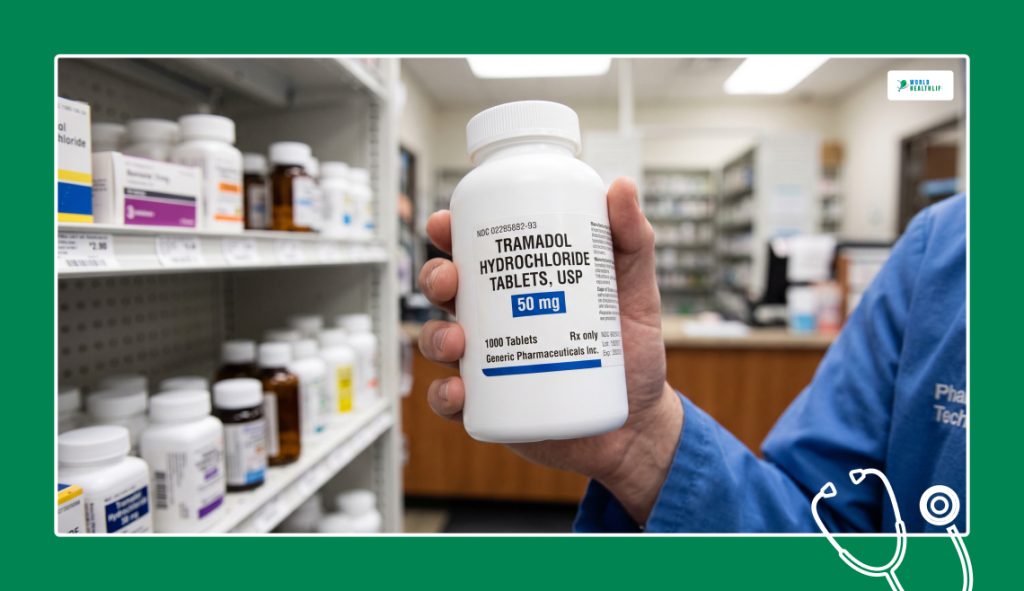
This particular medicine is a prescription pain reliever, which is a little weaker in comparison to most of the other opioids. When an individual takes a dose of Tramadol, this medicine binds to the opioid receptors of the individual and influences the central nervous system.
Now, the interaction of tramadol, along with other opioids, with the central nervous system always lowers how people feel pain.
Although tramadol is not as potent as some other opioids, it works well as a pain reliever. And it is really effective even for severe pain.
What Is Oxycodone?
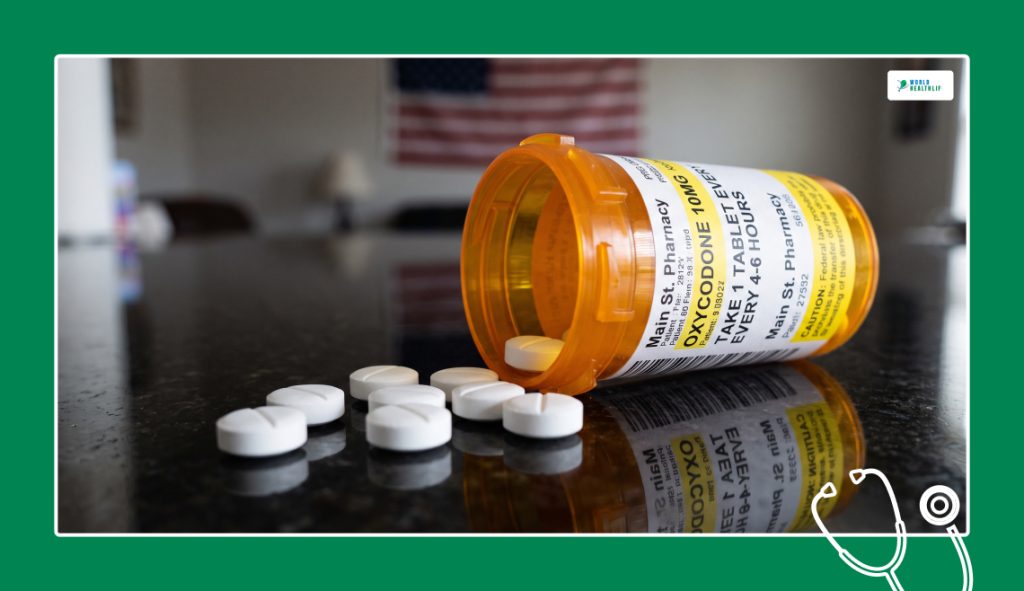
Now, after tramadol, let’s get to know about oxycodone. It is a really strong and semi-synthetic opioid, which is closely regulated by the DEA, as the risk of abuse and addiction is there.
Just like tramadol, oxycodone also works on the central nervous system of the user and alters how they perceive pain. However, unlike tramadol, oxycodone does not at all inhibit serotonin and norepinephrine reuptake.
While tramadol has a lower risk of psychological and physical dependence, oxycodone has more. This is one of the major reasons why oxycodone is regulated as Schedule II, while tramadol is Schedule IV.
Tramadol Vs Oxycodone: The Comparison
Here is a comparison of Tramadol Vs Oxycodone. This will help you get a complete insight into both these pain relievers.
- Tramadol comes with a higher risk of seizures compared to oxycodone, and it is specifically for those people who already have a history of seizures.
- As for the effectiveness of both these painkillers, oxycodone is more potent without any doubt. Also, oxycodone has a more rapid onset of pain-relieving effects.
- Oxycodone always has a higher potential for addiction and abuse than tramadol.
| Classifications | Tramadol | Oxycodone |
| Brand or generic status | Both brand and generic are available. | -DO- |
| Drug class | Mu-opioid analgesic. | Opioid analgesic. |
| The brand name | ConZip, Ultram DR, Ultram | Xtampza ER, Oxaydo, Oxycontin, and Roxicodone. |
| Form of drug | Extended release or immediate release tablet | Oral liquid concentrate, extended-release or immediate release tablets. |
| Standard Tramadol vs Oxycodone Dosage | Every 4 to 6 hours, 50mg. | Every 4 to 6 hours 5 to 15 mg. |
| Usual treatment duration | 7 days or less than that. | 7 days or less than that. |
| Suitable for | Older, adults and children 12 years of age. | Adults, children, infants. |
Tramadol Vs Oxycodone Which Is Stronger?
Now comes effectiveness. While we are comparing Tramadol Vs Oxycodone, we must say that oxycodone is stronger as a pain reliever than tramadol. However, this same one is also more prone to develop an addiction and dependence.
Although tramadol has mood-boosting properties, it possesses a lower risk of respiratory depression. At the same time, you have to keep in mind that Tramadol carries the risk of seizures.
In most cases of severe pain, oxycodone is the first choice. And tramadol is used in less severe pain than oxycodone.
Oxycodone Vs Tramadol: Common Side Effects
Tramadol Vs Oxycodone are both opioids and have almost similar side effects. And like most of the other opioids, the effects of these two medicines tend to be gastrointestinal in nature.
Here is the common comparison between the Tramadol Vs Oxycodone side effects.
| Side Effects | Tramadol | Oxycodone |
| Drowsiness | Up to 25% | Up to 23% |
| Nausea | Up to 40% | Up to 23% |
| Constipation | Up to 46% | Up to 23% |
| Vomiting | Up to 17% | Up to 21% |
| Headache | Up to 23% | Up to 14% |
| Dizziness | Up to 13% | Up to 13% |
| Dry Mouth | Up to 13% | NA |
| Indigestion | Up to 13% | Up to 13% |
Tramadol Vs Oxycodone: Dangerous Drug And Substance Interactions
Combining tramadol or oxycodone with other substances can lead to severe, life-threatening complications. Before starting either medication, patients must be aware of two critical interaction risks:
CNS Depressants (Alcohol And Benzodiazepines):
Mixing these opioids with alcohol or prescription anxiety medications – such as alprazolam (Xanax) or diazepam (Valium) – is extremely dangerous.
Both substances slow down the central nervous system. Combining them compounds this effect, which can cause profound sedation, profound respiratory depression (slowed or stopped breathing), coma, or fatal overdose.
The Enzyme Factor (CYP450 Pathway):
Tramadol and oxycodone are drugs that are closely linked to some liver enzymes, namely the cytochrome P450 system (CYP2D6 and CYP3A4), through which they are metabolized safely and excreted from the body.
Not only foods common in our diet like grapefruit juice, but also a number of drugs like some antibiotics or antifungals can block or interfere with these enzymes.
When these metabolic pathways are inhibited, the amount of active opioid in the bloodstream can increase sharply to dangerous levels, greatly increasing the risk of accidental overdose.
Note: Always review your complete list of supplements, over-the-counter drugs, and prescriptions with your healthcare provider or pharmacist to prevent dangerous interactions.
Final Verdict: Tramadol Vs Oxycodone – Which One To Take?
If your doctor thinks that one of these medicines is suitable for you, they will decide to prescribe tramadol. Your doctor’s decisions depend on multiple factors: your history, current condition, and an overall physical examination of your body.
It is very important that a qualified professional such as your physician is the one to make a proper diagnosis for you rather than a layperson like yourself choosing the drug.
Such discussion gives the physician the opportunity to design a safe and effective treatment plan. Since the opioid part of tramadol is weaker, physicians generally choose it for pain relief at moderate strength.
Though, you should not be surprised if the tramadol prescription causes some side effects for you, as even tramadol has considerable dangers, such as the occurrence of seizures or serotonin syndrome.
The more powerful type of medication has to be used for the worst pain, and physicians keep oxycodone for rare situations only because this medication is very strong. Although pain is quickly relieved by oxycodone, it has a very high risk of misuse and dependence.
Disclaimer: The information provided in this article is for general informational purposes only. It does not, and is not intended to, constitute medical or health advice. Please consult a qualified healthcare professional for medical guidance or expert health assistance.
Read Also: