You’ve likely heard that having high cholesterol can harm your heart. People might have asked you to “watch your numbers” or “cut out saturated fat.”?
However, most of us are still not aware of the true causes of our cholesterol levels or how they can affect our health in the long term.
Your body needs cholesterol. It supports digestion, produces hormones, and aids in cell growth. But too much of the wrong kind, for too long, in the wrong place? The trouble begins there.
This is a simple explanation of the causes of high cholesterol and why it’s more important than you might think.
What Is Cholesterol?
Your liver produces cholesterol, a waxy, fat-like material. This same material is also present in foods derived from animals.
It moves through your bloodstream in packages known as lipoproteins. These are available in several important forms:
- Low-density lipoprotein, or LDL, is frequently referred to as “bad” cholesterol. Elevated levels may cause artery-clogging plaque.
- High-density lipoprotein, or HDL, is the “good” cholesterol. It helps return extra cholesterol to the liver from the arteries.
- Triglycerides are a form of blood fat that can increase the risk of heart disease when they are elevated.
Excess LDL, triglycerides, or insufficient HDL are indicators of high cholesterol, which, over time, can lead to significant harm.
7 Common Causes of High Cholesterol
Elevations in cholesterol do not occur randomly. Most of the time, metabolic health, genetics, and lifestyle all play a role in determining overall health. Let’s go over the major contributors or the causes of high cholesterol.
1. Diet High in Saturated and Trans Fats
Foods high in saturated fat, such as processed snacks, butter, cheese, and fatty meats, can increase LDL cholesterol levels.
Even worse are trans fats, which raise LDL levels while decreasing HDL levels and are frequently found in baked goods and deep-fried foods.
But it’s not just fat; diets heavy in sugar and refined carbohydrates can also raise triglycerides, which is equally dangerous.
2. Lack of Physical Activity
Exercise is the only way to stay fit! Now, if you want to skip this part, you may struggle a lot to lower LDL and triglycerides.
On the other hand, your HDL levels continue to increase. Sedentary behaviour is a significant contributor to unhealthy cholesterol levels, particularly when paired with other risk factors.
Walking every day or engaging in moderate-intensity exercise a few times per week can have a significant impact.
3. Being Overweight or Obese
Higher levels of LDL and triglycerides, and lower levels of HDL, are associated with excess body fat. This is particularly present around the waist.
Losing even a small amount of weight can lower cardiovascular risk and improve cholesterol levels.
4. Smoking
Smoking reduces HDL and further causes damage to the blood vessels. But it goes beyond that! Smoking can facilitate LDL cholesterol’s adhesion to arterial walls, hastening inflammation and plaque accumulation.
One of the quickest ways to start enhancing your heart health if you currently smoke is to stop.
5. Excess Alcohol Intake
While moderate alcohol consumption may raise HDL in certain individuals, excessive alcohol consumption can cause liver damage and raise triglyceride levels, both of which have an impact on cholesterol regulation.
6. Chronic Conditions Like Diabetes or Hypothyroidism
Chronic kidney disease, insulin resistance, hypothyroidism, and type 2 diabetes all affect how your body metabolises fats and cholesterol.
It’s critical to routinely check your lipid levels if you have been diagnosed with any of these conditions.
7. Genetics (Familial Hypercholesterolemia)
Some people inherit genes that cause excessive production of cholesterol. Familial hypercholesterolaemia can result in dangerously high LDL and frequently goes undiagnosed.
It is worthwhile to get tested earlier than usual if you have a family history of early heart disease or stroke.
Why High Cholesterol Matters
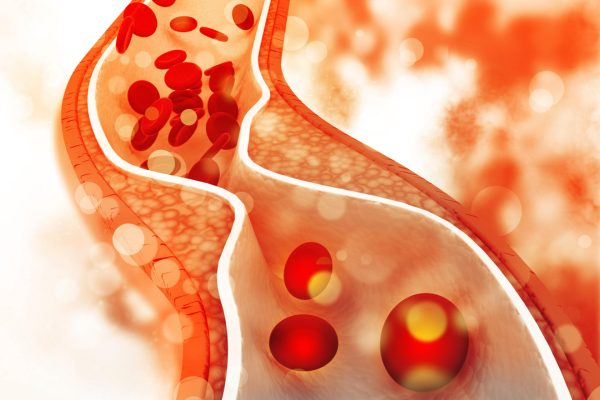
Atherosclerosis, or the accumulation of fatty deposits inside artery walls, is a condition that is exacerbated over time by elevated LDL cholesterol. This reduces blood flow and raises the possibility of:
- Heart attack
- Stroke
- Peripheral artery disease
- Chronic kidney disease
Usually, the process starts quietly. Even if you feel healthy, routine testing is crucial because there are no noticeable symptoms until the damage is severe.
What Are The Major Complications That Can Occur?
High cholesterol can lead to complicated health conditions. The high cholesterol plaque can be stored on the arterial walls. This is also known as atherosclerosis.
As time passes, this plaque buildup can cause arteries to either narrow or create a blockage in the blood flow.
Now, we all know what happens when there is less blood flow. There can be severe complications such as:
Chest Pain Or Angina
Let’s say the arteries that supply blood to your heart are affected. In that case, it can cause you severe chest pain. Not only that! It can also cause you severe heart disease, such as coronary heart disease.
Heart Attack
Now, what happens if the plaque tears or breaks. In that case, a blood clot will form. This blood clot can block the blood flow at the place where it broke.
If not, then the blood clot may flow to the artery and further block it. This can stop the blood flow in your heart and eventually can cause you a massive heart attack.
Always remember that a heart attack is an emergency case that you must not overlook, and call for immediate help!
Stroke
A stroke can occur if a blood clot creates a blockage in the blood flow to the brain. This is an emergency situation that requires your immediate attention and treatment.
Prevention Process
The process is just the same as the low cholesterol prevention process. You just have to practice the following habits:
- First things first, focus on eating a healthy diet. Try to incorporate protein, fruits, and whole grains into your meals. On the other hand, you will need to limit your sodium and sugar consumption.
- You can also try to limit consumption of trans and saturated fat. Instead, you can focus on healthy fats such as fatty or oily fish, olive oil, or canola oil, and nuts.
- Try to lose some extra weight and further maintain that.
- If you smoke regularly, you can always seek help from the care team to help you give up smoking.
- Try to include exercise atleast for 30 minutes every day.
- Last but not least, try to drink less alcohol.
When To Get Your Cholesterol Checked
The causes of High Cholesterol can be your life choices, as the symptoms begin in early childhood and adolescence. This is why the current guidelines recommend initiating the screening process during childhood.
| Gender | Cholesterol Checking Time |
|---|---|
| Children and teens | You can have your cholesterol checked every five years starting at the age of nine. A child whose parents have cholesterol issues or heart issues should begin the process even sooner. |
| Males | You can get yourself checked every five years until you turn 45. Once you turn 45, you can get yourself checked every one to two years until you turn 65. After the age of 65, you can get checked every single year. |
| Females | Women can get themselves checked every five years until they are 55. From 55 to 65, they can get themselves checked in one or two years. After the age of 65, it is necessary to get checked every year. |
These are just some regular guidelines. I would always suggest that you talk to a healthcare provider and discuss what is best for you!
The Bottom Line
There is nothing intrinsically wrong with cholesterol. Your body requires it, but balance is key in many aspects of health.
You just have to regain control! That’s exactly when you will realise what is causing you high cholesterol. You can always start by adding a few changes.
Maybe changing your diet, increasing physical activity, controlling stress, or even routinely reviewing your numbers! Keep experimenting and see which one works best for you!
Additionally, there are evidence-based methods and effective medications that can help lower your levels into a safer range if lifestyle changes aren’t enough.
Reaching a target cholesterol level is only one aspect of lowering cholesterol; another is safeguarding your heart, brain, and future.