
A new medical diagnosis can feel completely overwhelming. If you just heard the word “Moyamoya” for the first time, please take a deep breath.
You might be a newly diagnosed patient, or you might be a worried parent. Either way, you are not alone. This rare condition is highly treatable.
Today, neurosurgery has advanced dramatically. Because of these advances, long-term outcomes are excellent. Early diagnosis allows families and doctors to take quick action.
So, if you want to know what is Moyamoya Disease, keep reading!
What Is Moyamoya Disease?
So, what is Moyamoya Disease?
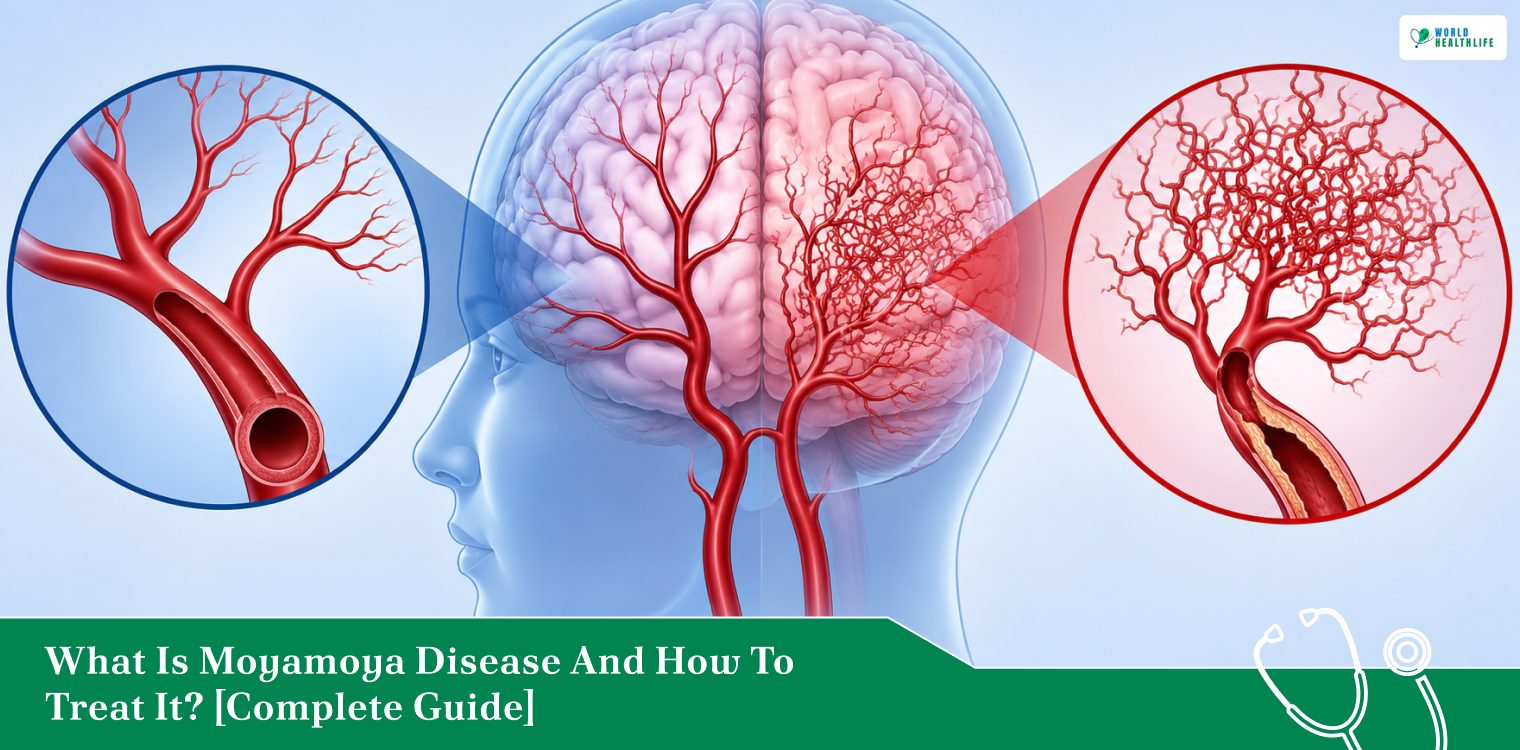
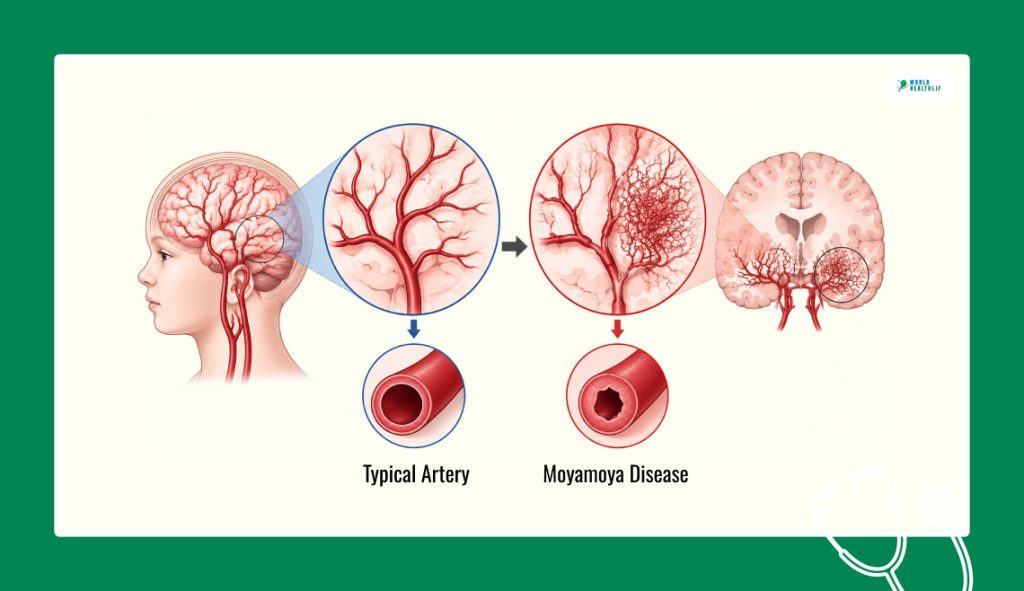
Moyamoya disease is a condition where blood vessels in the brain get progressively damaged, which hinders the supply of blood to the brain.
That is, the internal carotid arteries slowly get narrower. These arteries are located at the base of the skull and are the main routes to bring blood to the brain.
At last, these big vessels may get totally blocked. As a result, the brain may get severely deprived of oxygen-rich blood.
In response to this, the body somehow comes up with a natural protective mechanism. It produces a fragile and tangled network of very small blood vessels as alternate routes around the blockages.
The Meaning Behind The Name
Now that you know what is Moyamoya Disease, let’s talk about where it gets its name from.
When doctors look at these tiny backup vessels on a brain scan, the network looks very hazy. In fact, the word “Moyamoya” means “puff of smoke” in Japanese. [Source: Cleveland Clinic]
The name perfectly describes how these delicate blood vessels appear on an X-ray map.
Who Does Moyamoya Affect? Understanding The Risk Factors
Moyamoya disease can strike anyone, no matter their age or background. Still, clinical research does identify some demographic patterns quite clearly:
Two Age Peaks:
Moyamoya is most often detected in two separate age groups. Firstly, it is the most common in children ages 5 to 10. Later, the disease is most frequent among adults in their 30s or 40s.
Geographic Tendencies:
This disease is largely dominant in East Asian countries such as:
- Japan.
- South Korea.
- China.
Though most of the patients from all ethnic backgrounds worldwide are diagnosed with it by their doctors.
Genetic Markers:
Only a small portion (about 10% to 15%) of cases are familial. These cases are connected to a certain mutation in the RNF213 gene, which researchers have found.
Moyamoya Disease vs. Moyamoya Syndrome
Your doctor may refer to it with slightly different terms, given your medical history.
If the arteries naturally become narrow without any obvious reason, medical professionals refer to it as Moyamoya disease.
But, if the narrowing is due to a certain existing condition in the patient, then doctors term it as Moyamoya syndrome. Typical associated conditions are:
- Down syndrome.
- Sickle Cell Anemia.
- Neurofibromatosis Type 1.
Symptoms And Warning Signs: What Do They Look Like?
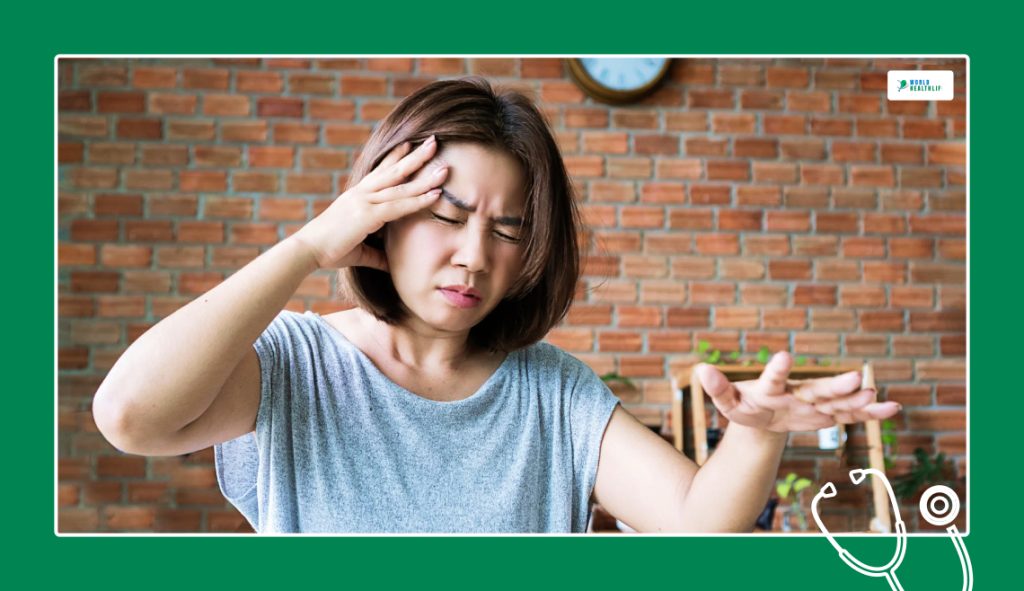
Because the brain lacks consistent oxygen, symptoms can appear suddenly. Alternatively, they can evolve slowly over time. The physical signs look very different in children compared to adults.
Symptoms In Children (The Pediatric Warning Signs)
In young children, the primary warning sign is a transient ischemic attack (TIA). People commonly call a TIA a “mini-stroke.” These episodes happen when a part of the brain experiences a brief drop in blood flow.
Parents should look out for these sudden signs:
- Loss of strength or feeling in an arm or a leg, most of the time changing sides
- Difficulty in speaking clearly or in understanding simple words
- Short-lasting fainting spells, very strong dizziness, or a loss of physical balance
- Uncontrolled, jerky muscle movements or sudden seizures
The Hyperventilation Trigger: It is pretty common for mini-strokes to occur immediately after hyperventilation in children. So, you should be on alert Mainly if the child becomes physically weak after going through an episode of very loud crying, blowing on hot food, doing a firm cough, or running quite fast, etc.
Symptoms In Adults
Adults can also experience mini-strokes. However, they face a much higher risk of hemorrhagic strokes. This means they experience bleeding in the brain.
The tiny “puff of smoke” backup blood vessels are very thin and fragile. Consequently, they can easily rupture under normal or high blood pressure.
Adult symptoms often include:
- Sudden, crushing headaches.
- Unexpected vision changes.
- Cognitive decline.
How Do Doctors Diagnose Moyamoya?
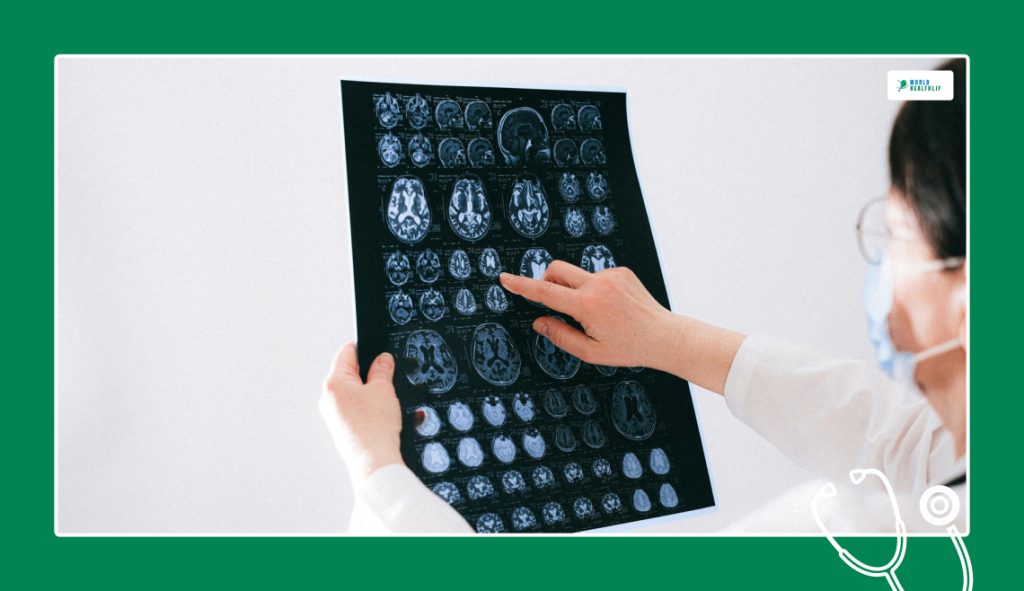
If there is a blood vessel problem suspected by a doctor, you will be sent to a neurologist or a neurosurgeon. In that case, the expert will perform in depth, non-invasive imaging to trace the flow of blood in your brain.
MRI And MRA (Magnetic Resonance Imaging/Angiography):
Thanks to a non-invasive procedure, specialists are able to detect the subtle indications of a past mini-stroke that may have been overlooked. It also enables them to observe the stenosis of the carotid arteries.
DSA (Digital Subtraction Angiography):
At present, this technique is considered a gold standard in making a conclusive diagnosis.
A specialist will insert a very fine tube into a vessel and administer a harmless contrast dye that is harmless.
This dye makes it possible to obtain highly detailed X-ray pictures of the very thin vessel networks.
Treatment Pathways: The Critical Role Of Surgery
At present, there is no drug capable of reversing or preventing the physical narrowing of the arteries.
Your medical team could recommend a low dosage of aspirin to make your blood thinner and reduce the risk of clots. However, Moyamoya surgery is the main, conclusive method of treatment.
Through neurosurgery, an essential alternative route is established. An experienced neurosurgeon constructs a completely new channel to circumvent the obstructed arteries. This immediately brings a fresh, strong flow of oxygen-rich blood to the brain.
Surgical Approaches: Direct vs. Indirect Bypass
| Surgical Feature | Direct Bypass Surgery | Indirect Bypass Surgery |
| The Method | The surgeon stitches a scalp artery directly to a brain artery. | The surgeon lays healthy scalp tissue or muscle onto the brain surface. |
| Blood Flow Speed | It provides an immediate, instantaneous increase in blood flow. | The brain naturally grows new blood vessels into the tissue over several months. |
| Preferred Patient Group | Surgeons prefer this for adult patients with larger blood vessels. | Surgeons prefer this for pediatric patients with tiny blood vessels. |
Living With Moyamoya: Safety Rules For Daily Life
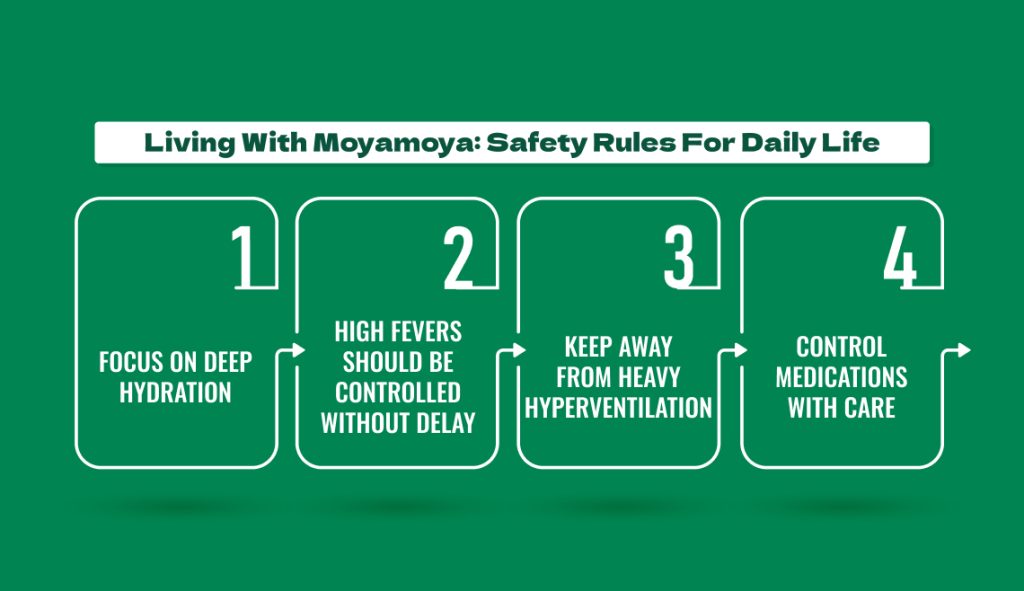
If you are waiting for a scheduled surgery, specific lifestyle adjustments can lower the risk of a mini-stroke. Follow these rules daily:
Focus on Deep Hydration:
Since dehydration reduces the overall blood volume and lowers blood pressure, it often means mini-strokes. That means, a constant supply of water is essential for your child throughout the day.
High Fevers Should Be Controlled Without Delay:
As fever escalation induces a higher requirement of oxygen by the brain, it is recommended to coordinating with the doctor to reduce the fever through appropriate use of fever relievers.
Keep Away From Heavy Hyperventilation:
Rather than letting your child use their breath to cool off hot food or playing with bubbles or wind instruments, try different ways of doing it.
Fast breathing makes changes in carbon dioxide levels in the blood which causes blood vessels to constrict.
Control Medications With Care:
Stay away from the usage of cold and migraine medications that are readily available but which have vasoconstriction (blood vessel narrowing) as a side effect. As a rule, no new prescription should be bought without your neurosurgeon’s permission.
The Road Ahead: Hope And Long-Term Outlook
It is understandably scary to discover that you or your child might be undergoing brain surgery. Then again, the facts in medicine give a very strong message of comfort.
Really, the best thing to do when a specialized team detects Moyamoya at an early stage is to offer timely bypass surgery, the prognosis for the future is excellent.
Actually, most people even live a normal lifespan.
The main advantage of the surgery is that it can stop further damage, protect against new strokes, safeguard the patient’s mental abilities and enable the person to resuming active, satisfying lifestyle.
Have faith in your medical team, if necessary, ask for a second opinion from a specialist of Moyamoya and remember that medicine has a well-known and very successful plan to preserve your family’s brain health.


