Managing acute nighttime pain while trying to secure restful sleep requires a delicate pharmacological balance.
For many individuals who face temporary sleep fragmentation due to minor aches. Over-the-counter combination medications offer accessible options.
Specifically, Tylenol PM stands as a prominent nighttime pain reliever and sleep aid combination.
However, using this dual-ingredient formulation requires a clear understanding of its distinct chemical timelines.
When you seek answers on how long does Tylenol PM last, the direct clinical response must look past a single and generic time window. This medication contains two separate active ingredients with different breakdown rates.
That means the pain-relieving effects and the sleep-inducing sedative properties do not clear your body at the exact same moment.
Navigating the use of this combination sleep medicine requires an intimate look at how your body processes each chemical and the precise milestones that dictate your morning alertness.
Besides this, you also need to know the strict safety boundaries that are needed to prevent liver injury or dangerous drug interactions.
When To Consume Tylenol PM

This combination medication is explicitly engineered for a highly specific scenario.
That is, temporary and minor night-time aches paired with acute sleeplessness. It is a common clinical error to take this drug as a general daytime pain reliever or as a standalone treatment for long-term insomnia.
The drug introduces an active, sedating antihistamine into your bloodstream. Thus, consuming it when you do not intend to get a full night of sleep can cause intense daytime grogginess, slowed motor reflexes, and cognitive fog.
Proper usage is limited to situations where acute structural issues, such as temporary dental ache, mild muscle strain, or minor arthritis flare-ups.
These can directly cause your inability to fall asleep.
How Long Does Tylenol PM Last
In order to accurately track how this drug works inside your system, you have to split the medication into its two distinct chemical components.
They are:
- Acetaminophen: 500mg
- Diphenhydramine HCl: 25mg
While the pain-relieving element clears your organs relatively quickly, the sedating antihistamine possesses a significantly longer metabolic lifespan.
This difference explains why you might find your aches returning in the middle of the night even though you still feel intensely drowsy.
Timeline of Effects
The breakdown below outlines exactly how the dual-action formula is absorbed, peaks, and clears from a healthy adult body over a standard ingestion cycle.
| Pharmacological Phase | Acetaminophen (Pain Reliever Element) | Diphenhydramine HCl (Sleep Aid Element) | Unified Systemic Impact |
| Start Time | 15 to 30 Minutes | 20 to 30 Minutes | Early systemic absorption begins Minor physical aches begin to soften as initial drowsiness takes root. |
| Peak Performance | 30 to 60 Minutes | 1 to 2 Hours | Complete plasma concentration is achieved Maximum pain relief matches deepest sleep-inducing sedation. |
| Active Duration | 4 to 6 Hours | 4 to 8 Hours | Pain relief fades after 6 hours The sedative properties continue to depress the nervous system. |
| Systemic Clearance | 12 to 24 Hours | 24 to 48 Hours | The liver fully metabolizes it But chemical traces remain detectable in your organs for up to two days |
Start Time
The onboarding process begins rapidly after oral ingestion.
That is, both active compounds pass through the stomach lining into the bloodstream within 20 to 30 minutes.
Peak Time
The pain-relieving element achieves its maximum concentration in your plasma within the first hour.
Conversely, the sedative sleep aid requires a full one to two hours to reach its peak impact on your central nervous system.
Pain Relief
The therapeutic window for pain management is relatively brief. Furthermore, it provides relief for 4 to 6 hours before the liver successfully metabolizes the acetaminophen molecules.
Sleep Aid
The sleep-inducing properties outlast the pain relief.
It further goes on to continue to exert a strong sedating influence for 4 to 8 hours due to the longer half-life of diphenhydramine.
How Does Your Body Process Tylenol PM
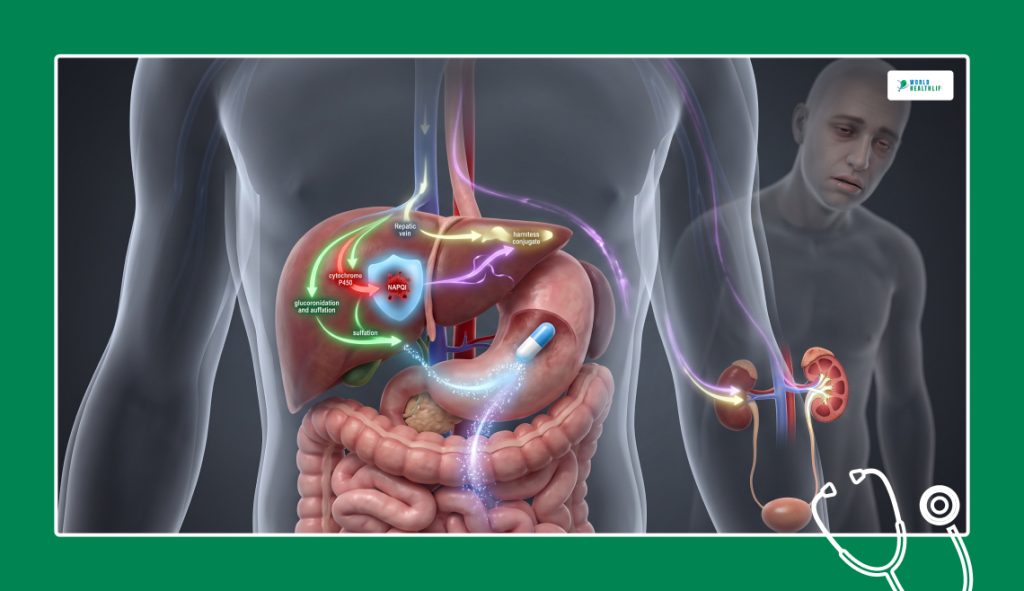
Understanding how long does Tylenol PM last requires examining how your liver and kidneys break down and clear the medication. Once the pill dissolves, acetaminophen travels to the liver.
Here, it is broken down through specialized pathways. A small portion of this process creates a highly toxic intermediate byproduct called NAPQI.
In a healthy body, the liver uses its natural stores of an antioxidant called glutathione to instantly neutralize this toxin. Following this, it turns it into a safe waste product that your kidneys can easily filter out into your urine.
Meanwhile, diphenhydramine is processed through a completely separate enzyme pathway in the liver. This sedating antihistamine has a much longer half-life, ranging from 4 to 13 hours in healthy adults.
It takes your system several hours to clear just half of the active drug. Therefore, the chemical continues to circulate through your bloodstream long after your alarm goes off.
This long clearance window is the primary biological reason behind the classic “antihistamine hangover.”
Furthermore, users experience heavy limbs, dry mouth, and sluggish thinking the next morning.
Safe Usage Rules
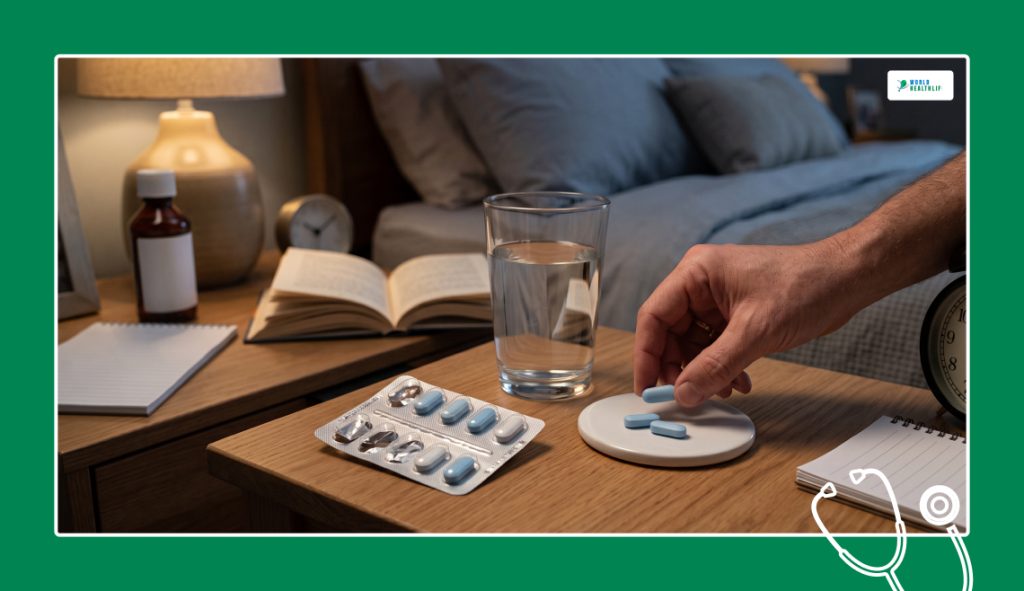
To prevent accidental toxicity, you must treat this over-the-counter medicine with the same strict care as a premium prescription drug.
Following precise safety guidelines protects your organs from unexpected chemical stress.
Dosage Of Tylenol PM
The standard adult dose is exactly two caplets consumed at bedtime. This specific serving delivers 1,000 mg of acetaminophen paired with 50mg of diphenhydramine hydrochloride.
You should always consume the caplets with a full glass of water. Crucially, you must never take this dose if your upcoming sleep window is cut short.
Additionally, it should also not be taken right before you need to operate a motor vehicle or start a work shift. It is regardless of what time of day that shift starts.
Absolute Daily Limit
The absolute maximum daily limit for acetaminophen is 4,000 mg within a 24-hour window.
Because each nighttime dose contains 1,000 mg, you must carefully audit every other over-the-counter remedy you take during the day.
The list includes treatment medications such as cold syrups, sinus pills, or allergy caps. This allows you to ensure you do not accidentally cross this toxic threshold.
Maximum Treatment Duration
This combination sleep medicine is designed strictly for short-term relief. You should never use the medication for more than 10 consecutive days without explicit medical supervision.
If your underlying pain or sleeplessness persists past this 10-day mark, it indicates a deeper structural or neurological issue.
Instead, it would require direct clinical evaluation from a physician.
Side Effects
Even when you follow the instructions perfectly, the combination formula can trigger a predictable wave of secondary physical reactions.
These symptoms stem entirely from how the active compounds interact with your resting central nervous system.
Anticholinergic Systemic Drying
The most frequent side effects emerge because the antihistamine component actively blocks moisture production across your body’s mucosal linings.
Users routinely experience an intensely dry mouth, a scratchy throat, localized constipation, and mild blurred vision.
Neurological Hangover Manifestations
On a neurological front, the long half-life of the sedating element continues to circulate through your system long after your alarm goes off.
This lingering presence causes mild morning dizziness, deep grogginess, unsteadiness when standing up quickly, and occasional vivid dreams.
This happens as the chemical shifts your natural REM sleep cycles.
Harmful Effects Of Overconsumption
Exceeding the recommended daily boundaries of this over-the-counter medication can quickly escalate into a severe, life-threatening medical emergency.
The danger centres on the rapid depletion of your body’s natural liver-protective mechanisms.
Acute Hepatic Necrosis And Cellular Failure
If you consume excessive amounts of acetaminophen in a day, your liver completely runs out of its natural glutathione reserves.
Without this protective antioxidant, a highly toxic intermediate byproduct called NAPQI builds up unchecked. Consequently, it directly kills liver cells and triggers acute liver failure.
This structural organ damage is exceptionally dangerous because the early symptoms are completely silent. Additionally, it would first start as mild nausea or a loss of appetite.
Then it goes on to manifest as jaundice and permanent liver destruction days later.
Anticholinergic Toxic Syndrome
Simultaneously, a massive overdose of the diphenhydramine component overstimulates your nervous system and puts dangerous stress on your heart.
This toxic state causes a wide variety of adverse effects including the following:
- severe heart palpitations
- rapid heart rates
- dangerous urinary retention
- intense muscle tremors
- extreme confusion
- life-threatening hallucinations.
Management for Special Populations
Specific groups must exercise extreme caution or completely avoid this combination medicine due to how their bodies clear synthetic chemicals.
| Vulnerable Patient Group | Primary Physiological Failure Mechanism | Critical Clinical Warning Signs & Risks |
| Geriatric Demographics | Significant structural slowdown in liver enzyme production and renal clearance. | Prolonged diphenhydramine accumulation causing severe morning cognitive fog High risk of acute urinary retention, profound dry eyes, and accidental falls |
| Hepatic Impairment Cases | Depleted glutathione reserves and compromised cellular pathways cannot process acetaminophen. | Accelerated localized tissue necrosis even under standard over-the-counter dosages Jaundice, hidden abdominal pain, and potential progression toward liver failure |
| Obstetric & Nursing Mothers | Active chemical compounds readily cross the placental barrier and pass into human breast milk. | Infant exposure to synthetic sedatives causing atypical lethargy or breathing changes Requires explicit clearance from your obstetric team before the first dose |
Restoring Balance Safely
The knowledge of how long does Tylenol PM lasts allows transformations in the medication from a casual over-the-counter quick fix into a precise clinical tool.
Additionally, the platform succeeds at providing short-term relief. That is because its dual-action design coordinates targeted pain blocking alongside deep central nervous system sedation.
However, you must respect the metabolic timelines of your body.
Relying entirely on combination sleep medicines to mask chronic pain or long-term insomnia exposes your liver and nervous system to ongoing, unnecessary chemical strain. The risk increases when you do so without addressing the root causes.
You can successfully protect your systemic health. First, track your cumulative daily dosages.
Following this, honor the 10-day usage limit and switch to non-sedating pain relievers or natural behavioral sleep adjustments when your short-term window expires.
It takes careful tracking and deliberate patience. However, it would allow your body to rest safely and recover with complete, long-term physical resilience.
Disclaimer: The information provided in this article is for general informational purposes only. It does not, and is not intended to, constitute medical or health advice. Please consult a qualified healthcare professional for medical guidance or expert health assistance.
References
- Tylenol. (2026, August 12). TYLENOL® PM Extra Strength. Tylenol.
- PharmD, B. J. B. (2025, October 24). Tylenol products for sleep. WebMD.
- Acetaminophen and diphenhydramine | Memorial Sloan Kettering Cancer Center. (2023). Memorial Sloan Kettering Cancer Center.