Have you recently just found out you might be pregnant? Or waiting for the final report from the doctor anxiously?
Meanwhile, you can easily diagnose a lot of important things. At first, consider whether you have pain. It might not be a prominent one, but damp and dull. Often, you feel weird cramps in your abdomen, too. Try to act on these signals quickly.
So is everything normal? Or do these signs mean you should call the doctor immediately?
Relax. Don’t panic, there is nothing wrong with you. Increased discharge is a common sign of early pregnancy. Doctors call it the early pregnancy discharge.
On the contrary, it is a good sign that makes you aware of your pregnancy much early. What more can an early pregnancy discharge tell you?
What Is Vaginal Discharge?
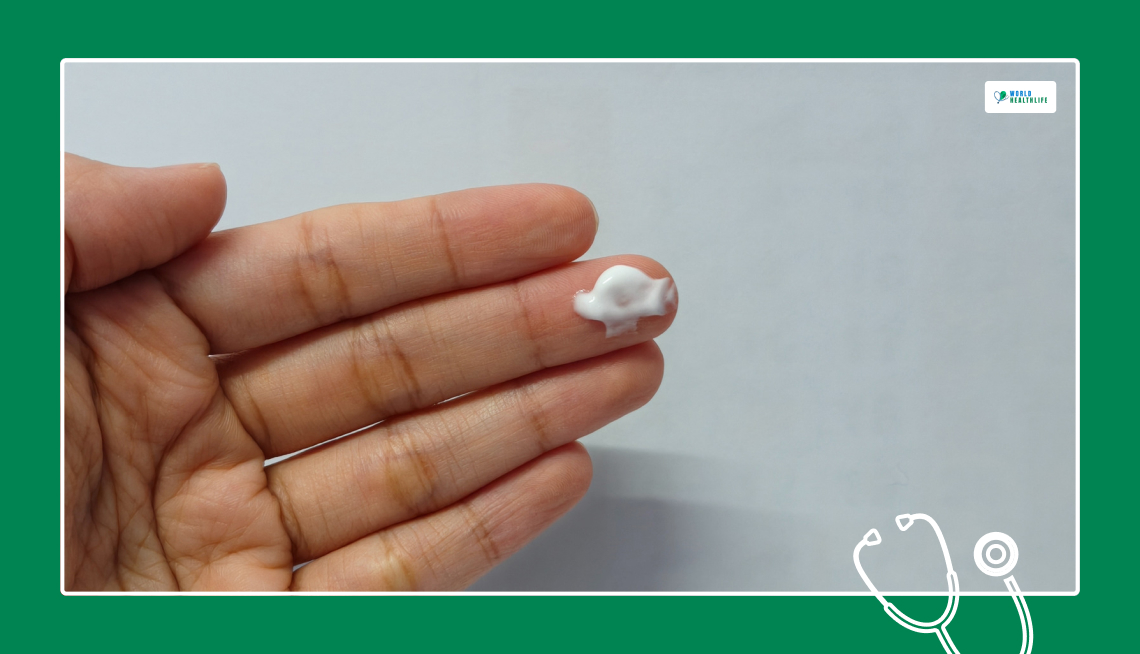
The body produces a fluid by default. When fluid leaves the body through the vaginal tract, it is called vaginal discharge. But contrary to what many people assume, it is not an indicator of Something wrong with the body.
Often, we see early pregnancy discharge when the cervix produces mucus during your cycle. However, that is a clear indicator of hormonal change.
Whether it’s ovulation, before the menstrual cycle hits, or during early pregnancy, hormonal discharge can cause vaginal discharge.
Healthy VS. Unhealthy Discharge: How To Tell The Difference
Normal, healthy discharge is:
- Thin in texture
- Clear or milky white in color
- Mild in smell or has no smell at all
That’s it. There are rarely more variations than that.
What to do: If your discharge matches that description, you’re most likely fine. Unhealthy discharge looks different. Therefore, you need to watch out if yours is:
- Foul-smelling
- Green or yellow
- Chunky or cottage-cheese-like
- Accompanied by itching, burning, or pain when you pee
Quick fix: Any of those signs means you need to take the doctor’s advice. Don’t Google yourself into a spiral. Act as your doctor says! To maintain health during this stage, follow the 1 to 3 month pregnancy diet chart.
Early Pregnancy Discharge: What’s Actually Happening?
In a sample study, a patient said this about early pregnancy discharge:
“I kept thinking I was getting my period. There was more moisture than I’d ever noticed before. But it was clear and didn’t smell like anything. I was four weeks pregnant and had no idea.”
This is how many women actually discover what is happening to them. So now let’s address the question: what causes the early pregnancy discharge?
According to the NHS, early pregnancy discharge is associated with a high degree of protection. The heavier fluid flow indicates a barrier that prevents infections from ascending into the urethral chamber.
What Does It Actually Look Like?
If it is the healthy kind of early pregnancy discharge, it goes by the name of leukorrhea. It’s the same type of discharge you may have noticed before. In simpler words, it usually looks:
- Thin and watery or slightly sticky
- Clear to milky white
- Mild or odorless
What To Do? The discharge volume is the key here. For instance, if the discharge is clear and has no unpleasant odor, it means your body is in good condition.
That’s the first prenatal observation you should not miss. Again, if this continues during the first trimester, consult your doctor. Meanwhile, get the fetal heart rate checked as well.
Other Things That Can Change Your Discharge
Your discharge volume and quality depend on many other things. For example, multiple factors can alter how your discharge smells and feels in your hand.
Remember, there are plenty of horizontal changes and quick alterations that you cannot miss. As a result, you need to know why you see what you see:
| What You See | What It Might Mean |
| Thick, chunky, cottage cheese texture | Yeast infection (thrush), which is very common in pregnancy |
| Fishy smell, thin and grayish | Bacterial vaginosis |
| Yellow or green, possibly frothy | Trichomoniasis (a common STI) |
| Yellow or green with pelvic pain or bleeding | Possible chlamydia or gonorrhea |
| Discharge from blisters or sores | Could indicate genital herpes |
During pregnancy, many women suffer from yeast infections. But why does yeast grow? The internal environment is favorable for yeast growth due to the hormonal balance at this stage.
Other Early Signs of Pregnancy
Discharge by itself doesn’t really confirm anything. People often look for one clear sign, but pregnancy rarely works like that.
It’s usually a mix of small changes that start showing up together. Some of the early things people notice are pretty familiar:
- A missed period (this is the one most people pick up on first)
- Breasts feeling sore or slightly heavier than usual
- That wave of nausea, especially in the morning, though not always
- Suddenly wanting certain foods or suddenly undergoing an appetite loss, where even the smell puts you off
- Feeling tired in a way that’s hard to explain
- Going to the bathroom more often than you normally would
- Random headaches here and there
- Mood swings that don’t quite match the situation
- A bit of bloating or light cramping
However, I must clarify that a single missed period does not conclusively tell that you are pregnant. Again, there are several reasons that can lead you to miss a period:
- Feeling stressed
- Fluctuations of body weight
- Taking birth control pills
Any of the issues can set off a temporary surge in the body. As a result, the body caps in the outflow. In the same vein, many people prefer to take a home pregnancy test. That’s a private way to understand what you’re going through.
What to do: There will be at least some clearly visible signs when you are pregnant. The bet partis that most of these signs will always show up together. As a result, when they appear, you will know that it is the case of early pregnancy.
When Should You Actually Call A Doctor?
Most people actually delay calling a doctor. But please do not make the same mistake. The early pregnancy discharge gives you obvious signs that you are pregnant. However, you still need a doctor to verify it.
In addition, you can confirm a pregnancy with a home test. However, you need a doctor to make the final call. In this connection, you must also know when you should actually start worrying and go see a doctor rather soon:
- Your discharge has a strong or unusual smell
- There’s itching, burning, or pain alongside it
- You see any blood that doesn’t match a normal period, this can sometimes be implantation bleeding. But it can also signal something that needs attention)
- When Something just feels “off” trust that instinct
The Short Version
Your early pregnancy discharge should be less dense, clear, and preferably white. At the same time, it should not smell foul. But I hope you now understand why it happens.
Simply put, it happens due to the rise in estrogen. Therefore, the body starts working in a fight-or-flight response. Its main goal is to protect pregnancy.
Can you relate to what you have read so far? Then it is nothing serious. But you should start worrying when the discharge looks yellowish or starts to smell bad.
For instance, when the discharge is greenish or seems chunky, that is a very bad signal. In that condition, your prime goal should be to see a doctor as soon as possible.
Each of these cases indicates you are experiencing a serious condition. The doctor will verify what it is and how serious it is.
Disclaimer:
This article is only meant for sharing information. It offers no actual medical help. If you are facing genuine health concerns tt is always better to see a doctor first.