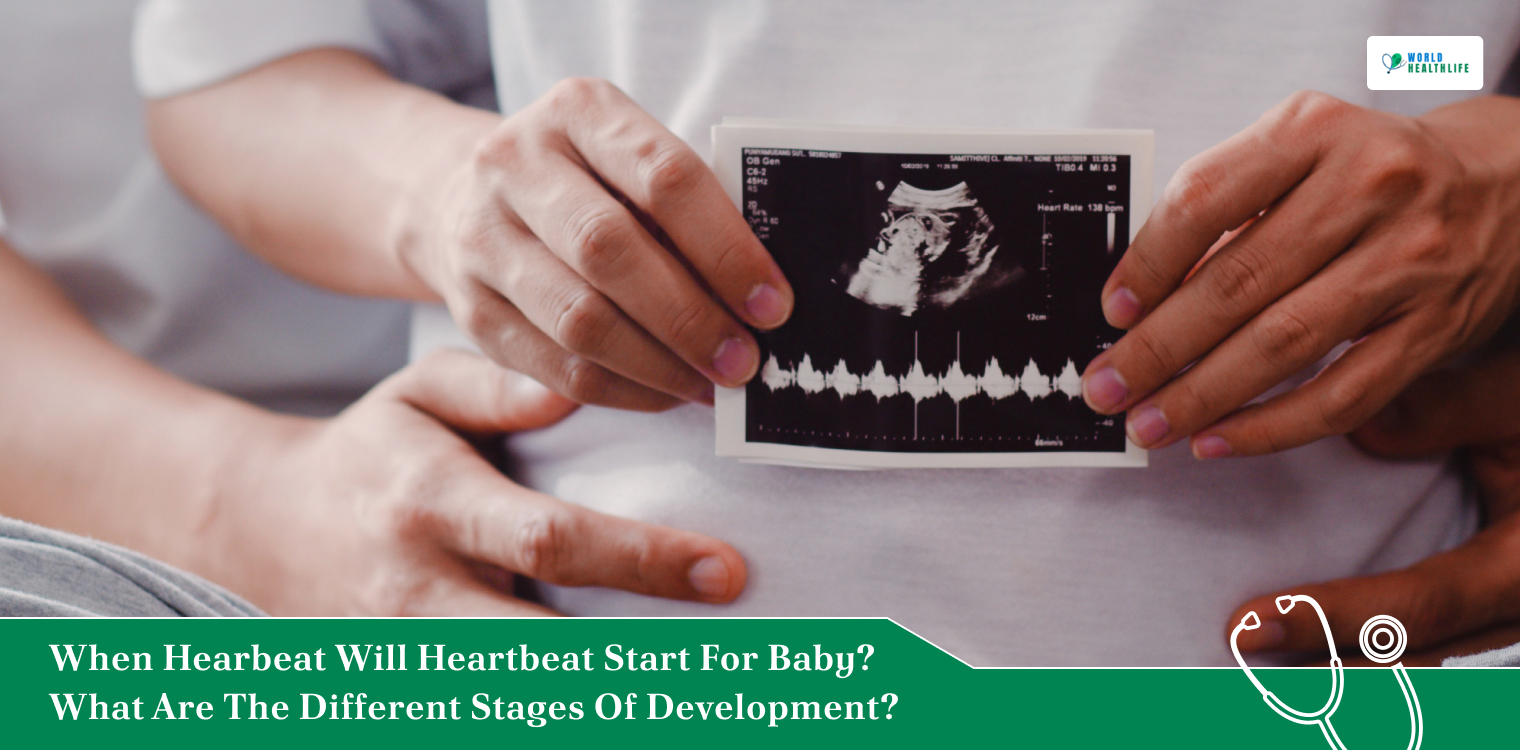
The most exciting thing for a mother is to hear the heartbeat of their baby. That thump sound changes the world for a newly expecting couple.
This marks the beginning of their parenthood. People often find it difficult to differentiate the sound of their baby’s heartbeat from one check up and another.
However, these differences remain significant. The variations represent different stages of growth for your baby.
Several big changes happen to the heart and the circulatory system in the baby’s body. In this article, we will learn how the essential system of your baby generally evolves.
We will also understand when the heartbeat will start for the baby.
When Will Heartbeat Start For Baby?
By week five after your pregnancy, a cluster of cells will start to form the heart of your child. Slowly the will also start to develop a pulse.
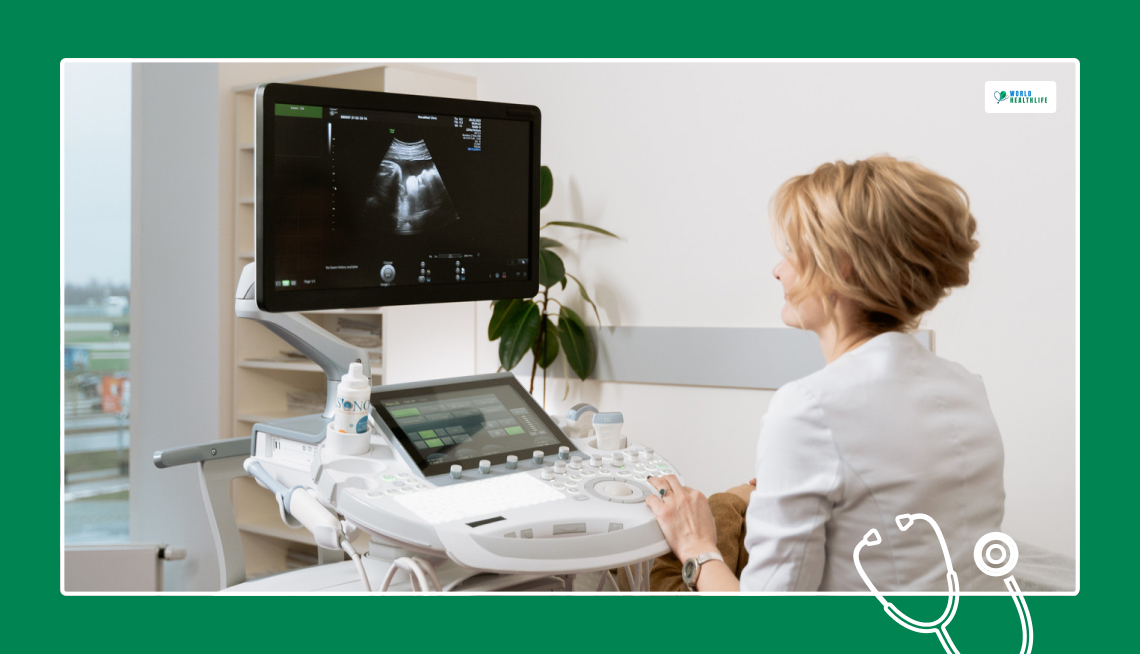
When you go for a trimester ultrasound after at least six weeks of pregnancy, your practitioner or a trained sonographer can check on the embryonic cardiac activity.
The results from the ultrasound determine the overall estimated due dates. You also get to learn about the number of babies that you might be carrying.
If you go for an ultrasound after week 17-20 of pregnancy, you will find that the chambers of the baby’s heart have further developed.
When Can We Hear The Heartbeat Of The Baby?
People often witness cardiac activities of their baby from the first 6 weeks of their prenatal appointments. However, the timing of detection generally varies.
Your baby often hides in the corner of the uterus. Or the baby can also be in a posture that is back-facing.
Thus, during these situations, the ultrasound generally finds it difficult to pick up any heartbeat. But you can hear the sound of the heartbeat of your baby, probably in the next session of USG.
After 20 weeks from pregnancy, parents generally get to hear and see the heartbeat of the baby. The doctors refer to this ultrasound as the liver 2 ultrasound.
What Is The Normal Fetal Heart Rate?
After 6 weeks, the embryonic heart cells generally pulse at the rate of 110 times per minute.
After two more weeks, the fetal heart rate starts to beat at around 150-170 times per minute. The fetal heart rate is generally 2 times that of an adult human being.
By week 9 or 10, the heart rate generally hovers around 170 beats per minute. The heartbeat generally slows from now on.
After week 20, the heart rate goes down to around 140 beats per minute. The typical fetal heart rate can span from 110 to 160 beats per minute.
However, there can be variations in this order and the rate of heartbeats.
When Will Heartbeat Start For Baby, and When Will You Be Able To Hear It With Doppler?
It usually takes about 15 weeks to detect fetal cardiac activity with a Doppler. The health care practitioner shall place the handheld ultrasound device on the belly.
This will amplify the sound of the heartbeat of your baby in your womb. You can always buy a fetal doppler at home.
However, the experts urge you not to purchase one until you are under medical supervision. Often, the online ones are not as good as the equipment used by the doctors.
Thus, these devices often do not provide you with accurate results. Thus, this can lead to unnecessary stress and fear among people.
How Does the heart and circulatory systems of the baby develop?
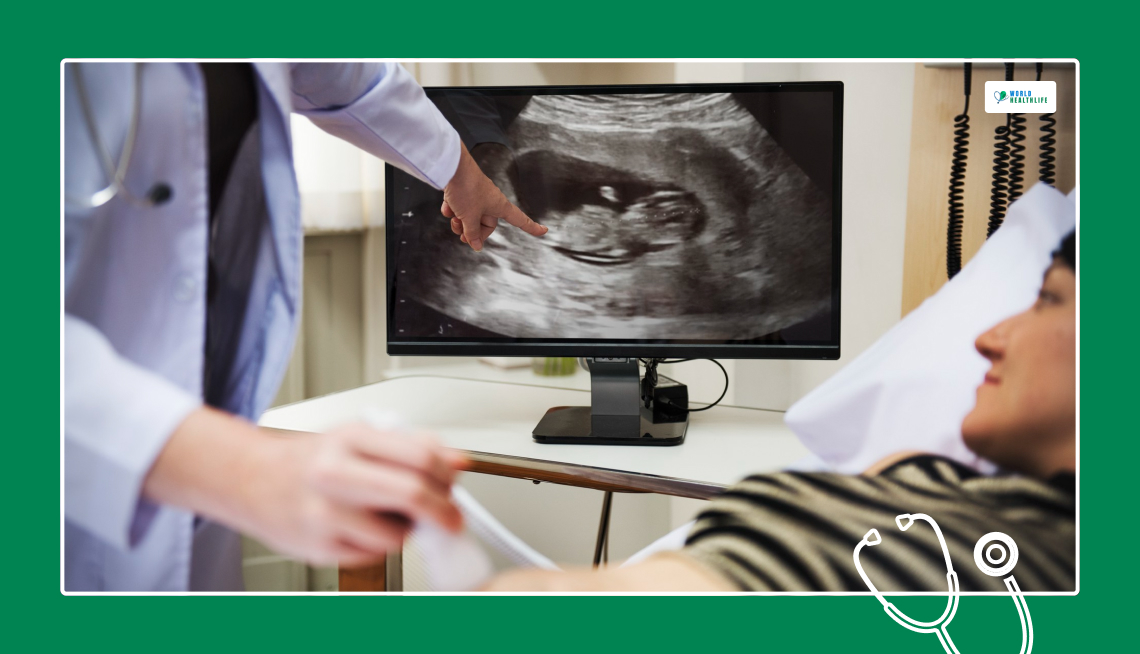
The development of the embryonic heart generally starts long before pregnancy. In addition, the heartbeat of your baby continues to change.
This change in heart rate continues even after the baby’s birth. Moreover, this occurs when the baby becomes accustomed to the transition from the womb to the earth.
1. The First Trimester Development
A distinct cluster of cells generally form with in the embryo by week four. This soon develops into the baby’s heart and circulatory system.
The preliminary structure in your baby’s heart starts to spontaneously pulse. Eventually. The precursor blood vessels also start to form an embryo during the first few weeks,
2. The Second Trimester Development
The fetal brain generally begins to regulate the heartbeat in preparation for life after birth after 17 weeks.
The cardiac electrical activities generally develop spontaneously after this point.
In addition, the capillaries form at an exponential rate after the second trimester. Moreover, these tiny, tiny blood vessels deliver all the oxygenated blood to the tissue in the baby’s body.
Eventually, they recycle the deoxygenated blood back into the system. After a span of 17 to 20 weeks, the heart chambers slowly develop enough.
Thus, they become clearly visible in the ultrasound. During this time, the doctor conducts the second-trimester anatomy scan.
Hence, they check for all the potential congenital defects. During this phase, the doctor carefully checks the entire structure of the baby’s heart.
The doctors can also suggest a fetal echocardiogram between the span of 18-24 weeks of pregnancy.
This will allow them to get a better idea of the heart rate and the heartbeat up close in a much more detailed way.
You should always ask for a fetal cardiogram when you have congenital heart defects in your bloodline. These defects and diseases are mostly hereditary.
3. The Third Trimester Development
The last and third trimester is very crucial, as during this time the heart and the circulatory system of the baby get ready for the outside world.
This is the time that ensures the baby becomes absolutely ready after 40 weeks to stay outside the womb.
How Does A Fetal Heart Work?
The circulatory system of the fetus develops quite rapidly. However, works very differently outside the womb from how it used to work before birth.
The lungs of a baby does not function inside the uterus. Moreover, they do not have to breath inside their mother’s womb.