Receiving a rare medical diagnosis can feel incredibly overwhelming. This is especially when the condition is so uncommon that most people have never even heard its name.
If you are a parent, patient, or caregiver seeking information about Ribose-5-Phosphate Isomerase (RPI) deficiency, worry is a completely normal feeling.
Navigating a health journey with limited information is challenging.
However, understanding the underlying science of how this condition affects the body is the first step toward effective management.
This guide aims to break down the complex medical terminology surrounding RPI deficiency into clear, accessible concepts.
Furthermore, it will offer clarity on its symptoms, causes, and contemporary care strategies.
What Is RPI Deficiency?
RPI deficiency is a very rare condition that hampers the body’s ability to process sugar. We get this genetically from our parents, that is, our genes mutation causes this disease.
The role of RPI is not just in metabolic function. This enzyme is involved in the regulation of cell signaling pathways and response to oxidative stress.
RPI has been shown to be involved in neurodegenerative disorders and metabolic disorders associated with polyol accumulation (ribitol and arabitol) in body fluids.
The presence of these metabolites results from a defect in the PPP, leading to neurological impairment/or developmental delays and motor dysfunction.
Quick Overview
To make this article easier to read, keep these key terms in mind.
| Acronym | Full Form | Meaning |
| RPI | Ribose-5-phosphate isomerase | The vital enzyme |
| PPP | Pentose Phosphate Pathway | The chemical sugar pathway |
| RNA | Ribonucleic Acid | The cellular genetic material |
What Happens To People Suffering From RPI Deficiency?
To put it more simply, your body cells use a chemical pathway (the PPP) to process sugar, make genetic material (RNA), and protect cells from damage.
Basically, the RPI in your cells acts like a “traffic light,” signaling one kind of sugar to another so that your body maintains a proper balance.
Now, if your genetic is slowly changing, the “traffic light” slows down and does not work properly.
So, what does it lead to? It leads to the creation of toxic byproducts called polyols that gets build up in your body or brain.
This deficiency is so rare that there are only four confirmed cases worldwide.
Signs and Symptoms
Among the four cases, signs appear in infancy or early childhood. These are some signs and symptoms that medical professionals have identified:-
- Psychomotor delay
- Epilepsy (Seizures)
- Slow understanding since childhood
- Spasticity (Abnormal electral activity in the brain)
- Optic atrophy (Vision/hearing issue)
- Sensorimotor neuropathy
- Cerebellar ataxia (loss of coordination)
- Leukoencephalopathy (changes in “white part” that affect the nerve signals)
Medical professionals have identified several consistent signs and symptoms, which predominantly impact the nervous system.
Most notably, patients present with psychomotor delays and epilepsy, resulting in seizures.
Furthermore, individuals often experience slow cognitive development alongside spasticity. This manifests as abnormal electrical activity in the brain, causing muscle stiffness.
Over time, this can be accompanied by optic atrophy, which causes severe vision and hearing issues.
Finally, patients frequently display sensorimotor neuropathy and cerebellar ataxia.
Consequently, this results in a significant loss of physical coordination and leukoencephalopathy. This is a condition causing degenerative changes in the “white matter” of the brain that block regular nerve signals.
Common Complications
When dealing with an extremely rare genetic metabolic disorder like RPI deficiency, patients generally experience common complications as extended, long-term versions of their initial symptoms.
While early symptoms show structural challenges, complications represent the more severe consequences of the disease as it progresses over time.
The disease alters core metabolism. Therefore, it can cause secondary deficiencies that require constant clinical monitoring.
For instance, a lack of Riboflavin (Vitamin B2), which is crucial for cellular energy production, can cause cracked lips and severely inflamed or tough skin disorders.
Similarly, a deficiency in Pyridoxine (Vitamin B6) impacts nerve function, red blood cell production, and amino acid metabolism.
This causes neurological symptoms like numbness and progressive muscle weakness.
Lastly, iron deficiencies can disrupt the production of hemoglobin, leading to chronic fatigue, pale skin, and severe anemia.
Types of RPI Deficiency:
Based on what the doctors have observed, there are typically two types of RPI deficiency: Type A and Type B.
- Type A: Severe symptoms found during infancy
- Type B: Symptoms start showing up in later childhood or adulthood
As it is extremely rare, it has not been categorized as a distinct medical type. These are some factors to keep under constant monitoring:
- Riboflavin (Vitamin B2) Deficiency: Crucial for energy production. A lack of Riboflavin can lead to cracked lips, inflamed skin, and tough skin disorders.
- Pyridoxine (Vitamin B6) Deficiency: Essential for nerve function, red blood cell production, and amino acid metabolism. Lacking this leads to neurological symptoms like numbness and muscle weakness.
- Iron Deficiency: Iron is essential for the production of hemoglobin in red blood cells. Low hemoglobin levels can lead to fatigue, pale skin, and anemia.
How Is Type A Different From Type B?
Type A and B are different, unrelated forms of RPI deficiency (RpiA and RpiB).
It is not a different kind of disease, but rather different kinds of enzymes found in their respective forms.
Type A (RpiA)
The RPIA gene produces the specific version of the enzyme found naturally in the human body. Moreover, this is responsible for converting Ribulose 5-phosphate into Ribose 5-phosphate within the Pentose Phosphate Pathway.
In simpler terms, this enzyme collects a 5-carbon sugar molecule and shapes it into Ribose 5-phosphate.
Without a properly functioning human RPIA enzyme, the body struggles to correctly structure the basic building blocks of DNA or RNA.
Type B (RpiB)
In contrast, the human body does not naturally contain the RpiB enzyme’s structural form anywhere.
Instead, the organisms that possess the RpiB form include fungi, specialized bacteria like Mycobacterium tuberculosis, or parasites like Trypanosoma brucei.
It is completely absent from human biology. So, scientists frequently study the RpiB structure as a potential drug target for developing highly targeted new antibiotics.
What Causes RPI Deficiency?
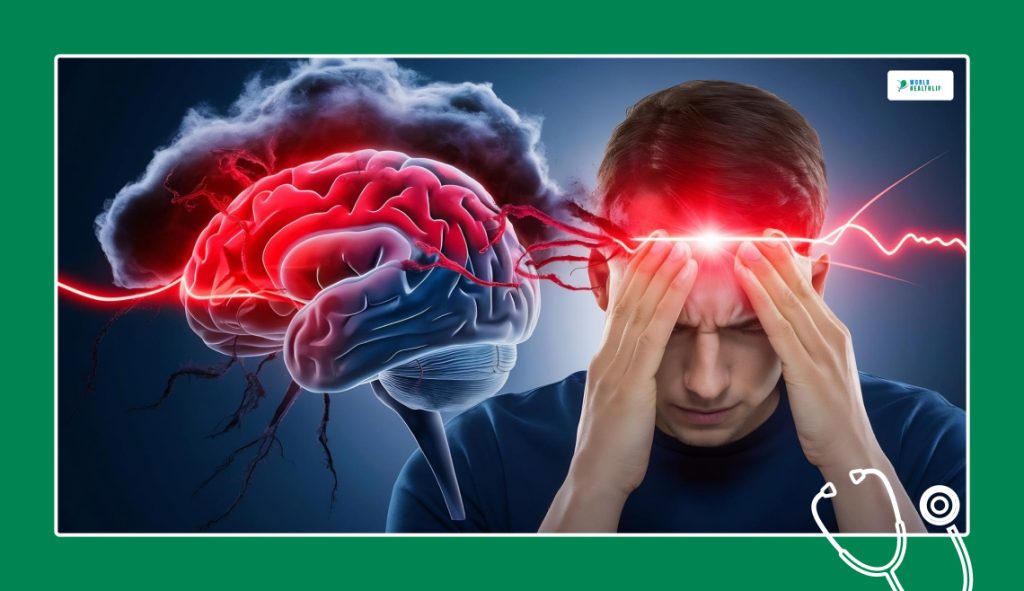
Some of these disruptions lead to the buildup of toxic metabolites. It is intertwined with various other complications associated with this deficiency and weakens one’s immune system.
- A genetic mutation in the RPI gene impacts the ability to produce the RPI enzyme.
- Certain medications and toxins can disrupt RPI activity, increasing RPI deficiency within cells.
- Chronic liver disease also causes RPI deficiency. It is essential for normal RPI metabolism.
- If your body does not get sufficient nutrients for RPI to function, severe malnutrition can contribute to RPI deficiency.
- RPI deficiency is an autosomal recessive disease.
- One of the either parent’s faulty gene act as a carrier gene and is passed on to their child.
How Is RPI Deficiency Diagnosed in 2026?
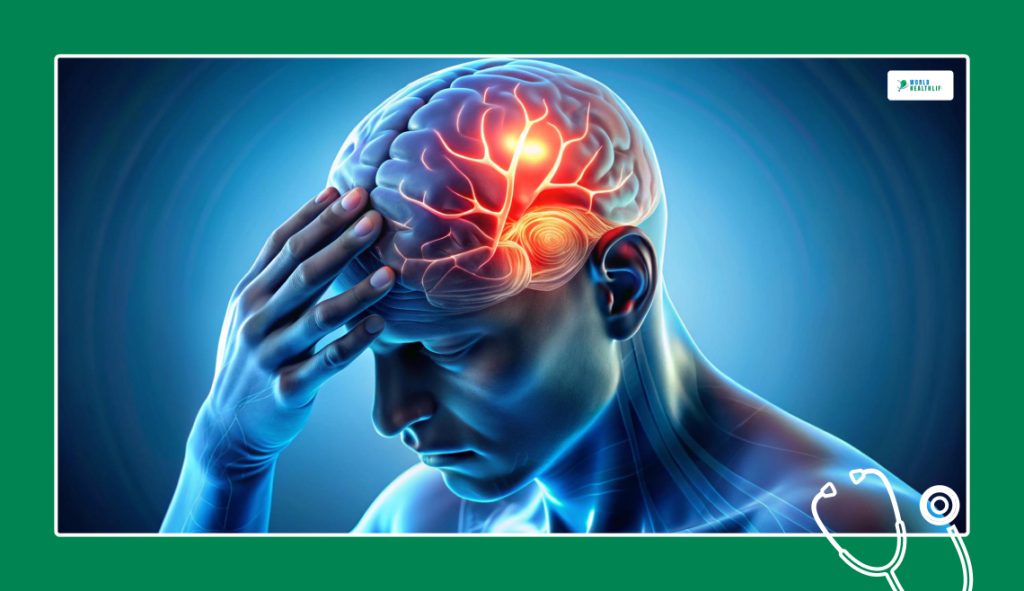
If you find any of the signs or symptoms similar, or you know someone who has RPI deficiency, or you want to make sure you are out of the deficiency zone, the doctors will conduct a blood test or genetic testing to measure RPI enzyme levels.
- Genetic sequencing: analysis of the RPIA genes determines the pathogenic mutation causing the deficiency.
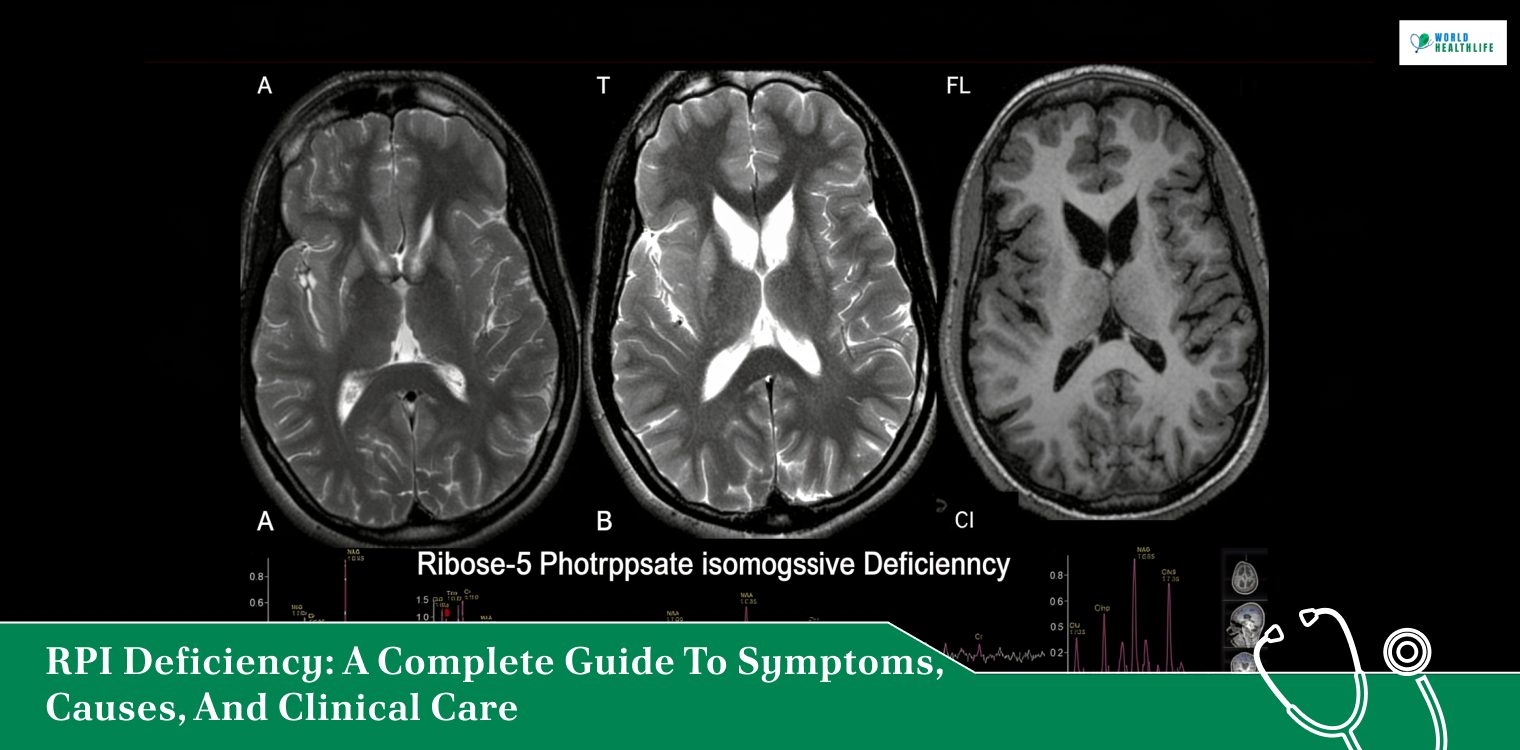
- MRI: Reveals progressive changes in the white matter of your brain.
- Biomarker metabolic testing:
- Urine and plasma testing
- Enzyme analysis
Additionally, specialists utilize Magnetic Resonance Imaging (MRI) scans of the brain. This can clearly reveal progressive, degenerative changes occurring within the brain’s white matter.
To confirm these findings, biomarker metabolic testing is performed using comprehensive urine and plasma evaluations alongside direct enzyme analysis.
These tests allow doctors to accurately measure the exact RPI enzyme levels and track the presence of elevated polyols in the body.
Latest Treatment Options in 2026
Let’s be honest, there is no cure for RPI deficiency so far, given its extreme rarity. Yet some of the supportive care is still available:
- Enzyme replacement therapy
- Occupational therapy
- Speech Therapy
- Vision management
- Dietary modification
- Uniform monitoring
- Neurological care
Dietary Plans For RPI Deficiency
Since clinical management is the primary pillar of patient support, structured dietary plans play an important role in daily life.
First and foremost, strictly limit overall refined sugar intake and avoid foods the digestive system finds difficult to process.
To maintain a safe and healthy dietary status, families should work with metabolic dietitians to ensure the body remains well-nourished with an ideal balance of macronutrients and essential micronutrients.
Crucially, it is best to completely prevent prolonged fasting periods unless under direct medical supervision.
This is because fasting can place unnecessary stress on altered metabolic pathways.
Instead, meals should focus on balanced, whole foods like fresh fruits, vegetables, and whole grains.
Finally, caregivers must strictly avoid providing commercial Ribose supplements or heavily processed packaged foods. Furthermore, these can introduce unpredictable metabolic variables into an already fragile system.
Disclaimer: The information provided in this article is for general informational purposes only. It does not, and is not intended to, constitute medical or health advice. Please consult a qualified healthcare professional for medical guidance or expert health assistance.