If a child suddenly fails to reach a milestone, or an adult has unexpected neurological problems, there are many questions that will arise, and that’s normal.
When you or a loved one is suspected of having a white matter disorder, it’s all about getting clear and simple answers at this moment. The challenges will only be understood if the operation of the nervous system is understood.
One of the most effective ways to appreciate the genetic causes of Alexander disease, recognize the warning signs, and access specialized medical care is to have a deep understanding of the disease.
Therefore, this guide takes you through what the condition is caused by, what are the various types of this condition, and outlines the diagnostic process.
Finally, we will discuss plans for supportive care on a daily basis and the newest research that provides new hope.
What Is Alexander Disease? Understanding Leukodystrophy
“Leukodystrophy” is the term used to describe diseases that affect the abnormal development or destruction of the brain’s white matter.
White matter is the communication system of the CNS, consisting of millions of nerve fibers. They are covered with a protective insulating sheath called myelin.
Myelin facilitates rapid and efficient transmission of electrical signals between nerve cells in a normal brain.
In contrast, if someone suffers from this condition, this insulation deteriorates. If the myelin sheath doesn’t work, the brain is unable to send and receive messages effectively.
This communication failure leads to a gradual deterioration of brain function, impacting on physical mobility, speech and mental abilities.
Genetic Causes And The Role Of GFAP Gene Mutation
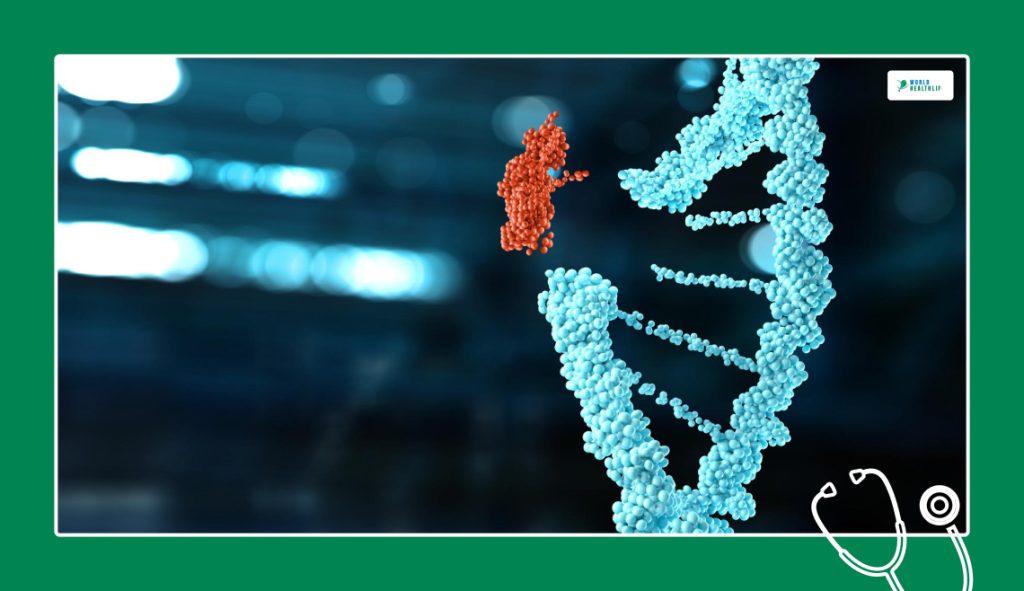
The root cause of this condition is a specific genetic variation in the GFAP gene, whose primary responsibility is to provide instructions for making the glial fibrillary acidic protein.
This protein is a structural building block inside astrocytes. These are specialized star-shaped cells, supporting, protecting, and repairing nerve cells throughout the central nervous system.
When a GFAP gene mutation occurs, it alters the assembly instructions for this protein. Instead of forming healthy structural networks, the abnormal proteins bind together awkwardly.
This forms unusual clumps known as Rosenthal fibers within the astrocytes. Over time, this toxic accumulation of Rosenthal fibers compromises astrocyte function.
Accordingly, the damaged astrocytes can no longer maintain the surrounding white matter. This triggers myelin sheath degradation, causing progressive nerve damage.
For most individuals, this genetic variant occurs entirely at random. It arises as a de novo or new mutation during conception, meaning there is no history of the condition in either parent’s biological family.
In rare instances, particularly with later-onset forms, it can be passed down in an autosomal dominant pattern. This inheritance pattern means a person only needs to inherit one copy of the altered gene from a parent to develop the condition.
Clinical Classification: Type I Vs. Type II Pathologies
Medical professionals classify this condition into two primary categories on the basis of the age when symptoms first appear and how the disease progresses.
This system helps families in understanding what to expect, allowing care teams to create targeted support plans.
Type I Vs. Type II Alexander Disease Differences
The table below contrasts the clinical features of Type I and Type II pathologies.
| Feature | Type I Pathology | Type II Pathology |
| Typical Age of Onset | Birth to 4 years old (Most common under age 2). | Past 4 years of age (Includes juvenile and adult forms). |
| Primary Neurological Markers | Macrocephaly, hydrocephalus, frequent seizures, and developmental regression. | Palatal myoclonus, ataxia, speech difficulties, and swallowing problems. |
| Disease Progression | Rapid, aggressive progression affecting cognitive and motor skills. | Slow, gradual progression primarily affecting the brainstem. |
| Brain Regions Affected | Extensive cerebral white matter degeneration, especially in the frontal lobes. | Predominantly targets the brainstem, cerebellum, and upper spinal cord. |
| What is the Life Expectancy? | Often limited to several months or a few years post-onset. | Can extend into the 30s, 40s, or normal adult life expectancy. |
Age-Specific Symptoms Of Alexander Disease
Since the disease alters the nervous system differently over time, symptoms vary significantly across different age groups.
Recognizing these signs early is crucial for starting supportive care promptly.
Neonatal And Infantile Presentations
The infantile form is the most common presentation of this condition, usually appearing during the first two years of life.
| Symptom | What Parents and Doctors Notice |
| Macrocephaly | The baby’s head grows unusually fast, measuring well above standard growth curves. |
| Hydrocephalus | Fluid builds up inside the brain’s cavities, causing dangerous pressure spikes inside the skull. |
| Developmental Regression | Infants suddenly lose skills they already mastered, like rolling over, sitting up, or babbling. |
| Intractable Seizures | Severe, frequent seizures happen repeatedly and are highly resistant to typical anti-epileptic drugs. |
| Growth Faltering | Severe stomach and swallowing issues make it hard to keep food down, stall weight gain, and disrupt growth. |
Juvenile Onset Alexander Disease Symptoms
When the condition emerges between ages 4 and 10, it presents with a mix of motor and brainstem features. Juvenile onset Alexander symptoms usually include the following signs.
| Symptoms | Description |
| Bulbar Signs | Severe difficulty swallowing (dysphagia) and slurred speech (dysarthria), which increase the risk of accidental food inhalation. |
| Progressive Spasticity | Significant stiffness in the arms and legs, leading to painful muscle contractions and mobility issues. |
| Frequent Vomiting | Recurrent, unexplained bouts of nausea and vomiting that can lead to rapid weight loss. |
| Kyphoscoliosis | An abnormal front-to-back and side-to-side curvature of the spine caused by unequal muscle weakness across the back. |
Adult-Onset Manifestations
Usually, when it comes to adult-onset forms, it emerges after the late teenage years, progressing very slowly. Moreover, the symptoms are usually mild and can mimic other neurological conditions such as multiple sclerosis or Parkinson’s disease.
Frequently, adults experience severe problems which include:
- Problems with balance and coordination, or ataxia
- Involuntary muscle tremors
- Sleep disturbances
- Palatal myoclonus, which is rapid rhythmic spasms of the roof of the mouth.
Neuroimaging Criteria And Diagnostic Protocols
Diagnosing this condition requires a careful combination of advanced neuroimaging techniques and precise genetic testing.
Neuroimaging Criteria: Brain MRI
Magnetic Resonance Imaging (MRI) is considered the most valuable tool for spotting the specific patterns of white matter damage caused by this condition.
Specialists look for a clear set of neuroimaging criteria such as:
| MRI Finding | Structural Changes Observed | Clinical Significance |
| Frontal White Matter Changes | Symmetric white matter abnormalities. | Noticeably worse in the frontal lobes of the brain. |
| Periventricular Rim | A distinct, thin rim of altered tissue. | Surrounds the brain’s fluid-filled ventricles. |
| Basal Ganglia Abnormalities | Abnormal signals or structural changes. | Located within the deep gray matter structures of the brain. |
| Brain Stem Atrophy | Visible shrinking or wasting of tissue. | Especially prominent in Type II cases of the disease. |
Confirming It With Genetics
An MRI might point directly to the disease, but you cannot be 100% sure without a genetic blood test.
Doctors look straight at the DNA to spot mutations in the GFAP gene. Pinpointing this exact glitch is what seals the diagnosis. It also opens the door to genetic counseling, which helps families figure out what this means for future kids.
Management and Advanced Supportive Care Options
Right now, there is no cure that can undo white matter damage. Because of that, the whole medical strategy shifts toward managing symptoms, keeping complications at bay, and keeping the patient as comfortable as possible.
You cannot do this with just one doctor. It takes an absolute village of different specialists working together to handle a disease this complicated.
Specialized Supportive Care Interventions
| Specialty Area | Intervention Strategy | Clinical Goal |
| Neurology | Antiseizure medications (such as valproate or levetiracetam). | Controlling frequent seizures to preserve brain function. |
| Physical Therapy | Regular stretching exercises and muscle relaxants (like baclofen). | Relieving painful spasticity and maintaining physical mobility. |
| Gastroenterology | Placing a surgical feeding tube (G-tube) and using acid reducers. | Securing safe nutrition and preventing dangerous lung infections. |
| Neurosurgery | Surgically implanting a ventriculoperitoneal (VP) shunt. | Draining excess fluid buildup to lower pressure inside the skull. |
Where The Research Is Heading
Scientists are now targeting the gene, not just the symptoms, of leukodystrophies.
The change is a huge one for families awaiting a breakthrough.
ASO Therapy
Currently the most discussed strategy is the use of Antisense Oligonucleotides (ASOs). These are essentially synthetic molecules designed to block the improper instructions that are sent by the mutated GFAP gene.
By blocking those signals, the body is prevented from producing the abnormal proteins that cause all the damage. Without bad proteins there is no accumulation of Rosenthal fibers and the helper cells (astrocytes) in the brain remain alive and functional.
Small-Molecule Inhibitors
Other labs are developing small drugs which can easily penetrate the blood-brain barrier. These don’t stop the proteins from being made.
Instead they tidy up the mess that’s already there. Also, they assist in breaking up any existing clumps and relieve any stressed cells.
If you are interested in these pipelines, discuss open clinical trials or patient registries with your doctor. These newer treatments are typically accessed early by people.
Finding Your Footing After A Diagnosis
When your world turns upside down because your loved one has a rare leukodystrophy.
As the disease progresses, there’s no sugarcoating the physical and emotional toll it takes.
But this one can not be done by yourself. The best thing you can do at this time is to surround yourself with a close circle of family members straight away. Also, ensure your experts, physical therapists, and rare disease communities are ready to go.
The only way to get hands-on specialized gear is to lean on organizations that really know what they’re doing. Further, look for solid therapists who understand and before it’s too late, be on the radar for new medical trials.
Disclaimer: The information provided in this article is for general informational purposes only. It does not, and is not intended to, constitute medical or health advice. Please consult a qualified healthcare professional for medical guidance or expert health assistance.