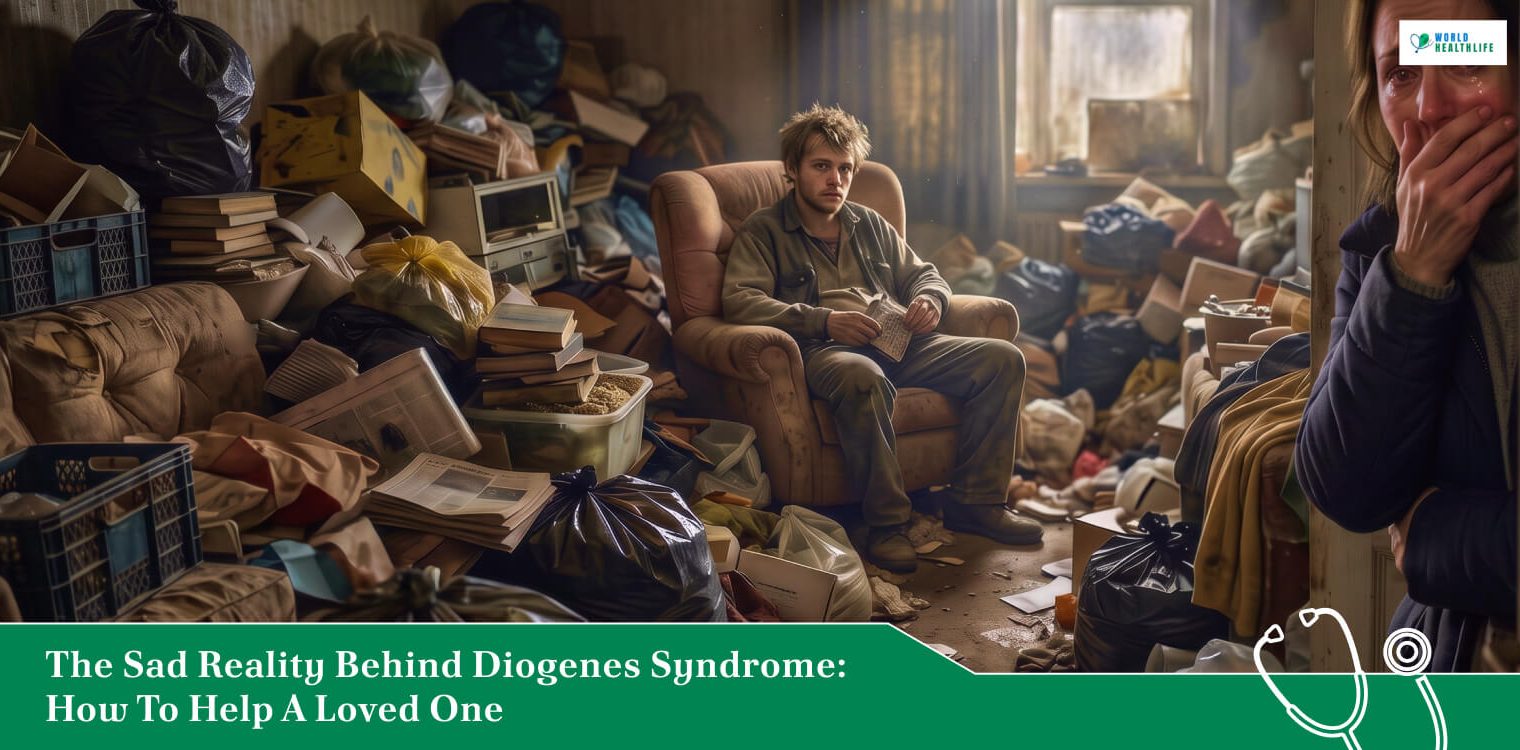
Walking into a parent’s or a close friend’s home only to find filth burying it is an absolute gut punch. It leaves you feeling completely blindsided, angry and sick with worry all at the exact same time.
Your immediate instinct is probably to grab a roll of heavy-duty trash bags, clear out the clutter by force, and scrub the place clean over a weekend.
However, when you are dealing with Diogenes syndrome, charging in like a bulldozer almost always ends in disaster.
It shatters fragile trust while causing severe lasting psychological trauma to the very person you are trying to desperately save.
At its core, total self-neglect, extreme hoarding, and severe isolation trigger this deep-rooted brain and behavioral condition.
Mostly affecting older adults, the toughest part about this condition is that they genuinely cannot see that anything is wrong with how they are living.
This guide is here to help you make sense of this heartbreaking condition. Moreover, it will give a practical step-by-step guide to get your loved one real help without shattering your relationship.
What Is Diogenes Syndrome: The Core Concept

To effectively support someone with this condition, we are required to look past the physical mess and examine the psychological reality.
Understanding the core concept of Diogenes syndrome allows family members to see that this behavior is a medical crisis instead of a stubborn lifestyle choice.
The Core Symptoms Of The Disorder
Recognizing the key behavioral indicators is the first step toward getting your loved one the specific medical attention they require. The disorder presents as a cluster of distinct signs that reveal a total breakdown in daily functioning.
- Extreme self-neglect: Completely abandoning personal bathing, essential dental care, clothing changes, and proper nutrition.
- Domestic squalor: Living in an environment overwhelmed by accumulated garbage, severe filth, and unmanaged waste.
- Syllogomania: Compulsively collecting items with absolutely no functional or financial value, including literal trash.
- Severe social withdrawal: Cutting off contact with close family, friends, neighbors, and medical professionals.
- Anosognosia: A profound psychiatric symptom where the individual is completely unaware that anything is wrong.
What Causes It: Primary Vs. Secondary Diogenes
Medical professionals categorize this condition based on whether it stems from a sudden life crisis or a pre-existing medical issue. Moreover, identifying the specific type helps doctors create an accurate and targeted treatment plan.
Primary Diogenes
This form is triggered by a major traumatic life event. That can be the sudden death of a protective spouse or a severe personal crisis. The individual has no history of psychiatric illness. However, their coping mechanisms completely shatter under the weight of grief or stress.
Secondary Diogenes
This type is directly driven by an underlying neurological, medical, or mental health condition. Furthermore, it impairs executive function.
It is most commonly linked to frontotemporal dementia, Alzheimer’s disease, late-life depression, or severe schizophrenia.
Diogenes Syndrome Vs Standard Hoarding
While both conditions result in highly cluttered living spaces, confusing them can cause dangerous intervention mistakes. Besides this, they stem from different psychological roots while requiring distinct approaches from families and caregivers.
| Feature | Standard Hoarding | Diogenes Syndrome |
| Type of Clutter | Items with perceived value or emotional attachment. | Literal trash, rotting food, and biohazardous waste. |
| Personal Hygiene | Usually maintained at a basic, socially acceptable level. | Severely neglected, leading to skin and dental infections. |
| Awareness (Shame) | Often feels deep anxiety or shame about the mess. | Zero awareness or shame; completely indifferent to filth. |
| Social Function | Attempts to participate in work or community life. | Aggressively withdraws and completely isolates from society. |
Standard hoarders typically collect objects because they fear losing information or want to preserve memories associated with those items. Additionally, they frequently experience intense distress at the thought of discarding things.
However, they remain aware of social norms.
Conversely, someone with Diogenes syndrome accumulates trash without any emotional attachment to the individual pieces of garbage. Their behavior reflects a complete neurological detachment from their surroundings.
As a result, this leads them to view severe filth as entirely normal.
The Harsh Reality: What Happens To Someone With This Condition
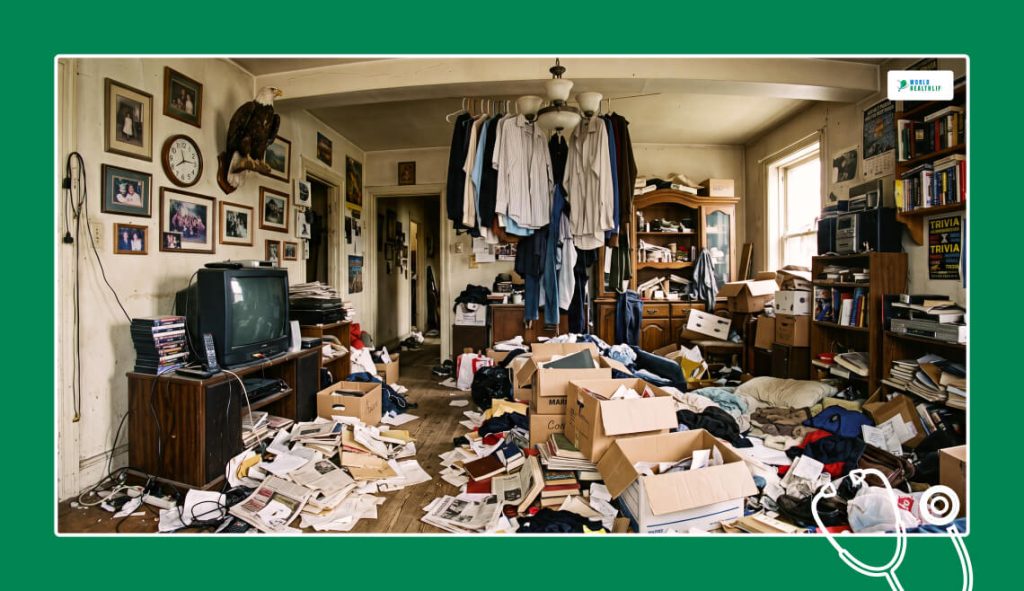
Leaving Diogenes syndrome completely untreated sets off a rapid and devastating domino effect that destroys both a person’s body and their home.
Since the brain loses its natural radar for recognizing danger, daily life becomes an ongoing sequence of quiet and hidden emergencies.
Families need to understand exactly how this decline unfolds. Moreover, they should not cause panic, but see why waiting for things to simply get better on their own is a losing battle.
The Physical Health Risks
When someone entirely stops bathing, ignoring their physical health means minor issues turn into massive, life-threatening crises in a matter of weeks.
The body simply breaks down when basic survival needs like clean water and fresh food are ignored day after day.
Severe Medical Breakdown
Chronic and underlying issues such as high blood pressure or diabetes quiclly spiral out of control. That is because prescription medications are lost in the clutter or forgotten entirely.
Rampant Infections And Pests
Untreated physical wounds, dental decay and highly contagious parasite infestations such as scabies or lice become a persistent and painful everyday reality.
Severe Malnutrition
Individuals frequently drop a dangerous amount of weight. As a result, they become incredibly frail. The reason behind this is that they survive on little to no food.
On the other hand, they regularly eat items that are completely spoiled.
The Environmental Hazards
The living space of someone with this disorder transforms into a dangerous biohazard that threatens the entire neighborhood. The structural collapse of the home often forces the involvement of local authorities.
Biohazardous Living Conditions
Piles of rotting food, garbage and unmanaged pet or human waste create toxic air quality and heavy mold growth.
Severe Pest Infestations
Rodents, insects and stray animals overrun the rooms. This creates an active breeding ground for infectious diseases.
High Fire And Injury Risks
Cluttered pathways create severe tripping hazards while blocked vents and hoarded papers create a massive fire trap.
The Mental And Social Decline
As the disorder progresses, the psychological shifts further isolate the individual from anyone who might offer them help. This mental wall makes traditional communication almost impossible for worried family members.
- Aggressive social isolation: The individual intentionally cuts off contact with close friends, family, and neighbors to protect their extreme privacy.
- Paranoia and hostility: Any outside offer to clean the home or provide medical care is met with intense suspicion, anger, or fear.
The Long-Term Prognosis
Without proper intervention, the long-term outlook for someone with this condition is unfortunately quite grim. The situation usually reaches a breaking point that strips the individual of their independence entirely.
Local health departments eventually condemn the property due to extreme odor or pest complaints, resulting in immediate eviction.
Ultimately, most individuals are placed in secure long-term psychiatric care or nursing facilities following an emergency medical event.
How To Help A Loved One
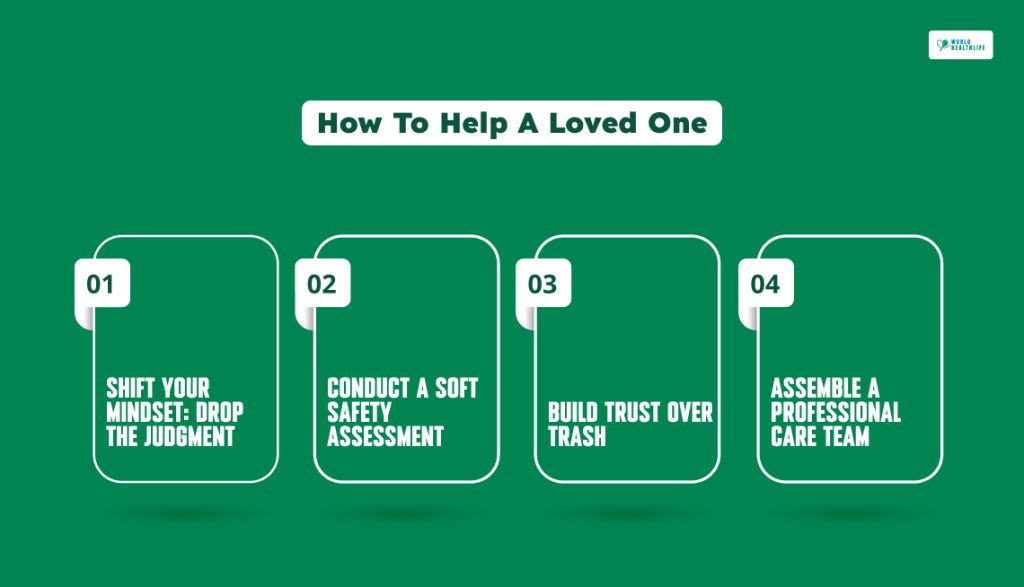
Staging a sudden intervention or cleaning the home by force is the worst way to handle Diogenes syndrome. To someone with this disorder, an unannounced cleanup feels like a violent assault on their personal autonomy.
Rushing into their space will cause them to panic and completely cut you out of their life. Instead, you must use a patient and highly strategic framework to guide them towards safety.
Shift Your Mindset: Drop The Judgment
Before you even set foot inside their home, you must leave your personal frustration and shock at the door. Moreover, remind yourself that this environment is the result of a complex psychiatric issue instead of laziness or a poor choice.
Walk in with a calm and neutral demeanor to keep the interaction safe and constructive. On the contrary, do not gasp, scold them about the smell, or make disgusted faces. That is because your main goal is simply to show they are loved.
Conduct A Soft Safety Assessment
During your initial visits, focus your attention strictly on immediate, life-threatening hazards rather than general clutter or dust.
Also, you need to discreetly scan the environment for critical warning signs that require urgent management. Look specifically to see if the main paths to the front door and the bed are completely blocked.
Finally, check whether flammable items are sitting directly on the stove, and verify that the home still has running water and electricity.
Build Trust Over Trash
Start incredibly small. This allows you to show your loved one that they still maintain complete control over their personal life and space.
Additionally, never throw any object away without obtaining their explicit and unforced permission beforehand.
Ask tiny and non-threatening questions such as “Can I help you move these papers off your favorite chair so we can sit together?”
Securing these small and positive wins helps you in building the foundation of trust that is needed for larger cleanups later.
Assemble A Professional Care Team
You cannot solve the overwhelming reality of Diogenes Syndrome entirely on your own without facing severe caregiver burnout. Instead, you need to quietly or openly build a network of specialized professionals who understand the illness.
Reach out to a geriatric psychiatrist to screen for underlying dementia. Also, connect with local social workers who understand elder law. When it is time to clear the home, hire professional biohazard cleaners who treat hoarding with dignity.
When To Call Adult Protective Services (APS) Or Emergency Services
If your loved one aggressively refuses all help but remains in immediate danger of dying from a fire, fall or illness, you must escalate the situation. Though it is a painful choice, professional intervention becomes mandatory.
Contacting Adult Protective Services (APS) or local emergency services is usually the only way to trigger an official welfare check. This protective step can secure a court-ordered medical evaluation. Ultimately, you can save their life.
Resources For Families And Caregivers
If you are feeling overwhelmed, you do not have to navigate this challenging crisis alone. Moreover, the organizations listed below will offer immediate support and guidance.
- Adult Protective Services (APS)
- National Association of Area Agencies on Aging (USAaging)
- The Hoarding Disorder Foundation / International OCD Foundation (IOCDF)
- Family Caregiver Alliance (FCA)
The Caregiver’s Burden: Protecting Your Own Mental Health
Trying to support a family member with Diogenes syndrome will completely drain your emotional and physical reserves before you even realize it is happening.
The daily reality of watching someone you love choosing to sink deeper into hazardous filth brings up a volatile mix of intense guilt, blinding anger, and absolute helplessness.
Consequently, by not actively building a defensive wall around your own mental well-being, you are going to crash into severe caregiver burnout incredibly fast.
You simply cannot lift a vulnerable relative out of crisis when you are running entirely on empty fumes yourself.
Your Personal Survival Checklist
| The Emotional Trap | The Human Reality Check | Your Next Action Step |
| Feeling guilty for not cleaning their home by force | Forcing a cleanup only triggers severe psychological trauma | Step back and focus purely on a minor safety fix instead |
| Burnout from arguing about their personal hygiene | Logic cannot cure a deep-rooted neurological issue | Stop debating the mess and go out for a break |
| Feeling isolated and ashamed of their living conditions | Thousands of families are quietly fighting this exact battle | Log into an online caregiver support forum tonight |
Reclaiming Dignity And Safety Together
Navigating the heartbreaking reality of Diogenes syndrome is one of the most challenging journeys a caregiver has to face.
In addition, it requires you to balance deep and unwavering empathy with a realistic understanding of a complex neurological disorder.
Forcing a massive and unannounced cleanup will only shatter trust. Consequently, it will only push your loved one further into a dangerous isolation. True healing begins with tiny and patient steps that prioritize their immediate physical safety.
While entirely preserving their personal autonomy.
You do not have to carry this heavy emotional burden completely on your shoulders. Lean heavily on professional medical teams, specialized social workers and community eldercare services to guide your family forward.
By leading with love, dropping judgment and building trust over trash, you can safely help your vulnerable loved one reclaim their health, comfort and human dignity.