

Whether you are an endurance athlete who is making efforts to shave seconds off your recovery time, a frequent flyer trying to avoid swollen ankles, or someone dealing with varicose veins, you may be familiar with compression garments.
These garments are everywhere, from fitness expos to pharmacy shelves. However, despite having widespread popularity, a fundamental question remains for many people. That is, how do compression socks work?
Initially, these socks may appear like something that is ordinary and snug-fitting. However, behind their tight exterior lies a carefully engineered textile technology designed to interact with your circulatory system.
Wearing them is not just about squeezing your legs. Instead, it is to manipulate pressure dynamics to optimize blood flow while reducing fluid retention and safeguarding your vascular health.
To understand the underlying mechanics of these garments, you need to know their correct use as well.
While bringing dramatic improvements in your daily comfort and physical performance, they can also cause uncomfortable and potentially harmful side effects.
Therefore, this guide has been created to take you through the science of compression, benefits, risks, and the method of using them safely for the most optimal results.
Compression Socks: A Basic Guide
Before understanding how do compression socks work, you first need to understand what they are.
Specially engineered elastic-knit garments, compression socks apply continuous targeted pressure to your lower legs. Acting as an external support system to your vascular walls, they are unlike any standard socks.
With the help of this mechanical squeeze, your body returns deoxygenated blood and lymphatic fluid back up toward your heart.
How Do Compression Socks Work
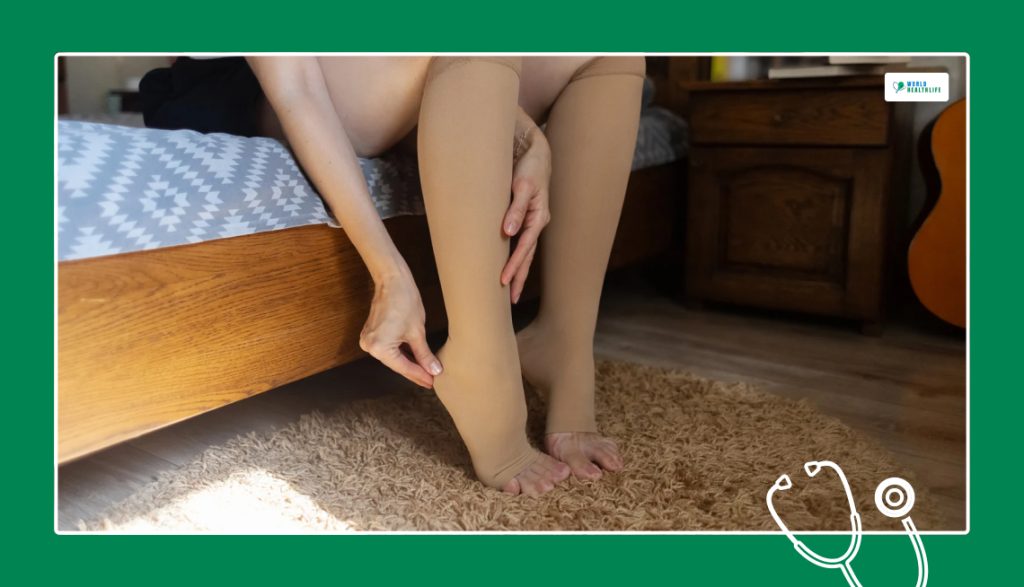
To have a true understanding of how do compression socks work, you first have to know the basic way your circulatory system works.
Your heart pumps oxygen-rich blood down your extremities through your arteries. Once your tissues consume that oxygen, a tough task faces your veins. They have to fight gravity to pump that deoxygenated blood all the way back up to your heart.
Furthermore, your body is also successful in accomplishing this using a calf muscle pump. Every time you walk, your calf muscles contract while squeezing the deep veins in your legs and pushing blood upwards.
On the contrary, when you sit or stand still for long periods or if your veins become stretched and weakened, those valves cannot close properly. As a result, blood pools in your lower legs, causing swelling, fatigue and heavy legs.
This is exactly where compression socks step in to assist.
Graduated Pressure Mechanics
The fabric delivers the highest squeeze at your ankle. This gradually relaxes its grip as it moves up your calf, while pushing stagnant fluids upward.
Vein Diameter Reduction
When you reduce the diameter of a tube while maintaining the same fluid volume, the fluid must move faster.
By applying constant pressure to your lower legs, compression socks gently narrow the diameter of your deep veins.
Valvular Assistance
The external squeeze of a compression sock brings these vein walls closer together.
As a result, this allows the valves to meet and close properly, which restores the ability to prevent the backward flow of blood.
Lymphatic Drainage Acceleration
Apart from blood, there are other fluids that pool in your legs. Interstitial fluid is the fluid that sits between your cells.
This fluid can build up and cause a condition called edema. However, compression socks gently squeeze these tissues while increasing the pressure outside your cells.
This forces the trapped fluid back into your lymphatic and venous systems so your body can naturally process and eliminate it.
Common Types And Compression Levels
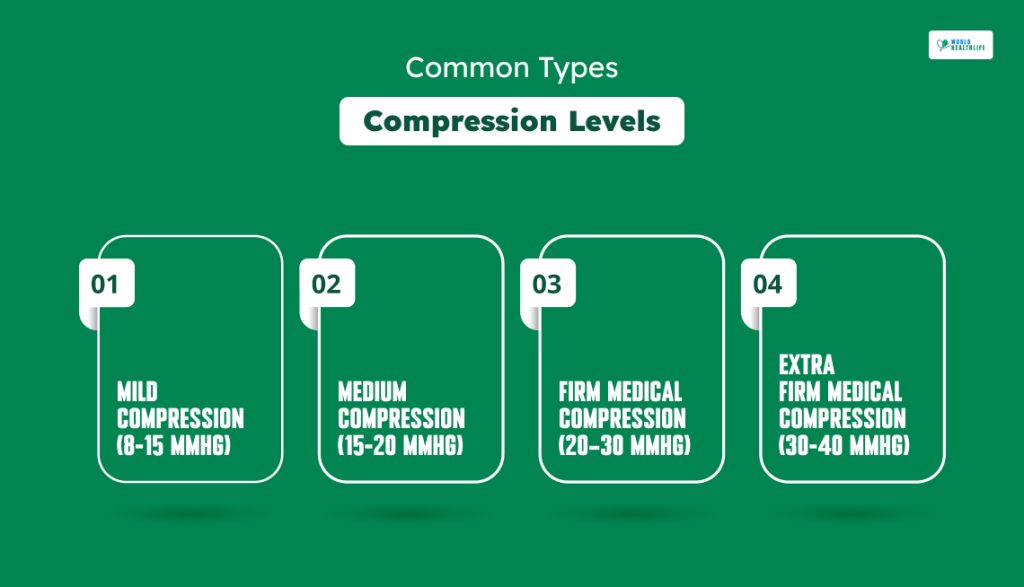
Not all compression socks are designed equally and can thus be categorized by the amount of pressure they apply. This is measured in millimeters of mercury (mmHg).
The selection of the correct level is fully dependent on a variety of factors. These include your personal health goals, lifestyle and medical history.
Mild Compression (8-15 mmHg)
This is the lowest level of compression available. Typically sold over the counter without a prescription, these socks offer a very gentle support system.
These are best suited for individuals who experience minor leg fatigue from long hours of standing as well as health-conscious individuals wanting to prevent mild afternoon swelling.
Medium Compression (15-20 mmHg)
This is the most versatile and popular level of compression. Perfect for athletes and general consumers alike, medium compression socks offer a noticeable supportive squeeze.
This squeeze remains comfortable for all-day-wear, which is the gold standard for the prevention of Deep Vein Thrombosis (DVT).
These socks are also useful for managing mild varicose veins along with reduction of post-workout muscle soreness.
Firm Medical Compression (20–30 mmHg)
Having a measurement between 20 and 30 mmHg indicates a medical-grade class of compression.
While it can sometimes be purchased over-the-counter, it is highly recommended to consult a healthcare provider before use. Furthermore, doctors routinely prescribe this level to treat moderate to severe varicose veins while managing chronic post-surgery swelling.
Patients with a high risk of blood clots are also protected with this level of socks.
Extra Firm Medical Compression (30-40 mmHg)
This is a heavy-duty medical garment, which is medically prescribed to be worn only under direct medical supervision.
Applying immense pressure to treat severe medical conditions, these are designed for chronic venous insufficiency, severe lymphedema, and deep tissue ulcers.
Who Wears Compression Socks?
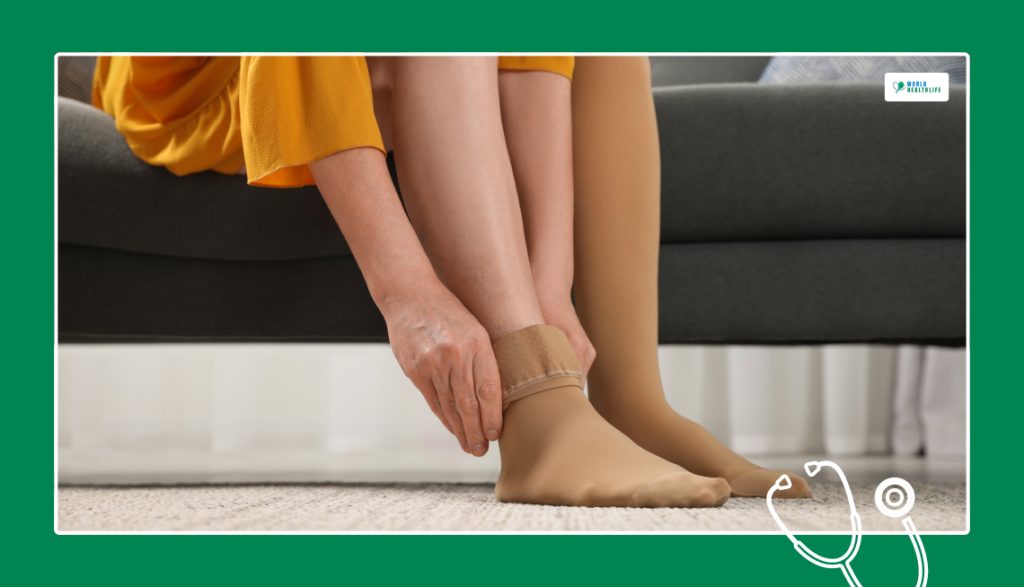
Knowing how do compression socks work, you also need to understand who wears them.
Wearing compression socks can offer great benefits to a lot of individuals.
Furthermore, individuals generally wear them to improve their blood circulation as well as prevent swelling. Furthermore, people suffering from varicose veins and blood clots greatly benefitted by them.
Frequent Travelers and Jetsetters
When you are confined to an airplane seat or a car for more than four hours, your calf muscle pump is completely inactive.
Furthermore, blood pools in your lower legs, where there is a lack of circulation combined with low cabin pressure.
This significantly elevates the risk of developing DVT. As a result, travelers wear compression socks to keep blood moving actively during long journeys while ensuring they arrive at their destination without heavy and swollen ankles.
Athletes And Fitness Enthusiasts
Be it marathon runners or functional fitness enthusiasts, athletes use compression gear both as a performance and a recovery tool.
During intense exercise, muscles produce metabolic waste products like lactic acid. However, when you wear compression socks during or after a workout, you can increase local blood flow.
Oxygen is delivered to tired tissues while accelerating the removal of waste. This means a direct less muscle vibration during activity while reducing delayed onset muscle soreness (DOMS).
Pregnant Individuals
Pregnancy leads to dramatic changes in your circulatory system. Furthermore, the blood volume rises by up to 50% to support the developing baby.
On the other hand, hormonal changes lead to relaxation and expansion of blood vessels.
Additionally, the growing uterus puts physical pressure on the major pelvic veins slows down the return of blood from the legs. This causes painful swelling in the ankles, leading to a sudden appearance of varicose veins.
However, wearing compression socks provides external support to counteract these pressure changes, along with immense relief during all trimesters.
Professionals Who Are On Their Feet All Day
Nurses, teachers, retail workers and hospitality staff are required to spend almost the entire day of their shifts standing on hard surfaces.
Without regular rest, gravity takes a heavy toll while leaving these professionals with an aching and throbbing sensation in their calves by the end of the day.
Incorporating ciomprssion wear allows in preventing afternoon heaviness along with steady completion of their physical shifts with significantly less discomfort amnd long-term vcacualr strain.
Patients Recovering From Surgery
Surgeons generally mandate the use of anti-empbolsim stockings or medical compression socks during the recovery phase.
This helps in keeping the blood moving mechanically until the patient is able to walk on their own again.
Benefits Of Wearing Compression Socks
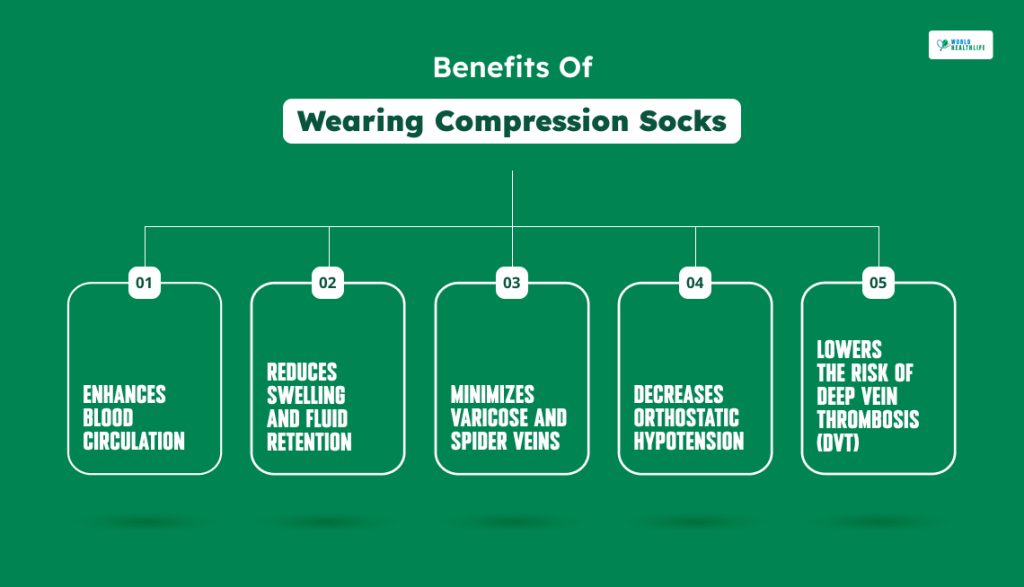
Now that you have learned how do compression socks work, understanding their benefits will help you gain a more in-depth knowledge.
Enhances Blood Circulation
The most common benefit offered by compression socks is their ability to optimize your vascular efficiency.
By assisting your veins in moving blood upward against the constant pull of gravity, these socks ensure a steady and continuous return of deoxygenated blood to your heart and lungs.
Improved circulation means your muscles and tissues receive a more consistent supply of oxygenated and nutrient-rich blood. This further boosts your overall energy as well as physical endurance throughout the day.
Reduces Swelling And Fluid Retention
When you sit or stand for hours, pressure builds inside your leg capillaries.
As a result, water and fluid is forced out into the surrounding soft tissues. Furthermore, tight and puffy skin, called peripheral edema, is caused.
However, with compressive socks, the targeted external squeeze of a compression sock counteracts this internal capillary pressure. It also physically keeps fluid inside your vascular system where it belongs.
Minimizes Varicose And Spider Veins
Though compression socks cannot bring a permanent cure to structural vein damage, they act as an excellent management tool.
By keeping the veins compressed and preventing the blood from pooling, they alleviate the painful throbbing associated with varicose veins while slowing down the progression of new spider veins.
Decreases Orthostatic Hypotension
Generally, if you feel dizzy or lightheaded while standing up quickly after sitting for a long time, you may be facing orthostatic hypotension.
It happens when gravity suddenly pulls blood down into your legs, causing your blood pressure to drop.
But with compression socks, this sudden pooling is prevented by keeping a baseline level of pressure. It further helps in maintaining stable blood pressure while reducing positional dizziness.
Lowers The Risk Of Deep Vein Thrombosis (DVT)
DVT is a serious medical condition where a blood clot forms in a deep vein. Usually happening in the leg, if the clot breaks free, it can travel to the lungs.
Furthermore, this causes a life-threatening condition called pulmonary embolism.
By keeping the velocity of your blood flow high and preventing stagnation, these socks significantly reduce the risk of clot formation.
Side Effects You Should Never Ignore
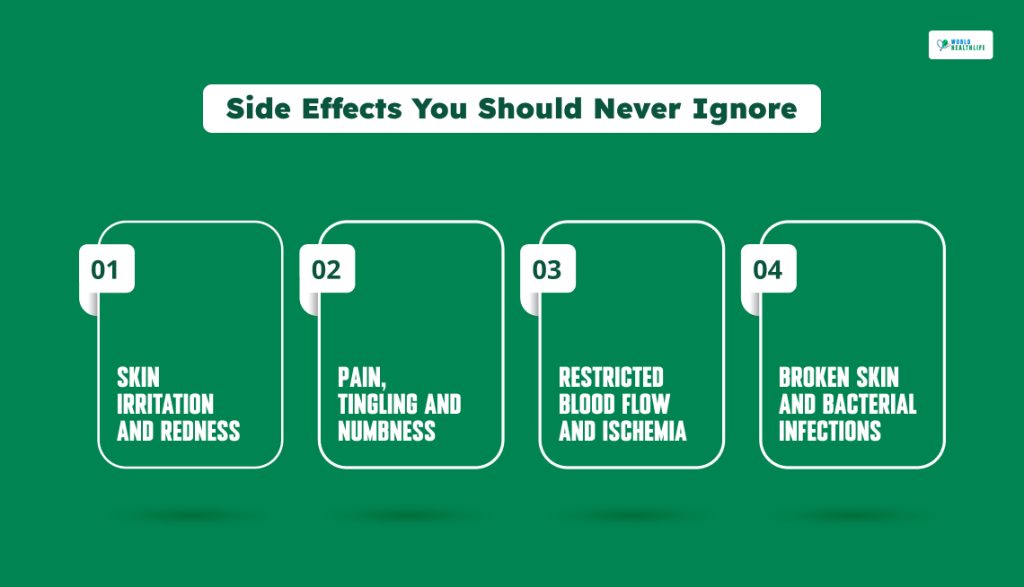
Although compression socks offer numerous health advantages, they are powerful vascular tools that have to be used correctly.
If they are sized improperly or worn for too long, they can also cause notable side effects.
Skin Irritation And Redness
Since compression socks have to fit snugly to do their jobs, they create a high amount of friction against your skin. If the fabric is rough or moisture from sweat becomes trapped against your leg, it can lead to different issues.
This includes chafing, dry skin and red rashes. This is especially common for older adults who possess thinner and more fragile skin.
As a result, it is essential to monitor the condition of the skin daily.
Pain, Tingling And Numbness
Compression socks must feel like a firm and supportive hug around your legs instead of being painful and restrictive.
While experiencing a sharp ache, a prickly sensation or numbness in your toes, your socks have a higher likelihood of being too small or have a compression level that is too high for your body.
This intense pressure can compress peripheral nerves, so you should remove the socks immediately if these sensations occur.
Restricted Blood Flow And Ischemia
If compression socks help veins in returning blood to the heart, they can have dangerous effects.
Causing blockage in your arteries trying to bring fresh blood down to the feet, they must never be used by the wrong person.
For individuals with Peripheral Artery Disease (PAD), severe diabetes, or compromised arterial circulation, the external squeeze can cut off oxygenated blood flow entirely.
This condition, called ischemia, can cause severe tissue damage and is required to be avoided at all costs.
Broken Skin And Bacterial Infections
If a tight compression sock rubs continuously against a single spot on a swollen leg, it can lead to a blister or an open sore.
Since these socks can also reduce local air circulation, any broken skin can quickly become an environment for bacterial growth.
Best Practices For Use
In order to maximize the circulatory benefits of your compression socks while keeping your blood vessels and skin safe, you must incorporate certain essential habits into your daily routine.
- Choose the right size
- Put them on first thing in the morning
- Keep the fabric smooth and unrolled
- Replace your socks every six months
Improve Your Blood Circulation With Compression Socks
When you look closely at how compression socks work, it can be clear that they are much more than some tight sportswear. They are a simple yet highly effective tool for improving the natural circulation of your body.
By using a smart and graduated pressure design, your veins can fight gravity. Swelling is further reduced and athletic recovery is faster, while having full protection against dangerous blood clots.
However, since they interact directly with your circulatory system, they have to be used with care. If you choose the wrong size or ignore early warning signs, you can face a medical risk.
For healthy individuals, athletes and travelers, adding a pair of high-quality compression socks to your routine is a fantastic as well as proactive step towards healthier legs and a better overall well-being.
References:
- Compression socks: What are they and who needs them?: Riverside Health: https://www.riversideonline.com/en/patients-and-visitors/healthy-you-blog/blog/c/compression-socks-what-are-they-and-who-needs-them
- Could you benefit from wearing compression socks?: Rachel Reiff Ellis: https://www.health.harvard.edu/healthy-aging-and-longevity/could-you-benefit-from-wearing-compression-socks
- Compression Stockings: Benefits and Side Effects: WebMD: https://www.webmd.com/dvt/choose-compression-stockings


