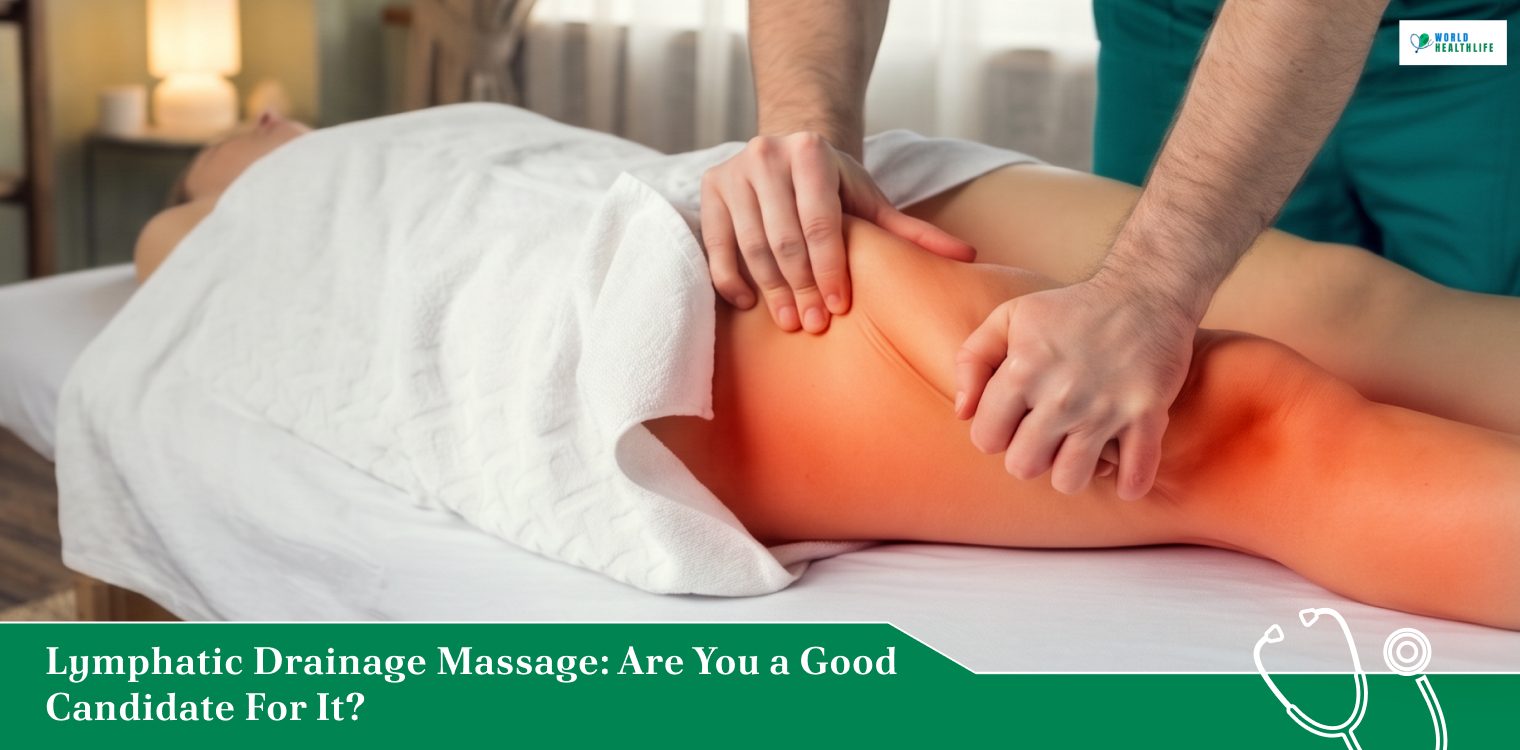
Do you know what a lymphatic drainage massage is? It is not a massage you get regularly.
First of all, before we jump into science talk, we need to understand a basic concept. Lymph is the clear, watery fluid that flows through our body in the lymphatic system.
Lymph is the excess fluid originating from blood plasma. It does the following:
- Drains out cellular waste
- Absorbs dietary fats
- Transports the White Blood Cells (fighting off infections).
Did you ever wake up with a puffy face? Or a swollen face after a long flight? Or maybe your legs feel heavier than usual?
That’s when people will start suggesting you get a lymphatic drainage massage.
You might wonder what extra benefit does this massage gives? Well, it helps with a better flow of lymph fluids throughout your body
How Is A Lymphatic Drainage Massage Different?
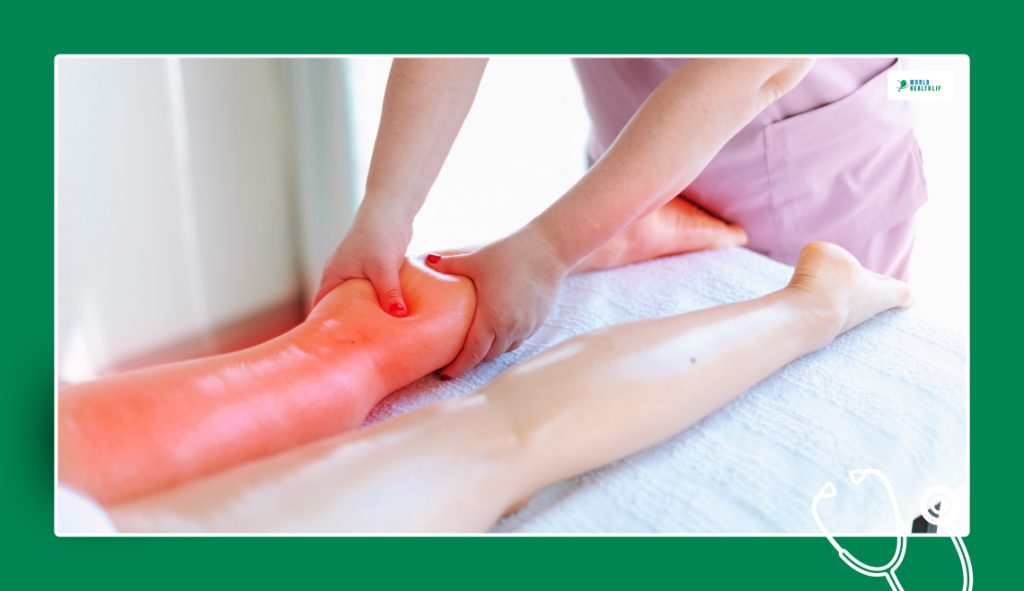
At the outset, if you are getting a lymphatic drainage massage, just know it is different from regular massages, which help relax muscles.
It uses light, gentle strokes to help the lymphatic system move fluid more efficiently.
Primarily, lymphatic massage doesn’t have a pump like your heart. To keep the lymph flowing, it relies on
- Body movements
- Muscle contractions
- A massage boosts the flow
Now, if you have just recovered from surgery, you will notice that it is highly recommended by doctors. Especially for people living with lymphedema. Just don’t expect it to melt any fat or flush toxins; it doesn’t work like that.
Quick Answer

Take a quick look if you are in a hurry!
Lymphatic drainage massage promotes the natural movement of lymph throughout the body.

• This therapy supports only the lymphatic system.
• It plays an important role in maintaining fluid balance and immune function.
• It is commonly recommended for people who are recovering from certain surgeries
managing lymphedema
• Temporary swelling and puffiness
• Many people also choose it for relaxation and facial de-puffing
• It does not melt away fat or detox your body.

When a trained professional performs it on you, this massage can count toward your recovery. Similarly, when used for the right reasons, it contributes to the wellness routine.

Above all, when you have a certain medical condition, you should always consult a healthcare provider before booking a session.
Lymphatic Vs Regular Massage
Let’s be honest, massages are more than just for relaxation. Different massages have different goals to claim. Lymphatic drainage massage and regular massage are good examples.
Furthermore, both massages use touch and pressure, but the results may vary:
| Lymphatic Drainage Massage | Regular Massage |
| Increases fluid flow and reduces fluid buildup | Relieves muscle tension and enhances relaxation |
| Very light and gentle strokes are used | Light to deep strokes, kneading and stretching of muscles |
| Targets the lymph nodes and vessels | Targets muscles and tendons |
| Is needed for swelling, post-surgical inflammation and puffiness | Is needed to prevent muscle stiffness, pain, and stress |
| Supports the immune system | Improves posture by preventing muscle tension |
What Should You Choose?
So, let’s see what you actually need:
- You can choose Lymphatic Drainage Massage if you are dealing with
- Swelling
- Fluid retention
- Face puffiness
- Medical condition recommended by doctors
- Or choose Regular Massage if you are
- suffering from body stiffness
- just need to relax
- relieve pain
- simply unwind after a stressful week.
When Do You Need It?
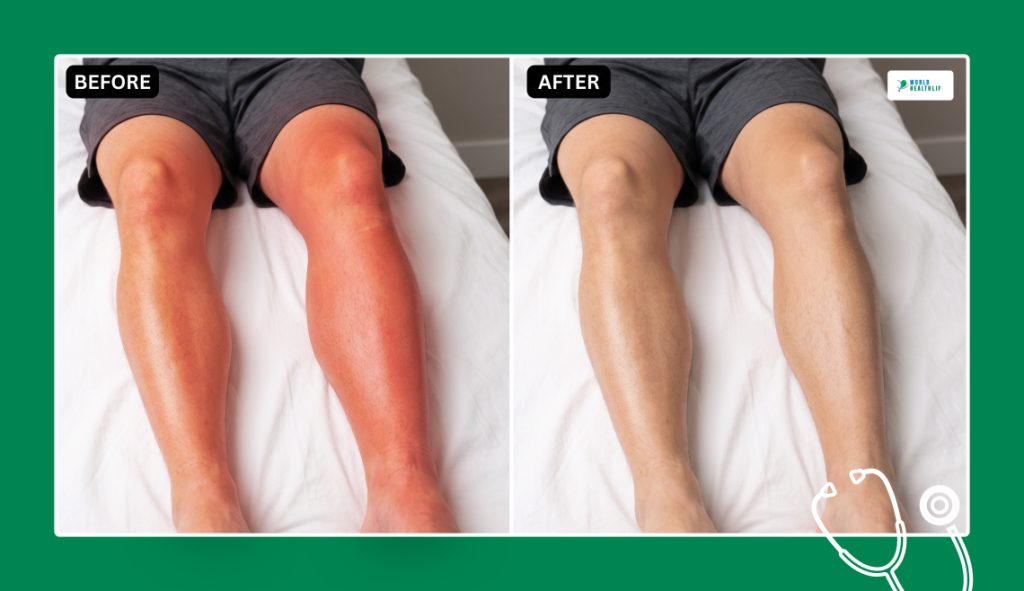
For many of us, it is not applicable to get a lymphatic drainage massage.
However, there are certain situations where it may be helpful, especially when recommended by a healthcare professional.
You need a lymphatic drainage massage if you:
- Have lymphedema, where it swells due to lymph fluids
- Are recovering from cosmetic surgery
- Experience bloating for a prolonged time
- Notice facial puffiness, maybe due to allergies, lack of sleep, or prolonged travel
- Want to calm your body with slow rhythmic massage
- Notice swollen lymph nodes in your neck
- Feel fatigue
- Particular skin conditions
- Chronic sinus infection build-up
Lymphatic Drainage Massage After Surgery
It is commonly recommended by healthcare professionals after certain surgical procedures. When tissues heal after surgery, fluid can temporarily gather around the healed area.
It is most often recommended after procedures like:
- Liposuction
- Tummy tuck
- Facelift
- Lymph node surgery
- Arthritis (under guidance)
However, timing matters, don’t try to start lymphatic drainage massage on your own immediately after surgery.
Hence, as every procedure and recovery plan varies from person to person, you must always wait until your surgeon tells you it’s safe,
That said, if you are getting a lymphatic drainage massage, make sure it is done by a trained therapist.
Furthermore, if you use too much pressure or start too early, it may interfere with your healing.
So, don’t forget to follow your surgeon’s instructions, drink plenty of water and keep attending appointments.
What Is The Benefit?
When performed correctly, lymphatic drainage massage may offer several benefits for both medical and wellness purposes.
While results vary from person to person, many people notice improvements after a few sessions.
Potential benefits can include:
- Reducing postoperative swelling
- Help body absorb excess fluid
- Support smooth mobility
- Provides comfort during recovery
- Makes you feel less bloated
- Encourages healthy circulation
Popular myth that needs to be addressed: If you expect a lymphatic drainage massage to be a solution for weight loss or detoxifying your body, I’m afraid that is not true.
In simple english, this massage does not remove fat or toxins from your body.
What Are The Risks And Possible Side Effects?
Although there are a lot of benefits to lymphatic drainage massage, there are times when it does more harm than good. It is not suitable for everyone and should not be done alone or with limited knowledge.
Surprisingly, healthcare providers do not apply lymphatic drainage massage over cancerous tissues that are damages from radiation therapy.
There are side effects caused by more than just fatigue, headache or nausea:
- Increased urination
- Mild fatigue
- Feeling too thirsty after session
- Temporary soreness/ tenderness
- Lightheadedness
- Deep vein thrombosis
- Kidney infection
- Blood clots
Who Should Avoid It?
Nevertheless, it is best to speak with a healthcare provider before getting a lymphatic drainage massage if you have:
- Active infection or fever
- Blood clots
- Certain cancer, unless recommended by healthcare
- Recent surgery or open wounds
For the safest procedure, consult a medical professional or a qualified therapist.
Start Staying Aware From Now On
That brings us to, lymphatic drainage massage has earned its popularity for good reason, but it’s important to separate what is correct and what was made up on social media.
When this massage is performed professionally, it can:
- Help reduce swelling
- Support post-surgical recovery
- Improve comfort for people with certain medical conditions.
At the same time, the myth that this massage “flushes toxins” or washes away body fat remains unproven medically.
Additionally, for the right person, it will certainly make a visible difference. However, you are suitable for this if you are suffering from lymphedema, postoperative swelling, or temporary fluid retention and have been advised by a healthcare professional.
Furthermore, it may also be worth considering under medical supervision if it’s not life-threateningly serious and you just want:
- relaxation
- reduced puffiness
- improved overall wellness
Overall, if you choose a qualified therapist, you will achieve the safest and most effective results.