
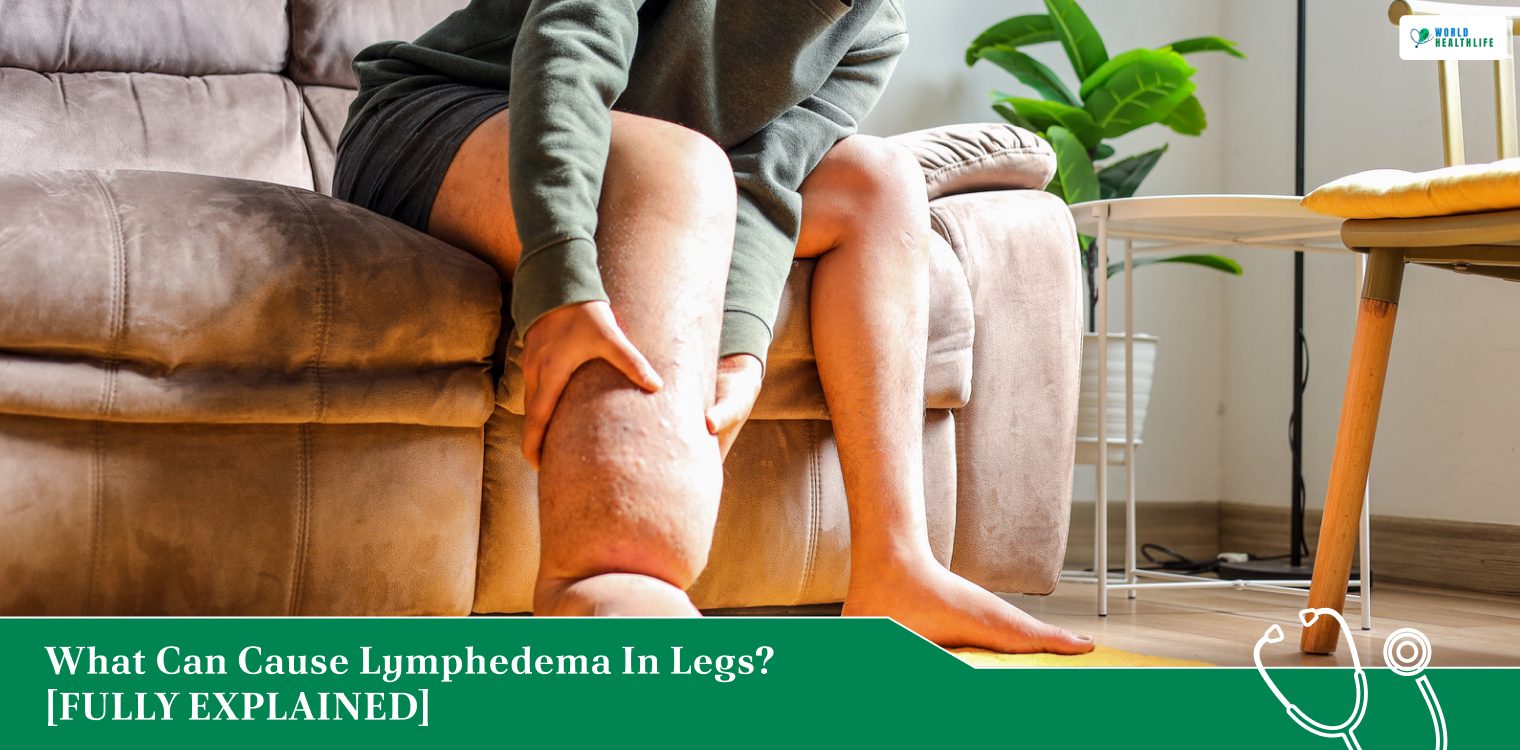
| Quick Answer Hey everyone, let’s talk about something that doesn’t get featured enough in regular health chats: lymphedema. Essentially, it’s a type of swelling that happens when fluid gets trapped in your lymphatic system. While it mostly targets your arms or legs, it can also show up in other parts of your body. I’ll be honest with you, there is no cure for lymphedema yet, but medical experts can ease pain or reduce fluid buildup. A lot of the time, this fluid buildup happens if you’ve recently had surgery or if it’s tied to a genetic condition you’ve had since birth. For some of us, the symptoms start out pretty mild, just a bit of minor swelling and some annoying discomfort. But most of the time, when it grows spontaneously, swelling can be painful and can cause infections and wounds. (Source: Cleveland Clinic). That’s why I highly recommend making it a daily habit to check your legs for any sudden changes. If you ever develop a sudden fever, random chills, or if that swollen area suddenly becomes intensely red, hot, or painful to the touch, seek emergency medical care immediately. These are warning signs of cellulitis, which requires urgent antibiotic treatment to prevent life-threatening sepsis. (Source: KBK Hospital) |
What Is Lymphedema?
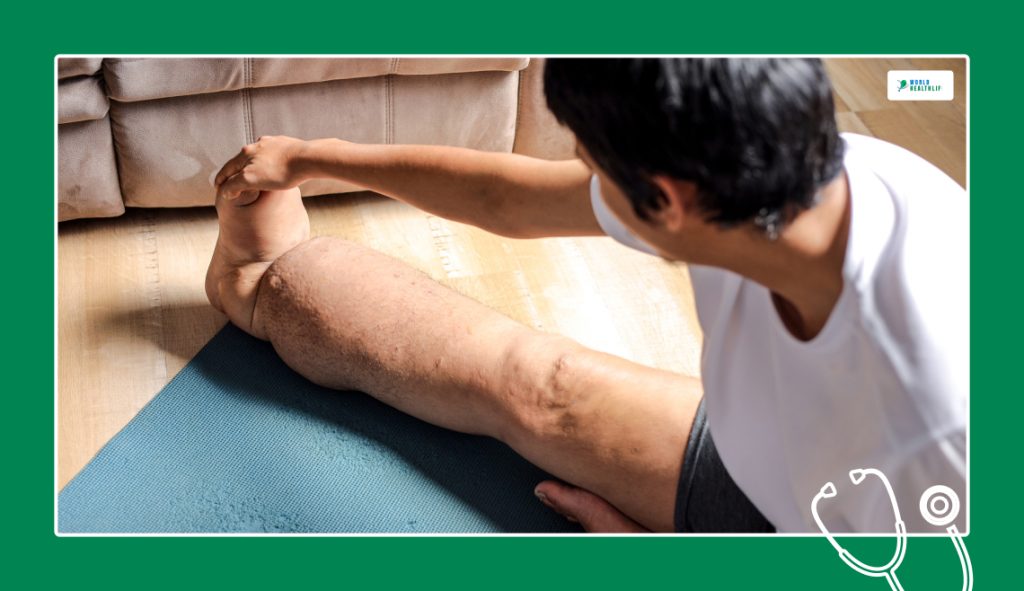
Imagine waking up and noticing one of your legs looks completely different from the other. It’s swollen, heavy, and you have absolutely no clue how it happened.
It’s a scary feeling, right? Swelling can happen for a lot of reasons, but one of the reasons to note is Lymphedema.
Our lymphatic system collects excess fluids and proteins and returns them to your bloodstream.
If you have Lymphedema, you can consider it a serious medical condition. For instance it is the buildup of fluid can cause infection, which might later become life-threatening.
But it is very rare for lymphedema to cause lymphangiosarcoma, a very rare skin cancer. (Source: Cleveland Clinic)
Treatment may include Compression bandages and stockings, pneumatic pumping, rarely, surgery and Lymphatic Drainage Massage. (Source: Mayo Clinic)
What Causes Lymphedema In Legs?

The work of the lymphatic system is a part of your immune system. They act like filters that fight off infections and cancer.
Here are some reasons that might cause Lymphedema on legs:
| Cancer | It might result from two reasons: if the cancer cells build up and block lymph vessels, as well as the tumor growing large near the lymph node or vessels, it could block the entire pathway |
| Heart condition | If you have any kind of heart condition, you may be prone to lymphedema. Lymph fluids are pumped back to the heart, and if your heart doesn’t work well, you’ll notice you are gaining weight on your legs. |
| Chronic Venous Insufficiency (CVI) | The blood the heart fails to pump builds up, causing fluid to collect in your legs. |
| Radiation Treatment | Inflammation or scarring of lymph nodes due to radiation. |
| Surgery | When a person has cancer, doctors often remove their lymph nodes to see if the disease has spread. (Does not always result in Lymphedema) |
| Obesity | People who are obese have excess fat that puts pressure on lymph nodes. |
| Trauma | Often, the trauma in an area of your body leads to lymphedema |
| Infection | Infections may increase the risk of damaged lymph vessels |
| Kidney Disease | Your kidneys are your body’s filtration system, but when they slow down, excess fluid backs up, causing swelling that can ultimately overwhelm your lymphatic system and trigger lymphedema. |
(Source: nhs.uk, Cleveland Clinic)
What Are The Major Symptoms?

At the outset, it becomes important for you to notice the symptoms as early as possible. In that way, the condition will not worsen or prevent it from becoming permanent.
Common signs and symptoms:
- Swelling or heaviness in legs
- Dry skin, discoloration, or thickening
- Less flexibility in your joints
- Despite not gaining weight, your shoes feel tight.
- The veins in your legs are less visible
(Source: American Cancer Society, Cleveland Clinic)
Complication
Similar to the effects of lymphedema on your body, you might see these changes:
- Cellulitis: Skin infection enters through the smallest injury on your legs. Affected skin often appears more red or warm when you touch.
- Sepsis: When you do treat cellulitis, it can spread into the bloodstream and cause sepsis. It is a life-threatening condition that causes your immune system to attack your own organs in response to an infection.
- Leakage through your skin: Over-swelling can cause your skin to burst with pus through the stretched skin or cause blistering.
(Source: Mayo Clinic, National Cancer Institute, Franciscan Health)
Tips To Prevent Or Manage Lymphedema

Let’s consider you donot have cancer, but does it mean you can never have lymphedema? Well, lymphedema can develop many years after a treatment that puts you at the highest risk.
Hence, it becomes very necessary for you to keep regular checks and watch for signs that will help you prevent or manage lymphedema.
Take care of your skin
- Moisturize your skin to prevent it from cracking
- Always wear sunscreen to prevent sunburns
- Be extra careful around sharp objects
- You must avoid extreme heat on your affected area, such as hot compression.
Promote fluid circulation
- It’s better not to wear tight clothing or shoes
- Wear compression socks, but only if your medical supervisor has advised you.
- Always keep moving to avoid more swelling. Ask your doctor what type of exercise is good for you.
- You must not cross your legs
- Under medical supervision, get a lymphatic drainage massage.
Before you read further, I have written an article on Lymphatic Drainage Massage. This might give you an idea of how this massage can help you drain all the fluid.
But this needs medical supervision. It uses light, gentle strokes to help the lymphatic system move fluid more efficiently.
Does drinking water help?
Yes, it does help in most of the cases. Researchers have found this in one part of their study that people who have increased their intake of water have improved their condition.
Additionally, along with water, choose to cut out sweetened drinks and low-fat beverages. And it is better if you switch to vegetables and fruits that contain water.
(Source: American Cancer Society)
Types of Lymphedema
There are two primary types of Lymphedema:
| Primary Lymphedema | Comes from a rare inherit condition Affects lymphatic system development Affects about 1 in 10,000 people in the U.S. with lymphedema Infants born with Milroy’s disease Meige disease may affect individuals in puberty, pregnancy, and upto 35 Older age people, swelling is limited to the legs |
| Secondary Lymphedema | Surgery can damage your lymphatic system Physical trauma Radiation Breast Cancer treatment |
(Source: Cleveland Clinic)
Let’s be honest. Lymphedema gives you emotional baggage to carry for the rest of your life and not just chronic pain.
When you tend to manage this lifelong condition, it can cause deep health burnout and anxiety, especially with the constant fear of sudden infections.
Changes in leg appearance and wardrobe limitations or frequently distort body image, causing you to socially isolate yourself.
You need to first acknowledge your mental burden to regain your confidence.


